
Have you ever wondered why as many as 40% of customers return clothes bought online? Maybe it’s because most brands produce soulless, mass-market pieces with no story behind them.
The story of 1017 ALYX 9SM begins on a completely different note. Matthew Williams never set out to revolutionize fashion. He simply wanted to create something for his daughter Alyx, born on October 15th. That’s where the name comes from—1017 is her birth date, ALYX is, of course, her name. And that mysterious 9SM? It’s the code for his first studio in New York on 9th Street. Williams worked there at night, since during the day he was busy doing graphic design for Kanye.
1017 ALYX 9SM – what brand is it? – from the darkness of L.A. to global runways
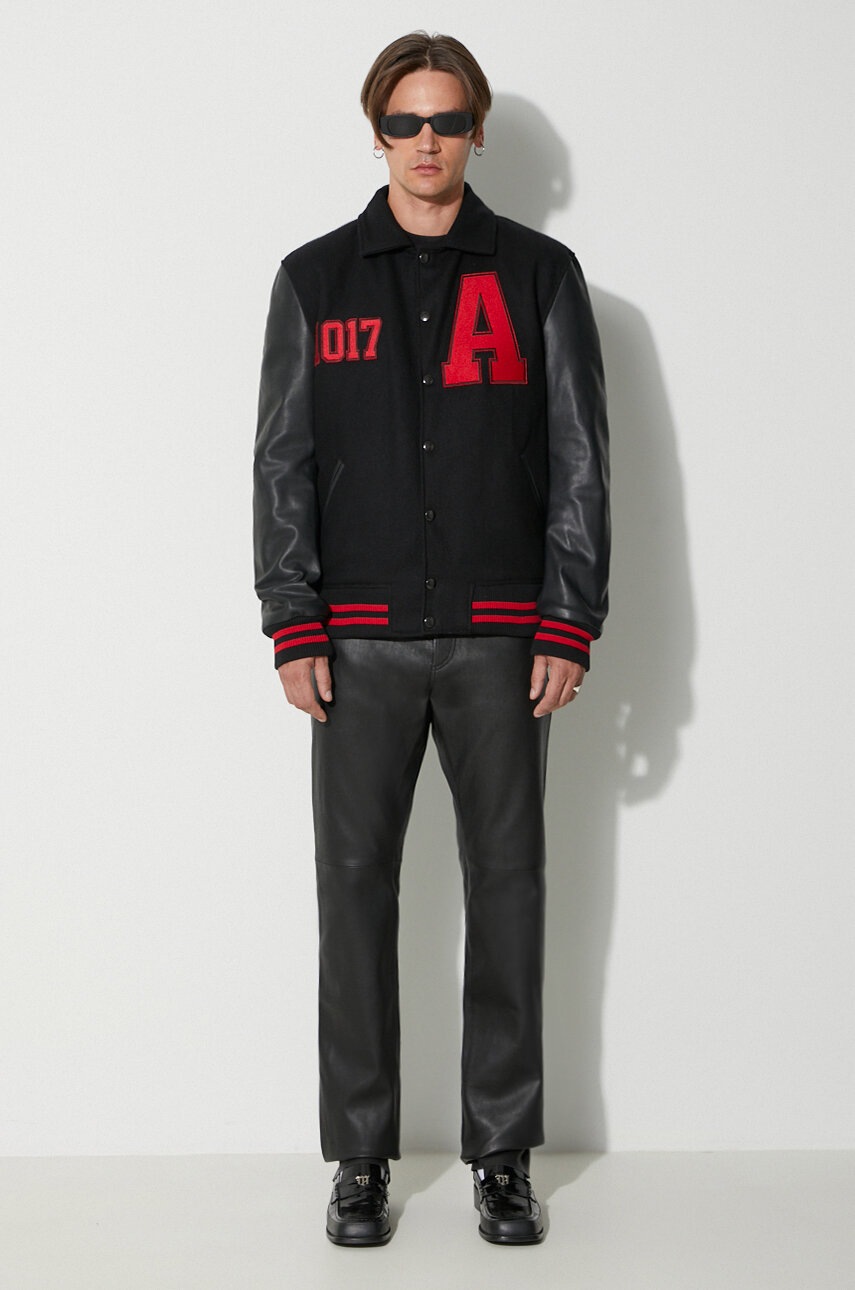
The first collection in 2015 hit the perfect moment. That was when luxury streetwear stopped being an oxymoron. Suddenly, we all wanted to wear something comfortable, but with class. Williams sensed this trend before the big players did.
Key moments timeline:
• 2015 – brand debut, first collection in NY
• 2016 – production moves to Ferrara, Italy
• 2017 – first shows at Paris Fashion Week
• 2019 – Williams becomes creative director at Givenchy
• 2020 – full recognition in the world of haute couture
The move to Italy in 2016 changed everything. Ferrara was no coincidence—where craftsmanship has been perfected for centuries, Williams found people who truly understood quality. Italian artisans taught him that streetwear can be luxurious without turning kitschy.
The brand landed right in the middle of the “luxury streetwear” boom. The global apparel market, worth $3 trillion, suddenly realized that young women wanted more than just a logo on a sweatshirt. We want stories, authenticity, and for every detail to have meaning.
Williams wasn’t creating just another streetwear label. He was building a bridge between the street and haute couture salons. His daughter Alyx is now a teenager and probably has no idea that her name graces stars on red carpets.
But the real magic of 1017 ALYX 9SM lies in a detail that has become synonymous with the brand…
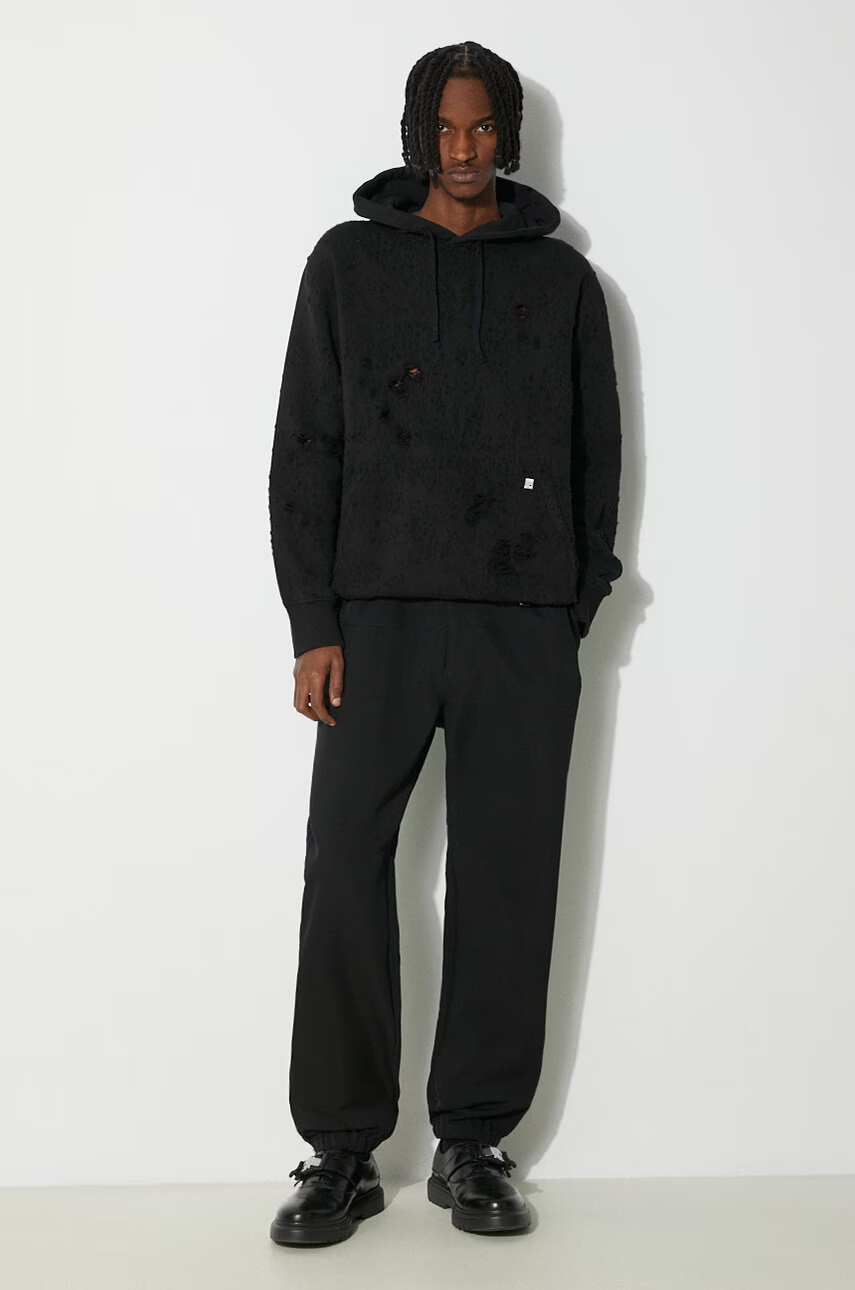
Why did the rollercoaster buckle change the game?
I remember the first time I saw that buckle at Paris Fashion Week in 2017. Matthew Williams was backstage explaining to journalists that “the inspiration came from the seat belts at Six Flags.” It sounded odd at the time, but now I get it—this was the moment when hardware became more than just an accessory.
The rollercoaster buckle changed everything for 1017 ALYX 9SM. It wasn’t just an ordinary clasp; it became a symbol of the brand’s entire philosophy. Williams introduced the concept of modularity—every element could be connected, detached, and worn in different ways. It was a revolution in how we think about accessories.
Three products dominated the market between 2017 and 2019:
| Product | Key detail | Price |
|---|---|---|
| Rollercoaster Belt | A metal buckle inspired by belts | 520.00 USD |
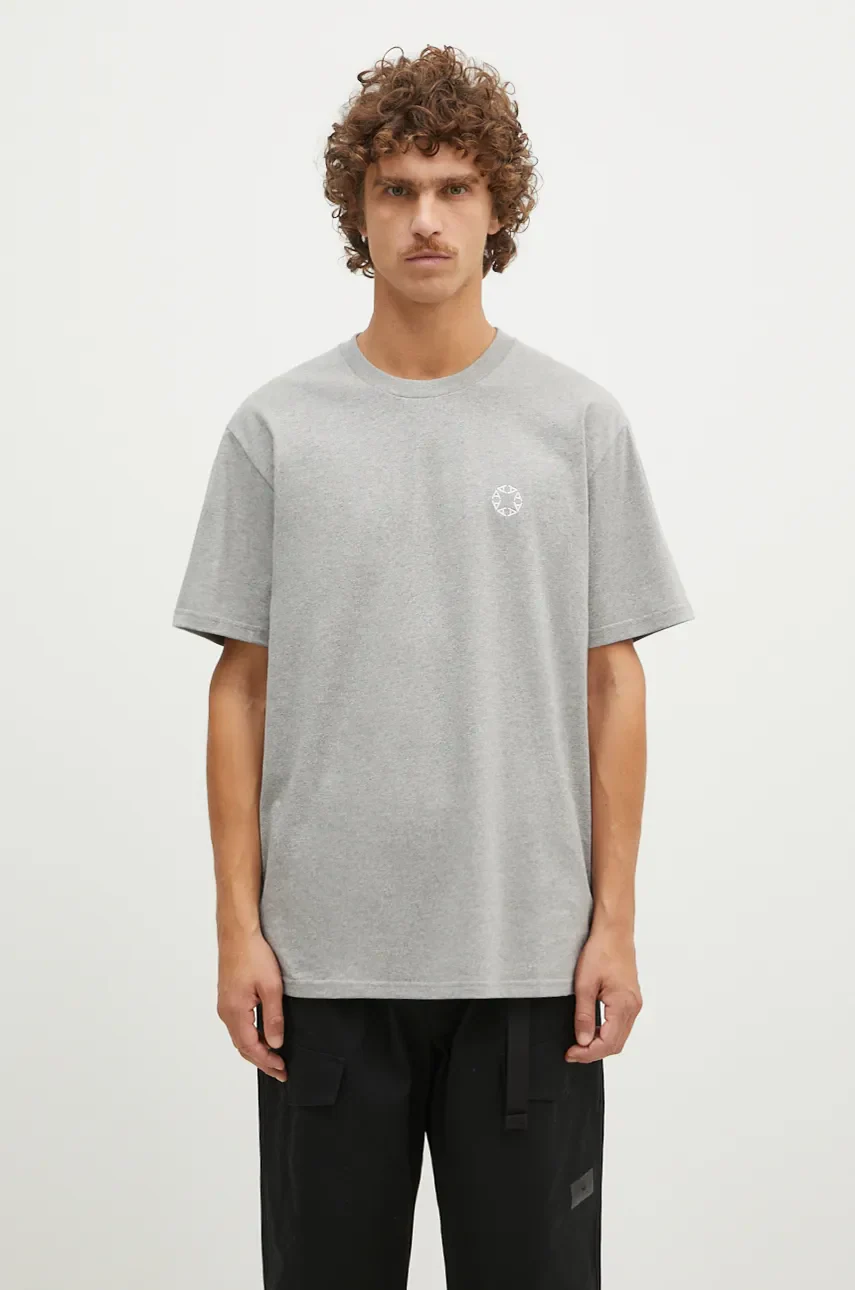
| Phantom T-shirt | Minimalist logo, organic cotton | 280.00 USD |
| Chest Rig | Modular pocket system | 650.00 USD |
Prices may seem high, but compared to Off-White or Fear of God, ALYX offers better craftsmanship. T-shirts cost more than at Supreme, but the materials are significantly superior. Williams focused on durability, not fast trends.
The brand’s logo is another example of minimalism that works. Small, discreet branding—the opposite of the loud prints seen on other streetwear brands. Hardware became more important than graphics. The buckle was recognizable from afar; you could easily miss the logo.
Modularity wasn’t just marketing. You could genuinely mix and match pieces from different collections. The chest rig fit with pants from another line, and you could move the buckle to a different belt. It was a well-thought-out strategy for building a product ecosystem.
Williams often spoke about functionality. His designs made practical sense—they weren’t just for show. The buckle was actually comfortable, and the chest rig could be used daily. That set ALYX apart from brands that made things just for the look.
The impact on the industry was huge. Other brands started experimenting with hardware, metal details, and modular design. But no one replicated the success of the rollercoaster buckle—it was too iconic, too closely tied to ALYX.
Today, I wonder if this design philosophy has a future in a world of growing environmental awareness. Can luxury streetwear brands continue to ignore responsibility for the planet?
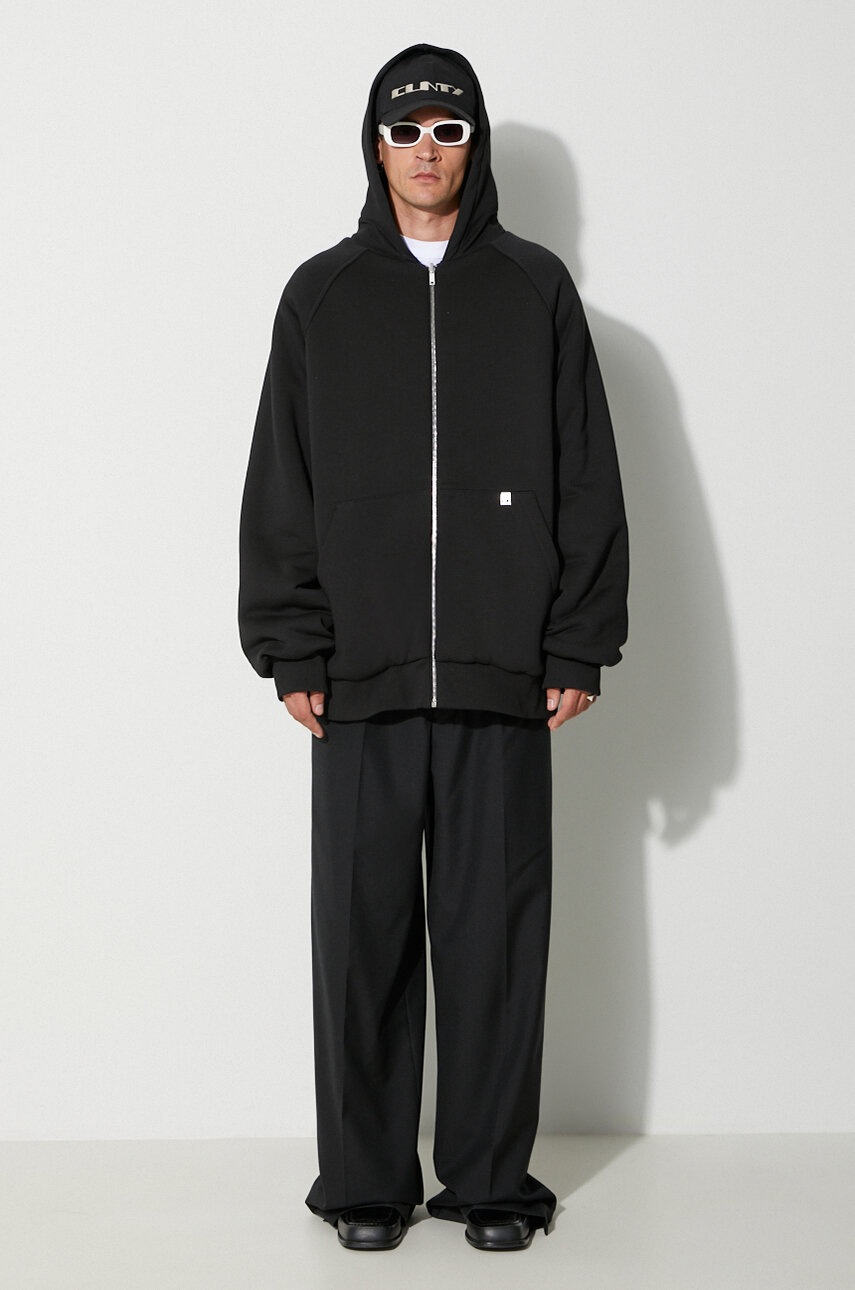
Business model and sustainable innovation
The fashion industry faces a massive overproduction problem. That’s no secret. According to the latest data, global losses due to textile waste have already reached $1.9 trillion per year. That’s a staggering amount, isn’t it?
ALYX decided to take a different approach. Instead of mass-producing and hoping everything sells, the brand chose a “Made in Italy” model with a very specific strategy. Manufacturing in northern Italy gives them something most competitors lack—full control over quality and the ability to quickly respond to shifts in demand.
This isn’t just marketing. The Italian production model allowed the brand to cut unsold inventory by 30%. Why? Because when your factories are close by, you can produce smaller batches, test the market, and adapt on the fly. There’s no need to guess what will be in style six months from now.
But that’s just the beginning. ALYX is now implementing AI-powered virtual fitting rooms. It sounds futuristic, but the results are very tangible. A 10 percentage point drop in returns is a significant difference in an industry where returns are a real plague.
Here’s how the technology works: it scans the customer’s silhouette, analyzes the cut of the garment, and predicts how it will fit. It’s not perfect, but it’s far better than guessing based on photos. Fewer returns mean less shipping, less waste, and less frustration.
But perhaps the most intriguing is the blockchain pilot. ALYX is testing the tokenization of its collections, starting with a limited series for 2025. Each piece will receive a digital certificate of authenticity. That means you can track its history from design, through production, all the way to sale.
- Technology: Blockchain for product tokenization
- Goal: Supply chain transparency and combating counterfeits
- Effect: Full control over authenticity and origin
It might seem unnecessary, but in the luxury industry, authenticity is everything. And blockchain offers even more—it allows customers to see where their garment comes from, who made it, and what materials were used. This is a level of transparency that simply didn’t exist before.
Fun fact—initially, ALYX considered manufacturing in Asia, like most brands. But after analyzing total costs, including transport and the risk of overproduction, the Italian model turned out to be more profitable. Sometimes, traditional solutions are the best.
All these innovations share a single goal—to combine luxury with responsibility. That’s no easy feat. Luxury brand customers crave exclusivity, but more and more of them are also concerned about environmental impact. ALYX aims to give them both.
The results are already visible. The brand has not only reduced waste, but also built customer loyalty among those who value transparency. In an industry where image means everything, that’s a huge competitive advantage.
These operational changes are the foundation for the brand’s future growth. Without them, even the best designs and marketing campaigns wouldn’t make sense.
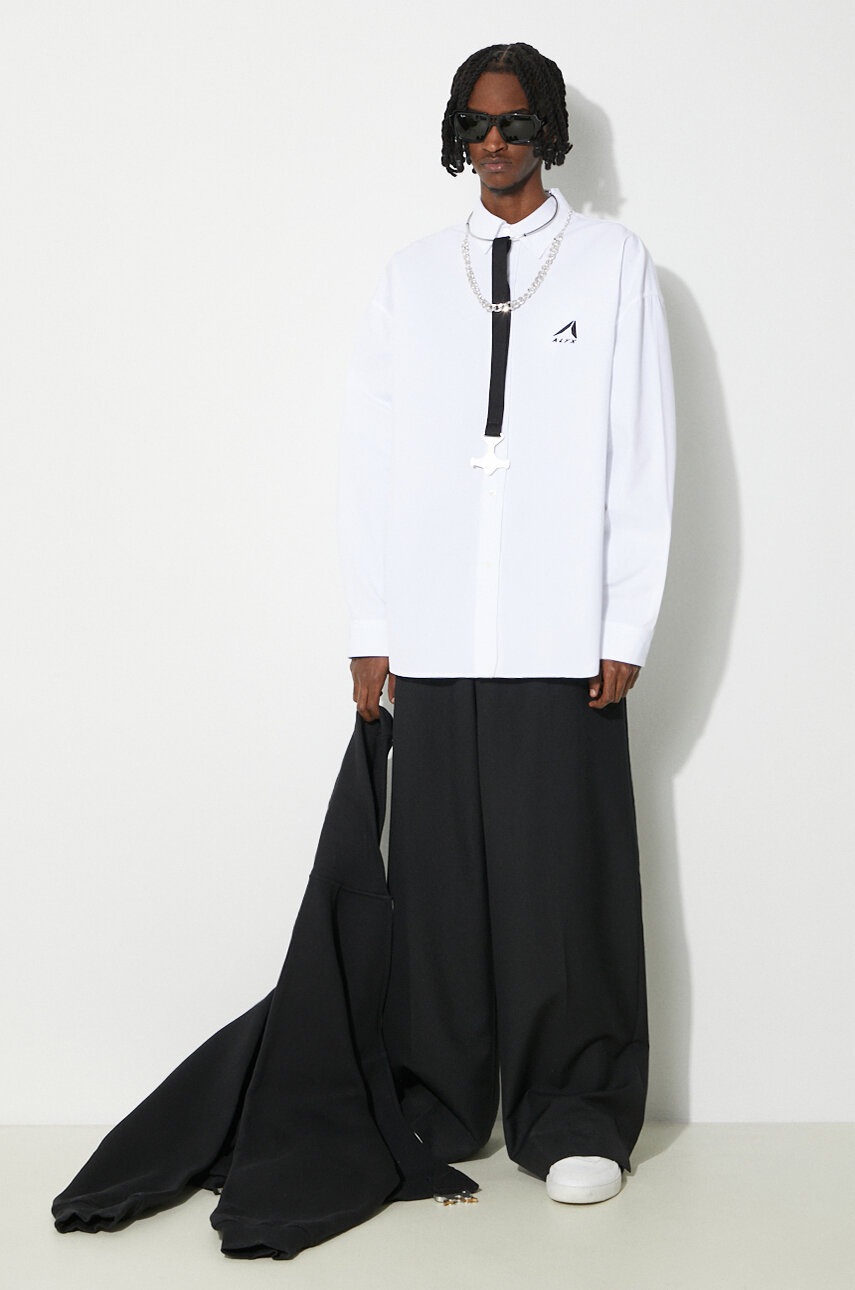
What’s next – how is 1017 ALYX 9SM setting the trends?
There’s no denying that 1017 ALYX 9SM has transformed the way we think about luxury in fashion. This brand has offered us more than just clothing—it’s given us a vision of the future, where technology and style go hand in hand.
Worth remembering:
• Hardware + software = a new definition of luxury
• AI in fashion could be worth $7 trillion by 2030
• Personalization will become the key to survival
I look at what’s happening in the industry right now and I clearly see three lessons every one of us should take note of. First—integrating technology can’t just be a gimmick. ALYX has shown that hardware and software need to work together seamlessly. Second, sustainability is no longer an option—it’s a necessity. And third, personalization is no longer a luxury; it’s becoming the standard.
Experts predict that artificial intelligence could generate up to $7 trillion in value for the fashion industry by 2030. That may sound abstract, but ALYX is already testing AI solutions in design and production. I believe this is just the beginning of the revolution.
What can we do today? First – start monitoring blockchain in fashion. Second – try out virtual fittings, even if they seem odd. Third – follow brands that connect physical products with apps. Fourth – watch how major fashion houses invest in NFTs and the metaverse. Fifth – experiment with personalized services, even on a small scale.
The future of fashion is already happening, and we can be a part of it – all it takes is to stop being afraid of experimentation.
XE XE MI
style editor
High Class Fashion