
Table of Contents
- Why does the Adidas Oaxaca Slip-On spark so much excitement?
- What is this model? Design, specifications, and market positioning
- Controversy Surrounding “Oaxaca” – Allegations, Responses, Consequences
- What can you do as a consumer? Everyday choices: purchasing, authenticity, and ethics
In the week between August 7 and August 11, 2025, the fashion world was swept by a wave of accusations, apologies, and heated debates surrounding a single shoe model. The Adidas Oaxaca Slip-On—seemingly just an ordinary laceless shoe—became the symbol of a much bigger issue.
Why does the Adidas Oaxaca Slip-On spark so much excitement?
The name says it all. This is a slip-on model from the Originals collection, created in collaboration with designer Willy Chavarria. No laces, distinctly lifestyle-oriented, fitting perfectly into the trend of comfortable urban footwear. Nothing extraordinary at first glance.
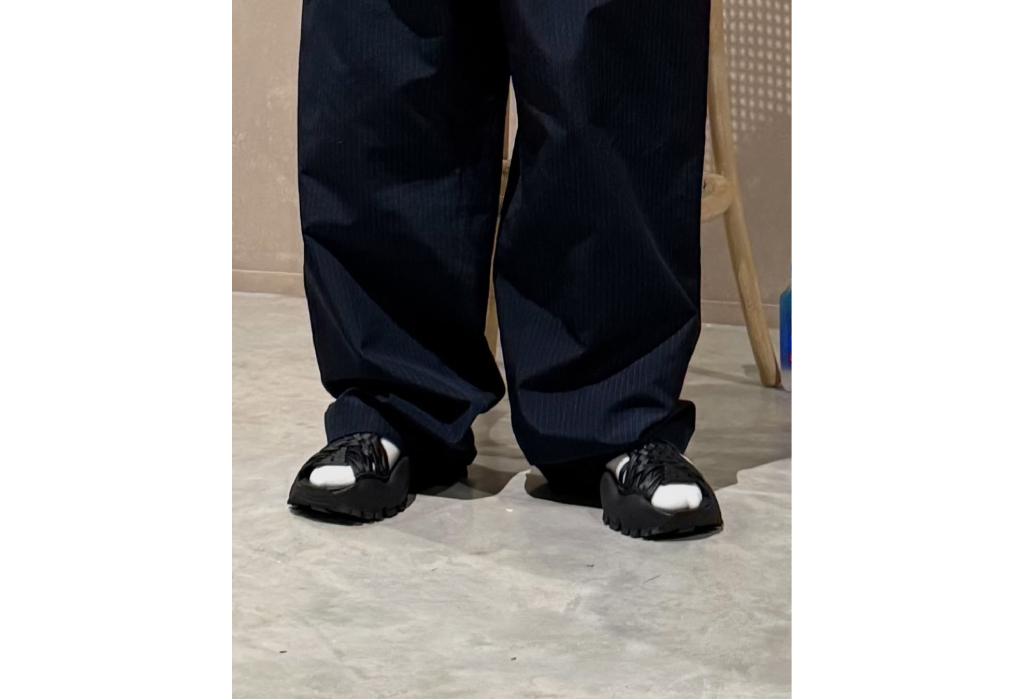
Everything changed on August 7, 2025. The authorities of the Mexican state of Oaxaca officially accused Adidas of cultural appropriation of traditional Zapotec patterns. The case quickly spread across social media and industry websites. Four days later, on August 11, both Adidas and Chavarría issued official apologies.
Why now?
- 07.08.2025: The authorities of Oaxaca file official charges
- 11.08.2025: Apology from Adidas and Willy Chavarría
The whole situation reveals more than just one company’s problem. It’s a clash between global fashion and local traditions. Between inspiration and appropriation. Brands like Adidas now have to navigate an increasingly complex world, where every design element can be scrutinized from an ethical perspective.
The stakes are high. A reputation built over decades can be damaged within days of a media storm. Consumers—especially younger ones—are increasingly voting with their wallets for brands they consider ethical.
The Oaxaca Slip-On case is a perfect example of how contemporary fashion balances on the edge between cultural exchange and exploitation. How thin is the line between tribute and theft? Who decides what is acceptable?
In the following section, we will take a closer look at the model itself—its design, price, and place within the Adidas portfolio. We will also analyze the details of the controversy and the reactions from various parties. Finally, we will try to answer a question that concerns many consumers: how can you make informed purchasing decisions in such situations?
The story of the Oaxaca Slip-On is just beginning. Let’s take a look at what lies behind this seemingly simple shoe.
What model is this? Design, specifications, and market positioning
At first glance, it looks like an ordinary slip-on—no laces, with elastic side panels. But the devil is in the details.
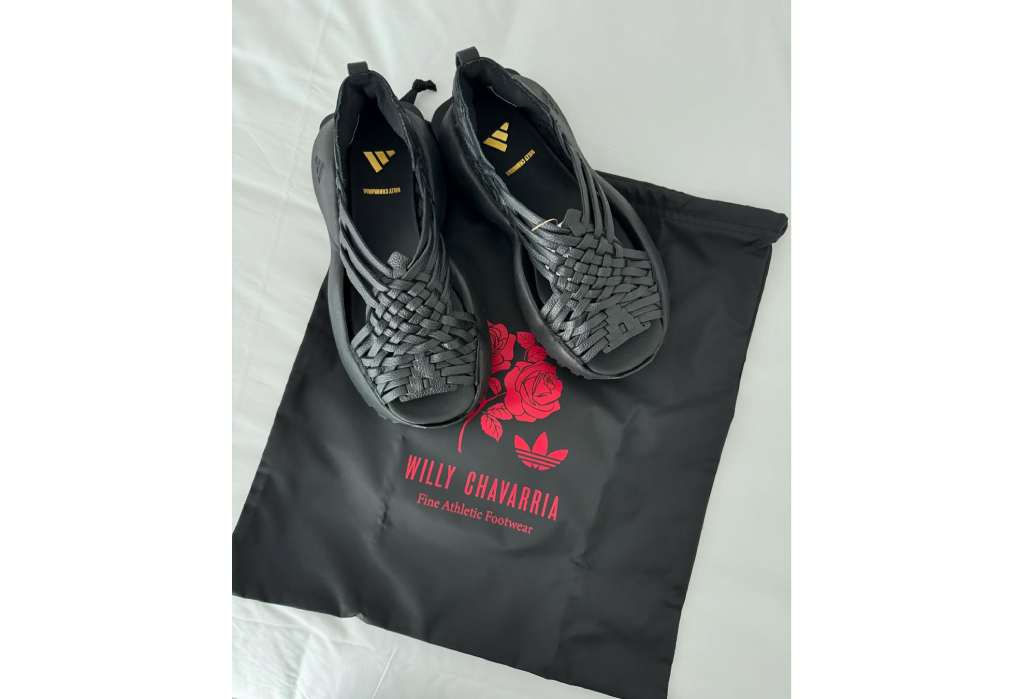
The construction appears to be standard for the Originals line. The upper is likely made from a blend of textiles and synthetic materials, similar to other casual models in this series. Adidas hasn’t released the full specifications, so we’re relying on comparisons—it’s reasonable to expect mesh elements for breathability and EVA inserts in the midsole. A rubber outsole is a given.
Slip-on means comfort. You just slide your foot in and go. Elastic panels replace laces, adapting to the shape of your foot. This solution has been proven in hundreds of other models—nothing revolutionary from a technical standpoint.
Specification at a glance:
- Slip-on construction with elastic panels
- Textile-synthetic upper (presumably)
- Rubber sole with EVA elements
- Unisex sizing
- Lifestyle positioning, not performance
Color options included black, white, red, and green. Each one was designed to feature motifs inspired by Oaxacan culture—embroidery or prints referencing local traditions. The graphic details remain a mystery, as the model quickly disappeared from official channels.
Positioning? Classic Originals—casual, designed for everyday wear. Don’t expect boost technology or other performance features here. This is a shoe for the city, for work, for a walk. Unisex, so standard sizing for both men and women.
Price and availability
- Price: 400-600 PLN (approx. 100-150 €)
- Status: limited edition
- Online availability: virtually nonexistent after the controversy erupted
Limited edition by definition meant small production runs. The price was set in the mid-range of the Originals collection—more expensive than the basic models, but more affordable than the flagship designer collaborations.
Online availability dropped to zero almost instantly. Stores withdrew the offer, and links led nowhere. Some pieces may have reached brick-and-mortar stores, but that’s just speculation.
Ironically, the very aesthetics that were once the model’s greatest asset became the source of its problems. The motifs intended to celebrate Oaxacan culture turned into the focal point of an international dispute.
Controversy Surrounding “Oaxaca” – Allegations, Responses, Consequences
What exactly happened with the “Oaxaca” collection? The controversy erupted in just a few days and showed how quickly a brand’s reputation can fall apart.
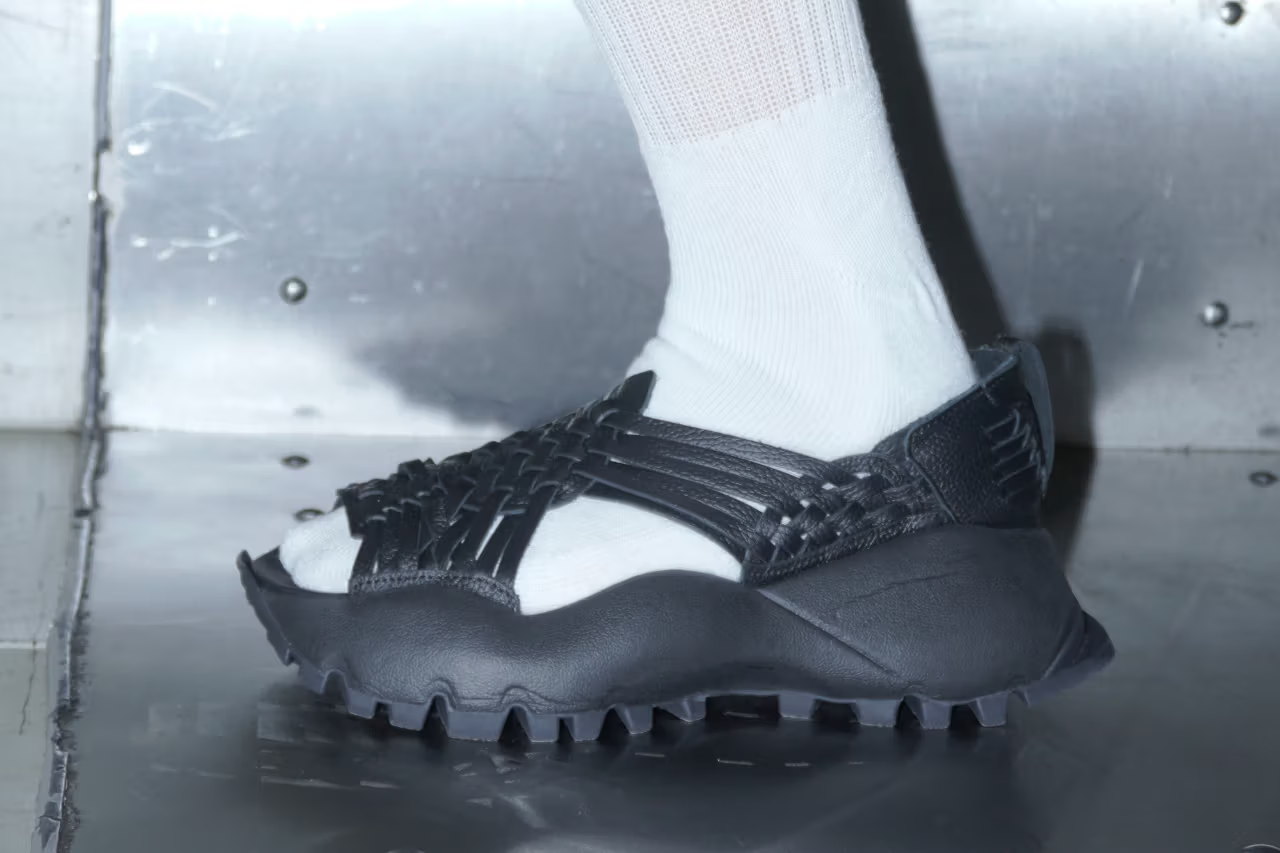
Event timeline:
– 08/07/2025 – The authorities of the state of Oaxaca issue an official statement with allegations against Adidas and Willy Chavarría
– 09.08.2025 – Social media explode, the hashtag #RespectOaxaca gains momentum
– 11.08.2025 – Apology from the designer and the brand, announcement of a “review of processes”
– 13.08.2025 – Limitation of product exposure in selected online stores
The core of the dispute sounds familiar to the fashion industry. The authorities of Oaxaca accused the brand of “commercializing sacred symbols without any consultation with the indigenous community.” This is already the second such scandal this year—earlier, similar accusations were made against another international brand for using Andean patterns.
Chavarría stated: “It was never my intention to offend a culture I admire.” Adidas went further, declaring “full respect for cultural heritage” and announcing consultations with Indigenous culture experts for future projects.
Sounds nice, but is it enough? The market effects are already visible. Several e-commerce platforms have limited the exposure of products from the collection. For now, there is no talk of an official withdrawal—at least, no one has confirmed it publicly.
What we know for sure / What we don’t know
We know: dates of public statements, main allegations, media reactions
We don’t know: scale of financial losses, legal plans of Oaxaca authorities, details of future “consultations”
The problem is that such situations reveal a gap between intentions and reality. A designer may genuinely admire a culture, but does that justify the lack of prior conversations with its representatives?
The reputational risk for Adidas is significant. The brand has recently invested in building an image of a socially responsible company. Now it has to prove that this is more than just marketing. The question is how long this story will drag on and whether it will actually lead to systemic changes in the design processes.
As of the time of writing, no legal action has been confirmed. However, public pressure continues.
What can you do as a consumer? Everyday shopping, authenticity, and ethics
You’re facing a purchasing decision and wondering how to make a smart choice? Actually, it’s not that simple, because you need to consider several things at once.
Authenticity check is key when it comes to sneakers—fakes are everywhere. Start with the stitching: originals feature even, precise seams with no loose threads. Next, look at the logos and those iconic three stripes—they should be centered and spaced just right. There should be a serial number on the tongue of the sneakers or on the box; verify it on the brand’s official website. Genuine materials are soft and flexible, not stiff like the ones used in counterfeits. Watch out for odd proportions too—sometimes fakes look a bit “flattened.”
Where to buy when availability is so poor? The official online store is the obvious choice, but the queues can be long. Authorized retailers are the second option—the list is on the brand’s website. The secondary market? Risky. Prices there can be astronomical, and fakes are everywhere. If someone offers a “deal” well below retail price, it’s almost certainly a fake.
What about ethics? You can ask brands whether they consult with local communities—do they actually engage with artists, or are they just copying designs? Inquire about financial compensation for the creators of original projects. Supply chain transparency also matters. An alternative is to choose products made in certified collaboration with artisans—it might not be exactly the same design, but at least you know the money is going to the right people.
Reference price: 400-600 PLN (approximately 100-150 €)
If you see a price below 300 PLN, that should raise a red flag. Originals rarely cost less than that, unless there’s an official promotion. Prices above 800 PLN on the secondary market are excessive—it’s better to wait for the next official sale.
It’s also worth keeping an eye on the brand’s statements and the community’s reactions. Sometimes new information emerges about collaborations or changes in design approach. The artists’ social media channels can also offer clues about how they themselves are responding to the whole situation.
Nadia
High Class Fashion editor