
Cotton is one of the most important and most commonly used natural raw materials in the textile industry. It undoubtedly has many advantages, but for several years its harmful effects on the climate have been pointed out. However, it may be possible to help in this regard australian cotton revolution. And more honestly, a pioneering venture in Australia that is able to offer a new solution to cotton farming. It has the potential to change the landscape for international farmers and supply chains.
Cotton and the environment
Cotton – nature’s silk, whose beauty and versatility adorn our daily lives. Its naturalness and breathable properties provide comfort in various conditions, making it irreplaceable in the field of fashion and textiles. However, although it is a material that combines comfort with elegance, we cannot remain indifferent to its impact on our fragile environment. Why is that?
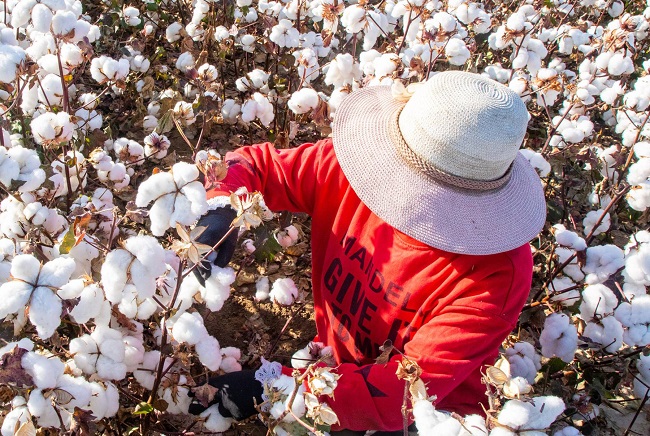
source: textiletoday.com
Cotton production is fraught with complex environmental issues. The main challenge is huge water consumption, which accompanies cultivation. It takes thousands of liters of water to produce a single cotton T-shirt, which can contribute to water stress in areas where cotton is grown. Additionally, the use of chemicals such as pesticides and fertilizers can contaminate the soil, causing long-term damage to ecosystems. And untreated water from the cotton production process can lead to water eutrophication, i.e. excessive algae growth and cyanobacterial blooms.
The Cotton Revolution as an Attempt to Save the Industry
This is certainly not the first initiative undertaken in this area. For years, there has been talk of implementing modern technologies, ecological certifications, or application alternative textile raw materials, such as flax or bamboo. But this project is unique. As part of a strategic partnership between Hiringa Energy, a pioneering green hydrogen company, and Sundown Pastoral Co., an agricultural and pastoral enterprise, the Australian state of New South Wales (NSW) has allocated almost $36 million to finance a new cotton initiative.
What does this potential cotton revolution involve? An inseparable part of this initiative is an innovative way of creating ecological hydrogen. We are talking about the process and use electrolysis, in which renewable electricity is used to split water into oxygen and hydrogen. This method, free of CO2 emissions is a breakthrough in sustainable energy production. An additional advantage is the production of low-emission ammonia, which itself has the potential to be used as a fertilizer in agriculture.
The effects of this project will undoubtedly be significant: the hydrogen produced has the potential to replace over 1.4 million liters of imported diesel fuel, which translates into direct reduction of CO2 emissions by over 17,000 tonnes. These numbers outweigh any other alternatives presented to date. This project not only underlines Australia’s commitment to supporting climate, but also effectively paves the way for a new era of sustainable cotton production worldwide.