
Do you remember the scent of wet leaves on the platform? That moment when autumn steps into the carriage with you, and yellow trees of the Cours Carrée du Louvre flash by outside the window. The clatter of wheels on the tracks sounds like the rhythm of a new season.
Today, October 22, 2025, luxury fashion enters its most magical time of year. Louis Vuitton knows this better than anyone. Autumn isn’t just about changing your wardrobe—it’s about changing the way you think about travel, about style, about who you want to become.
Louis Vuitton Autumn Inspirations 2025 – the journey begins in your mind
This isn’t about another advertising campaign or a seasonal collection. It’s about something bigger. It’s about the moment when tradition meets what we need today. When a suitcase stops being just a container for clothes and becomes a symbol of where we’re headed.
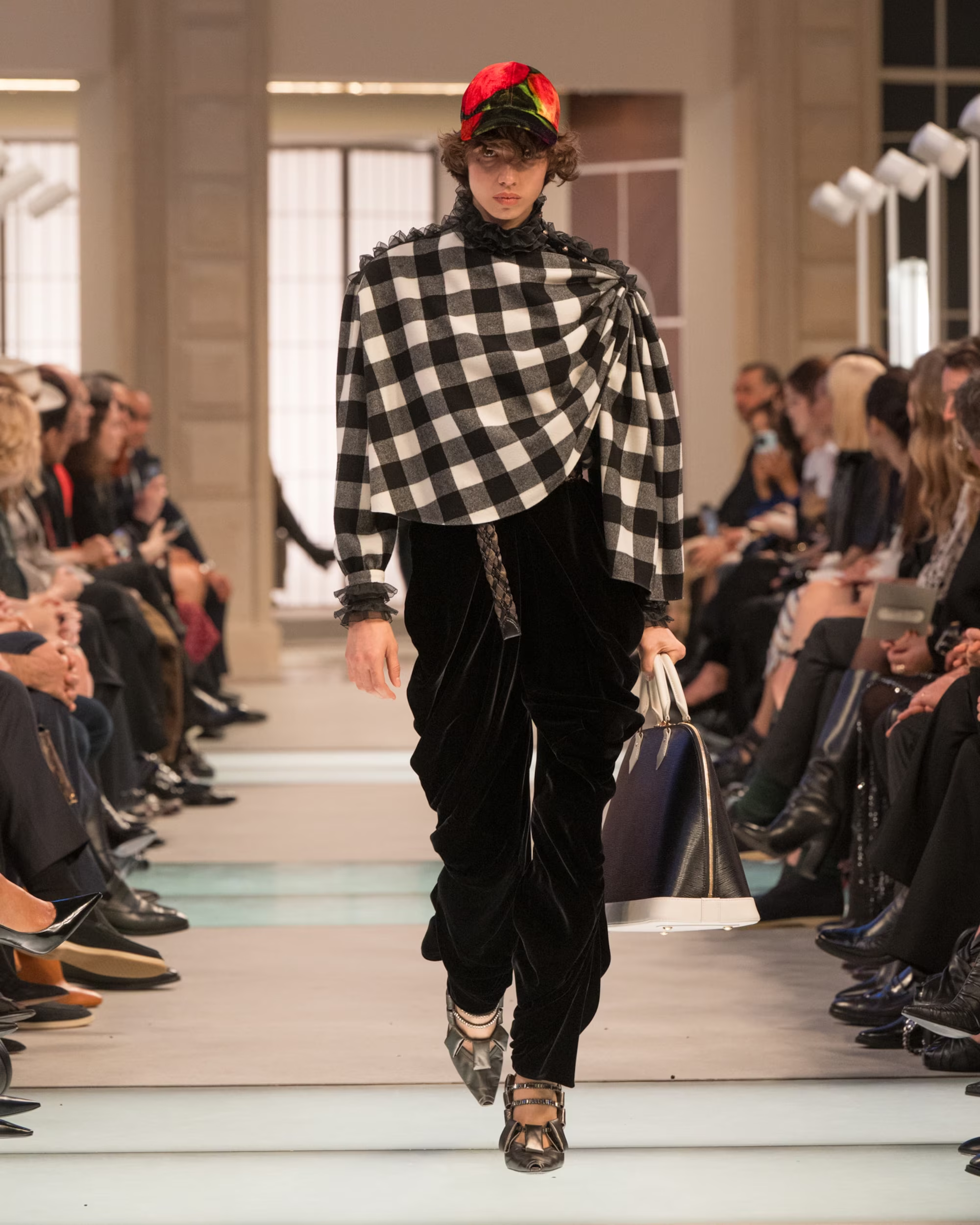
Fall 2025 at Louis Vuitton is a story about a journey that begins in the mind, long before we ever buy a ticket.
Sometimes I think the best things in fashion happen when no one expects them. When a brand that’s been around for generations suddenly shows us something we’ve never seen before. But to understand that, we have to go back to the beginning. To the moment when it all started.
Heritage and Evolution: From Trunks of 1854 to Inspirations for 2025
I’ve always been fascinated by how some brands manage to endure for over 170 years. Louis Vuitton is probably the best example of such continuity.
| Year | Event |
|---|---|
| 1854 | The founding of the atelier by Louis Vuitton in Paris |
| 1896 | Introduction of the LV monogram |
| 1987 | Merger with Moët & Chandon, creation of LVMH |
| 1997 | Marc Jacobs becomes the artistic director |
| 2003 | Collaboration with Takashi Murakami |
| 2013 | Nicolas Ghesquière takes the helm |
| 2023 | Pharrell Williams as creative director |
It all started with a simple problem—luggage. Louis Vuitton invented the waterproof Trianon canvas and flat trunks that could be stacked. It sounds basic now, but back then it was revolutionary. People traveled by train and ship. They needed something that could withstand the journey.
The real breakthrough came with Marc Jacobs in 1997. He completely turned the house upside down. I still remember the buzz around the colorful Murakami bags in 2003. A friend of mine bought the white one with the colorful logos—it cost a fortune, but she carried it everywhere. Jacobs proved that luxury could be fun, youthful, a little bit wild.
Then Ghesquière arrived and everything changed again. A more architectural approach, futurism blending with tradition. And now we have Pharrell—a totally different energy, a new perspective on what Louis Vuitton can be.
Interestingly, the merger with LVMH in 1987 was the moment when the brand truly set out to conquer the world. Not just Europe, but Asia, the Americas. Those brown monograms everywhere.
But you know what? Despite all these changes, one thing has always stayed the same. That obsession with travel. It didn’t matter if it was trunks for the Orient Express or today’s bags for a weekend trip to Berlin. Louis Vuitton has always been about movement, about where we’re headed.
And that’s exactly why the Fall 2025 collection makes so much sense. It wasn’t created in a vacuum—it’s the next chapter in the same story that began in 1854 in a small atelier.
Now that we know the roots, let’s look at the modern creations and see how this long tradition is reflected in the latest designs…
The artistry of the women’s collection: silhouettes, fabrics, and motifs 2025
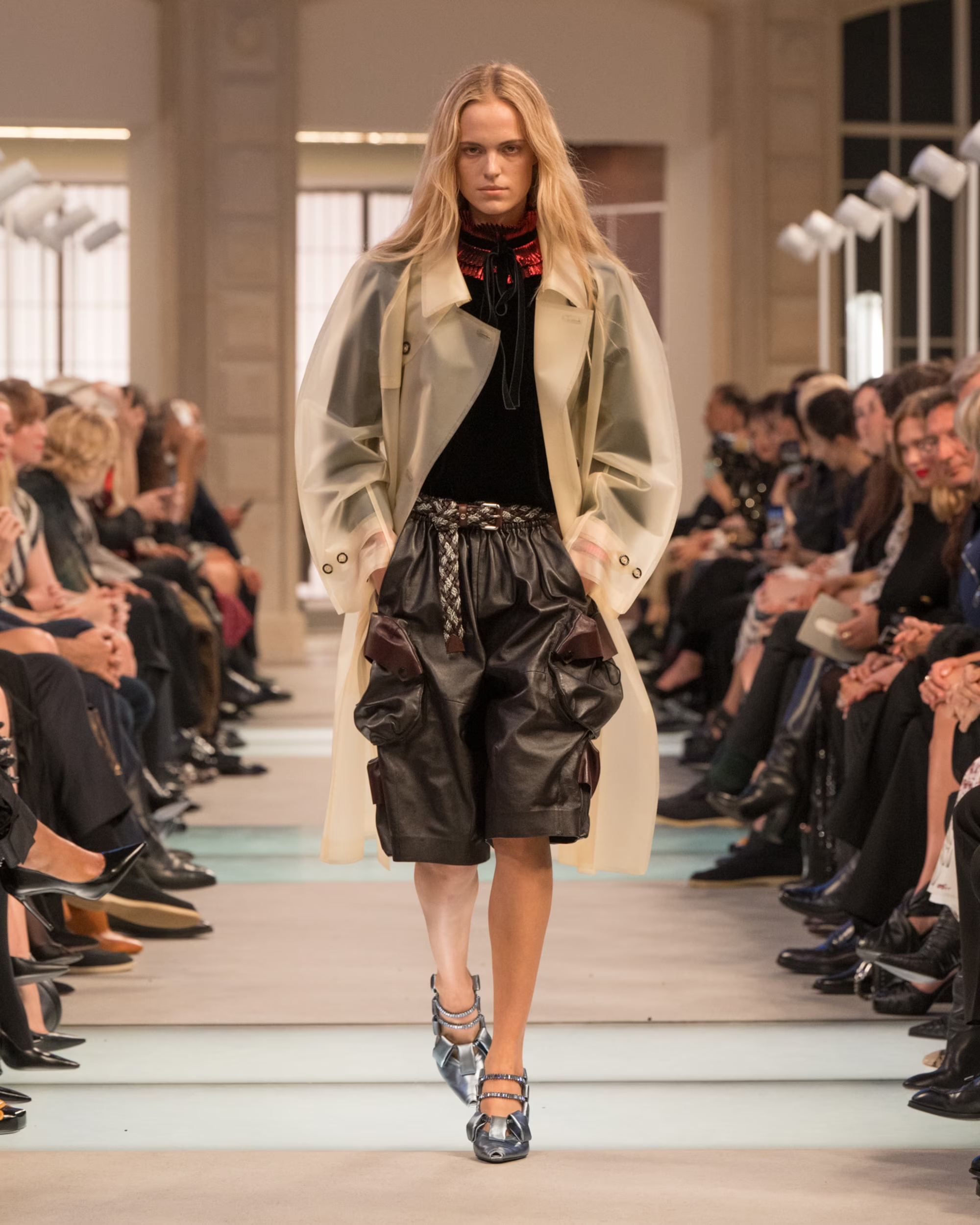
I still remember that March trip to Paris. Gare du Nord station was unrecognizable—Louis Vuitton had prepared something truly extraordinary there for the women’s Fall-Winter 2025 show.
The set design was… well, it’s hard to describe. Picture platforms draped in organza the colors of a sunset. Suitcases and trunks everywhere, as if someone had just returned from a long journey through the ages. Models walked between real train carriages, their dresses billowing like mist.
Runway facts 1. The show was watched by 2.3 million viewers online in the first 24 hours 2. Over 150 meters of silk organza in shades of gold and silver were used 3. Each dress in the collection featured an average of 40 hours of hand embroidery
The silhouettes felt strangely familiar and alien at the same time. Those silk slip dresses —they looked like something an aristocrat might have worn in the twenties, yet they felt utterly contemporary. The cuts were simple, but the fabrics… oh, the fabrics were pure poetry.
The organza had something cosmic about it. Literally. As the models moved, the fabric caught the light like stars. And those embroidered floral motifs—they weren’t sweet or naive. On the contrary, they had a rawness to them, as if flowers were growing out of concrete.
The contrasts were the most fascinating part. On one hand, that whole vintage travel aesthetic—travel motifs, Renaissance-inspired embellishments on coat lapels, patina on metal details. On the other, this futuristic fluidity of the cuts. The dresses seemed to have no beginning or end, simply flowing over the body.
Those new Petite Malle Blade bag variations—wow. The metallic hardware reminded me of the wind-worn edges of an old trunk, but crafted with a technique that hasn’t even been invented yet. Sounds strange? Because it was strange. And beautiful.
I think the designers were consciously playing with time. Past, future—all in one place. Like a train station, where people from different places and eras meet. This collection was about a journey not just through space, but through time.
The materials were a story in themselves. The silks had a texture I’d never seen before. As if they’d been woven on special looms. And those embroideries—they weren’t flat, they had depth, dimension. Sometimes I think this isn’t just fashion anymore, it’s applied art.
Looking at all these elements together, I see a certain philosophy. Elegance doesn’t have to be rigid. Luxury can be fluid. And tradition… tradition can look to the future.
In fact, those bags were a bridge between eras. Classic forms in a modern execution.
Iconic accessories: handbags, accessories and Artycapucines VII
Yesterday, I was standing at Central Station, watching a woman with a classic Louis Vuitton bag. I thought to myself—this is the true power of accessories: they can transform an entire outfit. And that’s exactly what I wanted to write about, because autumn 2025 has brought some truly interesting things.
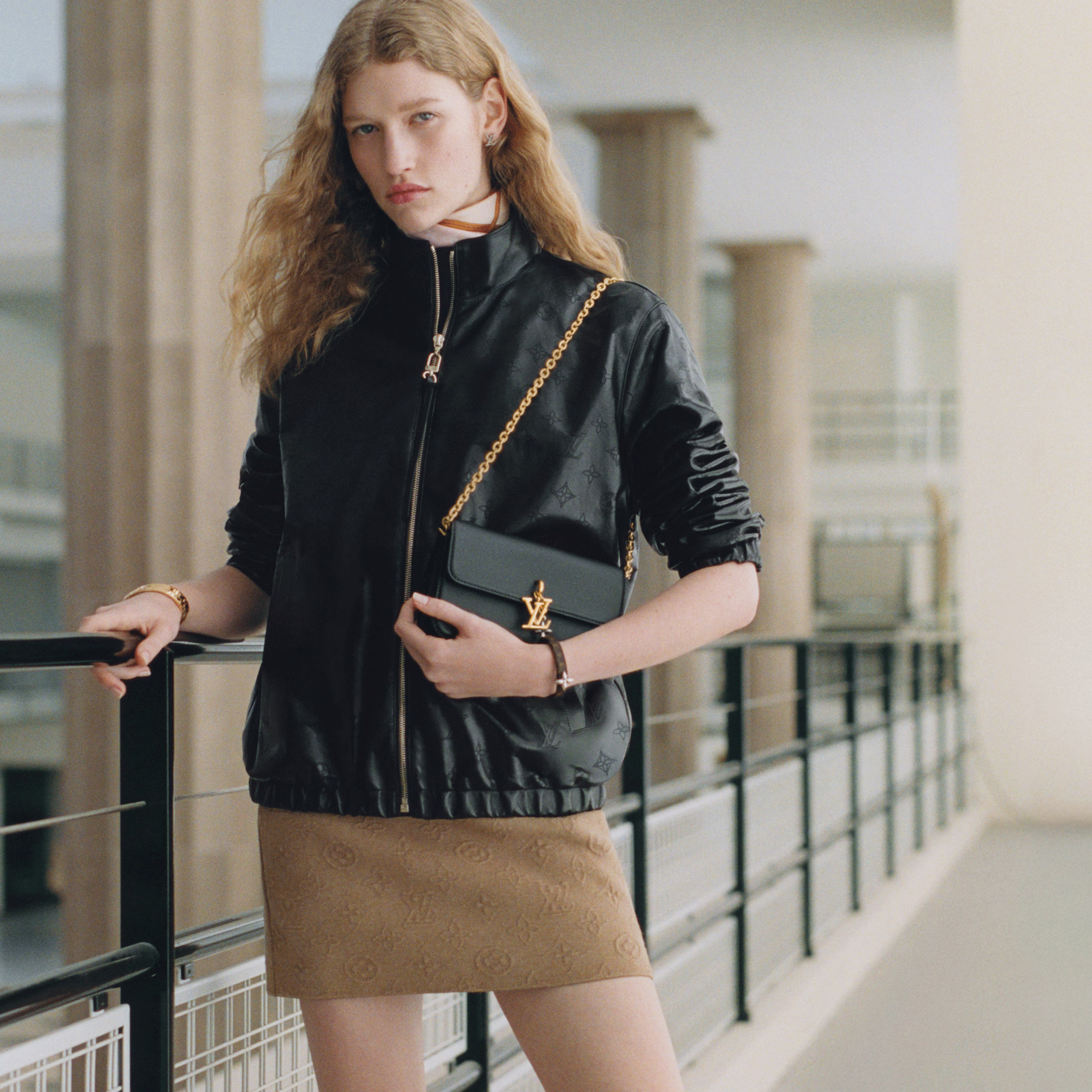
Artycapucines VII launches on 21.10.2025 in collaboration with Takashi Murakami. This is already the seventh edition of the series, and honestly, I didn’t expect Murakami to return. “I want each bag to tell a story of a journey through different cultures,” the artist said during the presentation. And you can really see it in the details—his signature flowers blend with the fashion house’s classic elements.
LV Rider is a completely different story. Here, functionality takes center stage, though artistry also has its place. The bag features practical pockets for your phone and documents, but at the same time, those hand-painted leather details really stand out. It feels a bit like a crossover between the world of streetwear and haute couture.
The evolution of Petite Malle is fascinating—I’ve been following it from the very beginning:
| Model | Year of debut | Autumn 2025 features |
|---|---|---|
| Petite Malle Classic | 2014 | Basic trunk shape |
| Petite Malle Epi | 2019 | Textured leather |
| Petite Malle Blade | 2025 | Metal accents, sharp lines |
The 2025 Blade variant is essentially an entirely new product. Those metal elements give it a futuristic vibe, yet the trunk still pays homage to the brand’s travel heritage.
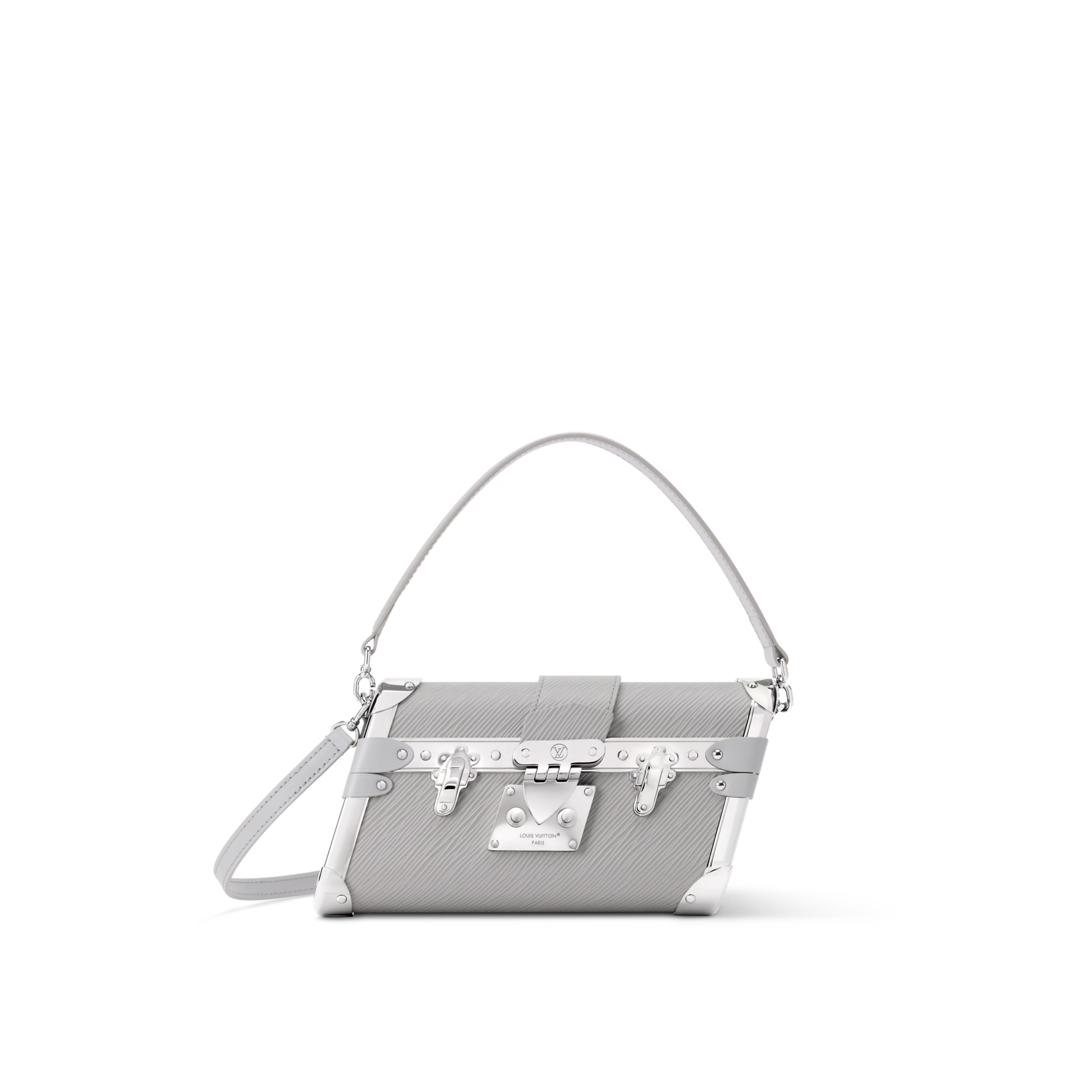
That’s exactly what these accessories are about—the travel motif is everywhere. Not just in the trunk- or suitcase-inspired shapes. The materials emphasize it too. Leather with natural marks, as if it’s traveled across different countries. Buckles reminiscent of vintage railway luggage fastenings. Even the colors—those faded browns and beiges are straight from old travel maps.
All these details come together to create a cohesive narrative. Louis Vuitton doesn’t just make handbags—it crafts tools for building your own travel story. And that’s why every season brings something fresh, yet always rooted in the brand’s heritage.
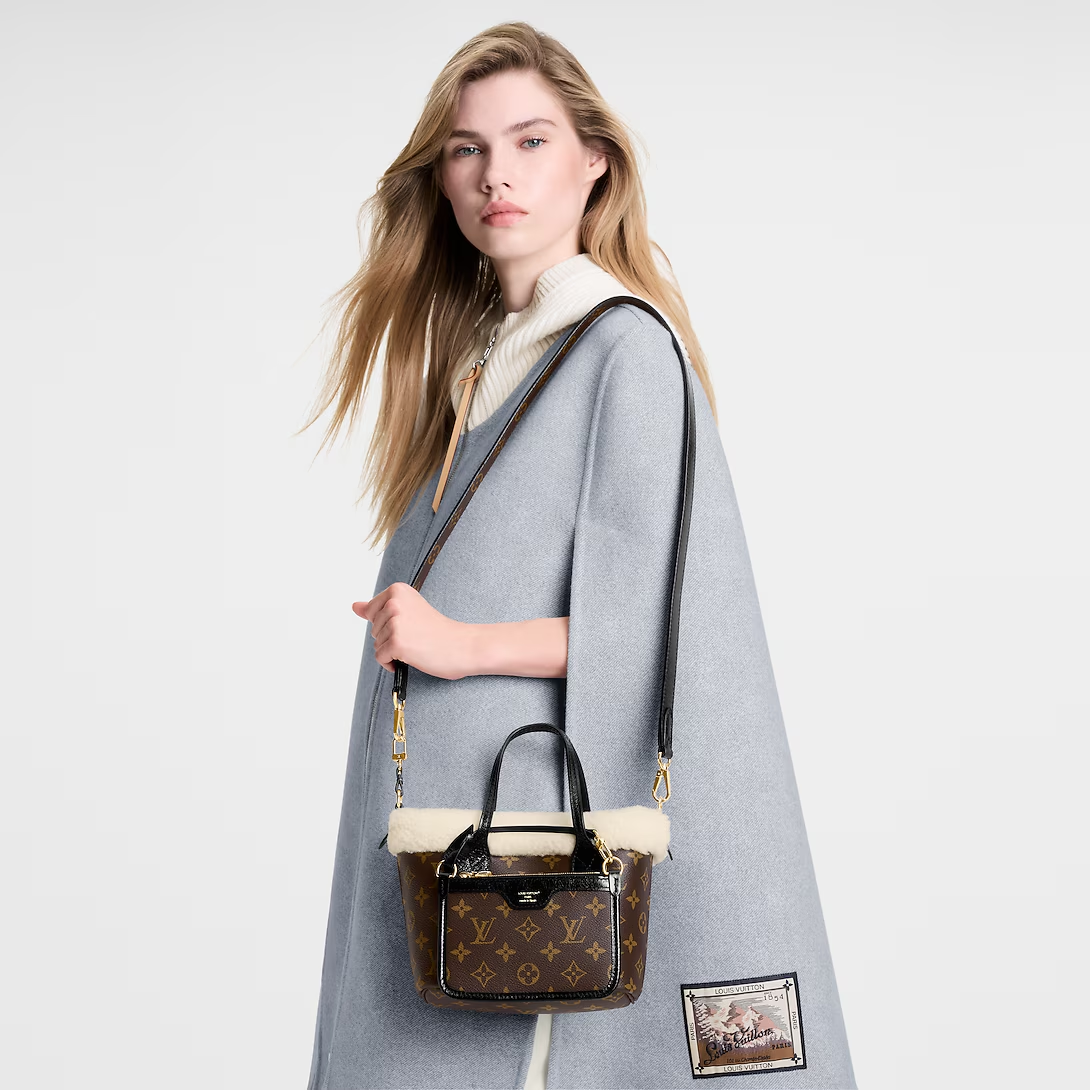
Of course, we can’t forget how these beautiful products impact the environment and what consequences this has for the brand’s overall strategy.
Sustainable luxury and financial performance: where ecology meets profitability
I’ve just reviewed the latest financial data from LVMH, and I have to admit, these numbers are impressive. But it’s not just about how high they are—it’s about how the company is putting those profits to use.
I still remember the criticism from 2021, when Gen Z openly called out luxury fashion for its lack of genuine environmental action. Young customers were saying outright: “A logo isn’t enough anymore—we want to know how you’re making our clothes.” That was a turning point.
Louis Vuitton clearly took that criticism to heart. In the Fall 2025 collection, I’m seeing real changes in their approach to materials. Eco-leathers are no longer an experiment—they’re the new standard for bags. Recycled cotton is showing up in scarves and shawls. These aren’t just marketing slogans—these are real changes in the production process.
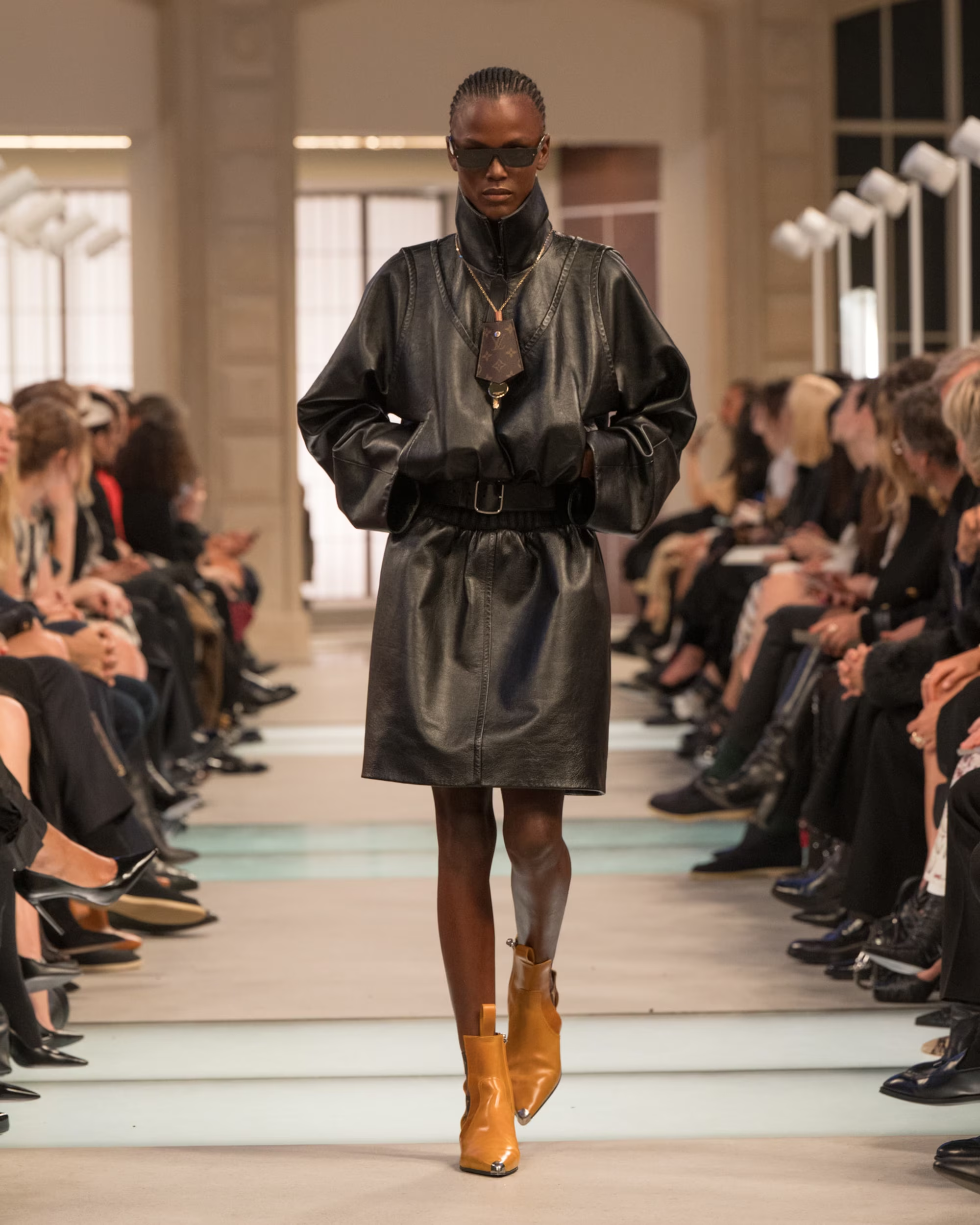
What I find intriguing is how these sustainable solutions impact the profit margin. At first, I thought sustainability was simply an extra cost. But looking at these revenues… maybe it’s different? Maybe customers are willing to pay more for products that don’t weigh on their conscience?
Annual revenues of nearly 85 billion euros give LVMH a real opportunity to invest in green technologies. This isn’t a situation where the company has to choose between profit and ecology. This money enables research into new materials, factory modernization, and better recycling processes.
It’s also interesting how this strategy shapes the brand’s image. Louis Vuitton is no longer seen solely as a status symbol. It’s also becoming a symbol of responsible consumption. And that translates into a strong presence on social media and in popular culture.
Pop culture on the red carpet: autumn 2025 through the lens of the media
Actually, I still can’t believe how much that one evening in October changed the way fashion is perceived on social media. I’m talking about the Academy Museum Gala on October 19, 2025.
I remember scrolling through X that night, with new red carpet photos popping up every few minutes. The list of ambassadors was truly impressive:
- Renate Reinsve in a creation by Nicolas Ghesquière
- Odessa Young in a custom look by Pharrell Williams
- Jaden Smith in a surprising outfit that later went viral
- A few other celebrities whose names I can’t remember anymore
What surprised me was the scale of the online response. Data from platform X shows numbers that exceeded my wildest expectations:
Data from platform X (Twitter):
- FW2025 post views: 121,543
- Likes: 10,262
- Shares: incomplete data, but estimated at around 3,000
Nicolas Ghesquière and Pharrell Williams truly showcased their class with their custom looks. Ghesquière created something for Reinsve that looked like a sculpture, yet was comfortable enough to walk in. Williams took a completely different approach—his creation for Young was more streetwear-inspired, but finished with a touch of luxury.
Pop culture experts I spoke to later pointed out one thing. Traditional media focused on describing the outfits, technical details, and the history of fashion houses. Meanwhile, online engagement was completely different—people commented on emotions, made memes, and compared the looks to movie characters.
“This was the first gala where I felt that fashion truly became democratic,” one fashion influencer told me. And she was probably right.
Jaden Smith’s look sparked a wave of reactions that lasted for a week after the gala. His outfit was commented on by hundreds of users who created their own interpretations of what he was wearing.
It’s interesting to see how all of this will influence what we wear in the coming years.
What’s next? Trends, forecasts, and innovations after the Fall 2025 season
I imagine a scene from a Louis Vuitton show in 2026. Guests are no longer seated in rows—they’re standing, wearing AR glasses, watching models appear literally right in front of them. This isn’t a fantasy; it’s the direction luxury is heading.
A new era of artistic collaborations
The success of the collaboration with Takashi Murakami opened a door that no one will close again. I can see Louis Vuitton seeking new partners—not just among renowned artists, but also among young creators from TikTok and Instagram.
“Artistic collaborations will become the main driver of sales growth in the luxury segment”, predict analysts from the Fashion Forward Institute. It makes sense. Young people buy stories, not just products.
I’m also noticing another trend—digital artists. NFT may no longer sound as exciting as it once did, but blockchain technology for authenticating luxury handbags? That makes sense.
Technology is rewriting the rules of storytelling
Show livestreams are no longer enough. Louis Vuitton is already experimenting with virtual boutiques where you can “touch” the leather through haptic feedback. It sounds strange, but it works.
AR shopping will change everything. Instead of traveling to Paris to see the new collection, you’ll open an app and a hologram of the bag will appear on your table. It won’t replace the physical experience, but it democratizes access to the brand.
Pressure from Gen Z for eco-friendly materials
Young customers no longer buy something just because it’s “pretty.” They want to know where the leather comes from, how the metal in the buckles was produced, and whether the workers had fair working conditions.
Louis Vuitton has to answer these questions. I see them investing in lab-grown leather, recycled metals, even mushroom-based materials. This isn’t just marketing—it’s a necessity. Gen Z has money and isn’t shy about spending it, but only on brands that align with their values.
Growth despite economic challenges
The luxury paradox – the worse the economic situation, the stronger people’s desire for status symbols. “We expect continued growth despite the unfavorable economic environment” – that’s what industry reports say.
It’s about aspirations. People cut back on everyday expenses, but they don’t give up on their dreams. Louis Vuitton knows this and will expand installment payment programs and luxury bag leasing.
A graphic here would show a timeline of trends: 2026 – AR shopping, 2027 – bio-materials go mainstream, 2028 – AI personalization, 2029 – fully sustainable luxury.
These changes are already underway. The question is – can traditional fashion houses keep up with the pace set by technology and environmental awareness?
Get inspired and hit the road: your guide to autumn 2025
The clocks at the stations are ticking in their own rhythm again, and I look at autumn 2025 like a map I’ve just spread out on the table. Louis Vuitton didn’t give us an ordinary collection – he gave us an instruction manual for a world in flux.
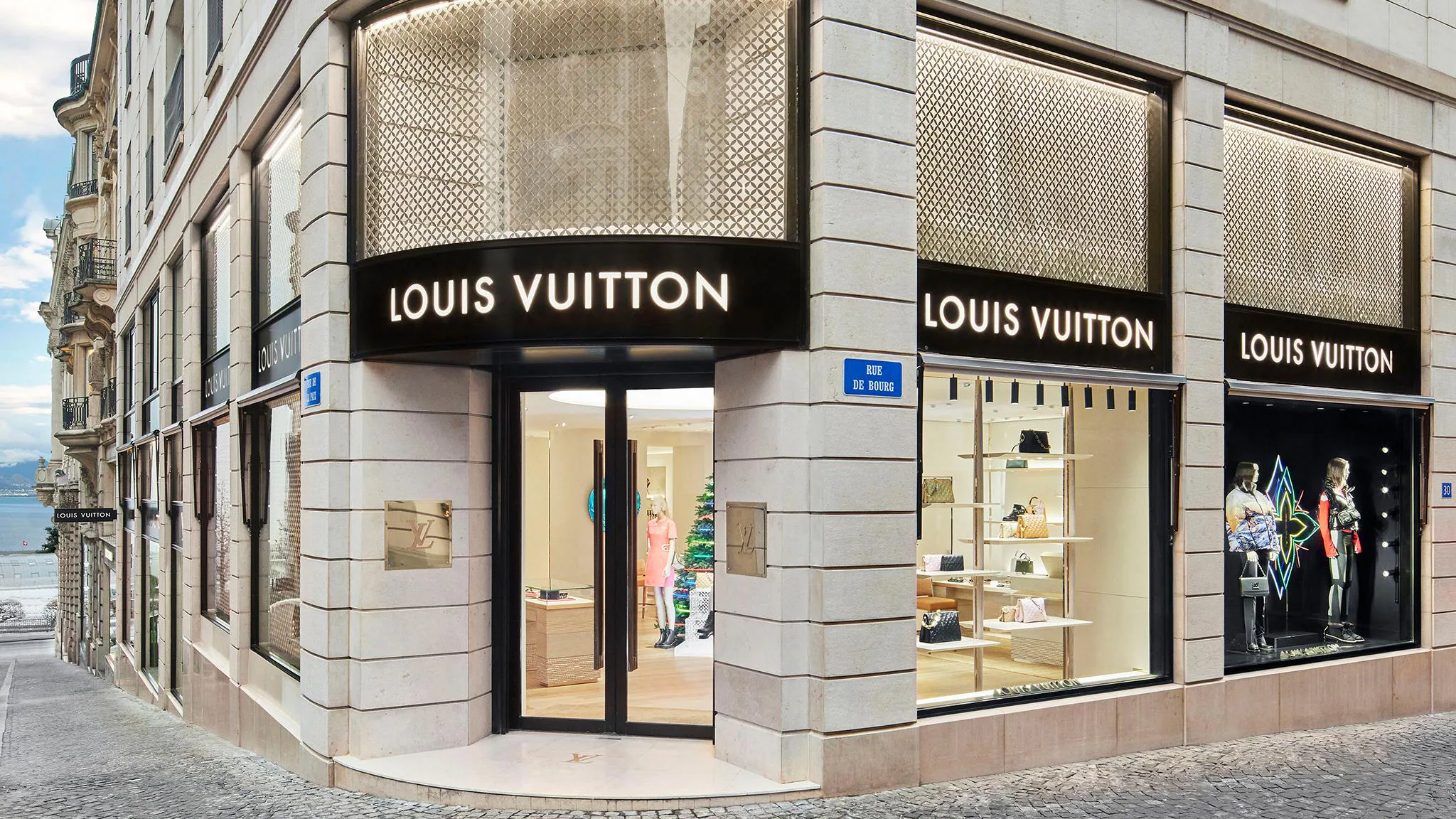
Three things stick with me after all this. First, heritage isn’t a museum. It’s something alive, breathing alongside us. I see it in every bag, in every detail—the story doesn’t freeze, it transforms.
The second lesson is about design. It’s no longer just about looking pretty. It’s about making sense. About fitting our pace, our choices. Sometimes I think the best design is the kind you don’t even notice—it just works.
The third thing is the future. Or rather, the fact that it’s already here. Every piece in this collection holds answers to questions we haven’t even asked yet.
But what to do with all this? I have a few ideas:
- Start with one piece—the one that immediately caught your eye. You don’t have to overhaul your entire wardrobe at once.
- Think about your routes—whether it’s your daily commute or a trip. Where will this piece make sense?
- See how it works with what you already own. The best looks are born from unexpected combinations.
- Go to the boutique. Touch, try things on. Photos are one thing, but real contact is something else entirely.
You know what? Over the years, I’ve watched countless trends and collections. Some disappear without a trace, others linger much longer. This fall, Louis Vuitton brings something that feels like the latter. Maybe it’s because it doesn’t try to convince us—it simply shows what’s possible.
Check out their Instagram, look for inspiration from others. But above all—experiment on your own. The most interesting looks are born when we stop being afraid of our own ideas.
Fashion is a conversation—it’s time to speak in your own voice.
Nadinn
fashion & lifestyle editor
High Class Fashion