
Luxury brands, despite their huge annual revenues, do not have it easy when it comes to tax regulations. This is a complex process that depends on many factors, such as the type of business, country of origin, place of sale, and the type of products themselves. Sometimes, state law works to the disadvantage of exclusive companies, which pay taxes proportionally higher than others run on a smaller scale. This is the case in Great Britain, where the famous clothing brand Burberry is struggling with the government.
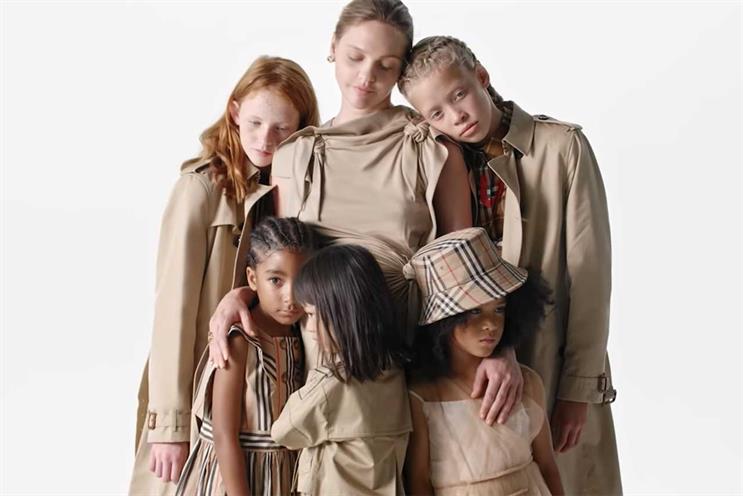
Today, Burberry is known for producing some of the most recognizable luxury goods in the world. The brand’s trademark is the distinctive checkered pattern and high-quality materials and craftsmanship. The brand operates dynamically in many countries, but it originates from Great Britain and has its headquarters there. It is there that it is now fighting for VAT exemption for tourists. And it is not the only one.
Burberry vs. English regulations
The tax situation in the UK is outlined as follows. VAT is generally charged on all goods and services and is currently 20%. However, there are specific exceptions and exemptions for tourists who may be exempt from VAT on certain products. These include clothing and food products.
However, it is not so clear-cut. To be exempt from tax, specific criteria must be met. VAT refunds on purchases made in the UK are available to non-residents. In the case of Burberry, if a tourist makes a purchase in store and pays VAT, they can claim a VAT refund if they provide a valid receipt and proof of identity. However, the goods must be taken out of the UK by the tourist within 3 months of purchase.
Deepening Brexit crisis
Burberry and other luxury brands are speaking out against the restrictive law, collectively pushing the British government to reinstate VAT exemptions for tourists. Burberry CEO Gerry Murphy had the opportunity to present the situation to the Prime Minister personally, directly during a business event attended by the government leader in London.
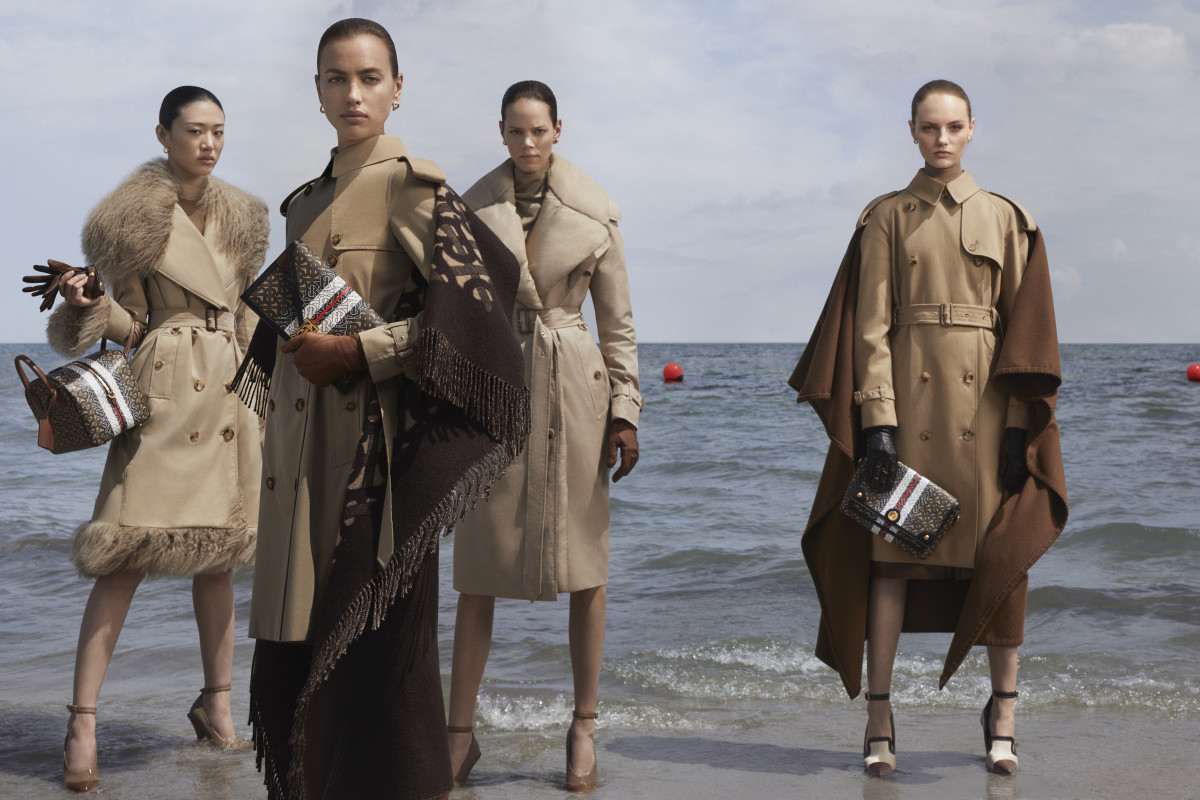
He saw the government’s decisions as an attempt to scare away buyers and visitors to the UK. He also pointed to the tourism crisis that the country is facing after Brexit, which has been an unimaginable drag on business. Murphy openly said that The lack of VAT refunds for tourists has made the UK the “least attractive” shopping destination in Europe. This claim was made at the Business Connect conference and quickly spread across the media.
Suspended promises
Brexit has undoubtedly had a huge impact on the UK retail sector. And as the CEO of Burberry rightly points out The problem of VAT refunds has harmed not only the luxury segment, but also the tourism sector. Prime Minister Rishi Sunak also commented on the decision to change the rules for tourists shopping in the UK. He promised to look into the matter more closely and take specific actions.
“We take this very seriously, we are here to listen and engage” – as he himself claimed. Is this a genuine concern for large British companies? Or perhaps just a purely political game? One thing is certain, the British trade in luxury goods of the Burberry brand has suffered significantly and this is certainly not the end of the losses.