
Imagine scrolling through Instagram on a December evening. A post tagged “#Burberry” reached 240,000 views in November 2025 —that’s no coincidence. It’s the start of something bigger.
Have you ever stood in front of a Bloomingdale’s window, dusted with snow and red plaid, wondering why some brands can turn an ordinary coat into a dream? That’s exactly what Burberry does. And it does it better than anyone else.
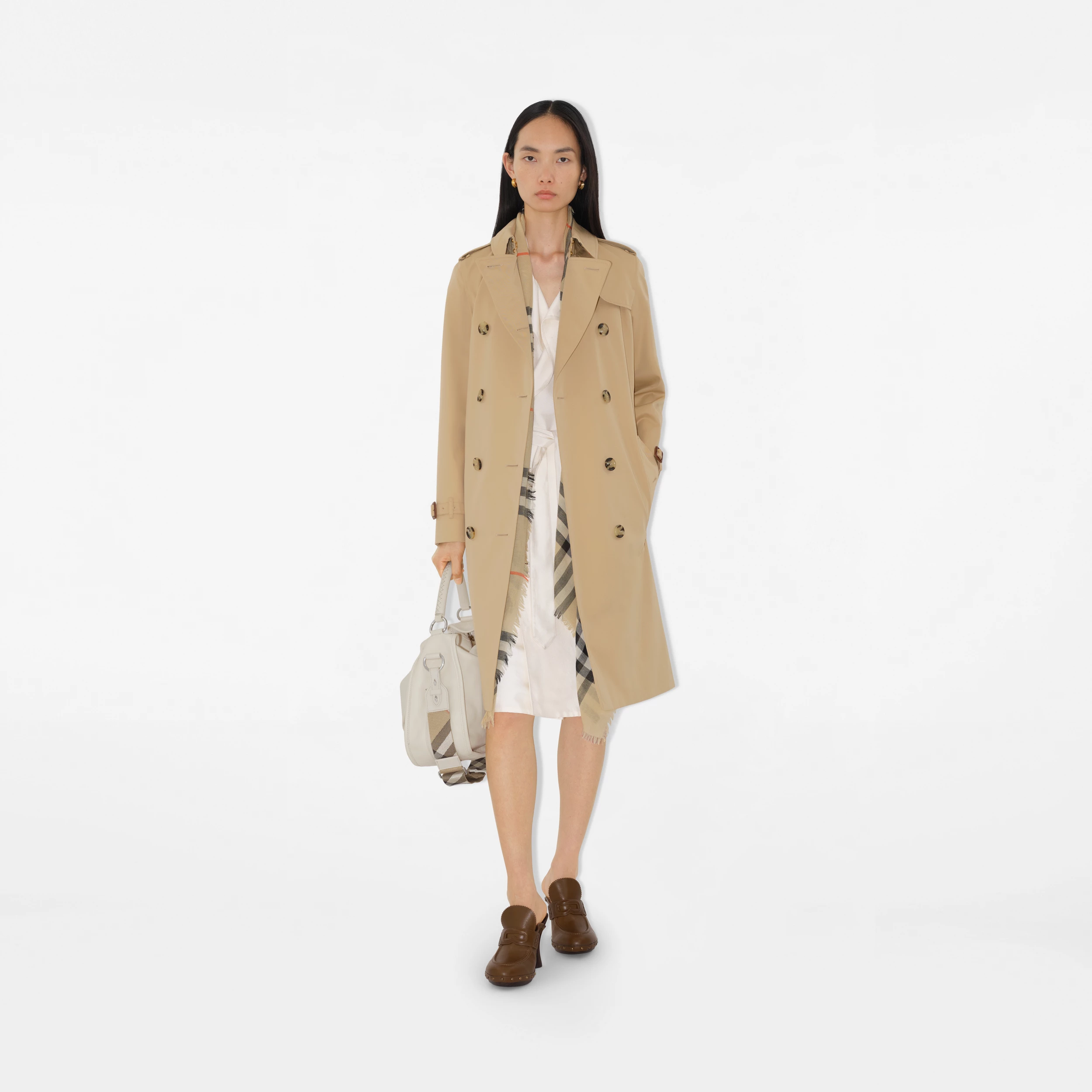
Burberry under the Christmas tree – a prelude to a magical campaign
This winter, the British brand isn’t just launching another campaign. It’s preparing a true feast for the senses. In a time when every brand is shouting for attention, Burberry whispers—yet in a way that makes everyone turn their heads.
For us, Poles, this is especially intriguing. Our love for luxury is growing, and holiday spending is reaching record highs. Burberry knows this and is going all in.
In this article, we’ll look at three key elements of this magic. First—the brand’s heritage, built over decades. That check isn’t just a pattern, it’s the genetic code of elegance.
Next, we’ll dive into this year’s pop-up, set to take over Warsaw and other European capitals. This won’t be an ordinary store. It’s an experience designed to linger in your memory for years.
Finally—the strategic financial stakes. Because while we talk about beauty and tradition, behind it all are concrete numbers and business decisions. Burberry isn’t playing for affection, it’s playing for wallets.
Sound familiar? Maybe because every great brand tries to conjure this magic. But few can create it so authentically.
The story of Burberry’s holiday campaigns is a fascinating journey through decades of change in fashion and marketing…
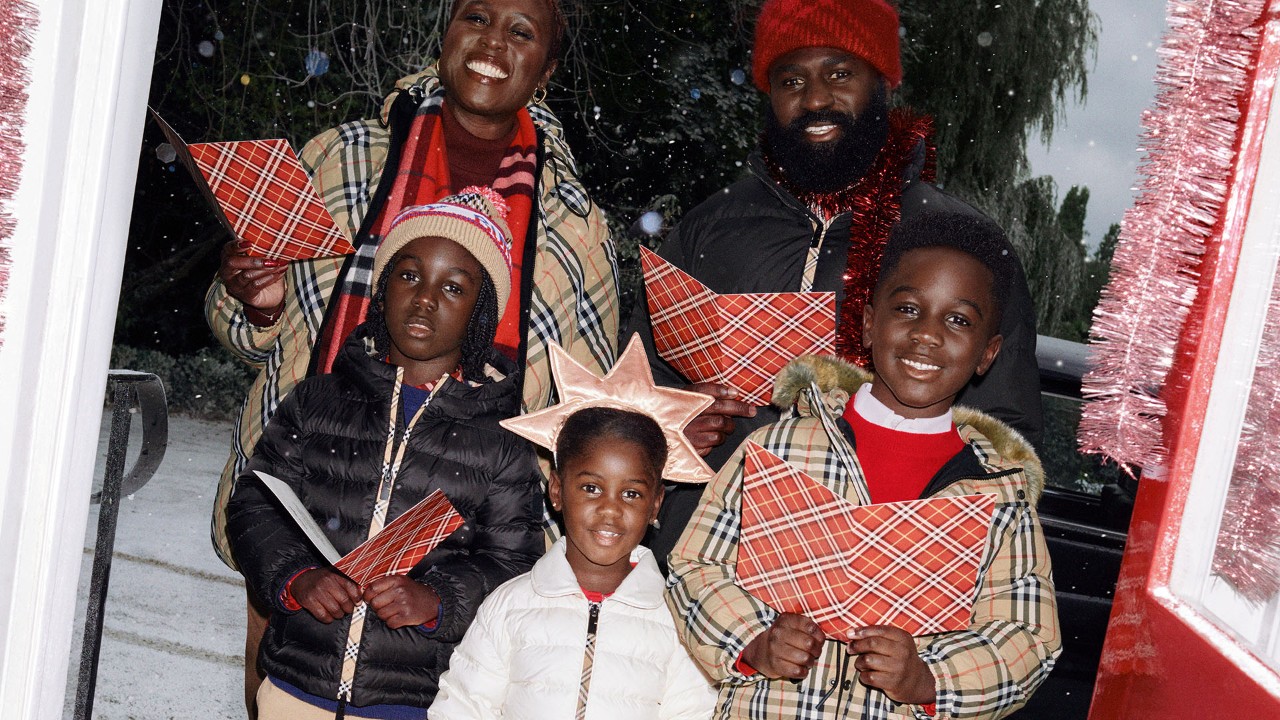
Heritage Meets Modernity: The Evolution of Burberry’s Holiday Campaigns
I remember the first time I saw that iconic beige coat with the check pattern. I had no idea I was looking at over 160 years of fashion history.
Thomas Burberry founded his company in 1856 as a simple clothing shop in Hampshire. At the time, there was nothing to suggest it would become a global empire. But in 1879, he invented gabardine—a fabric that changed everything. This waterproof yet breathable material became the foundation for the trench coat —the coat that still defines the brand today.
The chronology of Burberry’s holiday campaigns is a fascinating journey through time:
• 1920 – introduction of the haymarket check pattern—a distinctive check in beige, black, red, and white
• 1955 – first coat with a check lining—a symbol of luxury for decades to come
• 1990 – first TV campaigns with holiday themes—focus on British tradition
• 2006 – launch of digital campaigns— heritage meets digital
• 2010/2011 – campaign with Emma Watson—152,000 likes, a breakthrough in social media
• 2015 – introduction of live streaming fashion shows—a revolution in fashion
• 2019 – global #BurberryFestive campaign—510,000 interactions, peak popularity
Interestingly, the haymarket check pattern has been called “the most counterfeited trademark” in the world. This shows just how iconic this design has become.
The COVID-19 pandemic forced Burberry to make radical changes. Suddenly, all shows became virtual. But the brand seized this as an opportunity. It focused on sustainability and digital experiences. The holiday campaigns of 2020 and 2021 were entirely online, but paradoxically—more personal than ever before.
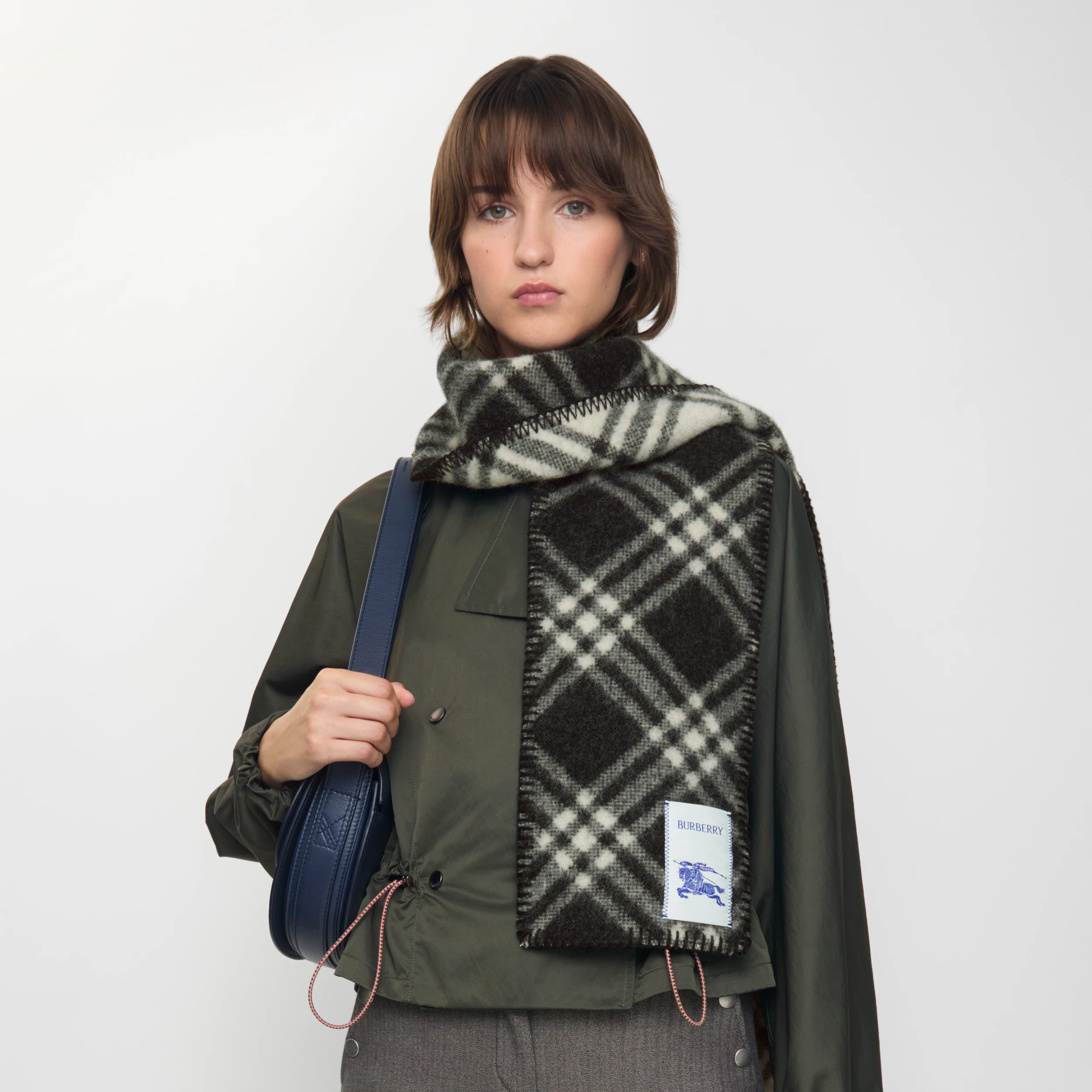
The creative evolution of the campaign clearly marks a shift from traditional elegance to modern accessibility. In the 90s, it was all about stiff, formal shots. Today? Spontaneous, authentic moments captured on social media.
Looking back at this history, you can see how the brand balances heritage with innovation. Thomas Burberry probably never imagined his invention would be promoted by influencers on TikTok. But that’s exactly what’s brilliant about Burberry—the ability to adapt without losing its identity.
2024 brought even more changes. The brand is experimenting with augmented reality, personalized experiences, and an eco-conscious approach to production. All signs point to 2025 being another breakthrough year in the history of Burberry’s holiday campaigns.
The heart of the 2025 campaign: a pop-up at Bloomingdale’s and a limited edition collection
Snow. That’s exactly how I felt walking into this pop-up at Bloomingdale’s. As if someone had transported a slice of the Cotswolds straight to 59th Street.
This “British cottage” is open from 11/18. 2025 to 01/05/2026, and honestly, I didn’t expect it to feel so… authentic? The iconic red Burberry Check is everywhere, but not in an in-your-face, commercial way. It’s more like someone genuinely lives here.
Naomi Campbell showed up on 11/18/2025 and instantly turned up the heat. People were literally crowding in to snap a photo. But she was so natural—touching the fabrics, checking the quality. Not just posing. Three days later, on 11/21/2025, Raye came by and the vibe was totally different—young crowd, more laughter. She spent ages smelling the perfumes, which was… well, odd, but in a good way.
And these products really are something else:
| Product | Features | The reason for its uniqueness |
|---|---|---|
| Red scarf | Soft, warm, universal size | Limited-edition Check pattern in a new shade |
| Lightweight fabric | Breathable, multi-season, flexible | New fiber technology |
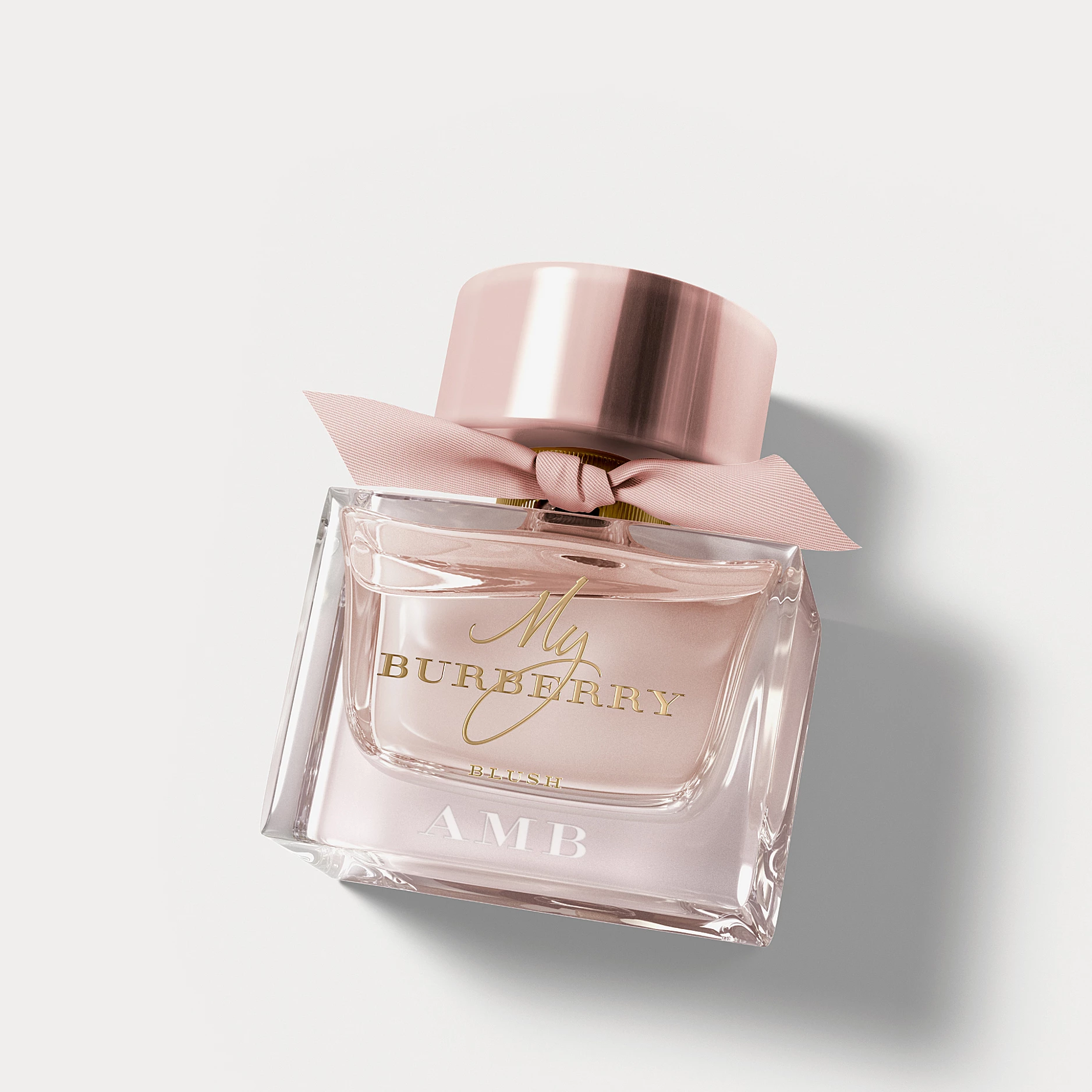
| Perfume | Elegant, long-lasting composition, unisex | Exclusive to this pop-up |
What surprised me most were these perfumes. “Elegant, long-lasting composition” sounds like marketing talk, but they really do stay on the skin for hours. I had a chance to test them and… well, I’d buy them.
This scarf is a story of its own. The red isn’t loud, it’s deep. The fabric has a weight to it that instantly signals quality. I saw people touch it and smile right away.
But what truly impresses is the whole atmosphere. You don’t feel like you’re in a store. It’s more like being a guest at someone’s place—someone with impeccable taste and even better finances.
Of course, behind all this are concrete numbers and financial strategies that reveal the true meaning of this campaign.
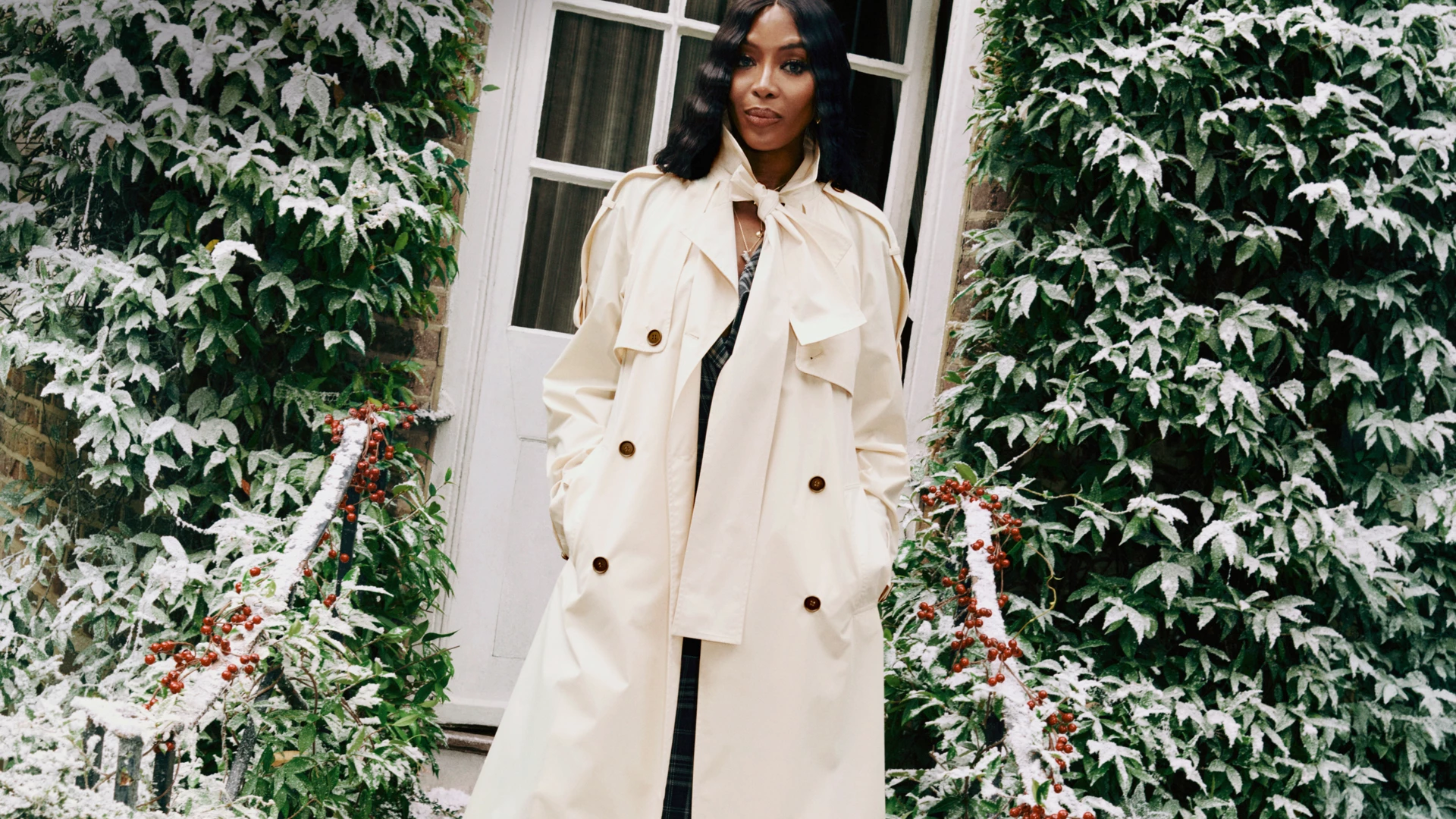
Strategic dimension: the campaign’s impact on brand performance and image
You’re looking at the numbers from the end of 2024 and you can tell something’s off. Burberry announced a plan to cut 1,700 jobs on May 14, 2025 — that timing is no coincidence. The cost pressure is immense, and the holiday campaign needs to turn those losses around. Otherwise, things could get really bad.
Key figures at a glance
Reduction plan: 1,700 jobs (14.05.2025)
Seasonal share in luxury revenues: 20-30% annually
#Burberry November 2025: 92-2,532 likes, 240,000 views
ROI target: minimum 3:1 by Q1 2026
The holiday season in the luxury industry accounts for 20-30 percent of annual revenue. That might sound impressive, but when you look at these numbers in the context of job cuts, you start to grasp the scale of the problem. This isn’t just standard cost optimization—it’s a fight for survival in its current form.
The hashtag #Burberry in November 2025 generated between 92 and 2,532 likes per post, with reach up to 240,000 views. At first glance, it might seem that engagement is low — I’m talking about an engagement rate below 1 percent. But in the luxury segment, these numbers take on a different meaning.
Luxury isn’t about mass reach. It’s about connecting with the right people who have real purchasing power. One client who spends £5,000 is worth more than a thousand followers without money.
ROI_scenario_basic = {
 ad_spend: 2,400,000_GBP,
 conversion_rate: 0.8%,
 avg_order_value: 850_GBP,
 target_roi: 3.2
}

ROI_scenario_VR_2026 = {
 additional_investment: 800,000_GBP,
 projected_uplift: 15-22%,
 break_even: Q2_2026
}
The 2025 strategy aims for a minimum 3:1 ROI by the end of Q1 2026. It sounds ambitious, especially considering the current financial situation. But they have a plan for VR expansion in 2026—an additional £800,000 investment with a projected growth of 15-22 percent.
The truth is, the campaign not only has to pay off, but also repair the brand’s image. Media layoffs look bad. Luxury brand clients don’t want to buy from companies that appear to be struggling.
That’s why every post, every social media interaction is now monitored for sentiment. Looking good is no longer enough—you have to look like a stable player in the market. This adds extra pressure on the marketing team, which already has to meet unrealistic financial targets.
VR is a bet on the future, but also a risk. An extra £800,000 with the current financial issues… some board members probably had doubts. But without innovation in this industry, you can fall behind fast.
Wrap yourself in checks and take action: what’s next for Burberry and for you?
It may sound strange, but sometimes it’s worth pausing to reflect on what brands like Burberry are actually doing. And what our role is in all of this.
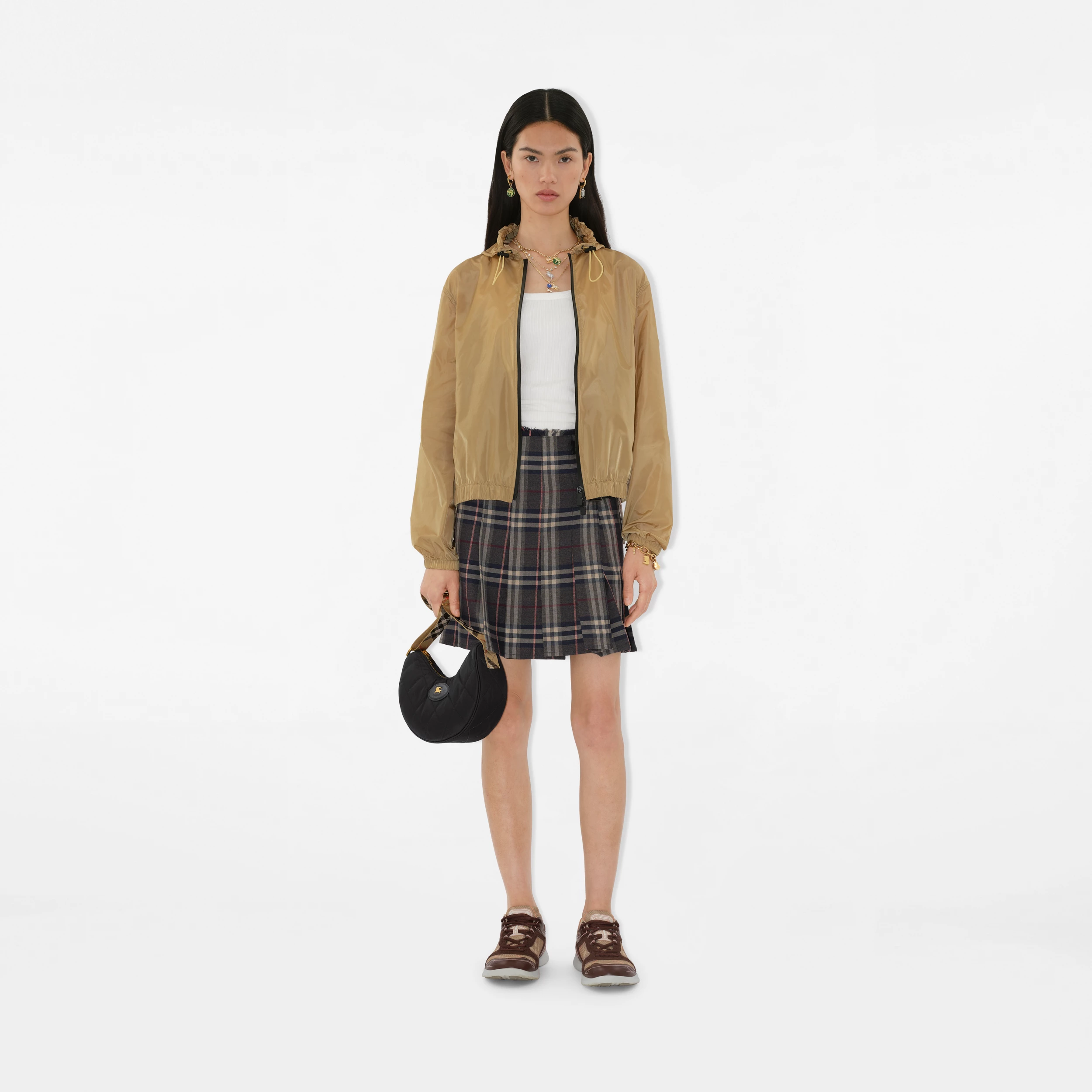
Because honestly, it’s no longer just about the check or the coats. It’s something more—a way for brands to evolve without losing their identity. And a way for us to benefit from it.
If you want to see how it works in practice, you still have a chance. The pop-up in Warsaw will be open until 05.01.2026, but there’s also a virtual version for those who can’t make it in person. It’s worth checking out—not just for the shopping, but to experience a new approach to presenting products.
What’s next? I expect that by 2026 we’ll see even more experiments with VR and global partnerships. Burberry is paving the way for new sales and communication formats. Other brands will follow suit.
But you know what? The most important thing is that we can learn something for ourselves. It doesn’t matter if you run a business or are just thinking about your career. The rules are similar—respect where you come from, but don’t be afraid to experiment.
Sometimes all it takes is to wrap yourself in a check and just go for it.
Zosia
business & lifestyle editorial team
High Class Fashion