
Table of Contents
- First Impressions of Caramel: Why This Coat Reigns Supreme in Autumn
- From Ancient Garment to the 2025 Runway – A Brief History of the Cape
- Anatomy of a Trend: Fabrics, Cuts, and Details of the Caramel Cape
- Styling savoir-faire: how to wear a cape coat for any occasion
- One Step Ahead: How to Capitalize on a Post-Season Trend
Did you know that as many as 73% of designers at the Fall-Winter 2025 shows opted for shades of brown? That’s no coincidence. The caramel cape coat has become the absolute hit of the season.
Pantone has announced “Mocha Mousse” as the color of the year for 2025, and we’re already seeing the effects of this decision on the streets. Warm, caramel tones have truly taken over autumn fashion. But it’s not just about official trends.
First impressions of caramel: why this coat reigns supreme in autumn
Posts with the hashtag #CaramelCape have exploded on platform X. Influencers are showing how they pair an elegant coat with casual outfits. High fashion meets streetwear in a way that seemed impossible just a year ago.
This trend responds to our real needs. Layering is the key to autumn dressing—the cape coat is perfect for this. The comfort of a loose fit is exactly what we crave after years of stiff blazers. And then there’s the sustainable fashion aspect—one good coat can replace several other jackets.
There’s something soothing about the caramel color. After the bold shades of summer, we want something more subdued, but not boring.
Camel is that perfect compromise—distinctive, yet not overpowering.
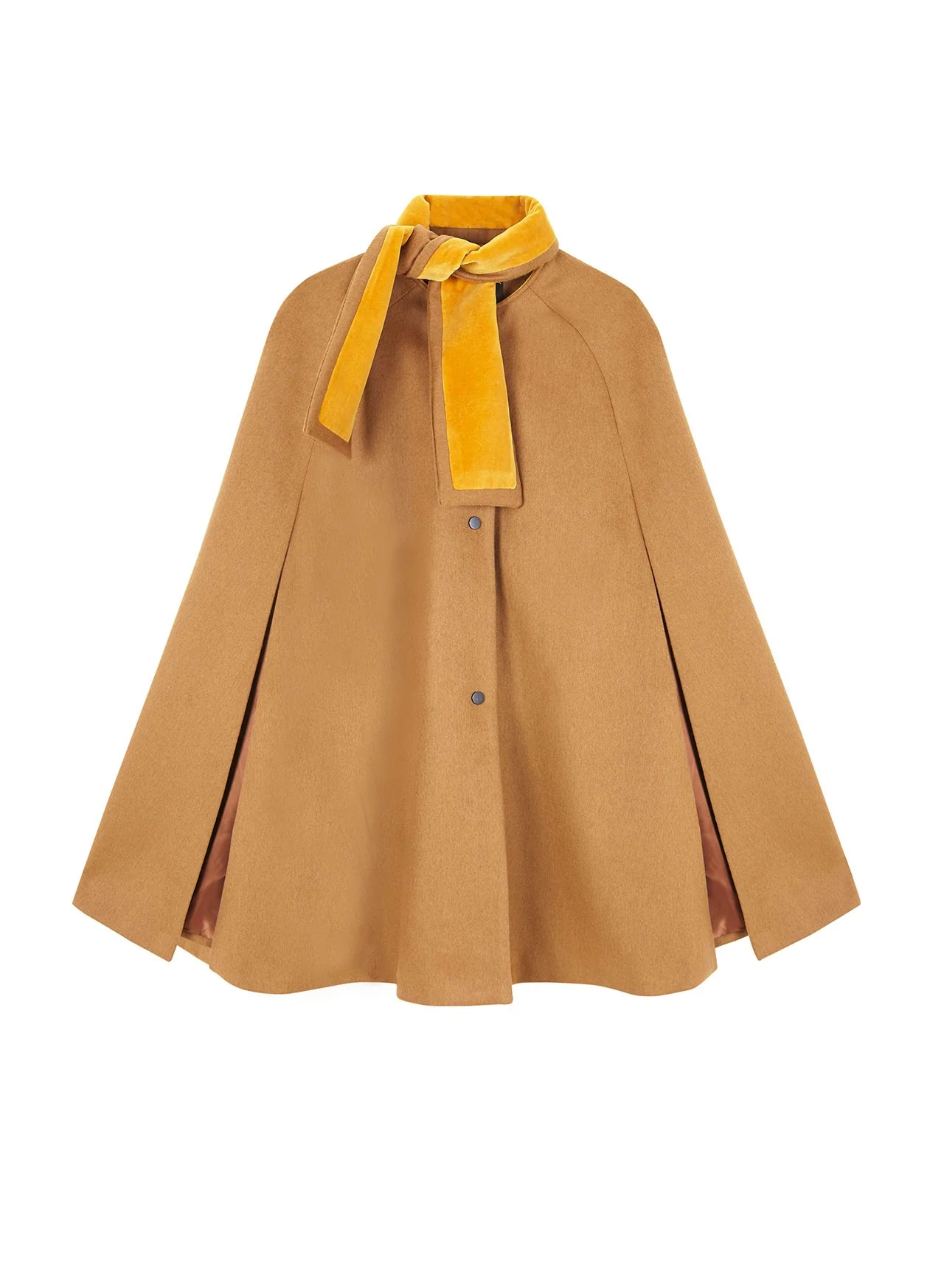
Why is this particular model dominating our wardrobes right now?
• History and evolution – how the cape coat has transformed from a classic to a modern staple
• Styling versatility – why it goes with everything and how to wear it
• Wardrobe investment – why it’s worth choosing quality and how to care for this type of coat
Fashion is cyclical, but some trends return for a reason. This coat isn’t just a fleeting whim—it’s a response to what we truly need in our everyday dressing.
To understand the phenomenon of the caramel cape, it’s worth looking at its roots and the long journey to its current popularity.
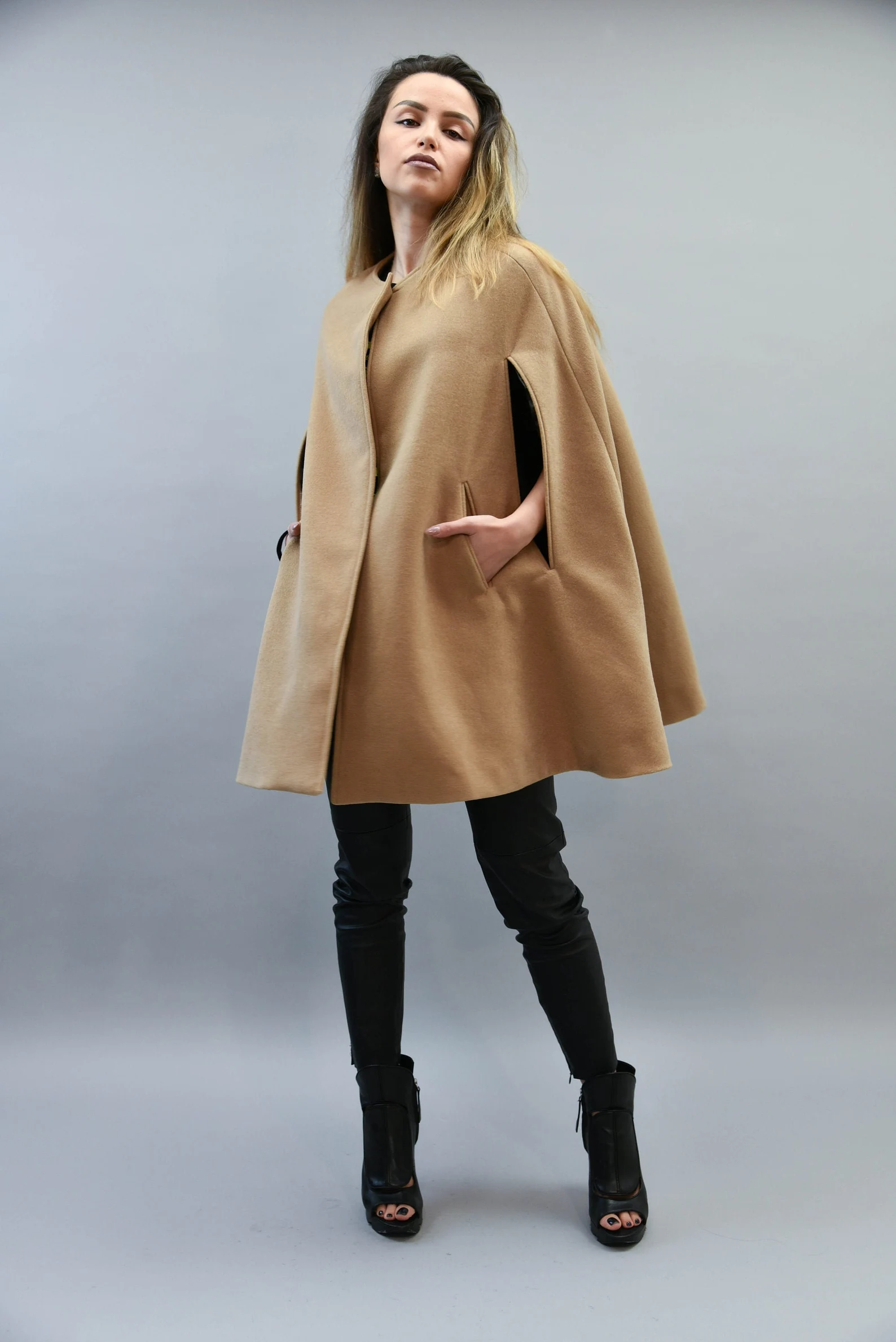
From ancient garment to the 2025 runway – a brief history of the cape
Imagine an ancient Roman walking through the Forum on a rainy day. He’s wearing a “paenula” — a sleeveless cloak that shields him from the elements. This was the very first true version of what we now call a cape.
The “paenula” was primarily functional. Romans wore it while traveling and in bad weather. It was practical, but could also be a bit stylish — depending on the fabric and finish. Interestingly, even then, this cut had something theatrical about it.
1870-1890 – The Victorian “Inverness cape” conquers Europe
In Queen Victoria’s era, men discovered the “Inverness cape.” This coat with short sleeves and a long cloak became a symbol of elegance. Sherlock Holmes wore it — at least in illustrations. It was literature that forever linked this style with mystery and British flair.
1950-1960 – Cristóbal Balenciaga and the silhouette revolution
In the 1950s, Balenciaga completely redefined the cape coat. His designs were sculptural, architectural. The Spanish master created silhouettes that looked like works of art. Women in his coats moved differently — with dignity and a sense of uniqueness.
1960-1989 – Polish PRL and functionality in times of scarcity
In Communist Poland, the cape coat was mainly a practical matter. They were produced in clothing factories, often from wool or heavier fabrics. Polish women wore them out of necessity, but also with a certain pride. In times when it was hard to find beautiful clothes, such a coat offered a sense of elegance. I remember my grandmother’s stories about a “movie-like” coat she received as a wedding gift.
All these eras lead us straight to 2025. Designers are once again turning to the cape, but now with entirely new possibilities and expectations. History has come full circle — from Roman functionality, through Victorian elegance, Spanish artistry, and Polish PRL practicality.
Now, let’s take a closer look at what actually makes up the modern cape coat and why its anatomy is so fascinating.
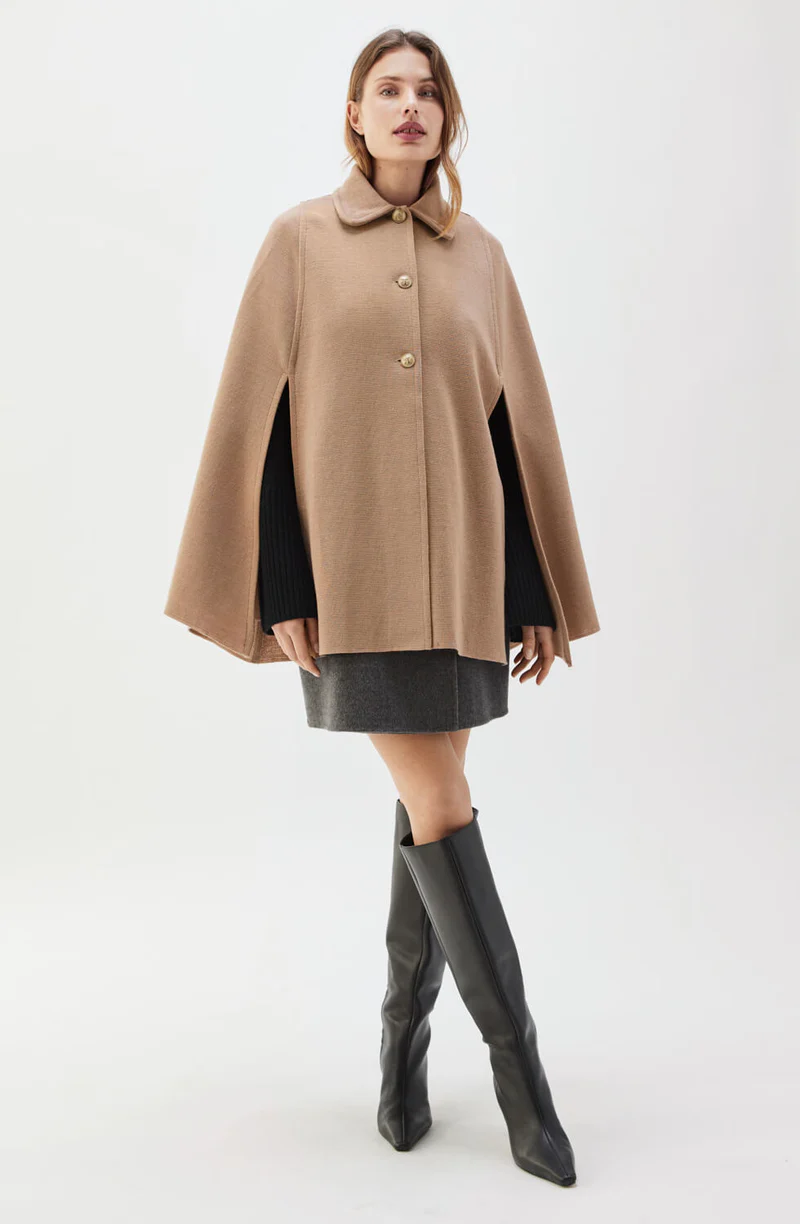
Anatomy of a Trend: Fabrics, Cuts, and Details of the Caramel Cape
Fashion engineering might sound a bit too serious, but when you look at the construction of a caramel cape, it actually fits. These coats are much more than just a nice fabric thrown over your shoulders.
Standard lengths range from 100 to 150 cm. The shorter version falls roughly mid-thigh, while the longer one can cover your calves. That 50 cm difference really matters—it changes how we perceive the silhouette. At 100 cm, the cape adds volume to the upper body; at 150 cm, it visually elongates the entire figure.
As for the composition, manufacturers usually go for a blend of wool (60-80%) with added synthetics. Polyester or polyamide increase durability, while elastane improves the fit when fastening. Pure wool sounds luxurious, but in practice, it pills faster and doesn’t handle washing as well.
The more interesting part is the new tech solutions. Hydrophobic coatings make rain slide off the surface instead of soaking into the fabric. Some brands are experimenting with heated linings—it’s still niche, but you can already find such models in stores. Smart fabrics are the future, though for now, they’re pricey.
| Basic segment | Premium segment |
|---|---|
| Polyester 70%, wool 30% | Merino wool 85%, cashmere 15% |
| Length 110-120 cm | Length 130-150 cm |
| Standard buttons, acetate lining | Hand-stitched details, silk lining |
| 200-400 PLN (Zara, H&M) | 1,000+ PLN (Balamonte, COS) |
These price differences don’t come out of nowhere. In the more expensive versions, you’ll find better finishes, sturdier zippers, and sometimes even hand stitching on the flaps or pockets. Basic models do the job, but after a year of heavy wear, the quality difference becomes clear.
Ultimately, it all comes down to what you can afford and how often you plan to wear such a coat. The fabric and construction are the foundation, but it’s only when you combine them with the right wardrobe pieces that the true potential of a caramel cape is revealed.
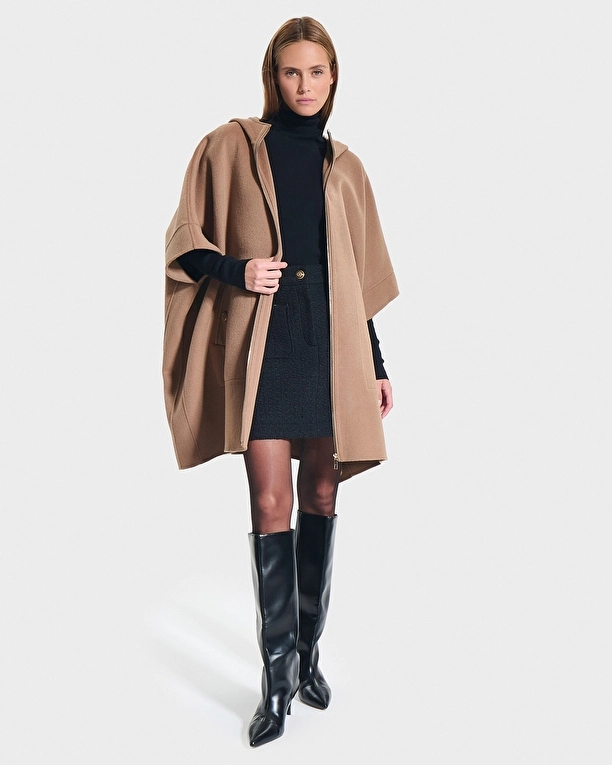
Styling savoir-faire: make the most of a cape coat in any situation
Yesterday, I saw a girl in a beige cape coat at the bus stop and thought—that’s it! That one wardrobe piece that can save any outfit, but also completely ruin it if you don’t know how to style it.
Business meetings: elegance with character
For the office, a cape coat pairs perfectly with a classic suit and heels. The key is the color palette—stick to the rule of three tones. Neutral beige, dark gray, and one accent in burgundy or deep bottle green. Drape the coat over one shoulder for freedom of movement during presentations.
Do: fasten it at the neck for a formal effect
Don’t: avoid pairing with a blazer with wide shoulders
Casual weekend: comfort with class
Jeans, boots, and a cape—it sounds odd, but it works brilliantly. Especially in autumn, when you need something more than a jacket but less than a winter coat. Here, you can go for a more relaxed way of wearing it.
Do: experiment with asymmetry
Don’t: skip oversized sweaters
Evening outings: drama and style
A dress, vintage sneakers, and a cape coat—this combo brings smiles to passersby. In the best way, of course. The contrast between the classic cape cut and sporty shoes gives that “you look like you know what you’re doing” effect.
Do: play with contrasts; avoid competing patterns
Now, let’s talk about body shape, because it really matters. If you’re petite, a belt at the waist is your best friend—it highlights your proportions and keeps you from getting lost in the fabric. Tall girls can go for a loose drape that emphasizes the natural elegance of their figure.
I see more and more women discovering the versatility of this cut. It’s no longer just an accessory for special occasions, but a staple of everyday wardrobe that can transform any look.
A Step Ahead of the Wave: How to Capitalize on a Post-Season Trend
Actually, we’ve already said everything there is to say about autumn coats, but now the most important question remains—what should you do with this information? I don’t mean buying more things just for the sake of it, but rather thinking strategically.
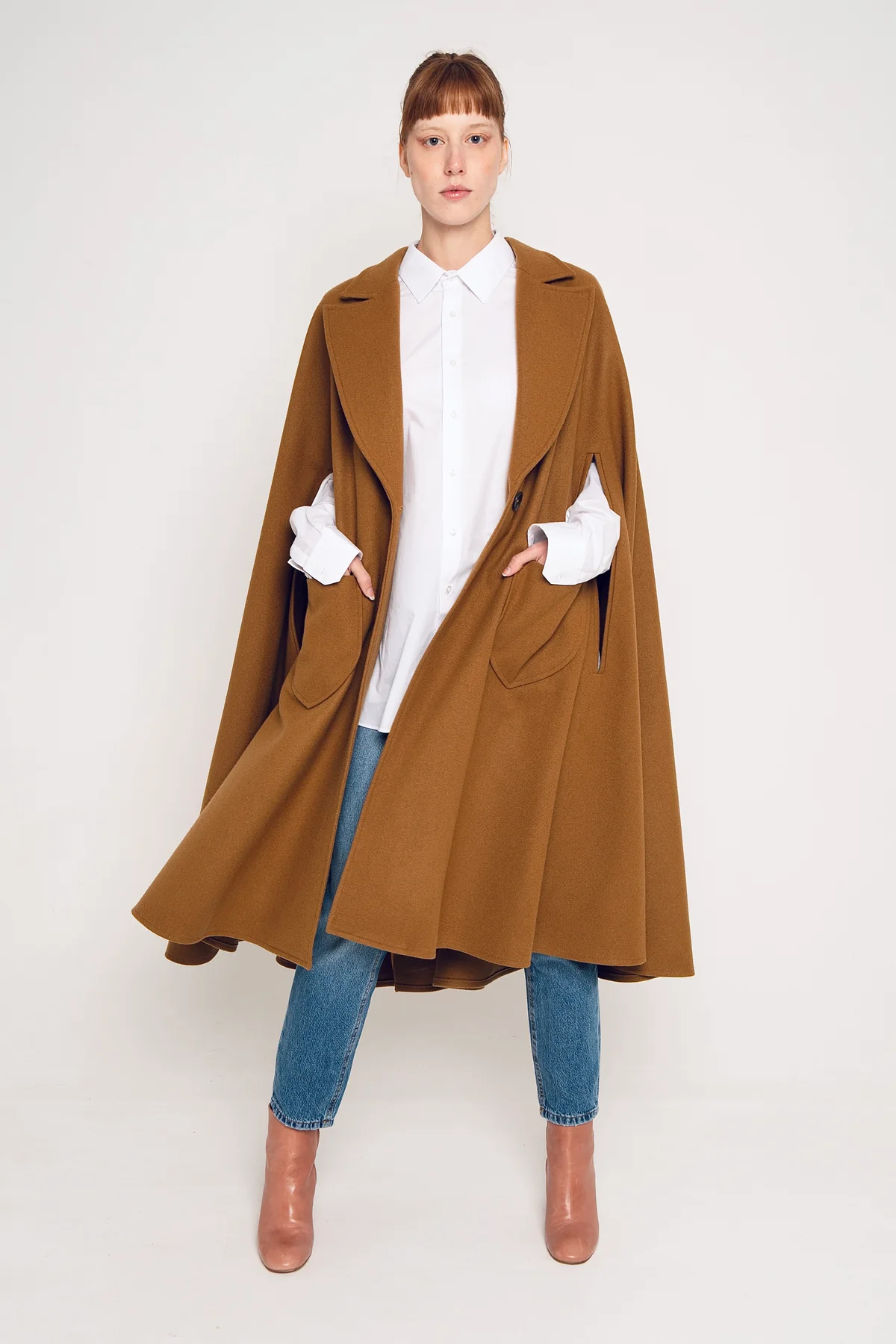
If you decide to invest in a quality coat after the season, you gain three clear benefits. First—versatility, because you can truly wear it for years without it ever going out of style. Second—timelessness, which means you won’t have to think about replacing it in a year or two. Third—the resale value, which might sound a bit odd, but just check the prices of pre-owned coats from reputable brands.
So, what’s next? I’ve been watching the market for a while now and I’m noticing some interesting trends.
“By 2026, we’ll likely see a boom in capes with heated linings—the technology is becoming more affordable, and people are increasingly valuing practicality.”
Sounds like science fiction, but the first models are already appearing. And eco-coats? Here we have concrete numbers—5-7% annual sales growth, which is quite a lot for the fashion industry.
It might all sound a bit like business planning, but in reality, it’s about avoiding impulsive purchases. Autumn will always come back, trends repeat themselves, but your wardrobe can be smarter than it was last year.
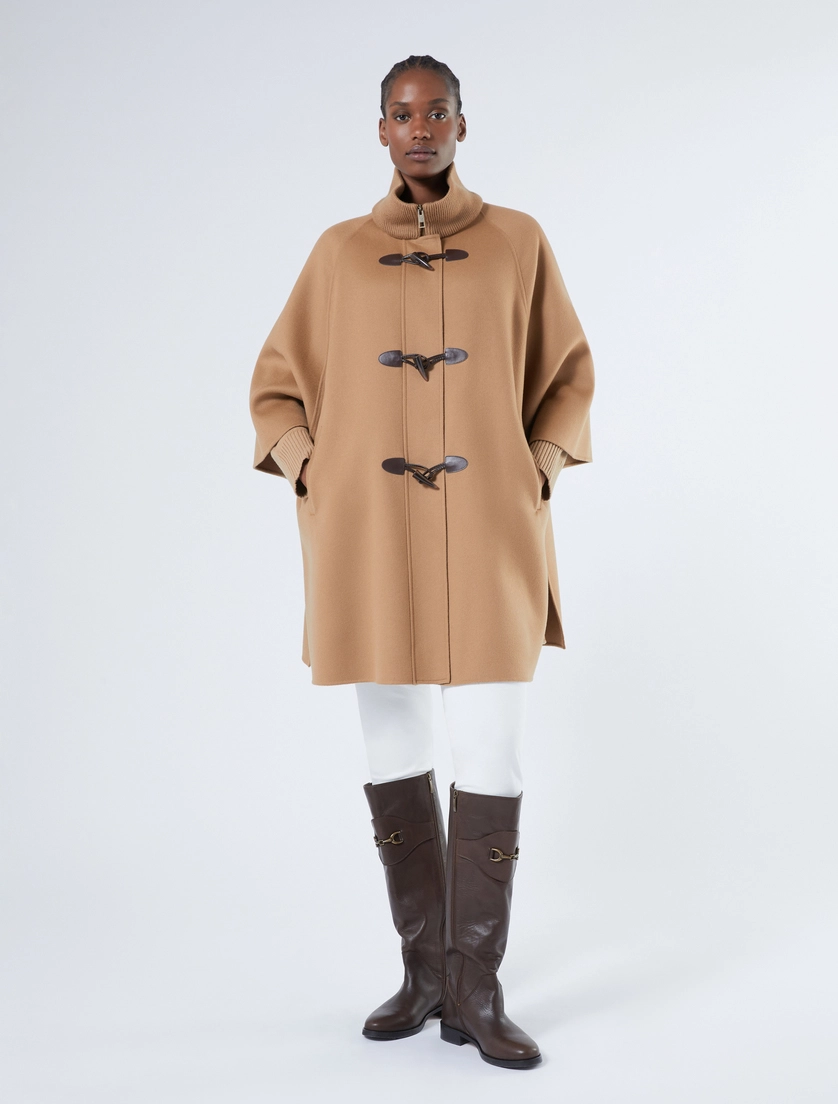
Start tracking prices now, and in a month you’ll be able to buy what currently costs a fortune.
Koda
fashion editor
High Class Fashion