
Over 70 years in modeling; Guinness World Record for the longest modeling career. Carmen Dell’Orefice is a figure who not only sets the benchmark for career longevity in fashion, but also embodies a broader conversation about age, representation, and the value of experience in the industry.
The topic is especially relevant today, as the fashion industry and visual culture are increasingly challenging ageism, with brands and editorial teams seeking to represent “silver models”—faces of maturity that embody a style independent of age. This shift is of interest not only to the industry, but also to consumers and cultural researchers, who are witnessing a move away from idealized youthful beauty toward age diversity.
Carmen Dell’Orefice – who is she?
In the text opening this chapter, you will discover why Carmen is intriguing to readers today: her status as an icon with over half a century of activity; her impact on the conversation about age in fashion; and questions about what the legacy of someone who bridges history with contemporary relevance looks like. There will be no detailed chronology or health analyses here—these topics will be addressed later.
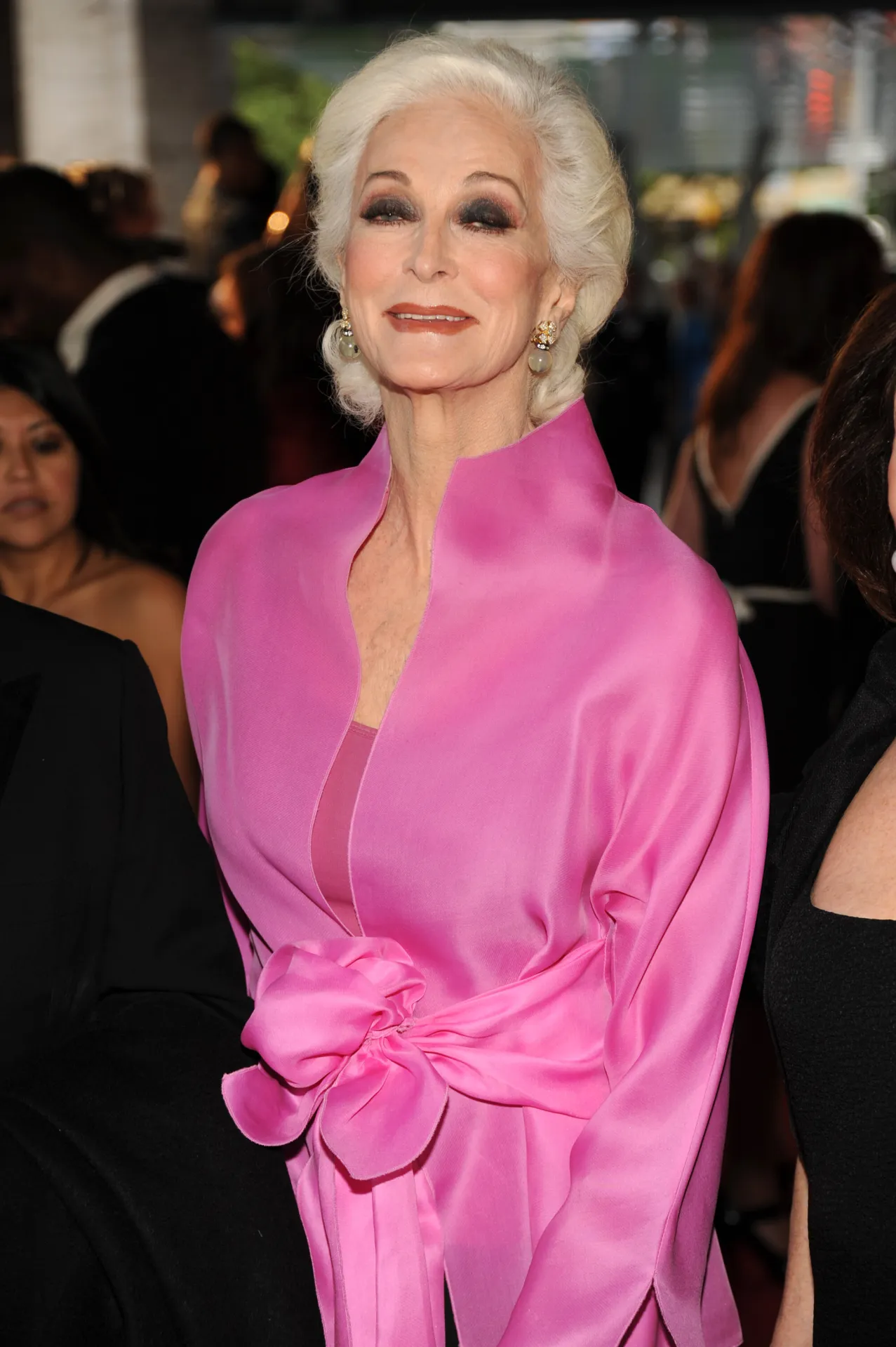
Biography and milestones
This section will discuss the key stages of a professional career—what made it extraordinary—without delving into exact dates or a detailed list of events. It will focus on themes: early discovery, returns to the profession, and long-standing presence in the fashion media. The reader will learn which experiences shaped the public image and how they influenced career opportunities across different decades. The text will also highlight the institutional and cultural conditions that supported sustained activity over many years.
Current status, impact, and controversies
This section will explore the current aspects of Carmen’s public role: how she inspires campaigns, sparks discussions about representation, and faces criticism regarding age tokenism. The description will focus on the mechanisms of influence—from media campaigns to her symbolic function in the age debate—and on the tensions that arise between genuine inclusion and media sensationalism. Readers will find an analysis that connects the individual phenomenon with broader industry transformations.
The future and legacy
The final announced section will explore potential legacy pathways: how the image of a long-standing career can influence younger generations, design schools, and brand strategies. It will also address the question of how to document and interpret such careers within the context of fashion and visual culture studies. This is a forward-thinking segment—focused on impact that extends beyond current media headlines.
In the next section, you’ll discover her story from the moment of discovery to the world’s runways.
Life and Career – From Discovery to the World’s Runways
Carmen Dell’Orefice was born on June 3, 1931, in New York City to an Italian musician and a Hungarian dancer; her career began at a very young age and spanned several decades of fashion. The following chapter presents a complete, chronological sequence of facts: her discovery, early press successes, international development, breaks and comebacks, as well as selected milestones and shows. The text focuses on dates and events to provide a reliable factual foundation for further analysis.
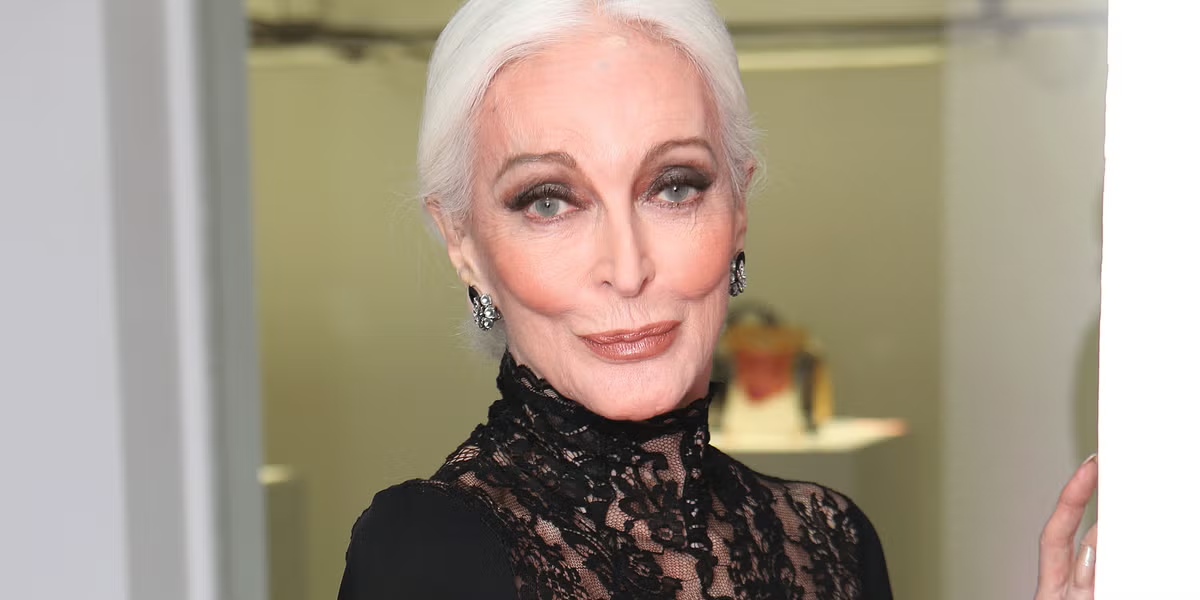
Early years (1931-1950)
Carmen Dell’Orefice comes from a poor, unstable family and attended ballet classes from childhood; it was actually on her way to a lesson that her life changed forever. At around 13 years old, while riding a bus, she was noticed by the wife of photographer Herman Landschoff, which led to a test photo shoot at Jones Beach and her first editorial assignments. This moment paved the way for her collaboration with the Vogue editorial team and her first jobs in the fashion press.
The first publications featuring Dell’Orefice appeared in 1946; during this period, she worked with renowned photographers such as Irving Penn and Erwin Blumenfeld, which secured her visibility in American fashion magazines. Her appearances in Vogue in 1946 and subsequent shoots in the late 1940s paved the way for her first covers and regular photographic assignments.
International Success (1950-1970)
In the 1950s, the career focused on expanding beyond the USA: shoots and shows in Paris and London cemented a place in the haute couture scene. In 1953, signing a contract with the Ford agency and working with European fashion houses became a significant professional milestone. This period also saw collaborations with renowned photographers and designers, as well as shoots showcasing the elegance of post-war fashion.
Artistic connections with the avant-garde emerged as early as the first seasons: Carmen posed for Salvador Dalí—a session recalled in memoirs and articles about the beginnings of her career; her interactions with artists highlighted the exceptional nature of her early professional path. Vogue and other archives document these experiences as part of her formative years.
Breaks and Returns (1970-1990)
After a period of intense activity, Dell’Orefice decided to take a break from her career due to personal life changes; she officially suspended her work at the end of the 1950s (after her second marriage), which led to a reduction in her industry involvement. However, in the following decades, she made several comebacks, often motivated by financial needs or invitations from designers who valued the model’s classic, portrait-like style.
In 1978, there was a clear return to the profession—editorial shoots and campaigns from the late ’70s and early ’80s restored her presence in the press and on the runways. This comeback was driven by the need to regain financial stability, as well as new opportunities in advertising and commercial fashion.
The years 2000–2010 and selected milestones
In the 21st century, her career has taken the form of a series of retrospectives, campaigns, and returns to the haute couture runway; Dell’Orefice has appeared in campaigns for major brands and graced the covers of international editions of magazines. Over the decades, she has worked with dozens of designers—practically over 50 creations and fashion houses are listed in industry archives; examples include Isaac Mizrahi, Thierry Mugler, Jean‑Paul Gaultier, Anna Sui, Stéphane Rolland, and Guo Pei. Sources document numerous appearances in advertising campaigns and runway shows, confirming the breadth of her collaborations.
One of her most high-profile appearances was closing the show for Guo Pei during the Paris haute couture season—the designer’s final show took place in January 2017, where the model showcased an extravagant, richly embellished creation. The event received extensive coverage in industry media and became a contemporary milestone in her stage career.
- 03/06/1931 – born in New York.
- 1944 – discovered on a bus on the way to ballet class (noticed by the wife of photographer Herman Landschoff).
- 1946 – first publications in Vogue; collaboration with Irving Penn and Erwin Blumenfeld.
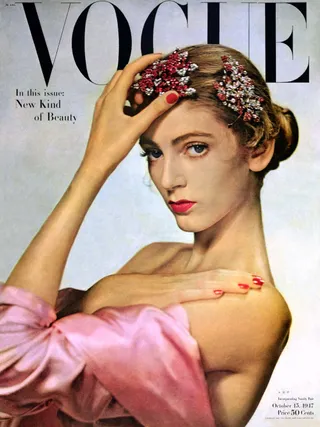
- October 1947 / 1948 – early Vogue covers from the late 1940s (end-of-decade covers).
- 1953 – signing a contract with the Ford agency; intensification of international work.
- late 1950s – suspended activity due to personal life and marriage.
- 1978 – return to modeling due to financial need and new assignments.
- 25 January 2017 – closing look of the Guo Pei show at Paris haute couture (final look).
Suggested further reading: in the next section, it is worth comparing this chronology with the presence and discussions about cultural impact in the 21st century, in order to assess how historical career events translate into later controversies and interpretations.
Presence, influence, and controversies in the 21st century
Carmen Dell’Orefice remains visible in the public and media sphere, although many recent reports blend facts with interpretations. This section focuses on her current health status and appearances (2020-2025), high-profile photo shoots, and the reception of her activities on social media—taking into account information that can be verified. Where sources were inconsistent or confirmation was lacking (particularly regarding the cited “Pattern” account), verification limitations have been noted.
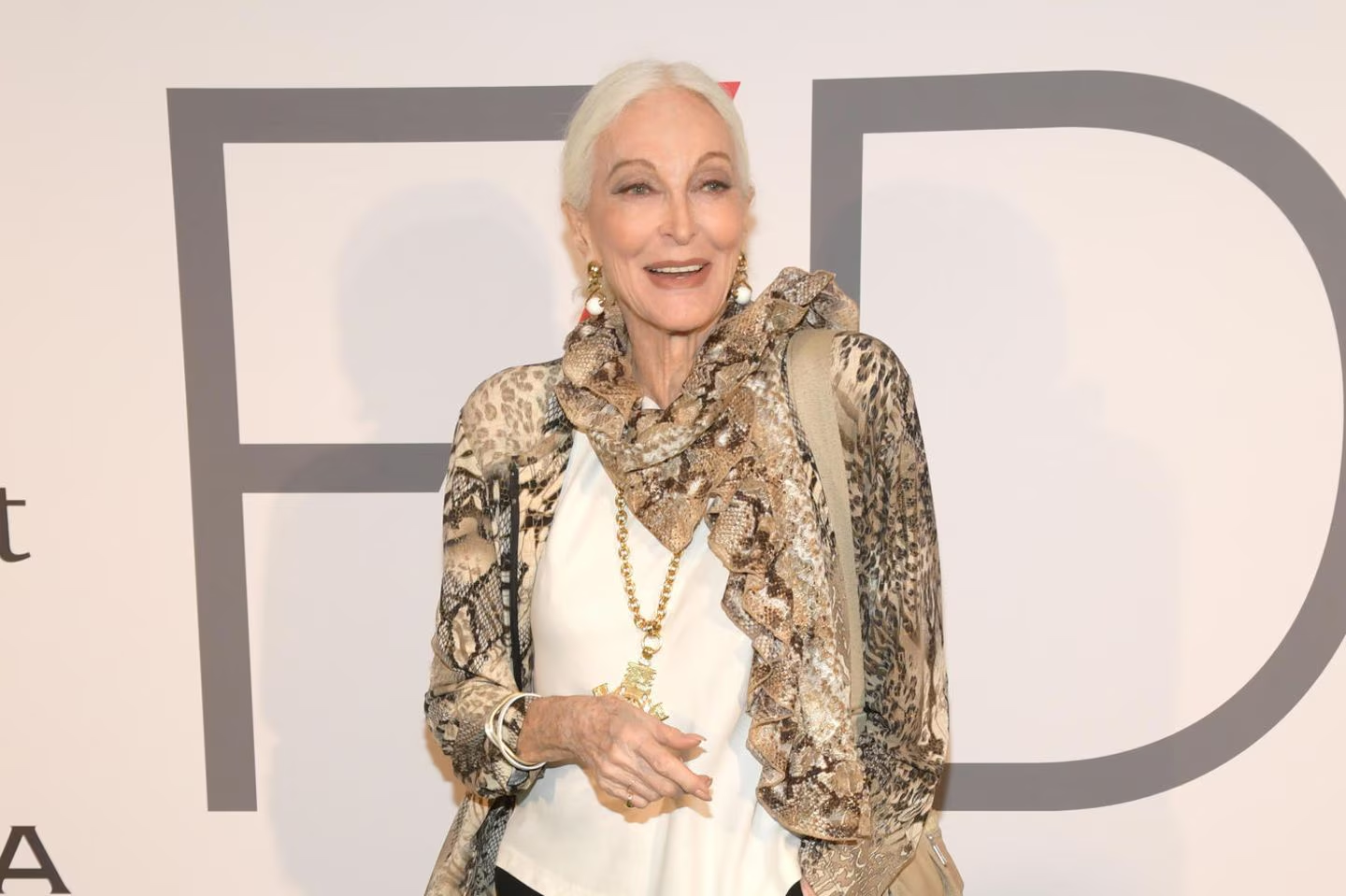
Health and runway presence
In recent years, Dell’Orefice has mainly appeared in editorial shoots and magazine covers, as well as selected runway shows and events—though this activity is less frequent than in the earlier decades of her career, which is natural given her age. The most well-documented public projects from 2022 to 2024 include photo shoots and covers (notably for New You and Vogue Czechoslovakia / L’Officiel in 2023). Verification of reports about alleged appearances during PFW 2025 using a cane or about partial facial paralysis did not yield any credible, independent press coverage; no “Pattern” article confirming these details was found, nor were there any journalistic accounts from the shows indicating such events took place. Industry media provide a general report from Paris 2025, but without confirmation of the described symptoms or attributes.
“After 90, I still look 59.”
“After 90, I still look 59.”
Viral and reactions on social media
The most talked-about photo shoot, which sparked widespread debate online, was the series published around 2022-2023 (including Fadil Berisha’s photographs for New You and numerous magazine editorials in 2023). These images appeared on websites and social media profiles, garnering thousands of interactions—media outlets reported both enthusiastic praise (for breaking ageism and artistic flair) and criticism (for exhibitionism or suspected retouching). Examples of the media’s tone can be found in press coverage and lifestyle portals. Exact engagement statistics depend on the platform and specific post; public posts by the photographer and magazines typically reached thousands of likes and shares, turning this shoot into one of the most widely discussed moments of her later career.
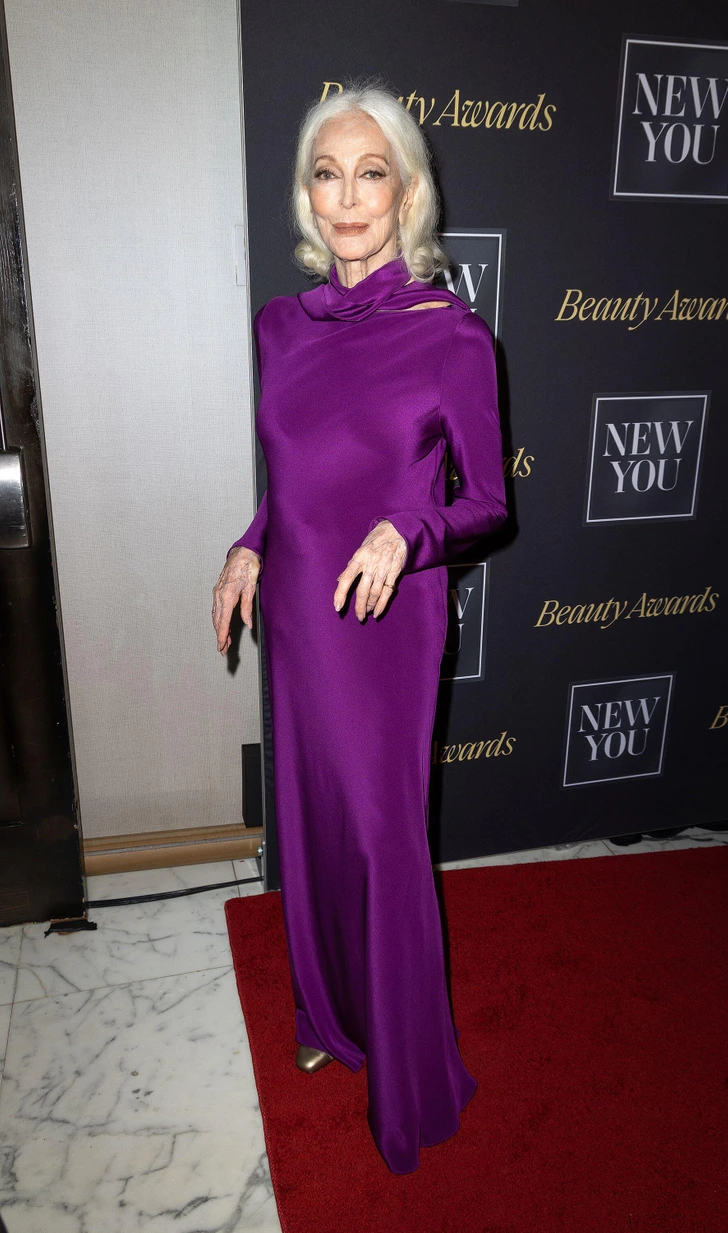
The voice of the industry and criticism
Opinions in the industry are divided: for designers and some media, Carmen symbolizes resistance to ageism and proof that “different bodies” have a place in fashion; for critics, some actions (such as heavy retouching or bold photo shoots) raise questions about the boundaries of aesthetics and authenticity. Trade and lifestyle publications have repeatedly quoted her statements about “becoming the voice of age,” but at the same time have commented that the media aspect of this activity is sometimes used as a viral tool.
This set of facts and perspectives lays the groundwork for further discussion on how Dell’Orefice’s legacy may influence inclusion strategies in fashion and how the industry should approach individuals in later life—a topic that will be explored in the next section, “What’s Next? Legacy and the Future of Fashion with Carmen.”
What’s next? Legacy and impact on the future of fashion
Carmen Dell’Orefice’s career sets not only an aesthetic standard but also a practical blueprint for the future of the fashion industry. Her presence in campaigns and on runways compels brands to reconsider their customer demographics, while her story provides valuable insights for inclusivity strategies and long-term value building. Below: forecasts, concrete recommendations, and practical tips for media and readers.
Miluś XX
editor
High Class Fashion