
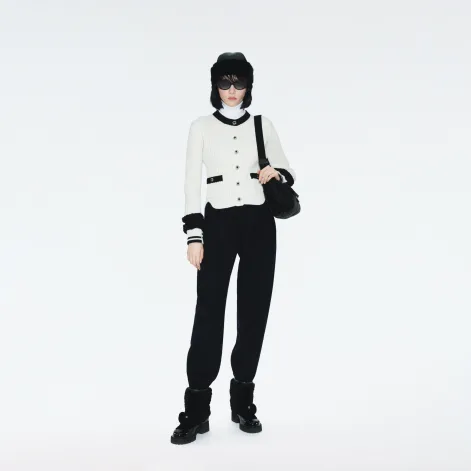
The first mist rises over the Alpine slopes, while the windows of luxury resorts reflect the day’s first rays of sunlight. It’s in this very setting that one can best imagine the pieces from the latest Coco Neige collection, which officially debuted on October 14, 2025.
The global launch on the Chanel website caused quite a stir. It’s no wonder, as the scale of the project is truly impressive:
- Around 60 pieces in the entire collection—from ski suits to the smallest après-ski accessories
- Gloves range from 500 to 1,000 USD, while a ski suit can cost up to 10,000 USD
- The complete range of products includes everything you need both on and off the slope
Actually, it’s hard to find anything missing. There are down jackets, ski pants, turtleneck sweaters, hats, sunglasses, and even special boot bags. Some say it’s over the top, but judging by the reactions of the first customers—the interest is huge.
CHANEL COCO NEIGE 2025/26 Collection – where snow meets haute couture
The timing of the launch was no coincidence—the 2025/26 ski season is shaping up to be one of the best for the luxury industry in years.
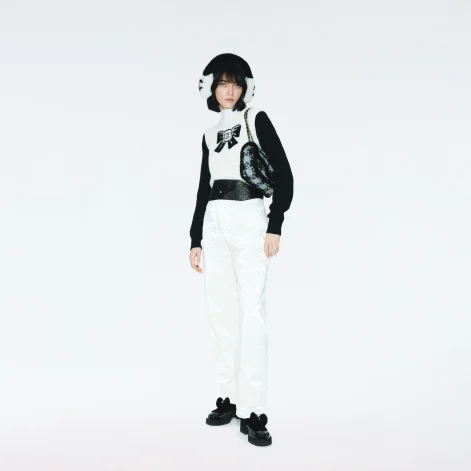
Interestingly, Chanel didn’t stop at traditional winter wear. The collection also features full-body jumpsuits that look straight out of a science fiction movie, yet still embody the brand’s signature style. Prices? Well, we’re talking about the ultra-premium segment here, so no one is under any illusions.
The market responded positively, though some commentators wonder whether the fusion of sport and haute couture still has room to grow. Maybe it does, maybe it doesn’t—time will tell. For now, one thing is certain: the Coco Neige 2025/26 collection sets new standards in luxury ski apparel.
To understand where this collection came from and why it’s reaching such scale right now, it’s worth taking a look at the history of the entire Coco Neige line from the very beginning.
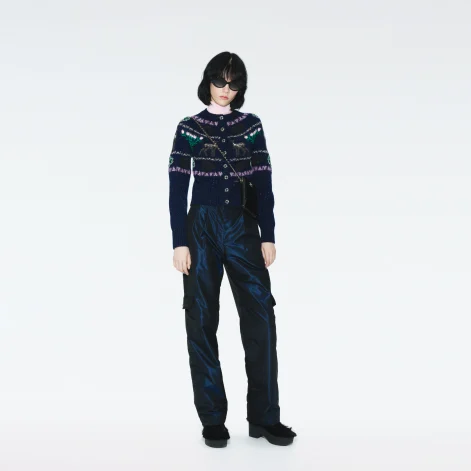
From concept to collection – the evolution of Coco Neige
Who would have thought that in 2018 Karl Lagerfeld would create something that would completely change the way we look at luxury ski wear? Actually, it wasn’t by chance—Chanel has always had that special something, but Coco Neige was a whole new level.
| Year | Creative direction | Ambassador/key campaign |
|---|---|---|
| 2018 | Karl Lagerfeld | Margot Robbie – collection debut |
| 2019 | Virginie Viard takes the helm | Transitional period |
| 2021/22 | Virginie Viard | Jennie (23,007 likes on X) |
| 2024/25 | Virginie Viard | Session at 31 rue Cambon – J. Teller |
| 2025/26 | Virginie Viard | Nana Komatsu – Sean Thomas |
Margot Robbie in that first campaign looked… well, as if skiing had suddenly become something entirely different. Lagerfeld had that gift—he could take something ordinary and turn it into a style manifesto. Back then, no one could have predicted just how much this line would evolve.
When Virginie Viard took over in 2019, things felt a bit uncertain at first. But the campaign with Jennie for the 2021/22 season proved the direction was right. Those 23,007 likes on platform X might not seem like much now, but at the time, it was a truly solid number for the industry.
The 2024/25 shoot at the iconic 31 rue Cambon under J. Teller’s eye was something special. Shooting a ski collection in the heart of Chanel’s Parisian atelier? It sounded odd, but the result was stunning. Viard clearly wanted to show that Coco Neige is about more than just mountains and snow.
And now we have Nana Komatsu in front of Sean Thomas’s lens for the 2025/26 season. This is no longer the same collection that debuted seven years ago. Each season has brought a new understanding of what luxury sportswear can be.
In fact, each of these stages built something bigger. From Lagerfeld’s vision, through Viard’s subtle transformations, to today’s technological innovations that… but more on that in a moment.
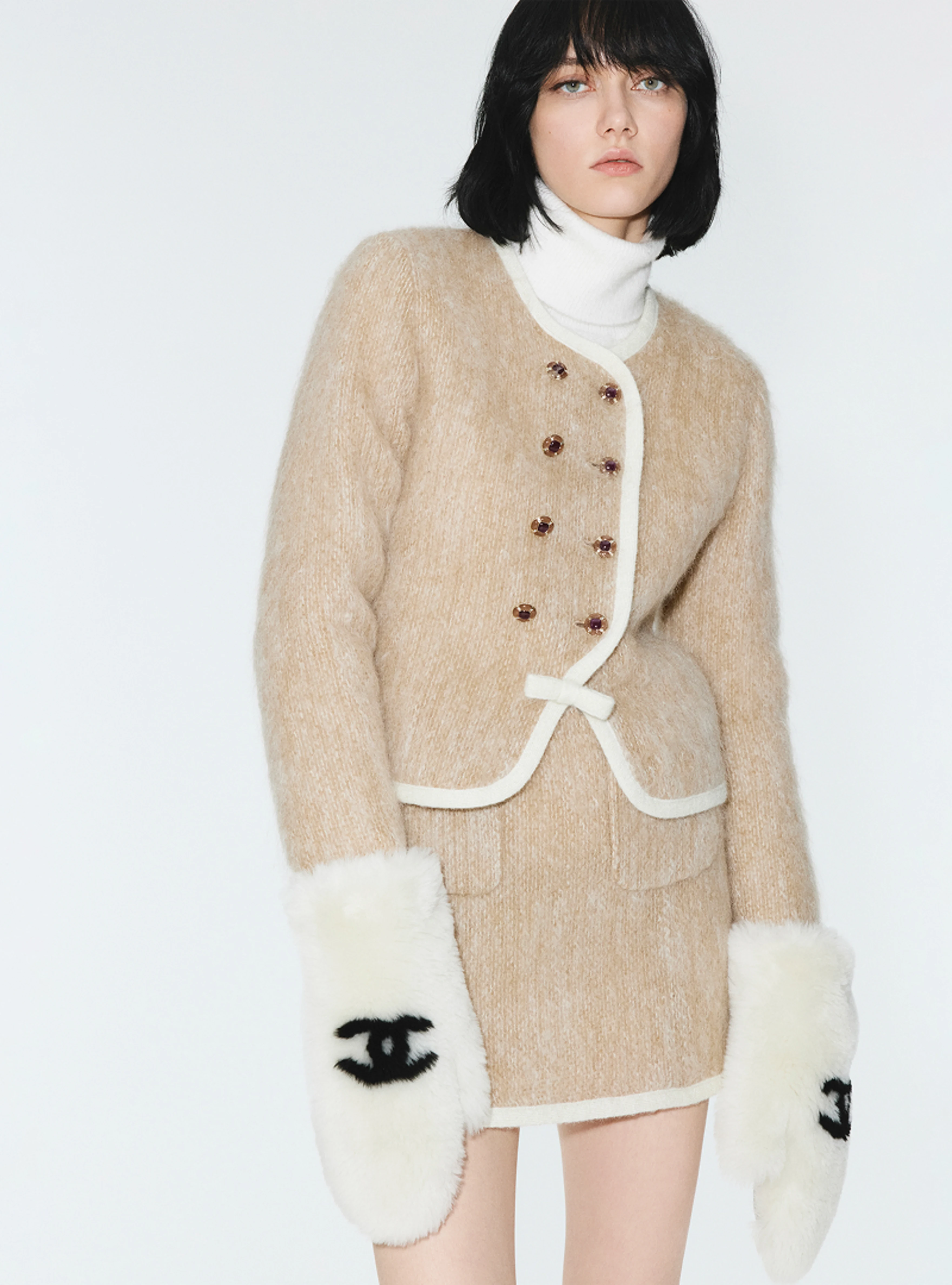
Technologies and materials concealed beneath elegance
Can clothing exist that looks like art yet performs like advanced technology? With Coco Neige 2025/26, the line between elegance and functionality virtually disappears.
The collection is built on synthetic fabrics tested in extreme conditions. Materials evaluated at −15.5°C maintain complete waterproofness while still allowing water vapor to pass through. This means your skin can breathe, even under multiple fabric layers. The membrane used in the jackets has an air permeability rating of 8000 g/m²/24h—it sounds technical, but in practice, it means all-day comfort on the slopes.
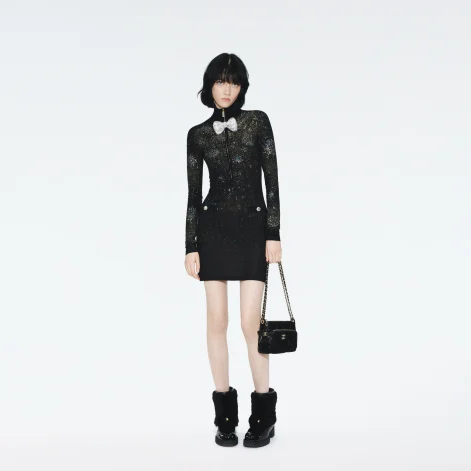
| Material | Properties | Sample clothing item |
|---|---|---|
| Multilayer membranes | Waterproof rating: 20,000 mm, breathability: 8,000 g/m²/24h | Outer jackets |
| Synthetic down | Insulation at −20°C, quick drying | Vest fillings |
| Recycled polyester | Strength 450N, elasticity 15% | Ski pants |
Ergonomics lie in the details that often go unnoticed at first glance. The knees in the pants are anatomically shaped—extra panels provide freedom of movement while riding. The hoods can be detached with a single motion, which comes in handy in a gondola or mountain shelter. The modular accessory system lets you adapt the garment to the conditions—you can add an extra insulating layer or remove unnecessary elements.
I used to think sustainable fashion meant compromising on quality. Here, it’s different. The recycled polyester comes from plastic bottles processed through a specialized method. One jacket uses about 45 bottles. The dyes used in production consume 60% less water than traditional methods—while maintaining color intensity.
It’s actually fascinating how invisible technology can be. You wear something that looks like classic elegance, while underneath it’s powered by solutions borrowed from professional mountaineering gear.
These innovations are driving demand for the collection not only among fashion enthusiasts, but also among those seeking functionality without aesthetic compromise.
Market and cultural impact in the 2025/26 season
The luxury skiwear market has really been gaining momentum in recent years. Data shows a steady annual growth of 5-7% through 2030—which is quite a pace for such a niche segment.
Projected growth of the luxury skiwear market: +5-7% annually until 2030
Chanel is embracing this trend with full force through its Coco Neige 2025/26 collection. Social media has now become the main channel for reaching customers, especially the younger audience. I still remember Jennie’s post from 2021—23,007 likes was quite an impressive number back then. This year’s posts have similar, if not greater, potential, as the reach has grown.
| Indicator | Value/Source |
|---|---|
| Growth of the luxury skiwear market | 5-7% per year (until 2030) |
| Jennie’s post likes (2021) | 23,007 |
| Start of duty-free distribution | 27/10/2025 |
| Exclusive models | Only Japan |
From October 27, 2025, Chanel is expanding its distribution to the duty-free channel. This could be a game changer—people often buy luxury items at airports on impulse. Especially skiers flying to the Alps or Japan.
Japan is getting exclusive models, which is an interesting move. There, ski culture blends with fashion in a very unique way. Japanese skiers spend a fortune not only on equipment but also on how they look on the slopes. It’s not just a sport, it’s a lifestyle.
In Europe, Chanel shapes trends differently. Here, it’s all about tradition, elegance, and understated luxury. In the US, it’s more about showcasing status. These cultural differences influence how the brand positions its products in different regions.
It will be interesting to see whether Chanel can maintain its influence on the industry in the face of growing competition from sports brands that are boldly entering the luxury segment.
Social media engagement will be crucial. Young customers want to see products in action, on real slopes, worn by real people. Sterile studio shots are no longer enough.
The question is—will Chanel’s traditional approach to luxury continue to work in a world where the line between sport and fashion is increasingly blurred?
What’s next for luxury skiing?
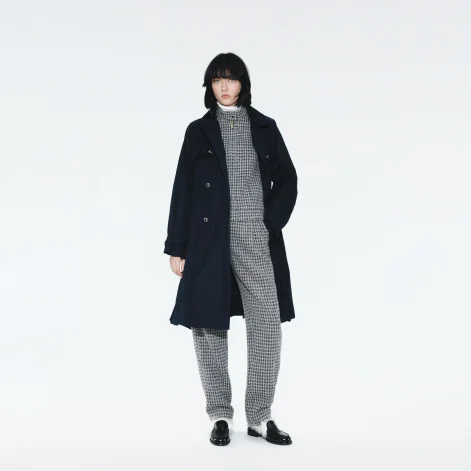
The Coco Neige 2025/26 collection has set the direction for the future of luxury skiing. Now it’s worth considering what comes next.
The industry faces three key challenges that will define the coming years. It’s no longer just about beautiful jackets on the slopes.
1. Virtual fittings will transform shopping
By 2030, Innovation in the form of VR technology will become standard in luxury ski apparel sales. Customers will be able to try on a 15,000 PLN jacket without leaving home. It sounds futuristic, but Nike is already testing such solutions.
For brands, this means investing in new technologies. Brick-and-mortar stores? They probably won’t disappear, but their role will change. They’ll become showrooms, places for experiences.
2. Gender neutrality isn’t a trend—it’s the future
In upcoming Coco Neige editions, we’ll see more unisex designs. Neutrality addresses the needs of younger consumers who don’t want rigid categories.
Generation Z shops differently than their parents. For them, functionality and the ability to share clothes with a partner matter. Chanel gets it.
3. Material transparency will become mandatory
Customers will demand detailed information about the origin of every element of a jacket. Sustainability is no longer optional—it’s a market requirement. Chanel will have to publish precise data about its suppliers and production processes.
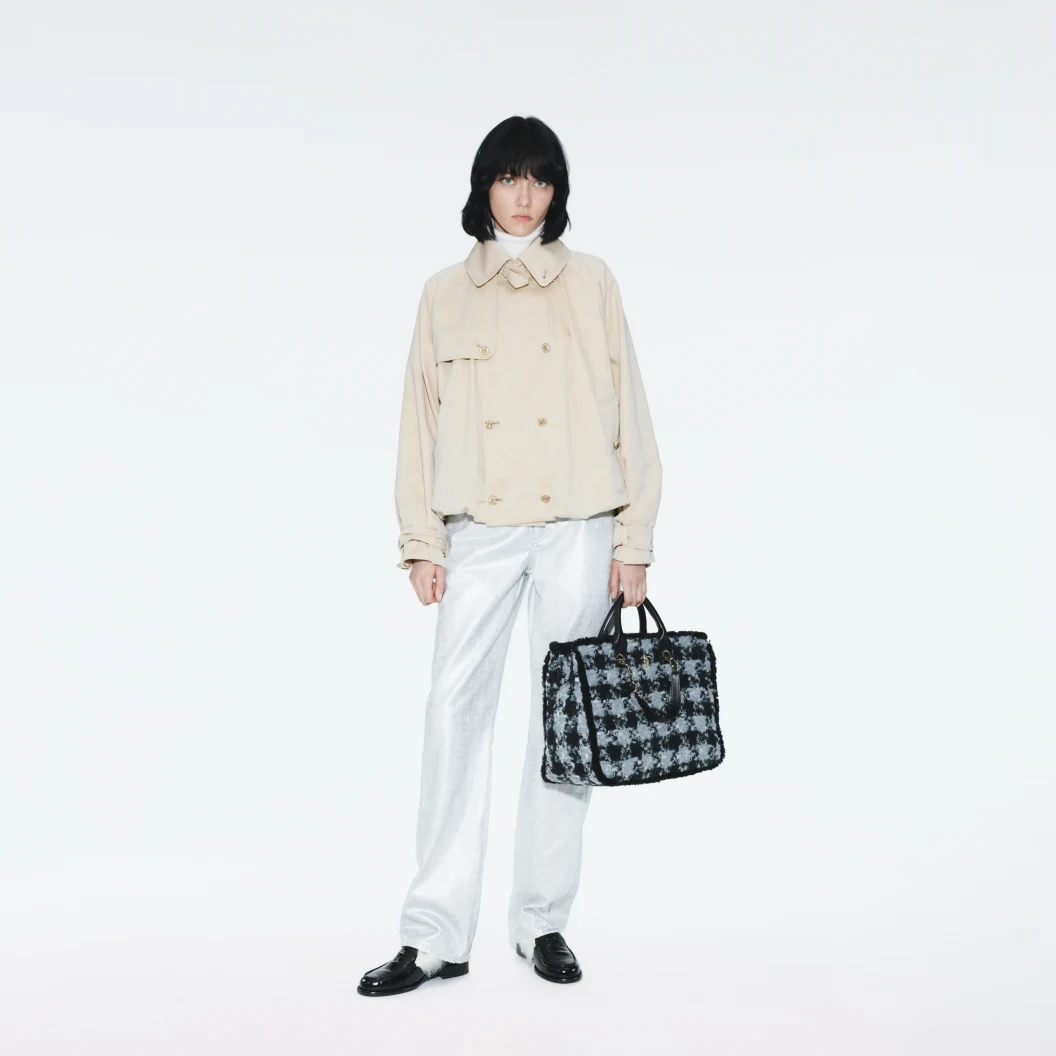
Other luxury brands will follow this path as well. Those who don’t adapt will lose customers.
The luxury ski market is evolving faster than ever before. Technology, demographics, and ecology are shaping a new reality. Will traditional fashion houses keep up with these changes, or will they give way to new players?
Toms Pack
fashion & lifestyle editor
High Class Fashion