
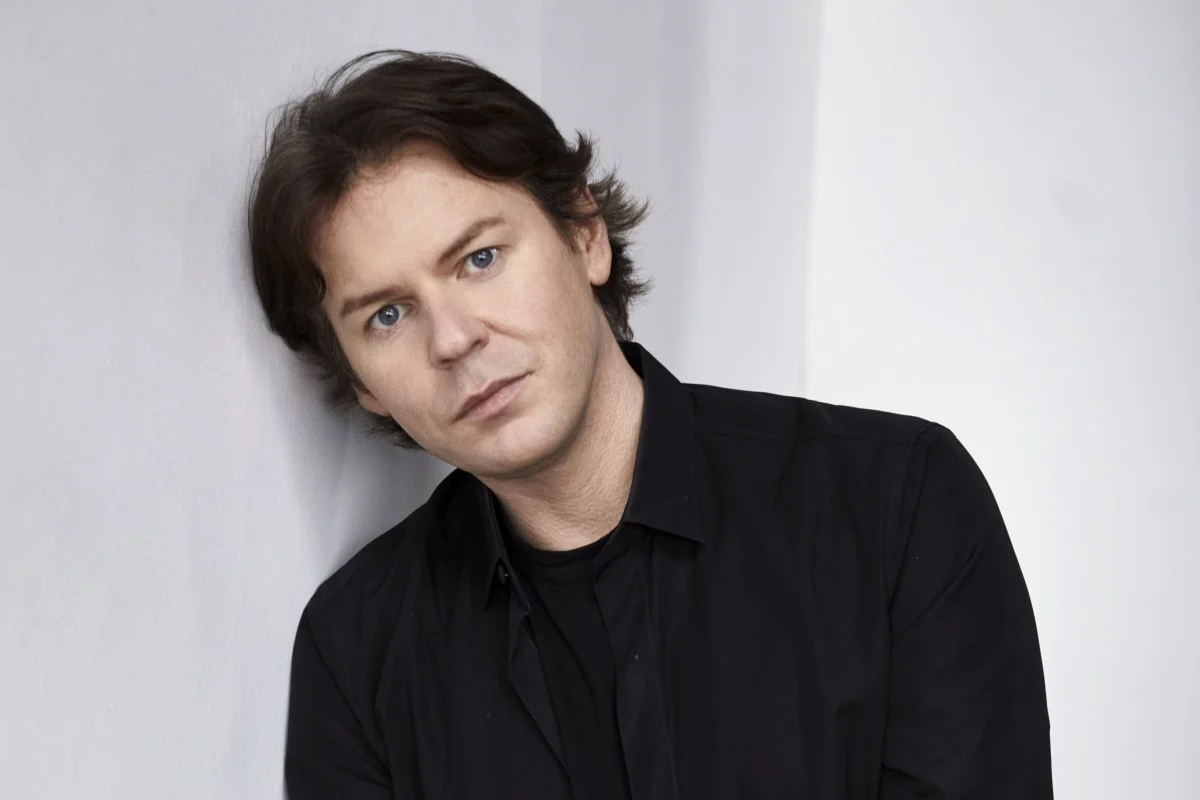
Christopher Kane – born on June 26, 1982, in the small Scottish town of Newarthill near Glasgow – is now one of the most influential designers in contemporary fashion. And perhaps no other creator so boldly fuses gothic darkness with futuristic fabrics. His collections are pure “dark romance”: asymmetry, provocative sensuality, black interwoven with neon flashes, all crafted from materials that just a decade ago seemed like science fiction – laser-cut, neoprene, chainmail, 3D printing.
Christopher Kane – from Newarthill to the world’s runways
Kane doesn’t just design clothes. He creates something more like a fashion laboratory, where fabric stops being a backdrop and becomes the main character. That’s exactly why his designs are worn by Beyoncé, Rihanna, Taylor Swift, and Kim Kardashian — these aren’t just “pretty dresses,” they’re statements. Artists and critics call him the “Scottish genius,” and his name comes up in every conversation about the future of fashion.
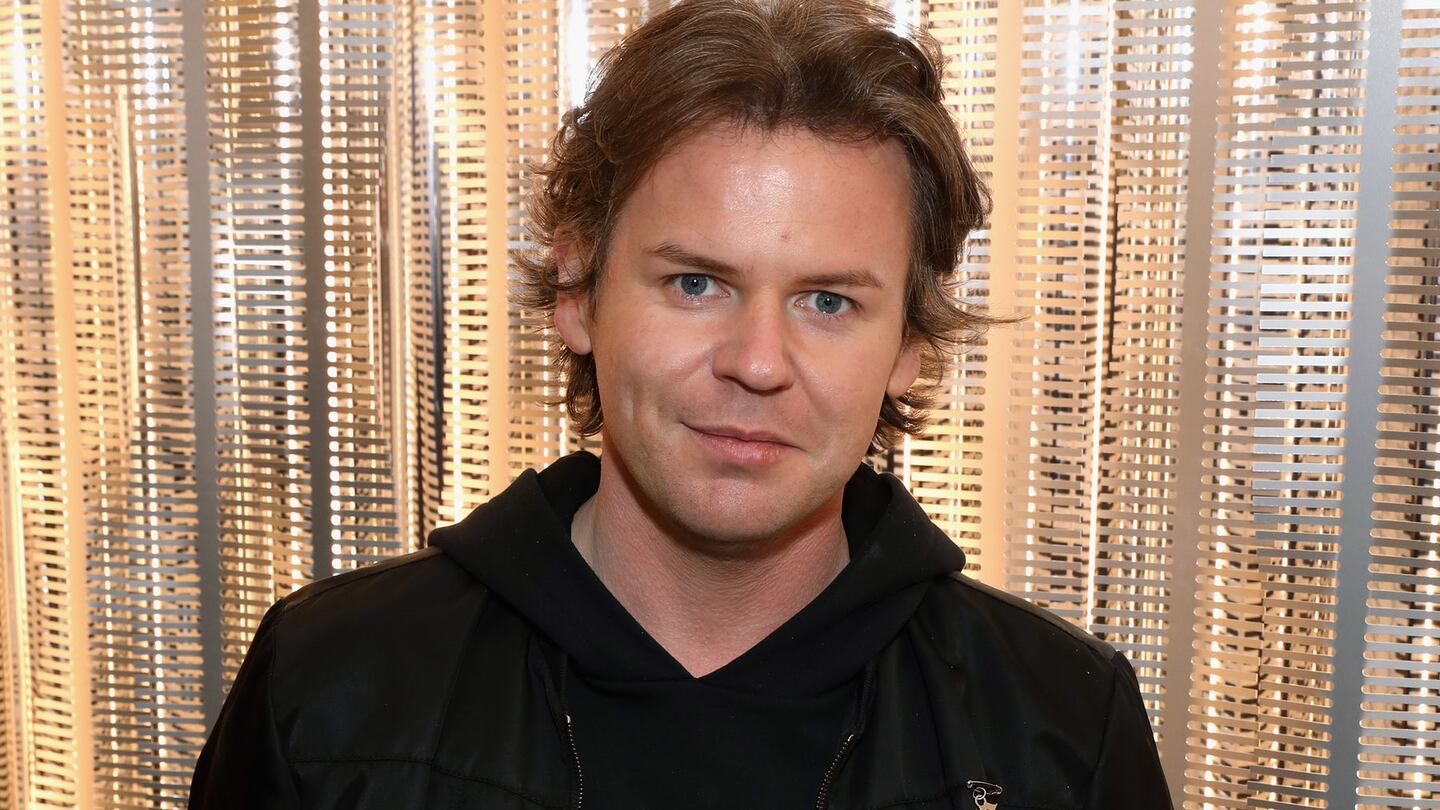
The year 2025 reaffirms this status. The “Dark Cathedral” collection with metallic chainmail, hybrid VR shows, and a capsule collaboration with Uniqlo—Kane proves that innovation doesn’t have to come at the expense of craftsmanship. Later in the article, we’ll take a closer look at his journey from a student collection to a global icon—and how he transforms fabrics into the future.
Christopher Kane’s career and style evolution
The story of Kane begins far from the runways—in Newarthill, a working-class town in Scotland. His father was a mining engineer, and from the age of thirteen, Christopher learned to sew by watching his sisters Tammy and Jenny. Inspirations? Scottish tartan, MTV, punk and goth subcultures—everything that blended tradition with rebellion.
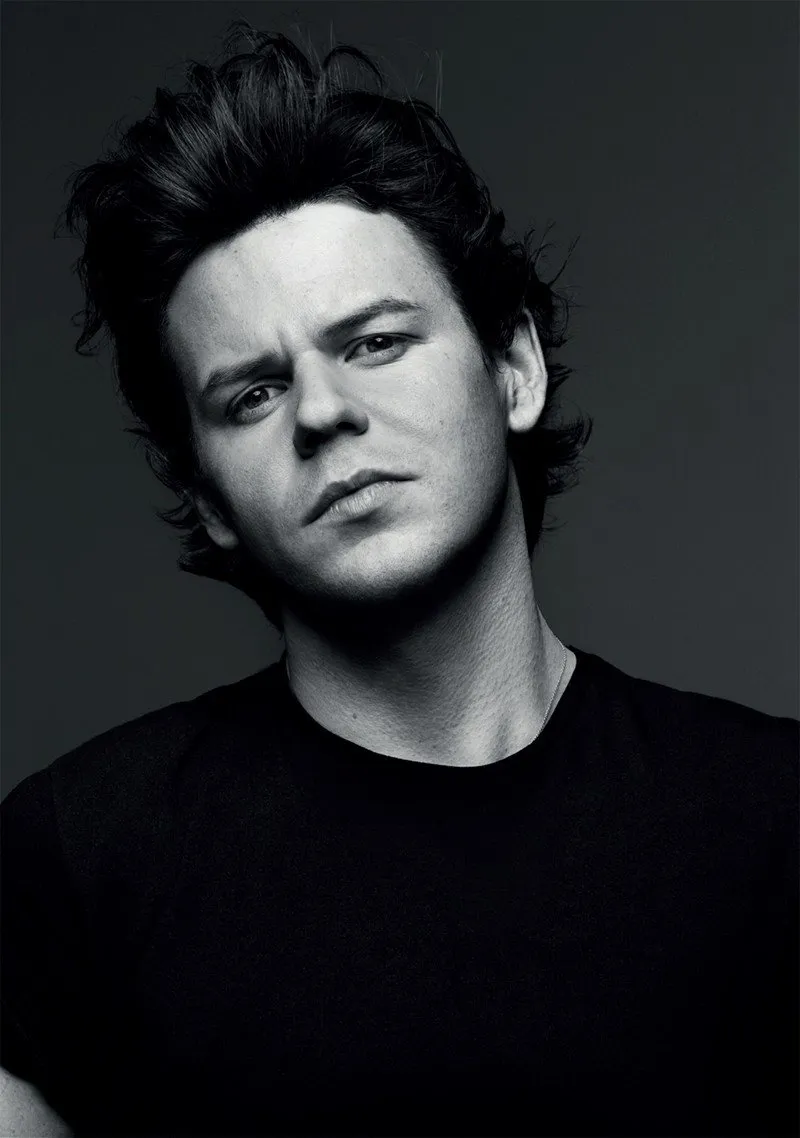
From tartan and MTV to Central Saint Martins
In 2005, Kane graduated from Central Saint Martins, followed by London College of Fashion (MA). His graduation show—20 looks in black and pink, plastic bags, mesh—caught the eye of Sarah Burton. A year later: victory in the CFDA/Vogue Fashion Fund and a debut at London Fashion Week (SS07, “plastic girls”). Between 2009 and 2011, he collaborated with Versus (Versace), and in 2011 he joined Kering—designing for Chloé until 2018.
After leaving Chloé, he focused on his own brand. The 2020 pandemic = digital shows (“homewear goth”). In 2023, restructuring—staff reduced by 50%, but stability returned quickly.
Three style stages: minimalism, romanticism, dark goth

photo: teenvogue.com 2005-2010: raw minimalism, DIY, neon accents
- 2011-2018: romantic luxury, lace, delicacy
- 2019-2025: dark goth + tech fusion, gothic structures
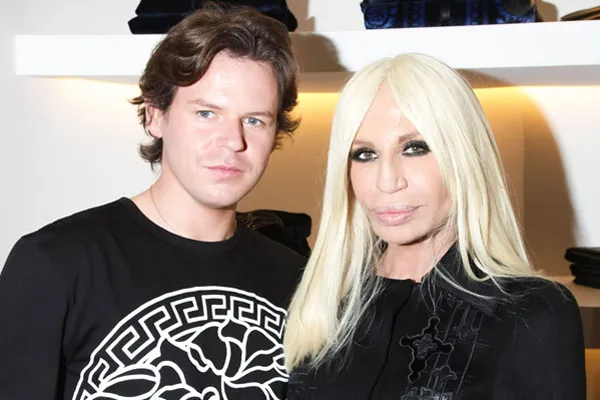
Each era grows out of the previous one – Kane doesn’t leap, he evolves. And behind these changes are specific experiments with materials.
Innovative fabrics, technology, and the brand’s business
In Kane’s studio, fabric is more than just a material—it’s a laboratory. Every meter of neoprene, every laser cut demands surgical precision, and the results look as if they’ve arrived from the future. Or from a very strange dream.
Fabric laboratory: laser, neoprene and 3D print
Key techniques? Laser cutting with 0.1-1 mm precision (perforations that look like pixels), neoprene and elastomers stretching 300-500%, 3D printing with PLA and TPU, silicone-coated chainmail, smart fibers reacting to temperature, and recycled plastics. The process goes roughly like this: CAD design → laser prototypes → hand embroidery → sustainable dyes. Sounds technical, because it is.
Examples? Rihanna in a laser-cut gown at the Met Gala 2015 – the dress looked like a sculpture. Pre-Fall 2025 with chainmail minis, Resort 2025 with asymmetric stretch dresses, AW25 “Dark Cathedral” featuring LEDs embedded in fabrics (yes, they light up). During the 2020 pandemic, Kane created laser-cut tulle masks for the NHS. Uniqlo capsule 2024? Thermoactive prints – color changes triggered by body heat.
A brand between luxury and the mass market
Business: approx. £25 million annually (2024, estimate), over 100 employees, boutiques in London and Milan, Paris planned for 2026. More than 50 proprietary textile technologies. Collaboration with Uniqlo is an attempt at democratization—bringing innovation to the masses. Celebs? Dua Lipa, Beyoncé—both wear it eagerly.
There are controversies: criticism for synthetics, lack of full supply chain transparency, layoffs in 2023. But Kane tries to balance recycling with experimentation. It doesn’t always work, but at least it’s honest.
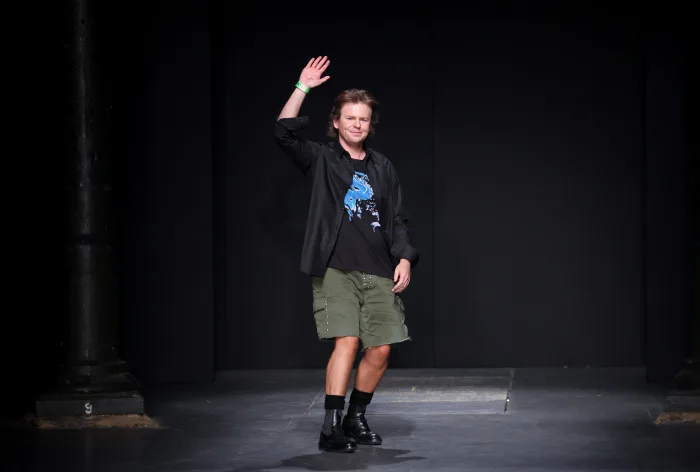
The future of tech-goth and what I can learn from Kane
Kane combined Scottish austerity with global luxury and defined “dark romance” in fashion—a tech-goth movement that today serves as a reference point for young designers. What began with his graduate collection in 2006 has become the language of fashion’s future.
Where is tech-goth headed after 2025?
I see a few specific trends for 2026 and beyond. First: AI is entering fabric design—algorithms will generate patterns and predict how materials will behave. Kane is reportedly already testing such solutions. Second: geographic expansion—a boutique in Paris is planned for 2026, and there are talks about Shanghai. Third: goth futurism is gaining momentum—LEDs woven into fabrics, bio-materials that change color with temperature. And finally: shows in the metaverse. I’m not sure if this is the future or just a passing trend, but Kane is said to be preparing something in VR.
Forecasts predict the brand will grow by about 20% thanks to digital shows and new markets. We’ll see.
My lessons from Christopher Kane
What can I take away from this?
- Observe trends, but don’t copy them blindly – Kane draws inspiration from technique, but never loses sight of emotion
- Experiment with texture – even in high street stores you can find interesting fabrics (Uniqlo capsule collections are sometimes surprisingly good)
- Thinking of clothing as a story – what do I want to say about myself?
- Support local designers – that’s where authenticity lies
It’s worth keeping an eye on Kane’s upcoming collections and consciously observing how technology is making its way into my wardrobe. Because it is—I’m sure of it.
TOM
people & beauty editorial team
High Class Fashion