
The hashtag #cleangirl already has over 4.2 billion views on TikTok, and that number keeps growing every day – it’s one of the most enduring beauty trends of recent years.
You might think this is just another internet fad that will disappear as quickly as it appeared. But Clean Girl is more than that. It’s an aesthetic built on the illusion of simplicity—fresh skin with subtle highlights, hair that looks like you just rolled out of bed (but in the best way possible), minimalist clothing, and an overall impression of effortless beauty. “No-makeup makeup” combined with neatness and a wellness-oriented approach.
Clean Girl – what is it all about?
Why is everyone talking about it right now? Because 2025 is the year when Clean Girl stops being just a social media trend and becomes a lifestyle.
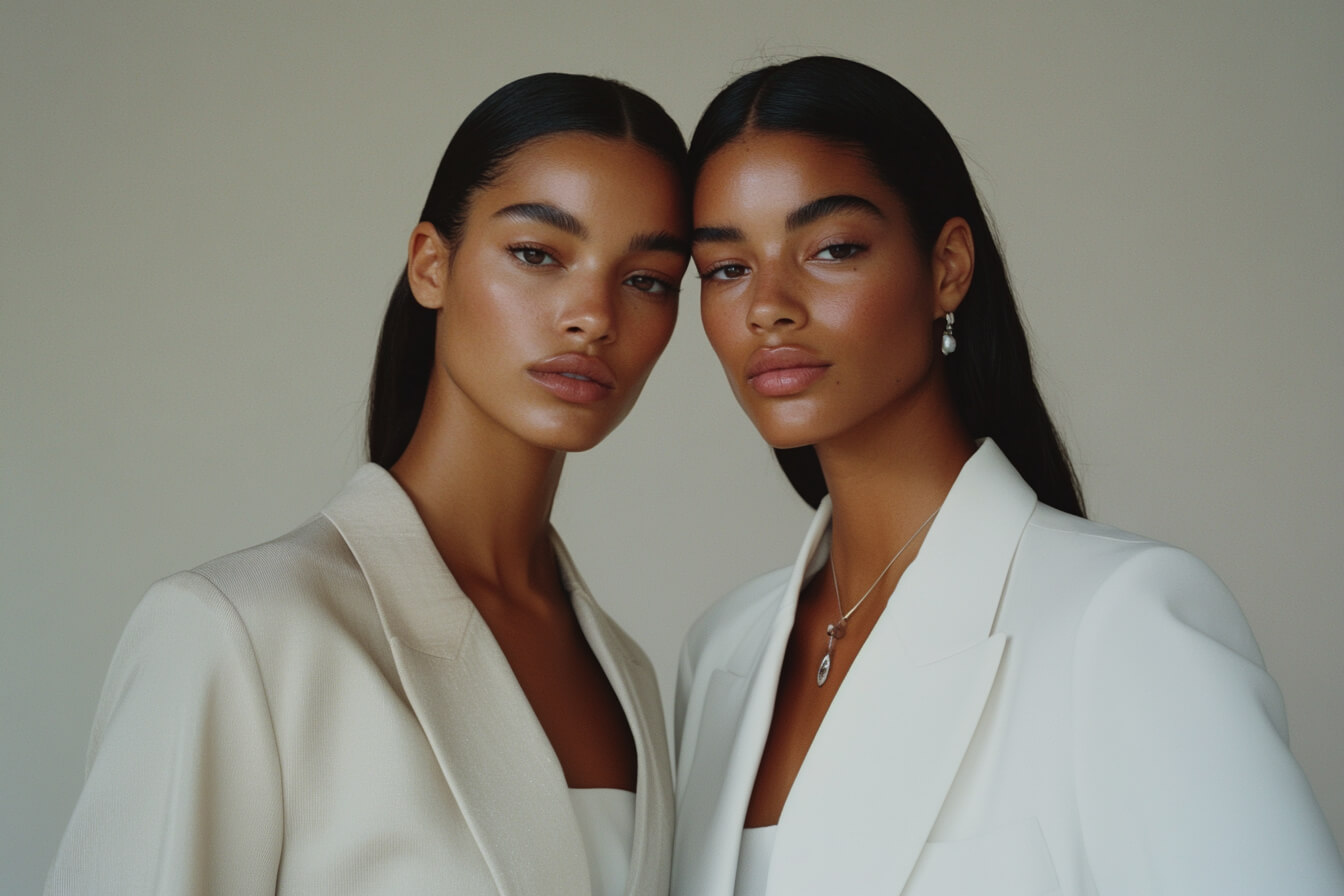
Here’s why this matters now:
- The trend has matured and moved from social media platforms to the real beauty and fashion market
- It perfectly embodies the philosophy of “quiet luxury” – understated elegance without ostentation.
- It responds to fatigue with overly retouched beauty standards
- It connects with the broader “girlhood” movement and authenticity on social media
I’ve noticed myself that my friends are increasingly giving up heavy makeup in favor of something more natural. This is no coincidence.
To truly understand the Clean Girl phenomenon, you need to get to know its specific elements—from techniques for achieving that “wet” hair look, through minimalist makeup, to wardrobe and lifestyle choices. You’ll also need to understand where it all originated and why it sparks so much discussion.
Not everything about this trend is as simple as it might seem. But let’s start with the basics.
Beauty-fashion-lifestyle pillar: what does the Clean Girl look like in practice
She wakes up at 6:30 and immediately reaches for a glass of water with lemon.
Beauty
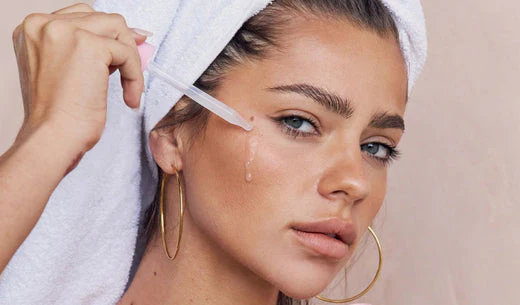
Sequence is key. Start with a hydrating serum—ideally with hyaluronic acid or niacinamide. Next, apply a barrier cream to protect and smooth the skin. Finish with SPF, at least 30. This is the foundation—without it, nothing else matters.
The “no-makeup” makeup look is all about subtle illusion. Tinted moisturizer replaces foundation—it should even out the skin tone, not cover it up. Brow gel is used just to lightly define and shape the brows. Lip oil or a nude gloss—something that mimics natural moisture. Highlighter goes only on the cheekbones and bridge of the nose, and only sparingly. No contouring, no bold eyeshadows.
The difference between dewiness and matte? Dewiness is all about skin that looks slightly moist, as if freshly hydrated. A matte finish is a completely different story.
Hair and nails
Slick back bun is a classic—hair slicked back with gel and tied into a low or mid bun. Or simply straight hair, or loose waves created with a large round brush while blow-drying. Nothing complicated.
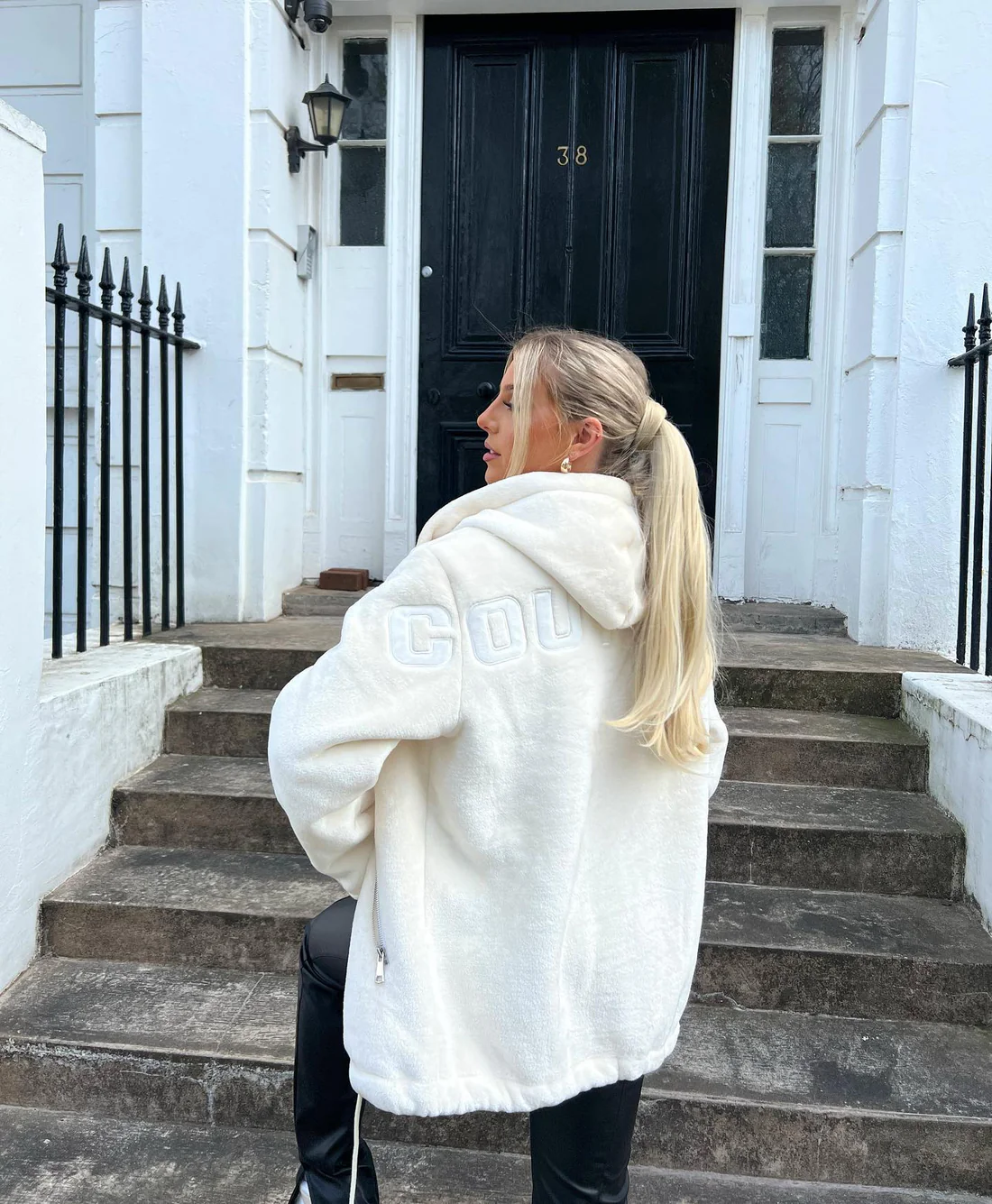
Short nails, rounded or slightly square. Nude, light pink, or simply a clear strengthening polish. Clean manicure will be on trend throughout 2025 —that’s for sure. Maximum length: 2-3 mm beyond the fingertip. Anything more is no longer Clean Girl.
Fashion
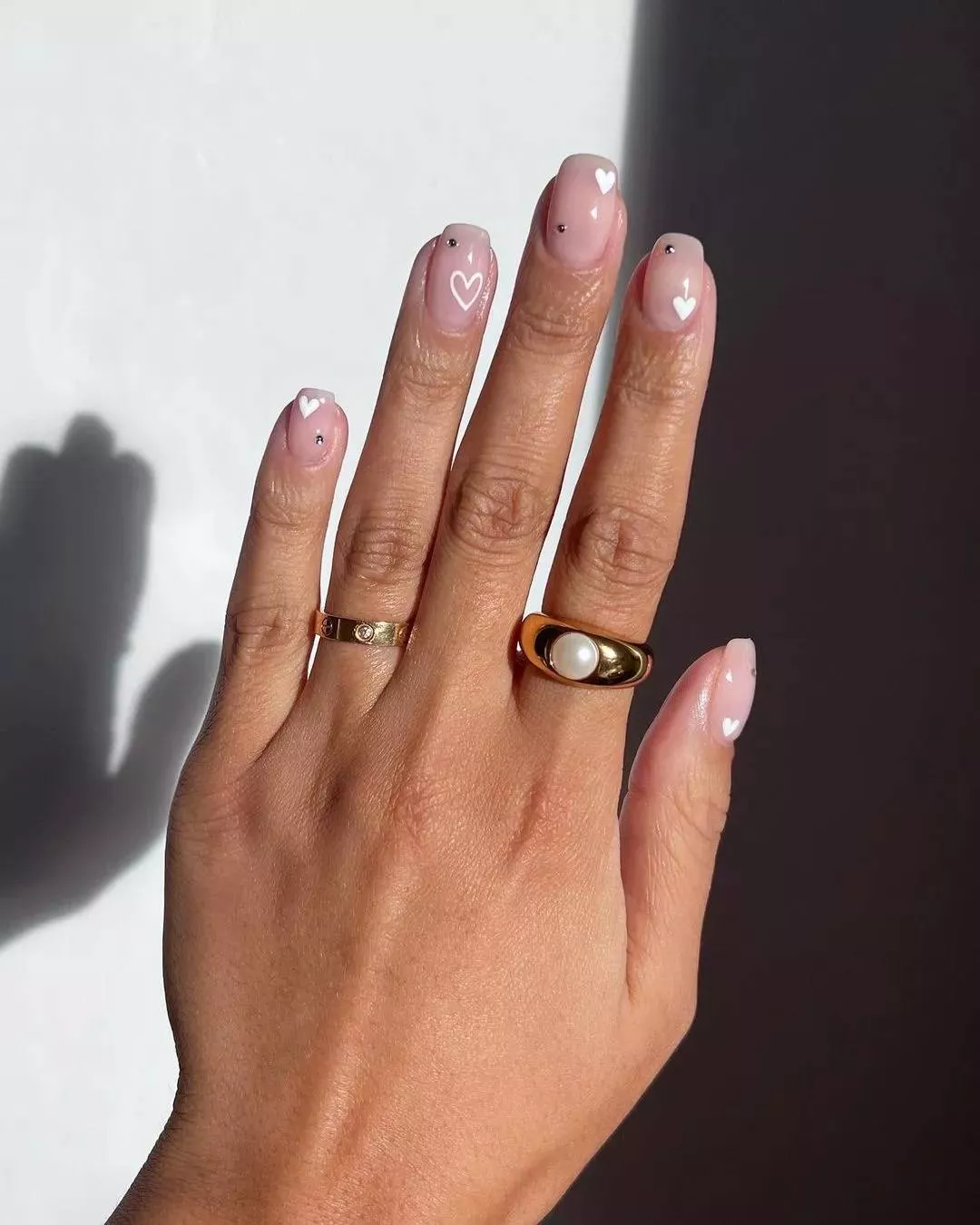
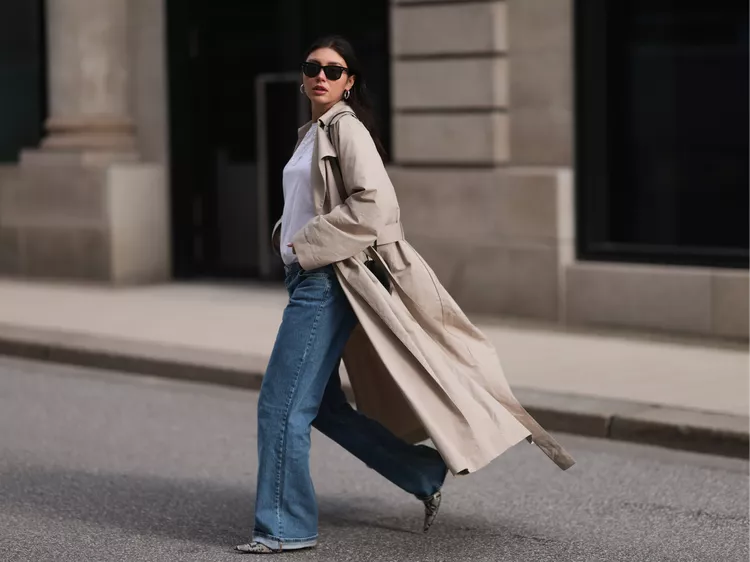
Color palette: white, beige, gray, pastel blues and pinks. Occasionally a hint of soft mint green. Nothing bright, nothing loud.
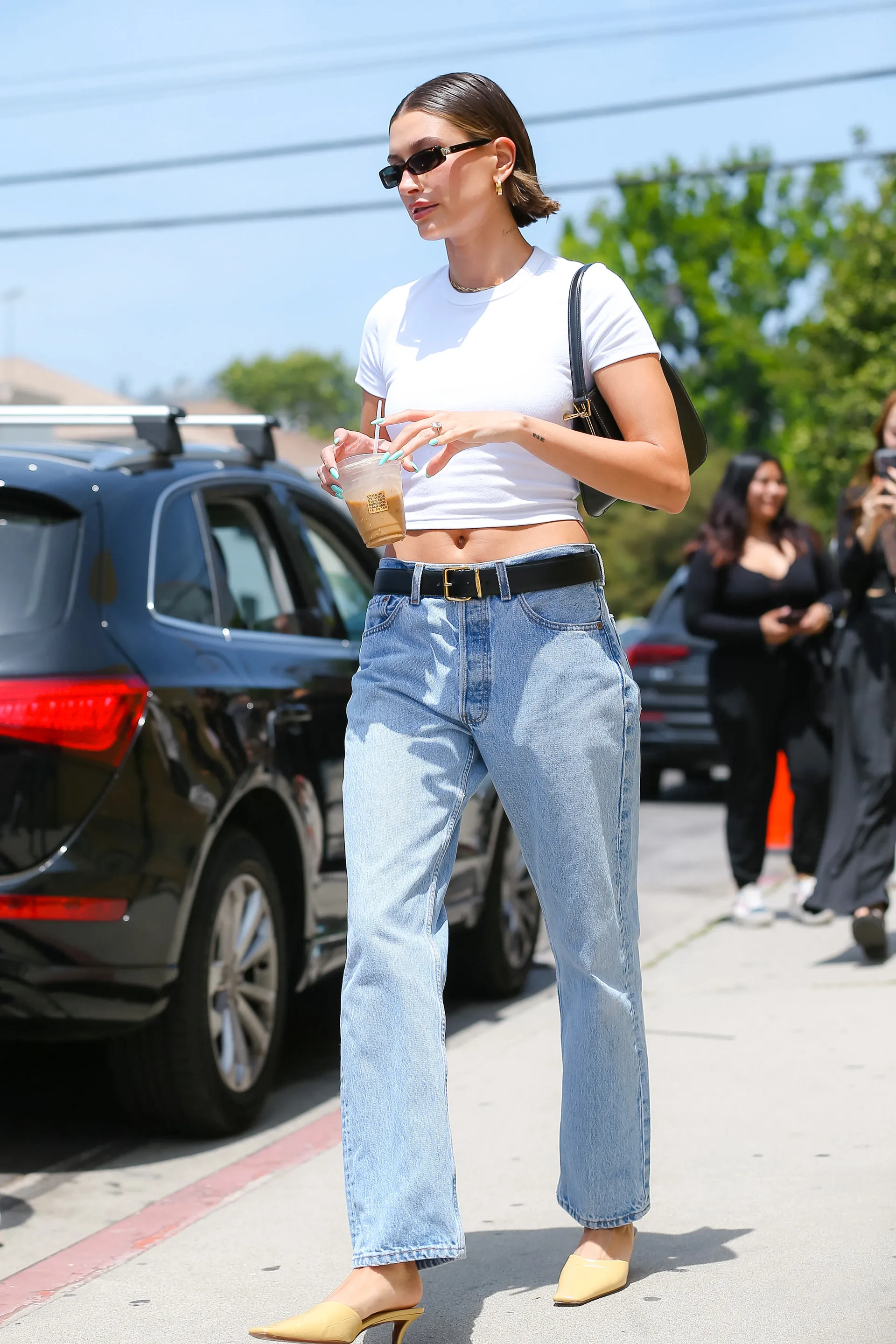
The core styles include baggy
Minimal jewelry: gold hoops in the ears, thin chains, maybe a delicate ring. All in the same metal, preferably gold or silver.
A capsule wardrobe is essential—30 to 40 pieces that all work together. Each item matches with at least three others.
Lifestyle
Rituals are simple but consistent. Lemon water in the morning. A smoothie for breakfast or oatmeal with fruit. Lunch is often a salad with avocado and chicken. Dinner is light, preferably before 7:00 PM.
Physical activity should not be intense. Yoga, pilates, walking, sometimes light jogging. Nothing that causes excessive sweating or a flushed face.
Minimalist space – white walls, natural materials, few belongings. Order is not just visual, but also mental. Habit-tracking apps can help, but they shouldn’t become an obsession.
10 minutes of meditation a day. Sometimes it’s just deep breathing with your morning coffee.
| Category | What to pay attention to |
|---|---|
| SPF | Minimum 30, lightweight texture, no white cast |
| Tinted moisturizer | Coverage 20-30%, matches skin tone |
| Jeans | Baggy or straight fit, colors: light blue, white, beige |
Where it came from and who it changes: origins, evolution, and impact
I remember that moment exactly – July 2022, I’m scrolling through TikTok and I see a girl with wet hair, no makeup, just saying “clean girl energy.” She had a million views in two days. No one knew back then it would be a revolution.
The Clean Girl timeline shows just how quickly an aesthetic can spread in the age of social media:
• 2021 – The first TikTok posts with the hashtag #cleangirl, mainly from African American influencers
• 03.2022 – Hailey Bieber shares her “morning routine,” and the boom truly begins
• 07.2022 – In Poland, the first major reactions appear, and TikTok is flooded with imitators
• 2023 – Trend consolidation, brands launch “no-makeup makeup” lines
• 2024 – Expansion into wellness and mindfulness, connection with the “that girl” movement
• 2025 – Evolution towards quiet luxury, less TikTok, more Pinterest
The market impact exceeded all expectations. Sales of minimalist products rose by around 25% in 2023. Glossier reported record results, The Ordinary struggled to keep up with serum demand, and CeraVe became synonymous with “effortless beauty.” In Poland, the trend encompassed about 30% of women aged 18-28—these figures come from Ipsos research conducted at the end of 2022.
An interesting thing about these influencers is that Sofia Richie or Matilda Djerf didn’t consciously push the trend. They simply lived within this aesthetic, and the algorithms did the rest. This shows how the mechanism of creating trends has changed.
Demographically, Clean Girl is primarily Gen Z, especially women aged 18-28. It’s estimated that around 70% of them have engaged with this trend. Instagram and TikTok fueled the movement, but Pinterest also proved important—users searched there for inspiration on “scandi girl” or “european summer.”
This blending of aesthetics is truly fascinating. Clean Girl merged with normcore, then with quiet luxury, and now I see it in the context of “girlhood”—that childlike, innocent approach to femininity. It’s no longer just about beauty; it’s an entire lifestyle.
Brands quickly caught on to which way the wind was blowing. Not just beauty brands—H&M and Zara launched “effortless chic” collections, while wellness brands like Goop and The Nue Co. began positioning themselves as part of the Clean Girl ecosystem.
But it’s the very maturation of this trend that reveals its weaknesses. The more mainstream it becomes, the more questions arise about accessibility, authenticity, and social pressure.
“The best trend is the one that works for you, not the other way around.”
By 2026, I expect an evolution towards the “eco-clean girl” trend—with a stronger focus on sustainability rather than just aesthetics. There will probably also be a backlash, as people will get tired of the pressure to keep things simple. AI might start personalizing routines, which sounds cool but also a bit dystopian.
Ultimately, Clean Girl is a tool, not a goal in itself. You can use it consciously, selectively, and with respect for your own needs. And if one day you feel like wearing a full face of makeup? That’s perfectly fine too.
Klara
lifestyle editor
High Class Fashion