
In the fourth quarter of 2024, Coach jumped into the top 20 of the global Lyst Index—and made quite an entrance. Searches for the brand increased by over 140% year-on-year.
How Coach Jumped from “Accessible Luxury” to the Global Elite
This is one of the biggest leaps in the entire luxury segment in recent times. For a brand that was until recently seen as “good, but nothing spectacular,” this is truly a major achievement.
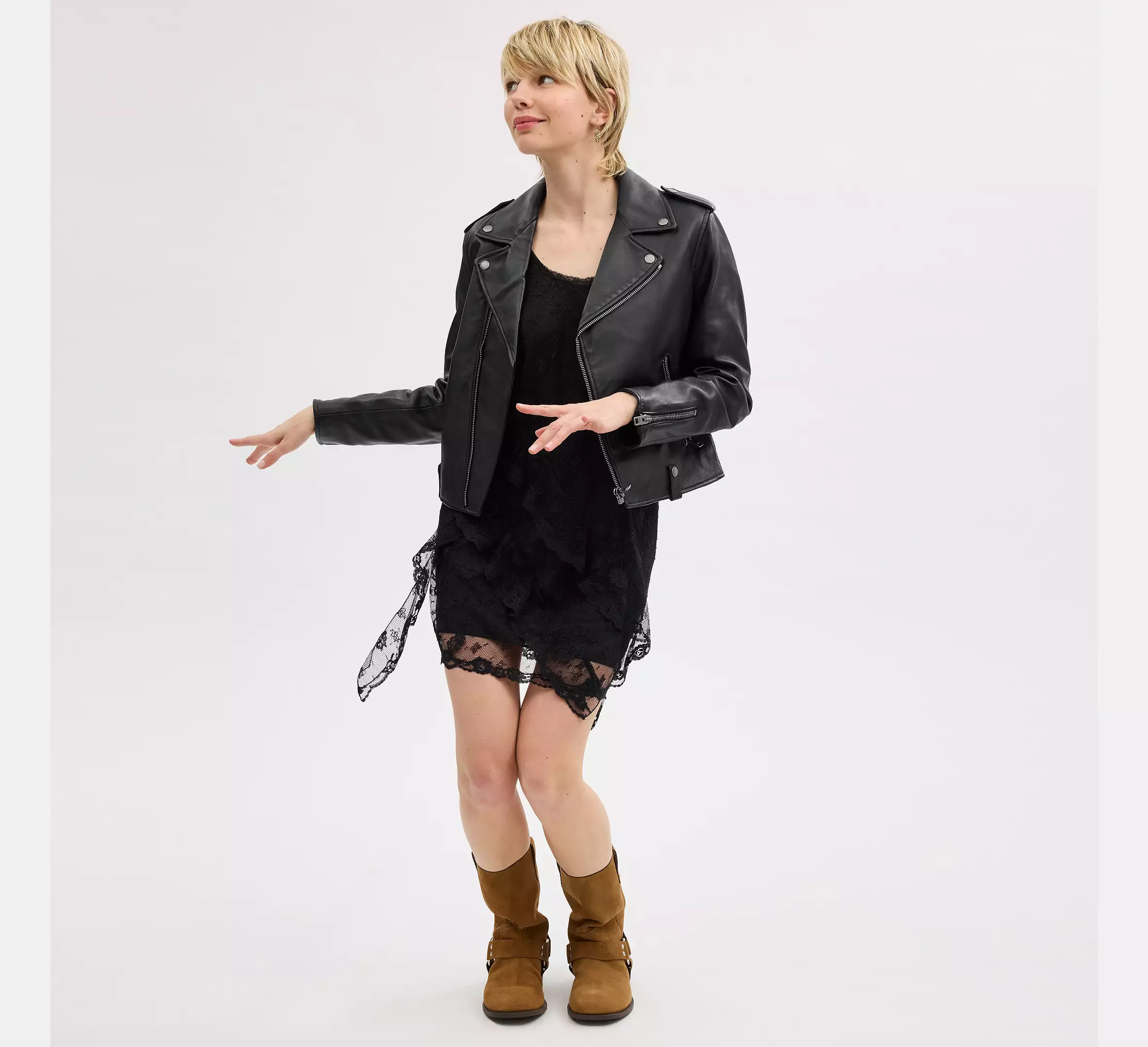
Why is everyone suddenly talking about Coach?
The Lyst Index is something of a global barometer of fashion desirability. It analyzes:
- millions of online user searches,
- conversion and sales data,
- engagement on social media.
In other words – if people are searching for your brand, clicking, buying, and tagging on Instagram, Lyst will notice. And in this ranking, Coach unexpectedly appeared alongside Louis Vuitton, Gucci, and Miu Miu. The difference is that its prices are still noticeably lower – we’re talking about “affordable luxury,” which turned out to be a bullseye in the era of quiet luxury.
How did this actually happen? Where did this sudden surge of interest come from? And what does this promotion mean for the Polish consumer who’s looking for something more than fast fashion, but doesn’t necessarily want to spend half a paycheck on a handbag? More on all of this – in a moment.
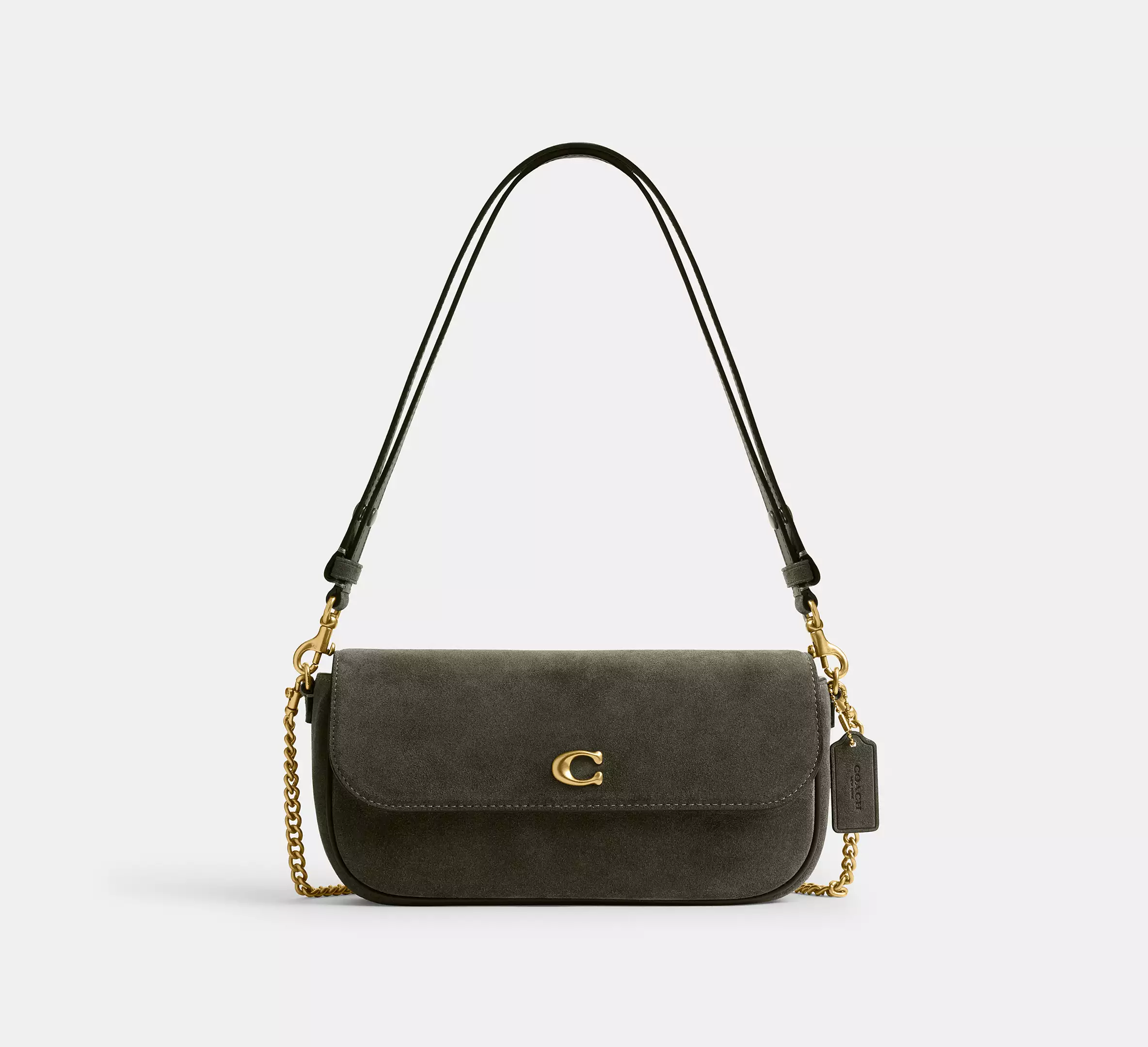
From baseball gloves to iconic handbags
When Lillian and Miles Cahn opened a small leather workshop in Manhattan in 1941, they probably never dreamed their brand would become a symbol of American luxury. And yet. The story of Coach began in a truly humble way—with six craftsmen and a simple observation. Cahn noticed that baseball gloves become softer and more flexible over time. This natural aging process of leather inspired an entire line of wallets and handbags—crafted from leather designed to “mature” alongside its owner.
In the 1960s and 70s, the brand flourished. Coach handbags found their way into the upper middle class—they weren’t as extravagant as European haute couture, but they were sturdy, functional, and damn well made. That was the essence of “American luxury”—no unnecessary embellishments, just a focus on quality craftsmanship.
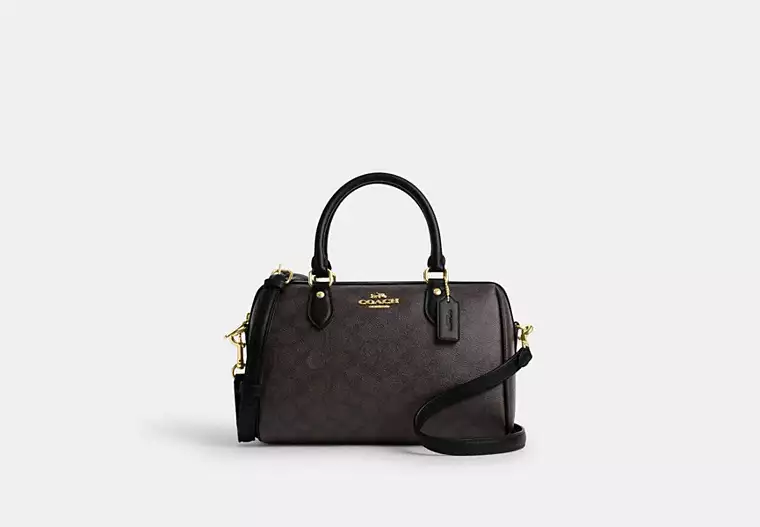
Crisis, rebranding, and the birth of the new Coach
The expansion of the 1980s and 1990s, however, brought a problem that initially looked like success. The acquisition by Sara Lee Corporation in 1985, followed by going public in 2001—everything seemed to be going according to plan. But as it turned out, it was all happening too fast. Around 2013, the brand found itself in trouble. Overproduction, too many outlets offering discounts, the recognizable logo everywhere—Coach lost its prestige. What was once luxury became “mass luxury,” accessible to everyone.
| Year | Key event |
|---|---|
| 1941 | The workshop was founded by Lillian and Miles Cahn |
| 1985 | Acquisition by Sara Lee Corporation |
| 2001 | Debut on the New York Stock Exchange |
| 2013 | Image crisis and the beginning of rebranding |
| 2017 | Inclusion in Tapestry, Inc. |
| 2020–present | Shift to the “hot luxury” segment |
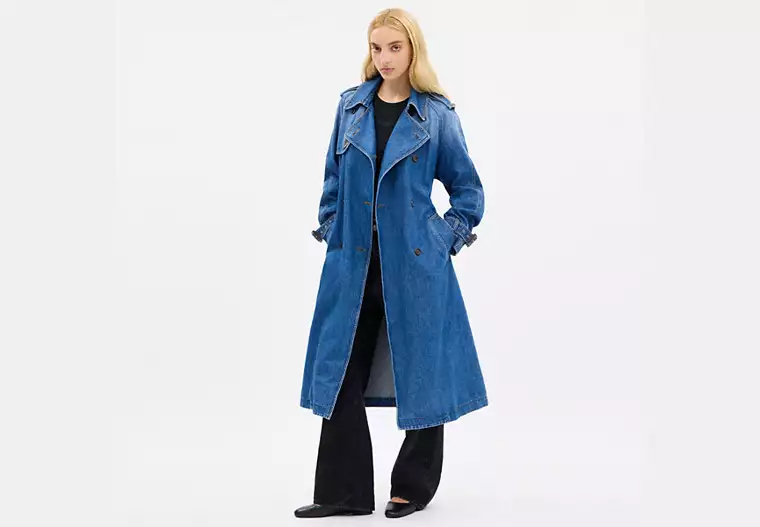
The turnaround happened gradually. Management reduced the number of outlets and returned to its roots—quality and craftsmanship. The acquisition by Tapestry, Inc. in 2017 brought a new strategy and capital. But the real change came after 2020, when Todd Kessinger (marketing) and Joshua Schulman (CEO since 2022) focused on refreshing the brand image. Collaborations with celebrities, going viral on TikTok, icons like Tabby and Pillow Tabby—suddenly, Coach was no longer “your parents’ brand” and became highly sought after by Gen Z. Accessible luxury? More like hot luxury. And it’s this long process—from the workshop, through crisis, to strategic renewal—that laid the foundation for today’s rise in the rankings.
What’s next for Coach – implications of the promotion for clients and the luxury market
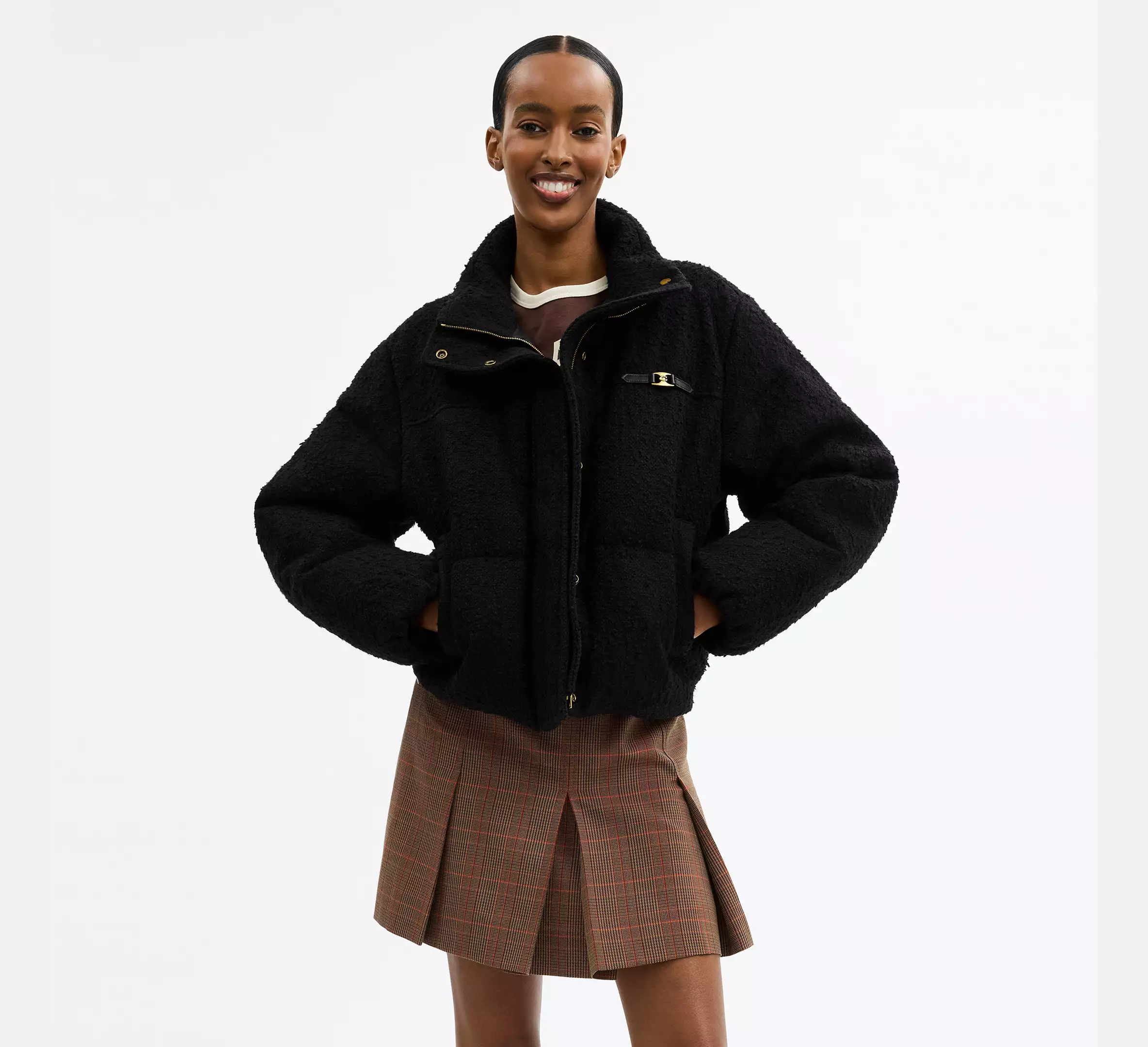
If you think Coach’s rise in the Lyst rankings is the end of the story—it’s actually just the beginning of a bigger trend. Lyst analysts are quite open about the fact that the brand could break into the global top 10 luxury brands as early as 2026. This isn’t just wishful thinking—looking at the numbers, Coach has a real shot. Tapestry Group (the brand’s owner) is aiming for around $8 billion in revenue, with a clear strategy: Asia, e-commerce, and collaborations designed to attract younger customers.
Quiet luxury + AI? Coach bets on the future
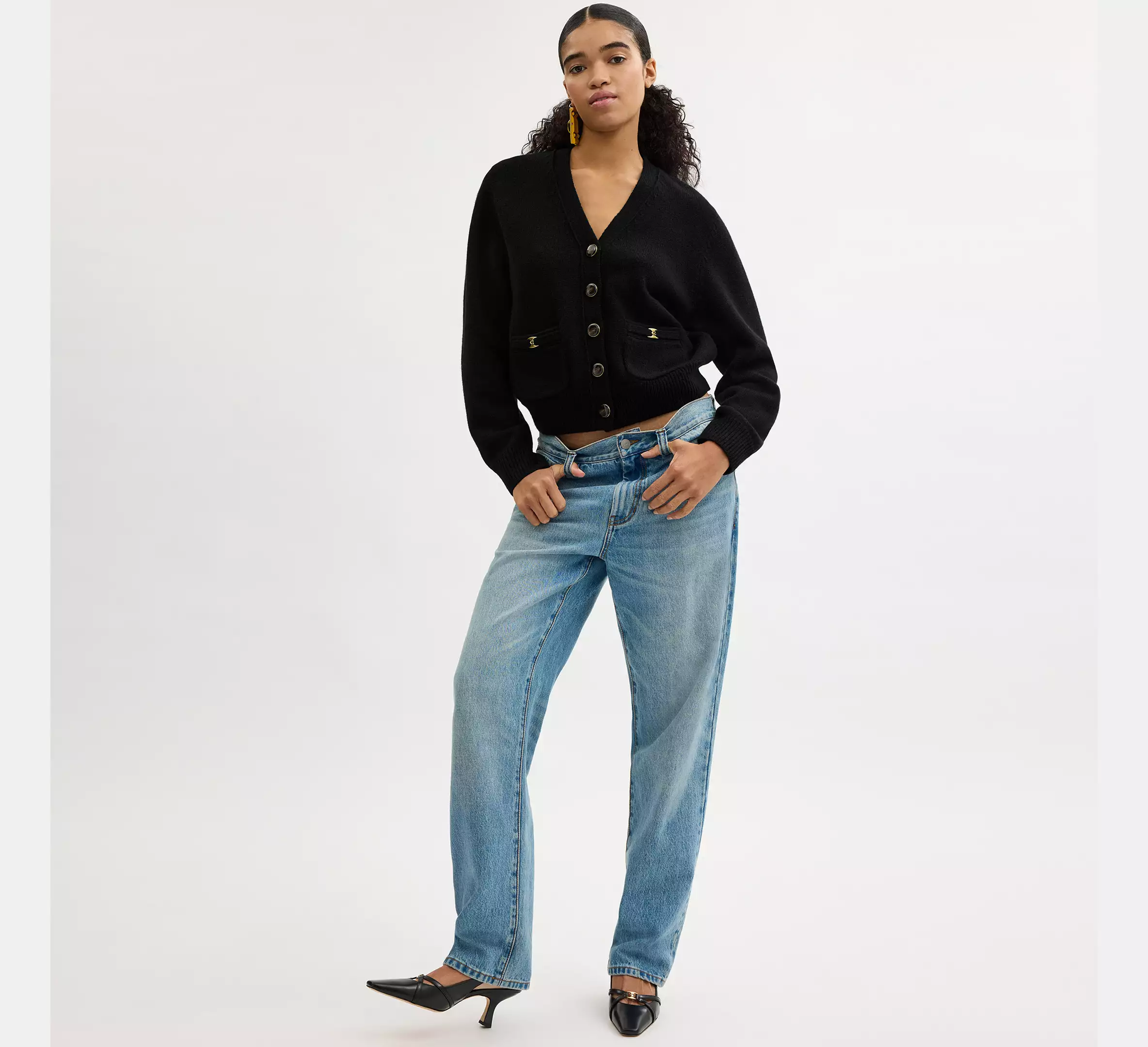
Interestingly, the brand isn’t standing still. The Spring collection 2026 will be the first to use AI design—not full automation, but support for the creative process. Add to that more collabs: after successes with Selena Gomez and streetwear capsules, Coach is now eyeing partners from the sports and tech worlds. And all of this is happening in the context of “quiet luxury”—the trend that has customers seeking quality without flashy logos.
One more thing. Social commerce on TikTok really works—the younger generation shops for luxury differently than their parents. It’s no longer just about a boutique at Złote Tarasy, but about what they see on an influencer or what’s recommended by AI.
Before you buy your first (or next) Coach bag, it’s worth asking yourself a few questions. Is the Lyst ranking your top priority, or do you prefer to check user reviews and craftsmanship? Keep an eye on the brand’s moves—new collaborations, boutique openings in Warsaw or Kraków, changes in the online offer. Coach is no longer what it was five years ago. And that’s exactly why it’s worth keeping on your radar—whether you’re planning a purchase or just enjoy following how the luxury market is evolving.
MOOD MI
business editorial
High Class Fashion