
In 1999, Time magazine included only one fashion designer on its list of the 100 most important people of the 20th century. It wasn’t Vivienne Westwood or Donna Karan. It was Gabrielle “Coco” Chanel—a woman who, over the course of a few decades, completely transformed the way we think about luxury.
Chanel sparked a revolution that can be summed up in one sentence: luxury doesn’t have to be heavy, ornate, or uncomfortable to be genuine. At a time when elegant women wore corsets that squeezed their ribs and dresses made from yards of silk, she offered something entirely different. Jersey—a fabric previously associated with men’s underwear—became her weapon against the established rules of fashion.
How Coco Chanel Simplified Luxury
It sounds obvious today, but back then it was scandalous. Chanel proved that a woman could look elegant without pretending to be a living doll. Her “less is more” approach wasn’t just a marketing slogan—it was a philosophy that freed women from the shackles of restrictive clothing. Functionality was no longer the enemy of beauty.
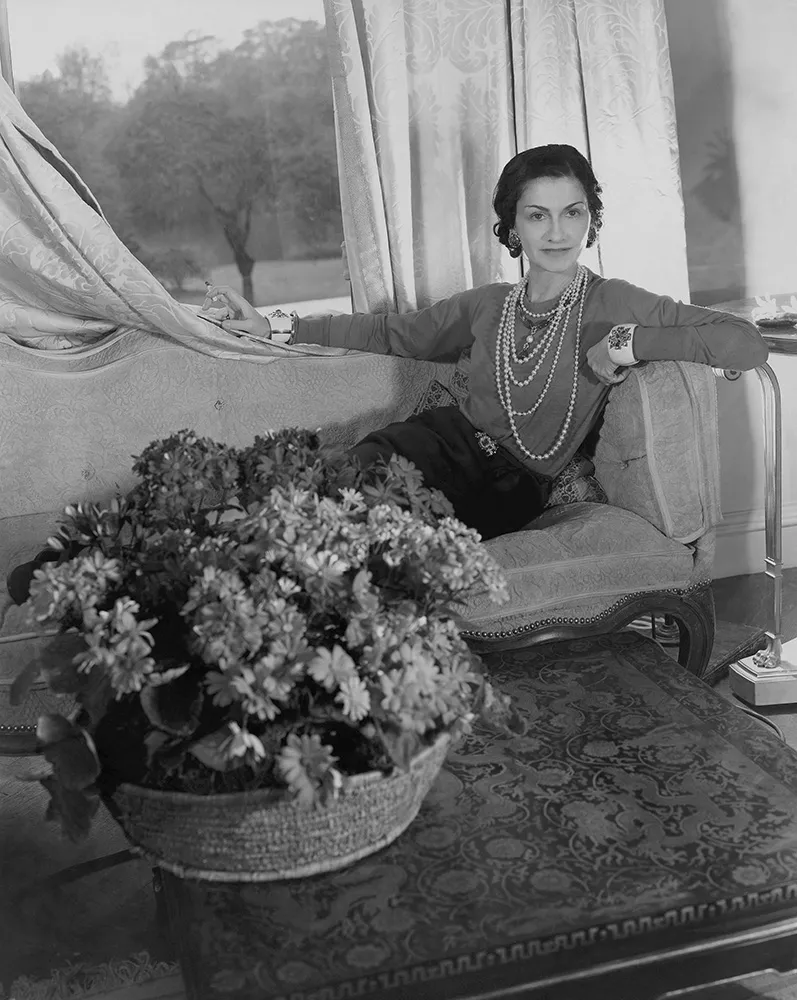
Was this revolution worth it? Just look at the numbers from 2023. Chanel generated revenues of $19.7 billion, operating more than 310 boutiques worldwide. This is no coincidence—it’s proof that the idea of simple elegance has stood the test of time.
Contemporary women still choose brands that offer them what Chanel introduced over a century ago: the freedom to be themselves without compromise. Her influence is evident not only in haute couture, but in the entire way we think about what luxury should look like.
So how did a humble milliner from the provinces become the creator of a global empire? The story of this transformation shows that sometimes one person can change the entire world.
From Deauville to a global empire – history and evolution
Gabrielle Chanel was born on August 19, 1883, in the small town of Saumur. After her mother’s death, she was sent to an orphanage, where the nuns taught her how to sew. This became the foundation for everything that followed.
In fact, few people know that Chanel started out with hats. In 1909, she opened her first atelier at 21 rue Cambon in Paris. But the real breakthrough came in 1913, when she opened a boutique in Deauville. Jersey—the fabric previously used only for underwear—became her weapon against stiff corsets.
Development timeline:
• 1909-1913 – The first hat atelier, followed by a boutique in Deauville using jersey during World War I
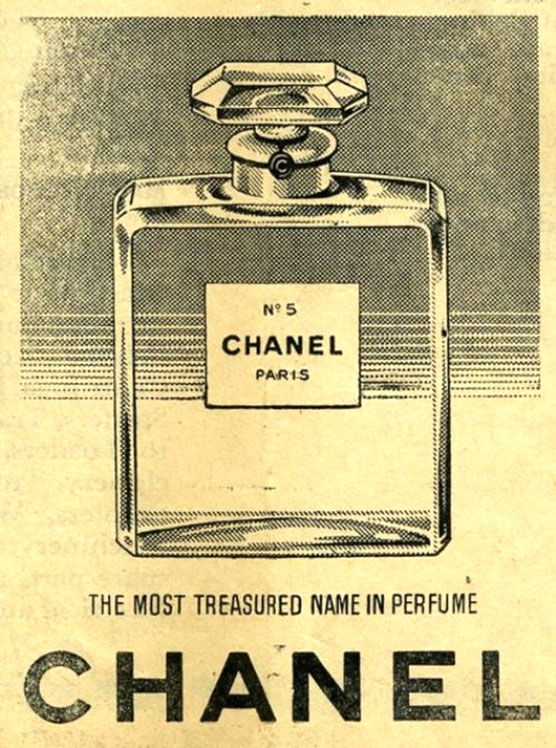
• 1921 – The launch of Chanel No. 5, the first perfume to bear the name of a fashion designer
• 1926 – The “little black dress” appears on the cover of Vogue, which compares it to the little black Ford
• 1929-1935 – Expansion into costume jewelry as a response to the Great Depression
• 1939 – Closure of all boutiques due to the outbreak of World War II
• 1954 – The return of 70-year-old Chanel to the fashion scene after a 15-year absence
• 1983 – Karl Lagerfeld becomes artistic director after the founder’s death
• 2019 – Virginie Viard takes the helm after Lagerfeld, with the Wertheimer family retaining ownership
World War I turned out to be a real blessing for Chanel. Women had to work and needed comfortable clothes. Jersey was cheap, practical—perfect for tough times. While other fashion houses struggled, Chanel went from strength to strength.
The 1920s were her time. No. 5 perfume in 1921—who would have thought that a fragrance would bring in more money than clothing? The partnership with the Wertheimers turned out to be crucial, although Chanel later regretted giving them as much as 70% of the shares. The “little black dress” from 1926 became the uniform of the modern woman.
The 1929 crisis? Chanel was clever once again. Costume jewelry—imitation pearls, chains—allowed women to look elegant for a reasonable price. Diversification saved the company.
Then the war came and everything came to a halt. Chanel closed her boutiques in 1939. Fifteen years of absence—that was an eternity in the world of fashion.
Chanel’s return in 1954 at the age of 70 was an act of desperation, but it turned out to be a brilliant business move that cemented the brand’s legend. In France, she was ridiculed—fashion had shifted toward Dior’s “New Look,” femininity, and crinolines. But in America, they understood. American women needed practical, elegant clothes for work.
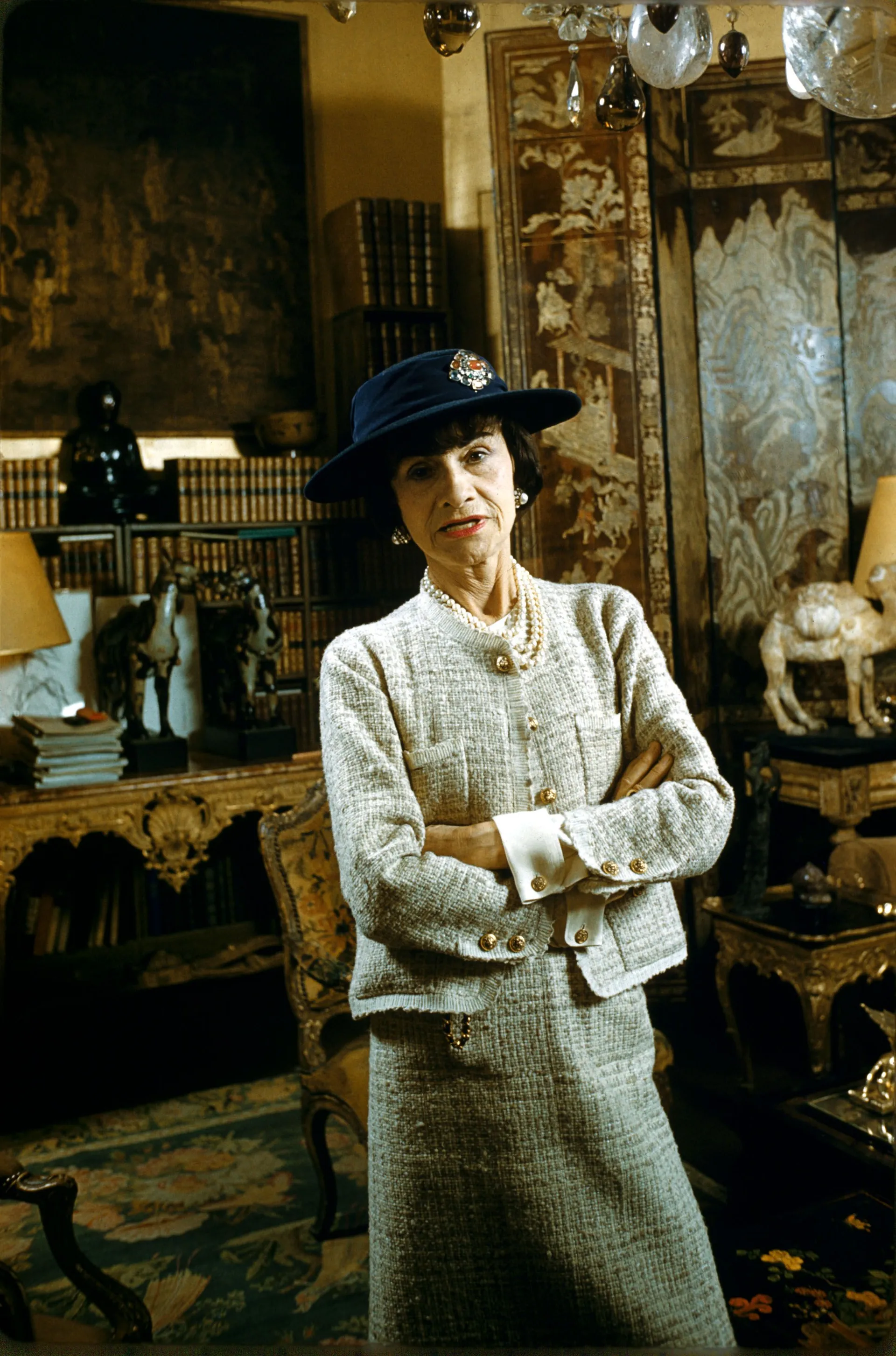
Chanel died on January 10, 1971. The company went through a crisis during the seventies. The perfumes were selling well, but fashion? No one knew what to do with this legacy.
Lagerfeld in 1983—it was a revolution. He took the codes of Chanel and translated them into a contemporary language. He didn’t change the brand’s DNA, he simply refreshed it. Thirty-five years under his leadership marked a period of steady growth and strengthening of its global position.
Virginie Viard took over from him in 2019. She knows the house inside out, having worked with Lagerfeld for decades. The Wertheimers—the grandchildren of the original partners—are still the owners. A family business, but
Chanel style DNA – innovations, products, and contemporary status
Chanel has always been guided by one principle – “simplicity that works.” It may sound cliché, but when you look at the actual products, everything becomes clear. Every element has its purpose; nothing is there by accident.
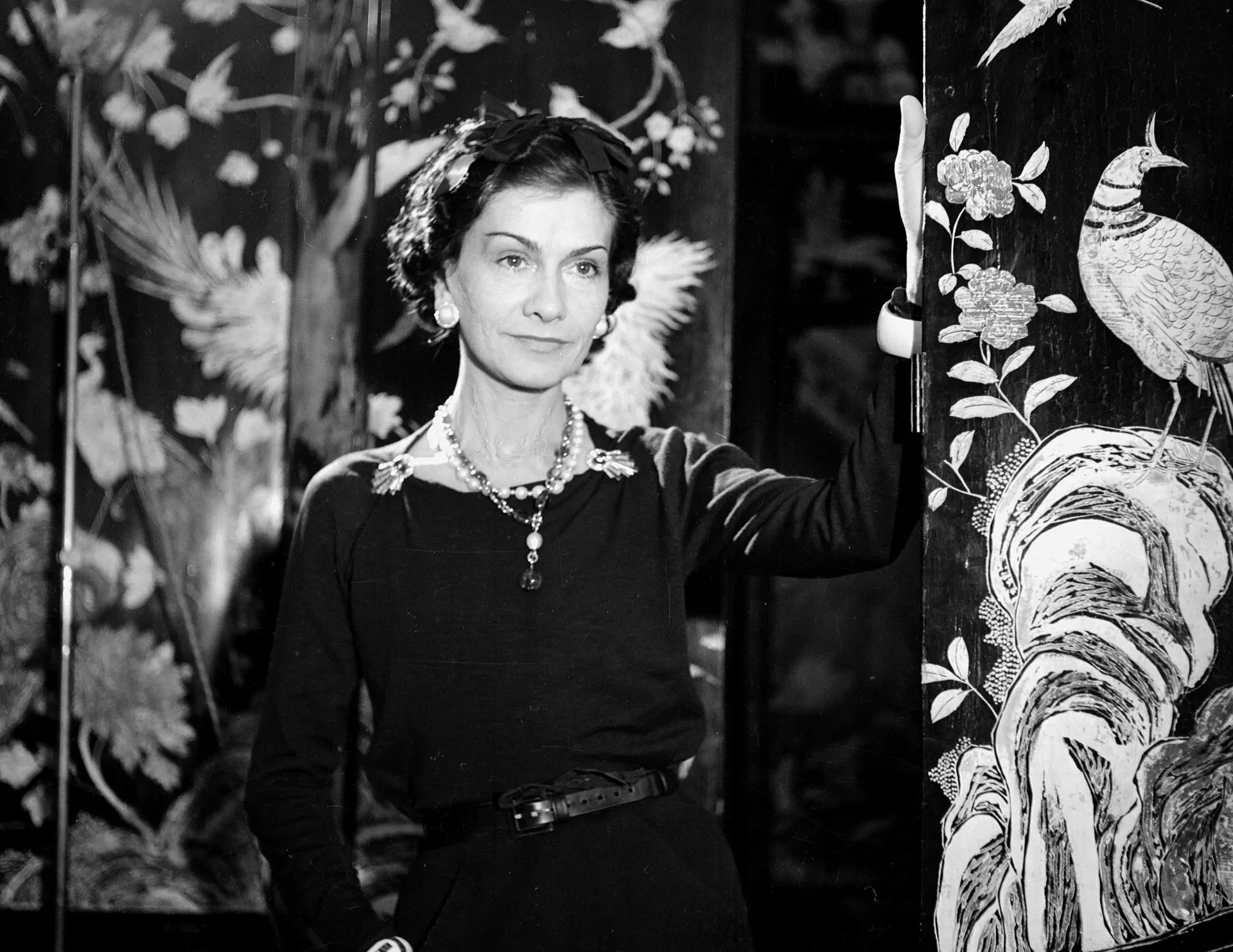
The tweed suit is perhaps the most thoughtfully designed piece of clothing in fashion history. Coco took a masculine cut and adapted it to the female form, while preserving its functionality. She added a chain to the lining so the jacket would drape beautifully on the figure. The silk lining provided comfort, four pockets offered practicality, and the lion-embossed buttons became an iconic signature. This suit was a revolution—women could move freely, work, and live their lives as they pleased.
The 2.55 handbag from 1955 is another example of functional thinking. Coco was inspired by equestrian saddles—that’s where the quilting and the chain instead of handles come from. The dimensions, about 9×6×2 inches, were carefully chosen to fit all the essentials without getting in the way. That chain was pure genius—it kept your hands free.
“Luxury is found in every detail, but it should never be ostentatious”
No. 5 from 1921 went in a completely different direction. Aldehydes, jasmine, rose—the composition was innovative, but the Art Deco bottle was the real breakthrough. Clean lines, no embellishments. Perfume became part of a lifestyle, not just an accessory. This was the beginning of building the brand as a complete world.
Today, the situation is completely different, but the fundamental principles remain.
Revenues in 2023 reached around 19.7 billion euros – this shows just how strong the brand is. Mission 1.5° is a climate initiative aiming for carbon neutrality by 2030. It sounds ambitious; we’ll see how the implementation goes.
Digitization is in full swing. Augmented reality apps and virtual try-ons have become the norm. Jennie from Blackpink as an ambassador is a perfect choice when it comes to attracting a younger Asian audience.
| Aspect | Then (1920-1950) | Today (2020+) |
|---|---|---|
| Materials | Tweed from Scotland | Tweed + recycled materials |
| Distribution | Parisian boutiques | 310 stores + e-commerce |
| Communication | Press, word-of-mouth | Social media, influencers |
2024 brought major staffing changes. Virginie Viard, who took over after Lagerfeld, continues to develop the line, but there is speculation about possible shifts in strategy. Some talk about the need for a refresh, while others believe that stability is Chanel’s strength.
The brand faces intriguing challenges—how to balance heritage with new trends, digitization with tradition, exclusivity with social responsibility. The next decade will reveal whether all these initiatives prove successful.
Interesting trends are emerging on the radar. Asia is becoming the main market for luxury brands—this is where the money and appetite for experimentation are now. Recycled materials are making their way into high fashion, and even the iconic tweed can be eco-friendly. AR and VR technologies are transforming the way we shop for clothes online.
It’s also important to mention the darker chapters of history. Chanel’s collaboration with the Nazis is a fact that cannot be erased. However, it is possible to separate the judgment of a person from the assessment of their legacy. This is especially relevant today, as consumers are increasingly questioning the values behind brands.
The brand faces a challenge—how to stay modern without losing its identity? ESG, inclusivity, digitalization—it all sounds like corporate jargon, but in practice, it means real changes. Maybe they’ll finally announce a new creative director? Karl Lagerfeld has been gone for a while, and Virginie Viard just doesn’t make the same impression.
Inclusivity isn’t just a buzzword—it’s a necessity. Different sizes, diverse skin tones in campaigns, affordable pricing… although the latter might be a challenge with Chanel.
The future of the brand will likely look different than we imagine. Young consumers think in terms of sustainability and authenticity. A logo alone is no longer enough—you need a story to tell.
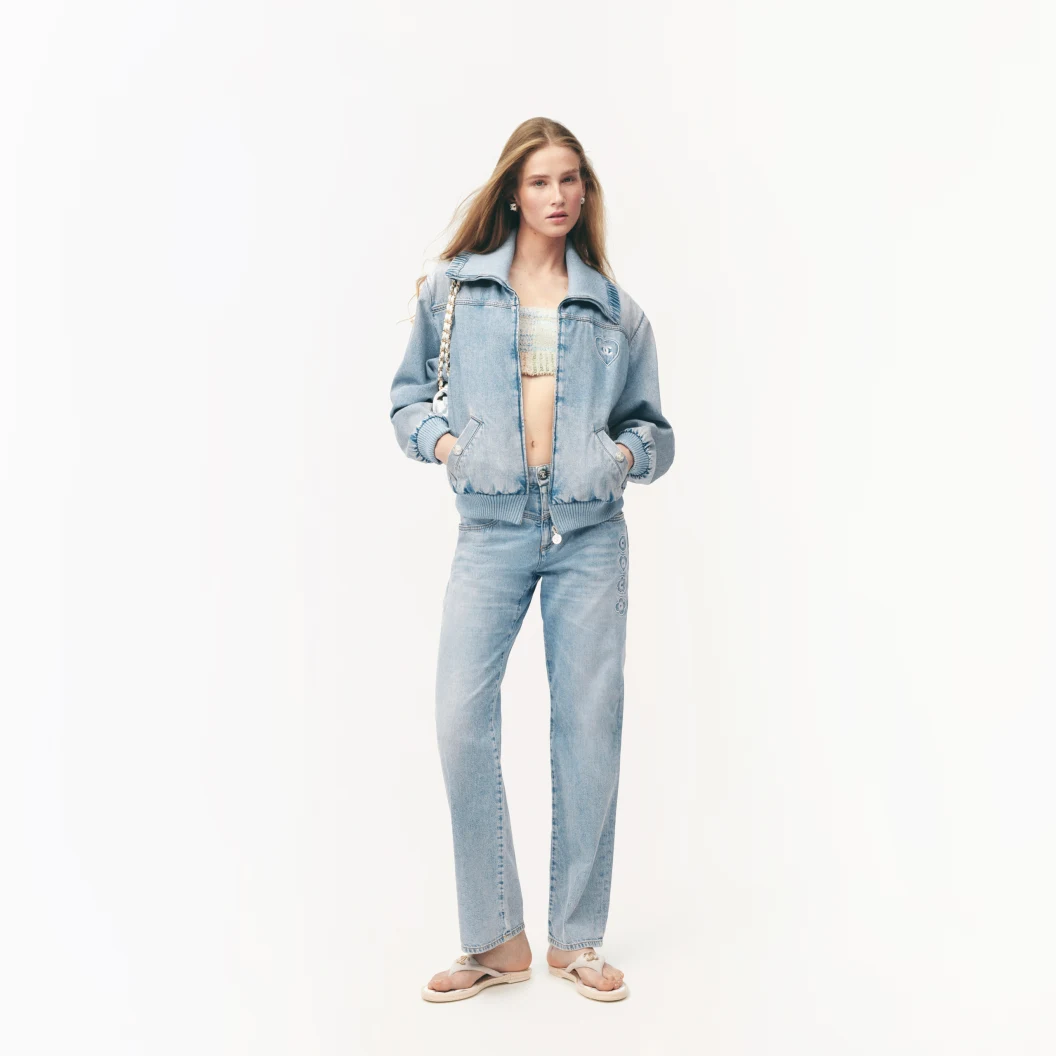
Timelessness in your wardrobe doesn’t mean something will never go out of style. It means you’ll still feel good wearing it five years from now. Sometimes it’s worth pausing to consider—am I buying this for myself, or for the image I want to create?
Maria Anna C.
fashion editor
HighClassFashion.pl