
In the clinic, “−5 cm off your waist without a scalpel!” sounds like a promise from another world. And yet, cavitation liposuction —a treatment that uses ultrasound waves to break down fat cells—has become one of the hottest trends in Polish aesthetic medicine salons in recent years. The question is: does it really work, or is it just another fashionable fad?
Does cavitation liposuction deliver results? – discover the hard facts
Because it promises something almost every woman dreams of – getting rid of stubborn “pouches” on the thighs or stomach without surgery, anesthesia, or a long recovery. Add to that the pressure from social media: Instagram is full of “perfect figures,” influencers showing off their results after a series of treatments. Clinics are popping up everywhere, and the slogan “scalpel-free body contouring” hits the mark.
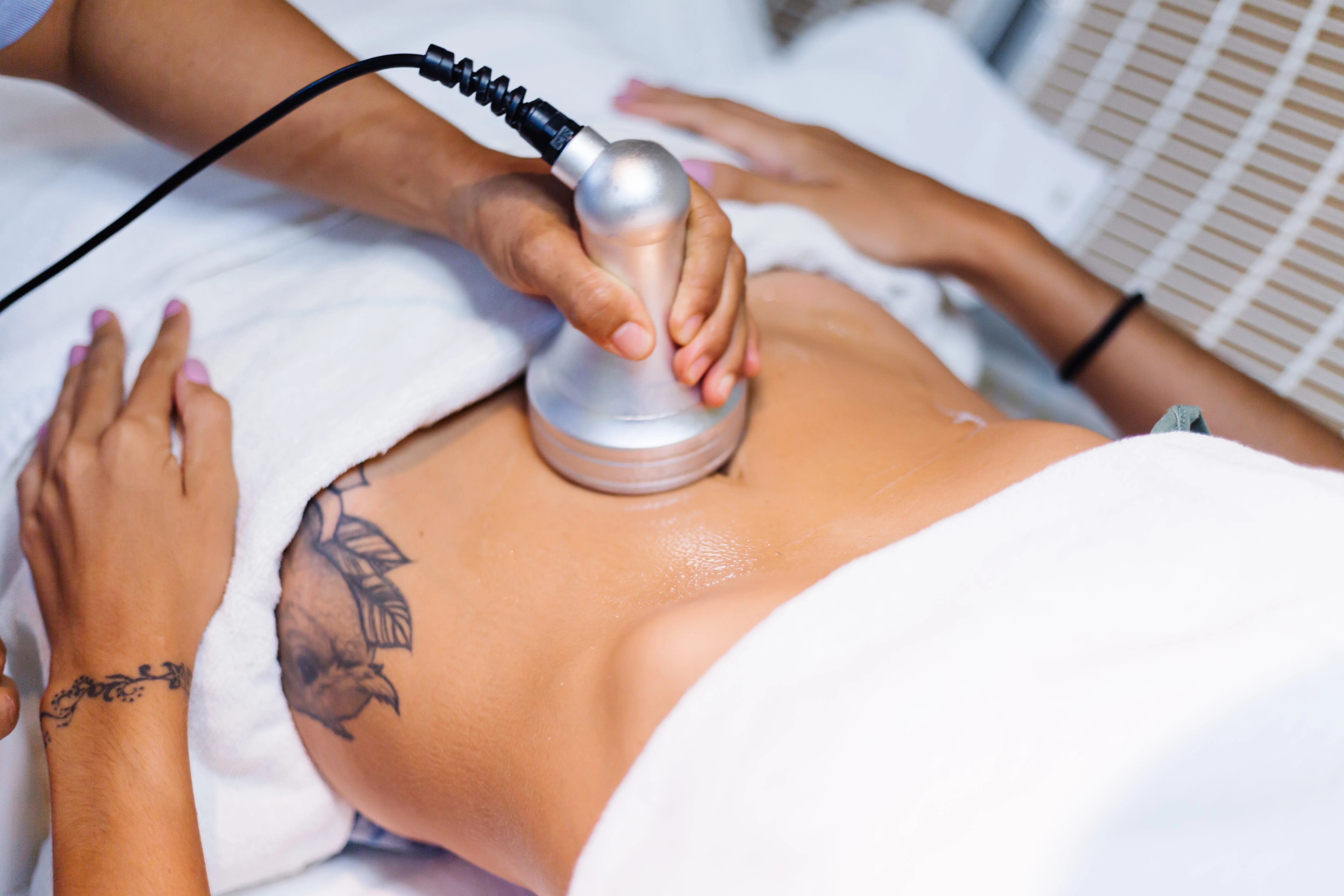
But before you invest your time and money, it’s worth looking at the hard facts. In the following sections, you’ll learn exactly how ultrasonic cavitation works, what results are confirmed by clinical studies, who can truly benefit—and just as importantly—what the real limitations are. Because this is not a full-body weight loss method, but a targeted tool for reducing localized fat deposits. And here, the details make all the difference.
What cavitation liposuction really is
Let me get straight to the point: cavitation liposuction isn’t some magic trick, but rather a solid application of physics to break down fat. No scalpel, no anesthesia—just a serious dose of ultrasound.
How do ultrasound waves break down fat cells?
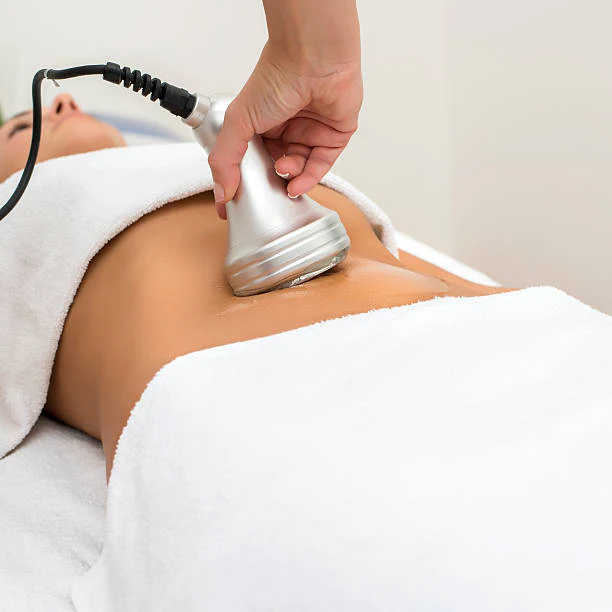
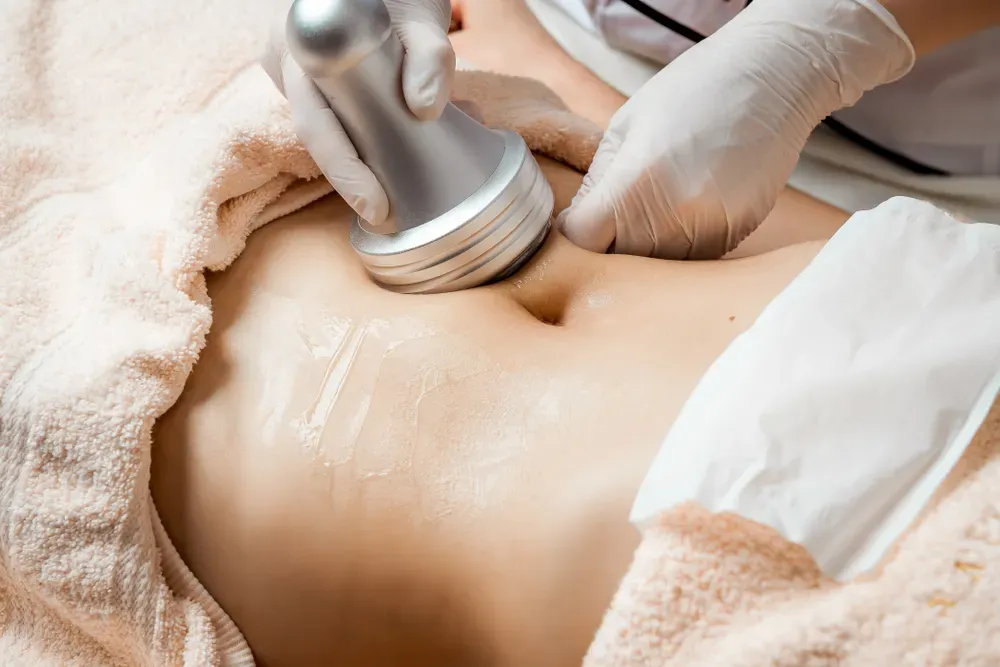
The device generates waves at a frequency of 30-70 kHz (which is below the threshold of human hearing). These waves penetrate the skin to a depth of 1-5 cm and reach directly into the fat tissue. Here’s where it gets interesting: microscopic gas bubbles form in the intercellular fluid, which immediately implode. This implosion—known as cavitation—creates microstreams with pressures reaching up to 10,000 atmospheres. The result? Fat cell membranes rupture, and their contents (triglycerides) leak out.
What happens to the fat after the procedure?
Exactly, you have to be realistic here. The released fat doesn’t just magically disappear—the body needs to transport it through the lymphatic system, then break it down in the liver and eliminate it through the kidneys. The whole process takes several weeks, not hours. That’s why the effect isn’t immediate.
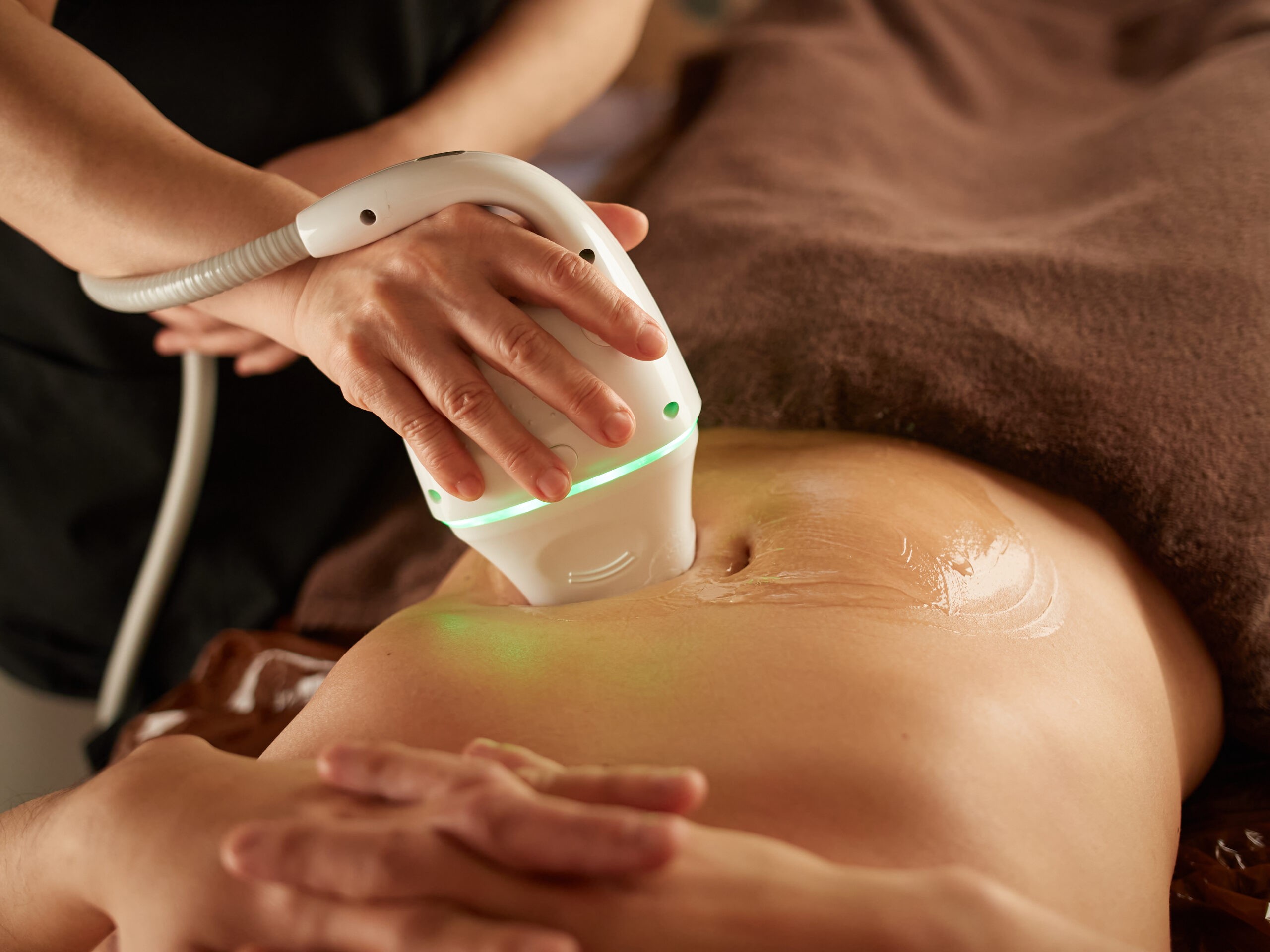
One session lasts about 30–45 minutes per body area (abdomen, thighs). The devices have built-in cooling, and the skin temperature doesn’t exceed 41°C. You get up and leave—no recovery time. Sounds simple? In theory, yes. In practice—more on that in a moment, because the numbers tell their own story.
Hard facts: what results can you realistically expect
Instead of promises like “lose weight effortlessly,” let’s look at what the numbers and research actually say. One thing is certain—some women do lose inches, but not everyone, and not always in a dramatic way.
How many centimeters less? Results after 1 session and after a series
A typical cavitation session can reduce circumference by 0.5–2 cm in a single area—abdomen, waist, or thigh. After a full series of 6–10 treatments (usually once a week), the actual reduction ranges from 4 to 12 cm in waist circumference. In a 2019 study involving 87 women, the average was -6.8 cm after 8 sessions. Sounds impressive, but keep in mind that the participants had a BMI of 24–29 and all followed a low-calorie diet.
| Parameter | After 1 session | After a series of 6-10 treatments |
|---|---|---|
| Waist circumference | -0.8-2 cm | -4-12 cm |
| Tissue thickness (USG) | -2-5 % | -15-30% |
| Improving skin firmness | irrelevant | +12-25% (elastometry) |
Clinical studies: how much fat really disappears?
A 2021 meta-analysis—12 randomized trials, 400+ female participants—shows an average 18% reduction in subcutaneous fat thickness measured by ultrasound. Interestingly, in the placebo group (sound simulation without actual cavitation), the effect was only 3%. This confirms that the results are not just due to autosuggestion or diet.
Another controlled study found that 68% of patients reported visible improvement in grade II-III cellulite after 10 sessions, while in the placebo group—only 22%.
How long do the effects last?
The most significant change is visible 3-12 weeks after completing the series, when the lymphatic system catches up with the metabolism of the broken-down cells. If you maintain your weight and stay active, the effect can last for up to 2 years —this is based on follow-up with 140 patients. After one year, about 55% of them still had a circumference at least 3 cm smaller than before the procedure.
“After four sessions, I lost 4 cm from my waist—and without starving myself. But my friend did it six times and saw no results, because she still ate like she was eating for three.”
– Alicja, 34, forum review
On the other hand, 10-15% of people report no noticeable changes, especially if they don’t adjust their diet or activity levels. For them, cavitation alone simply isn’t enough.
Who is this treatment suitable for, and when will it not be effective
Even the best treatment works only when it suits your body and circumstances. Ultrasonic cavitation is not a one-size-fits-all solution—it has its strengths, but also clear limitations.
The ideal candidate for ultrasonic cavitation
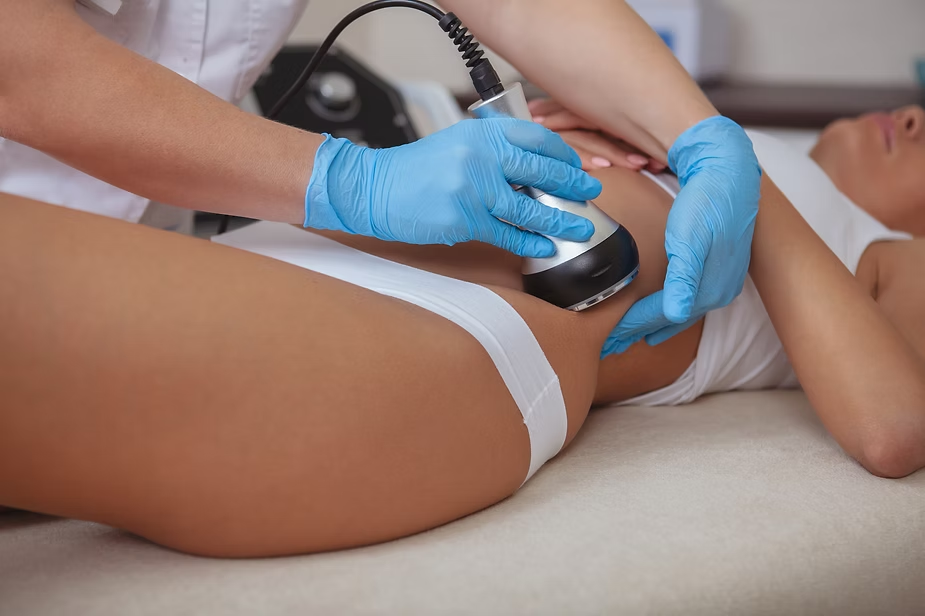
Above all, it’s a method for targeting stubborn localized fat tissue —those annoying “love handles,” belly “pouch,” thigh folds, or small deposits on the arms. Studies show that the best results are achieved on:
- Abdomen (waist and lower abdomen area)
- Thighs (outer areas and so-called culottes)
- Buttocks
- Upper arms
Ideal patient profile? A woman with a relatively stable weight who, despite regular physical activity and a healthy diet, cannot get rid of localized fat deposits. It’s important to be healthy, without serious medical conditions, and—crucially— ready for a series of treatments plus maintaining a healthy lifestyle after completing the therapy.
When is it better to look for another solution?
Cavitation is not a treatment for general obesity nor a way to lose a dozen or more kilograms. If your excess weight exceeds 30% of the norm, this procedure simply won’t work—the maximum reduction of local fat tissue may be just a few centimeters, nothing more.
Set realistic expectations: instead of a dramatic change in clothing size, expect a few centimeters less around the waist, smoother skin, and a better fit for your pants. About 10-15% of patients may be dissatisfied with the results, especially if they don’t follow dietary recommendations at the same time. Without a healthy lifestyle after the procedure, the effect will quickly disappear.
Safety, contraindications, and practical aspects of the procedure
Cavitation liposuction is considered one of the safest methods for reducing body fat—but it’s still a procedure that interferes with your body and requires careful consideration. This isn’t meant to scare you, but to make sure you know what you’re signing up for and how to prepare.
Is cavitation liposuction safe?
Research shows that over 95% of procedures are completed without any complications. The most common side effects are very mild and disappear within 24-48 hours:
- slight redness of the skin at the treatment site
- mild swelling (the body responds to the ultrasound wave)
- transient sensitivity in the area
- a feeling of warmth or tingling
No serious complications related to cavitation have been reported in Poland. However, this doesn’t mean that everyone can immediately sign up for a series of treatments.
When is this procedure not allowed?
Qualification by an experienced cosmetologist or doctor is a must-have. The list of contraindications is specific:
- pregnancy and breastfeeding
- cancer and chronic diseases in the active phase
- blood clotting disorders
- pacemaker or metal implants
- liver and kidney failure
- infections and skin lesions at the treatment site
If you are being treated for a chronic condition, say it directly. It’s better to be sure the procedure is safe for you.
How long does it take and how much does it cost in Poland?
One session takes 30-60 minutes (depending on the area). A typical course consists of 6-10 treatments every 7-10 days. The body needs 4-6 weeks to eliminate the broken-down fat cells through the lymphatic system—this is why results appear gradually.
Preparation? Hydrate well the day before and skip alcohol. After the treatment, it’s worth scheduling a lymphatic drainage massage and sticking to a healthy diet—this will help the results last longer.
Costs in major cities:
- single session for the abdomen: 250-400 PLN
- full series (8 treatments): 1,800–3,000 PLN
In smaller towns: 150-300 PLN per session, package 1,200-2,400 PLN. It’s an investment —plan your budget in advance. Ask the clinic for details, not just the price.
How to Make a Smart Decision About Cavitation Liposuction
Short answer: yes, cavitation liposuction really works—but only if certain conditions are met. It’s not a weight loss procedure or a way to achieve a dramatic transformation in a week. It’s a supportive tool for reducing body circumference in people who already maintain a healthy diet and exercise routine, but struggle with stubborn areas resistant to training.
Checklist before signing up for a series of treatments
Before investing in a package, follow these steps:
- Set your real goal – do you want to lose 2-3 cm from your thighs or 10 kg? If it’s the latter, cavitation won’t help you.
- Medical consultation – make sure you have no contraindications (pregnancy, chronic illnesses, liver problems).
- Check the clinic – ask for “before and after” photos of other clients, inquire about equipment certificates and the staff’s experience.
- Ask specific questions – how many sessions will you need in your case? How many centimeters can you realistically lose? What side effects are possible?
- Evaluate the promises – if someone guarantees “lose 5 kg in a month,” run away. A trustworthy expert talks about centimeters, not kilograms.
What’s next? Technology keeps advancing, but the fundamentals remain the same
The cavitation device market is expanding—with hybrid machines combining ultrasound and RF, AI integration, and even home-use models emerging. All of this is interesting, but remember: no technology can replace a healthy lifestyle. The future belongs to informed clients who know what to expect and aren’t swayed by marketing hype.
Oh, and here you can read about soft-blur skin