
The younger sister of the “genius Gianni.” The woman who, for 28 years, stood behind one of the most recognizable fashion houses in the world. Platinum blonde hair, deep tan, bold makeup—a visual logo in her own right.
Table of Contents
- Donatella between tragedy and triumph – who is she really?
- The Versace family roots and Donatella’s youth
- Musa Gianni – Donatella’s early years in the world of Versace
- 1997 – tragedy in Miami and the rise of a new leader
- From couture house to global empire – how Donatella took the reins
- Donatella’s style – between Baroque and modern sensuality
- Shadows of Glamour – Controversies and Crises of Donatella
- Donatella as a Symbol – Impact on Culture, Women, and the Economy
- Legacy and Future – What’s Next for Donatella and Versace
Donatella between tragedy and triumph – who is she really?
Donatella Versace is more than a designer. She is an icon who survived tragedy and turned it into a lasting triumph.
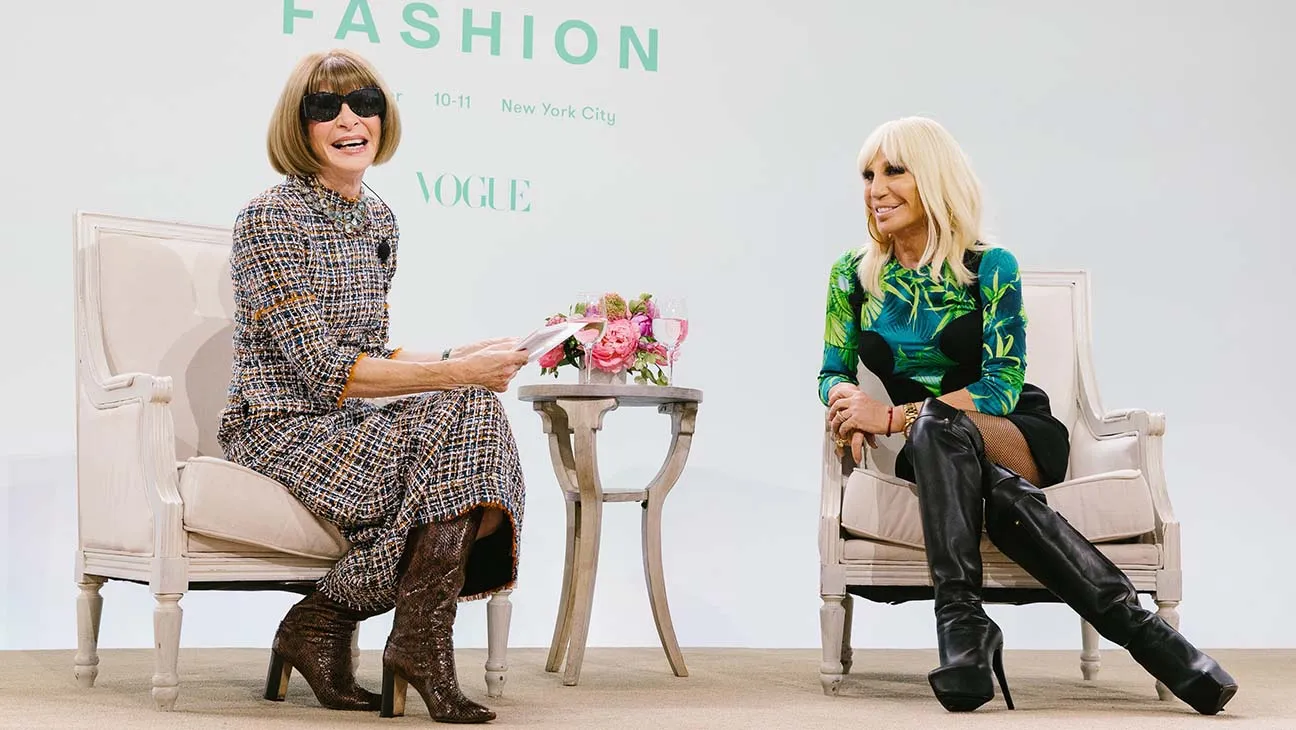
Why does Donatella’s story still fascinate us
Taking the helm at Versace happened at the worst possible moment – July 1997, Miami, the murder of Gianni. Donatella suddenly found herself at the head of a fashion empire, without formal design education, but with decades of hands-on experience alongside her brother. And despite the skeptics, she kept Versace alive. Until March 2025, when she officially stepped down from her role as creative director.
Today, her story is a discussion about the role of women at the top of fashion, the importance of a family brand legacy, and the power of the red carpet. She was the one who turned celebrities into Versace ambassadors, supermodels into friends of the house, and the runway show into a media spectacle. The contrast between Miami and Milan, tragedy and triumph, Gianni’s shadow and her own legend—all of this creates a fascinating story worth discovering from the very beginning.
The roots of the Versace family and Donatella’s youth
Before Donatella Versace became synonymous with luxury and extravagance, she was simply the youngest daughter of a family in Reggio Calabria—a town at the very tip of Italy, where the sea meets the mountainous region of Calabria. It was there, in the Versace family home, that everything began which we now know as a fashion empire.
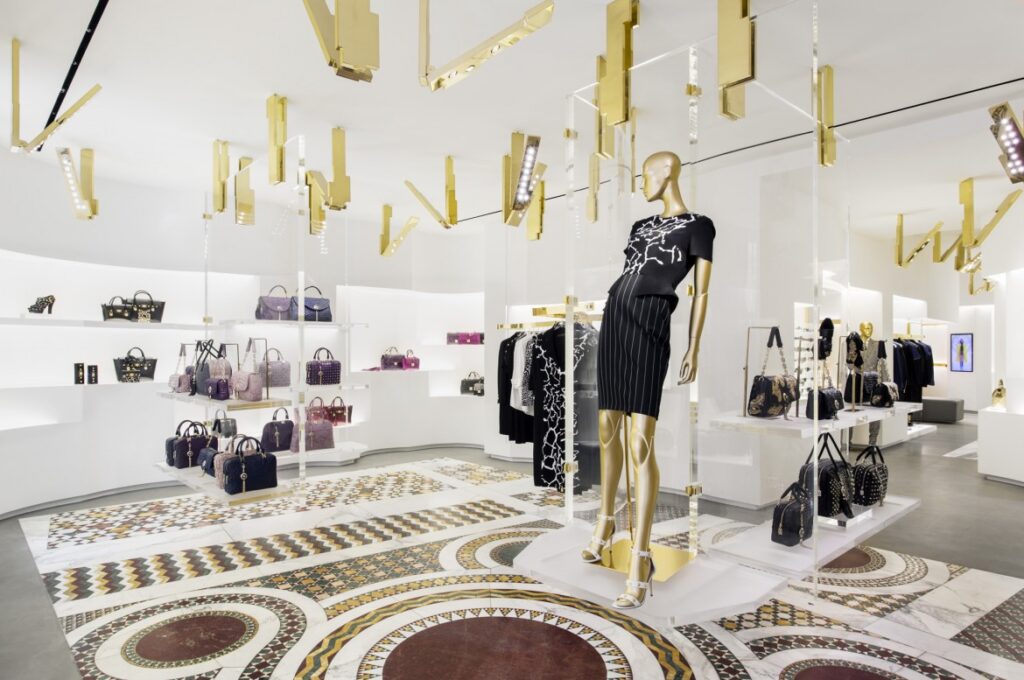
House in Reggio Calabria, where it all began
The family was not wealthy, but they had something more important – an appreciation for beauty and craftsmanship. In the home of Versace lived four children:
- Santo – the eldest, who was meant to be the pillar of the business
- Gianni – a visionary who knew from a young age that he would create something great
- Tina – the third child who died prematurely of tetanus
- Donatella – the youngest, born in 1955, observing everything with wide eyes
Father Antonio ran a small mine. Francesca’s mother? A seamstress. And it was her workshop that became young Donatella’s first fashion school. The girl would spend hours watching her mother cut fabrics and sew dresses for local clients. Gianni—the older brother—often sat nearby, sketching. For them, fashion was a family language, a way to tell stories.
From language student to muse of a future fashion giant
Donatella first tried the conventional route—she enrolled in language studies in Florence. That lasted… not long. In the mid-70s, she packed her bags and went to Milan, where Gianni was taking his first steps in the fashion world. Officially, she was supposed to “help” him. Unofficially? She immediately became his muse, his first critic, and his companion on nightly outings to clubs. It was these escapades—discos, youth culture, rebellion—that taught her what pop culture truly means in real life.
Musa Gianni – Donatella’s early years in the world of Versace
Versace was born in 1978 in Milan, but it wasn’t just Gianni’s vision. From the very beginning, Donatella was there—not as an assistant, but as a co-creator of the entire aesthetic. They traveled together to clubs, discos, and night parties. She was the one who brought him inspiration from the pop culture she lived and breathed—music, the street, the energy of the younger generation. Gianni designed, but Donatella sensed what was happening outside the world of haute couture.
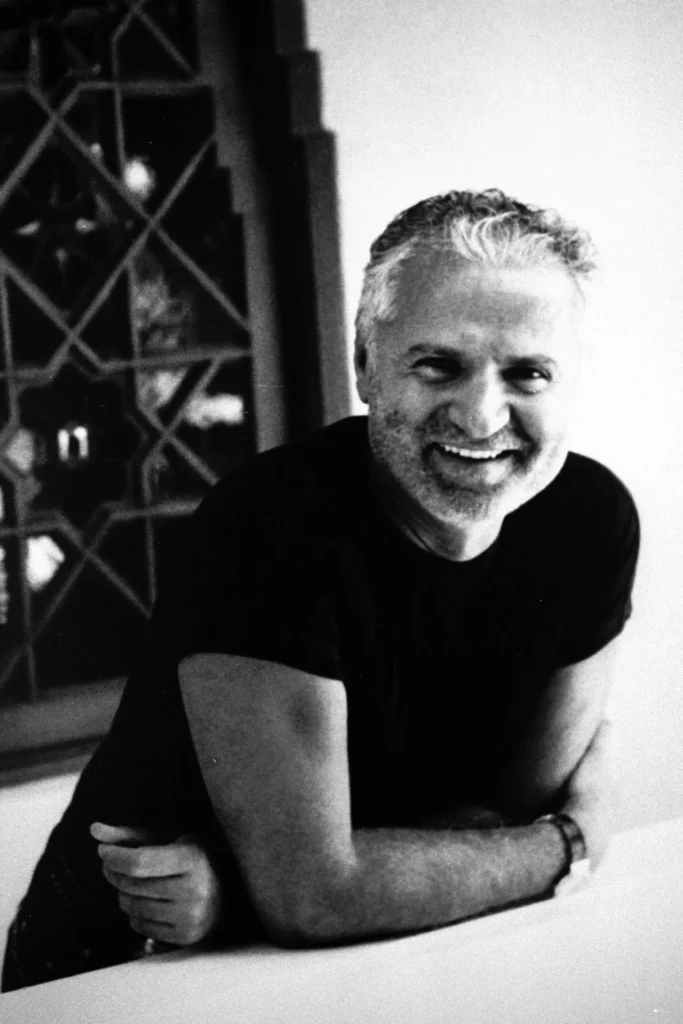
Versace and the stars – the red carpet as a stage
And it was she who began to connect the brand with celebrities in a way that had never existed before. Friendship with Elton John, a relationship with Princess Diana—these were not random collaborations. Donatella understood that fashion needs a face, a story, emotion. Versace stopped being just clothing—it became part of show business. The red carpet? It was she who started treating it like a runway.
Versus 1989 – the younger, more rebellious sister
In 1989, Donatella created Versus—a line for younger, more rebellious clients. It was a mix of luxury and streetwear before anyone even started using that word. Versus had a sharper look, more accessible prices, and a completely different energy than the main collection.
And then came the supermodels. Naomi Campbell, Cindy Crawford, Linda Evangelista – all on one Versace runway. This was no longer a fashion show. It was a spectacle. And Donatella was its director behind the scenes.
No one knew then that this collaboration would be brutally interrupted in the summer of 1997.
1997 – tragedy in Miami and the birth of a new leader
July 15, 1997, a luxurious villa on Ocean Drive in Miami. Gianni Versace returns from his morning walk, reaches for his keys—and is struck down by bullets from serial killer Andrew Cunanan. The fashion world is stunned. Donatella is 42 at the time and feels completely unprepared for what lies ahead.
Miami 1997 – the day that changed everything
Gianni’s death is not only a personal tragedy for the Versace family. It raises questions about the future of the entire empire. For two decades, Donatella was his muse, inspiration, and right hand—but never the main creative force. Suddenly, all the responsibility falls on her. The industry reacts with skepticism. “Can she handle it?” critics whisper. The fashion house teeters on the brink of a financial crisis.
From Cocaine to Control: Donatella’s Personal Struggle
The truth is brutal: Donatella is struggling with a severe cocaine addiction at that time. She doesn’t feel ready. The first solo show—the Spring/Summer 1998 collection—is a test under the pressure of the entire world. The reviews are mixed, but something important is beginning. Instead of copying her brother, she searches for her own voice. At the same time, the company is saved by licenses: jeans, sunglasses, perfumes—everything that can stabilize the finances.
The year 2004 becomes a turning point. Donatella enters rehab and undergoes major heart surgery. It’s her “second beginning” — both in her personal life and her career. She moves from survival to rebuilding. And then? To expansion.
From couture house to global empire – how Donatella ruled
The four stages of the Donatella era – from stabilization to sustainable development
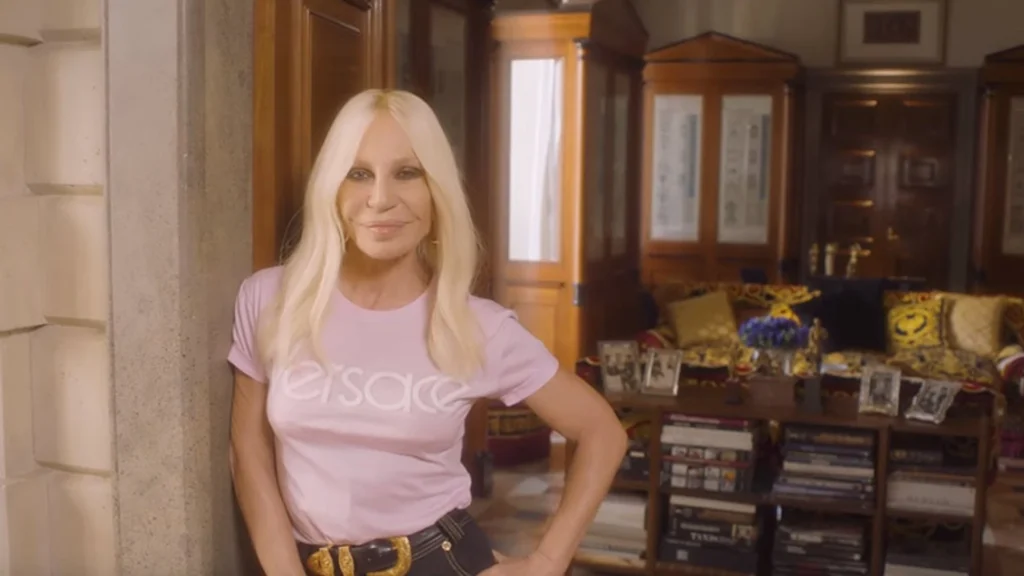
After the initial shock of her brother’s death, Donatella faced not only a creative challenge, but above all a business one. And this is where the interesting story really begins — because designing is one thing, but developing a global brand in a rapidly changing world is something else entirely.
Under her leadership, Versace has gone through several distinct phases. From 1998 to 2010, the focus was on stabilization and building a presence on red carpets (which, let’s be honest, really works). Then, between 2011 and 2020, came digitalization—social media, influencers, greater inclusivity in castings. And the most recent years (2021-2025) have been all about sustainability and numerous collaborations with other brands.
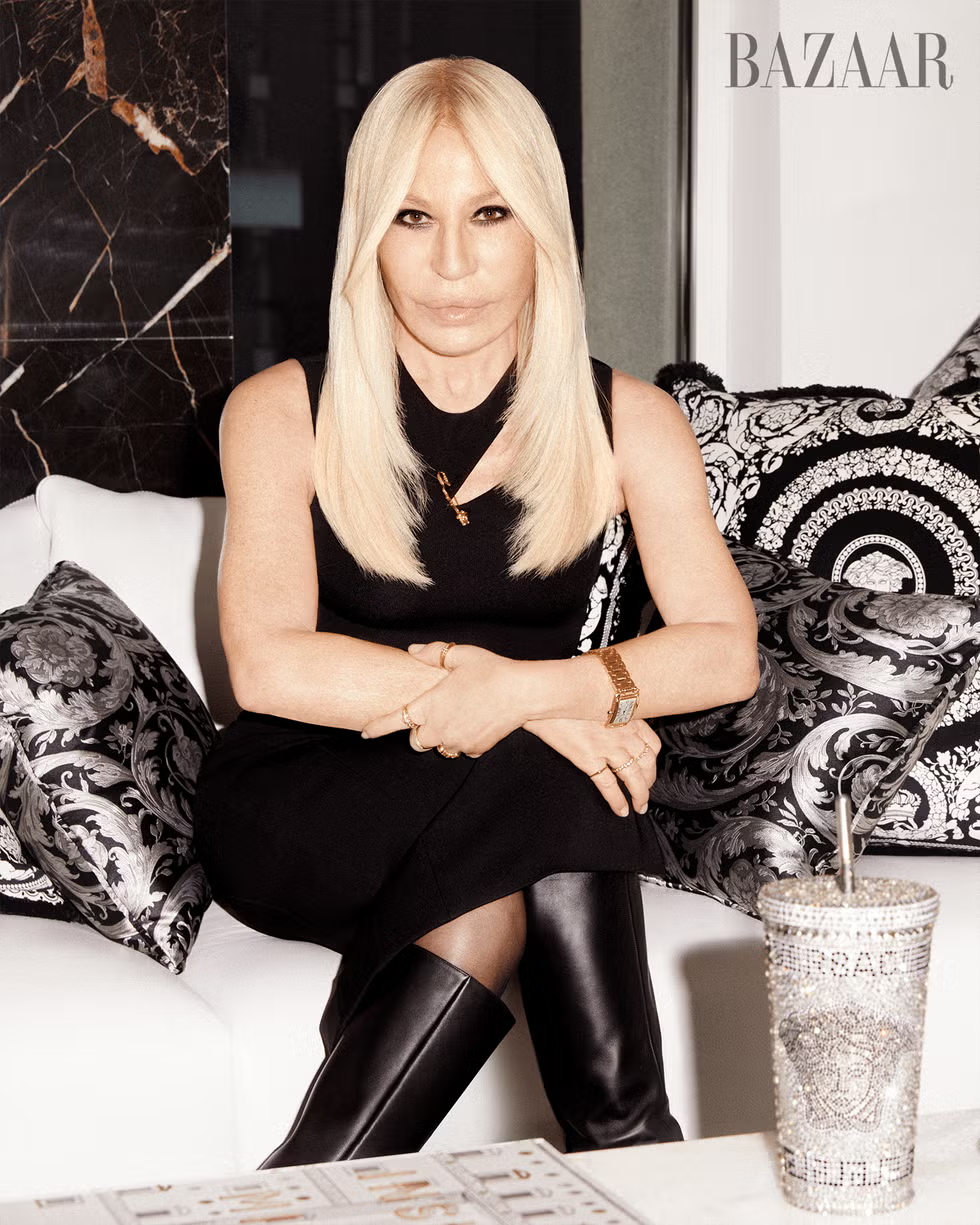
Licenses, hotels, lifestyle – when Versace stepped beyond the runway
The licensing strategy proved to be the key to survival and expansion. Jeans, sunglasses, perfumes — the standard arsenal of every luxury brand. But Donatella went further: Palazzo Versace hotels (Dubai, Gold Coast), interior design lines, home fragrances, even Versace Athletica. The brand became a lifestyle in every sense of the word.
Capri Holdings, billion-dollar revenues and a new role after 2025
In 2018, Versace was acquired by Capri Holdings for approximately $2.12 billion. Donatella retained her position as creative director as well as a significant shareholding (about 20-30%). Current figures look quite solid: revenues of €1.15 billion (2024), over 250 stores in more than 50 countries, and more than 3,000 employees. Asia is emerging as a key market.
In March 2025, Donatella ended her long tenure after the F/W 2025 show. Dario Vitale briefly took over the role, but ultimately she herself transitioned to the position of Chief Brand Ambassador. The end of an era? Rather the beginning of a new chapter.
Donatella’s style – between Baroque and modern sensuality
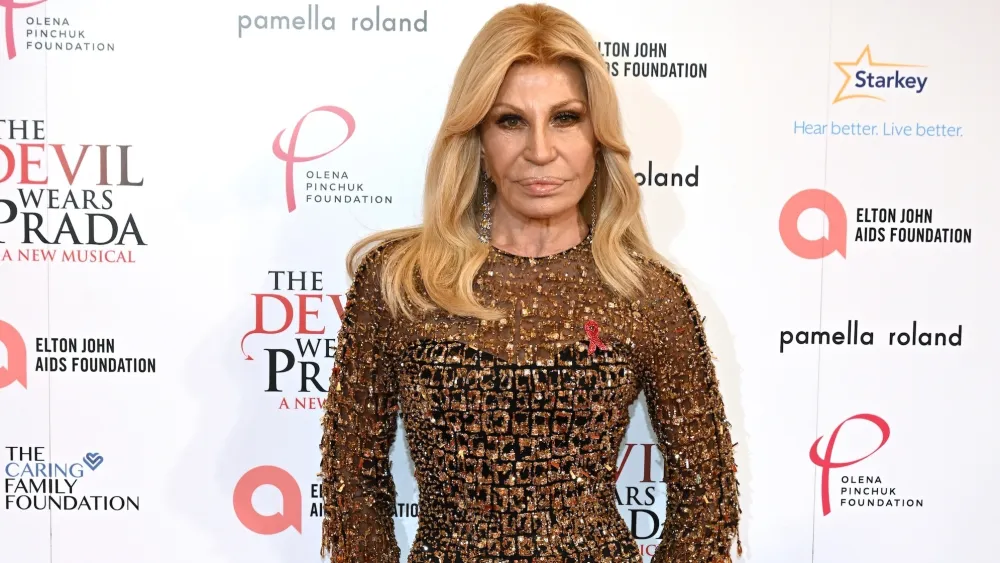
Gianni built a theater of fashion – Donatella began to write its everyday life. Baroque pomp gave way to more streamlined cuts, but the brand’s DNA remained untouched: Medusa, gold, Greek motifs. Only now, all of this was meant to be wearable, not just for photographing.
Medusa, gold, and silk – Donatella’s visual dictionary
The key elements of her visual language are:
- Medusa logo – not only on pins, but also woven into fabric, embossed on leather
- Silk prints inspired by Greece (columns, Greek key, mythological scenes)
- Metallic lamé, chainmail, latex – materials that are both “strong” and sensual at the same time
- Gold fittings and hardware that turn clothing into jewelry
- Recently: recycled fabrics (approx. 20% of the collection by 2025)
Donatella moved away from pure theatricality towards something more sexy, but also—paradoxically—more comfortable. You wear leather pants every day, not just on the runway.
The red carpet as a runway
Here Versace experienced a second youth. Jennifer Lopez in the green dress (the one that led to the creation of Google Images), Beyoncé in golden chainmail, Lady Gaga in yet another provocation. And most recently – Hyunjin as the “last muse” in the F/W 2025 show, a symbol that luxury can be street, can be K-pop, can be… younger.
The Athletica collections added a sporty flair, and street-luxe hybrids began to dominate Instagram. Donatella’s style evolved, but was it always for the better? There was no shortage of controversy.
Shadows of glamour – controversies and crises of Donatella
For an icon who built an empire on the image of strength, Donatella Versace hid her weakest points for a long time. But the media have a long memory—and they don’t let go.
Addiction, rehab, and the price of life in the spotlight
In the 1990s and early 21st century, the tabloid press wrote openly: cocaine. Donatella did not deny it. In interviews after 2004—when she completed rehab—she said that period was “life in a cage.” The media portrayed her then as a “tragic figure in a golden cage,” and someone even wrote that “Versace cries diamond tears.” After rehab came a “second beginning”—more composed, more focused, but the scars remained. Some critics still suggest that the collections from 2000-2004 were “chaotic,” as if reflecting her inner turmoil.
Nepotism or underrated talent?
“Rides on her brother’s coattails” – this phrase appeared in reviews for years. Accusations of nepotism were harsh: “without the Versace name, she would be nobody,” wrote one journalist from “WWD.” Donatella rarely responded, but when she did, it was sharp: “Gianni taught me, but for 25 years I have designed every collection myself.” The debate has never ended – for some, she remains a talented heiress; for others, just someone lucky to have a good name.
Licenses, Capri acquisition, and the end of an era
Criticism of the licensing strategy had been growing for years: Versace jeans in outlets, the logo on sunglasses for 200 euros—this dilutes luxury, commentators said. The acquisition by Capri Holdings (2018) was supposed to calm the situation, but in February 2025 Donatella stepped down as creative director. Speculation? That the company wanted “fresh blood.” The broader context: the number of women at the top of major fashion houses is declining—Donatella was the last from the supermodel era.
Donatella as a symbol – impact on culture, women, and the economy
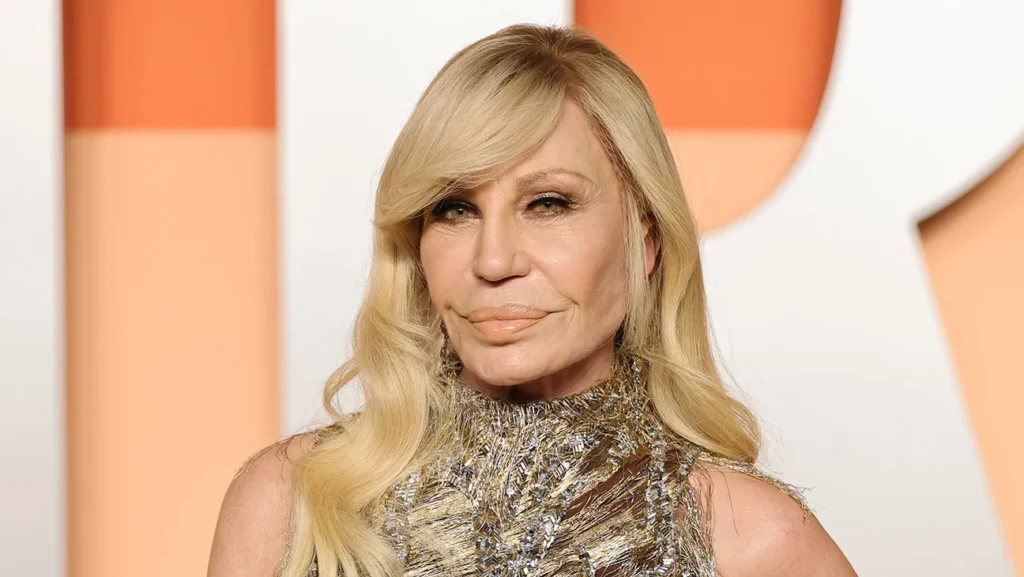
Today, Donatella is probably more than just a designer – she has become a symbol. For some, she embodies Italian luxury; for others, she is an icon of female strength, and for the fashion industry, simply an immortal legend who has survived everything. And that “everything” truly spans a wide range – from pop culture to real billions of euros in exports.
From the runway to YouTube – Donatella in pop culture
Versace under her leadership is not just about fashion shows, but also about moments that have become part of pop culture history. The era of supermodels in the ’90s and 2000s? That’s largely thanks to her—Naomi, Cindy, Kate, and Claudia still return to the Versace runway. She appears in the “Jenny from the Block” music video by Jennifer Lopez, Lady Gaga writes a song about her called “Donatella,” and at the 2024 Met Gala she presents a green gown with an ivy motif referencing the legendary S/S 1997 collection. This is no coincidence—Donatella is the red carpet.
An icon of female empowerment in the world of luxury
On social media, she often appears as an example of “female empowerment” — a woman who, after a tragedy and years of battling addiction, led one of the most important Italian luxury brands for nearly three decades. In an industry dominated by men, she proved that she could do it. And even after the sale to Capri Holdings, she remains the face of Versace, which speaks volumes in itself.
Versace, the Italian economy, and Asian markets
Let’s not forget the numbers: the Italian luxury goods sector generates over 100 billion euros in exports annually, and Versace accounts for more than 3,000 jobs and 250 stores worldwide. Double-digit growth in China shows that the brand continues to expand. Donatella has also supported charity concerts with Pavarotti (1997, fighting AIDS) and preserves her brother’s legacy. A symbol? Absolutely.
Heritage and future – what’s next for Donatella and Versace
Donatella Versace officially ceased to be the creative director in 2025. But let’s start with a simple fact: nearly three decades at the helm, saving the brand after Gianni’s death, transforming Versace into a global symbol of sensual luxury — all of this will stay with us forever. Her influence does not disappear with a change of title on her business card.
Now she serves as Chief Brand Ambassador, which sounds like “retirement in the spotlight,” but actually makes sense. Allegra Versace Beck—the daughter of Donatella, who inherited 50% of the shares after her uncle’s will—is becoming increasingly important in the ownership structure. Gianni foresaw this back in the 90s, and today we see the results. After Dario Vitale’s departure, the industry is speculating: who will be next? Anthony Vaccarello? Kim Jones? These are just guesses, but they show how closely we watch every move Versace makes.
Versace 2030 – what to watch for
Forecasts indicate that the brand’s valuation will rise to around $3 billion by 2030. Several trends are worth noting:
- Asia: a 30% year-on-year increase in China is no coincidence – that’s where the future of luxury lies
- Sustainability: Versace needs to catch up with its competitors in sustainability
- Metaverse and digital collections: the younger generation buys emotions, not just clothes
- Diversity in campaigns – a legacy of #MeToo and woke culture
When you see the next Versace campaign, ask yourself: where is the trace of Donatella here? In the celebrity energy? In the narrative about women’s strength? In the golden pins? It is this very code—the aesthetic DNA—that will be tested by every new creative director. And we will be watching.