
Have you ever wondered why an LV monogram bag is worth an entire month’s salary? I’m standing in a boutique on Nowy Świat, watching as a woman pays 8,000 for a small leather.
This question has been on my mind for years. Prestige in premium fashion is more than just a desire to show off. In 2025, it still captivates, even though the world has changed.
Why Prestige in Premium Fashion Still Captivates
The global luxury fashion market is projected to reach “USD 1.2 trillion in 2025,” according to Bain & Company. In Poland, this segment is growing by 8% annually. This is no coincidence—we are witnessing a true revolution in the perception of luxury.
The pandemic turned everything upside down. People stayed at home, but bought more luxury items online. In Poland, there has been a 30% increase in online premium purchases between 2020 and now – data from SGH is clear on that. I saw it myself: instead of spending on vacations, my friends were buying expensive watches or shoes.
Prestige works differently than it used to. Young people no longer just want to show they have money. They’re looking for something authentic, a story behind the product. But they still want that sparkle, that moment of pride when they wear something unique.
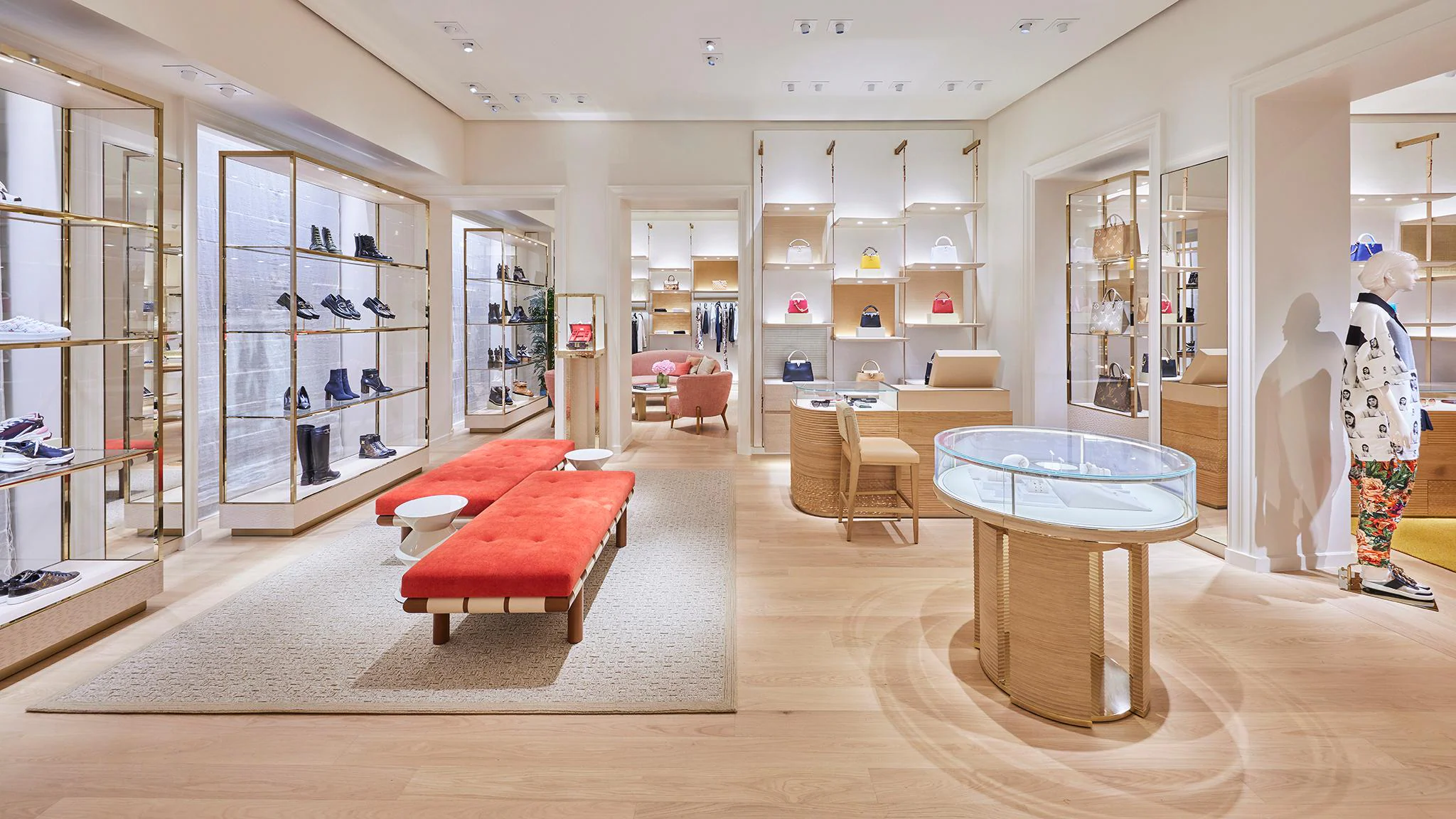
Why am I even writing about this? Because I see that many people don’t understand the mechanisms behind brand prestige.
Premium fashion is about more than just price. It’s a complex system of codes, traditions, and psychology. Some people buy to feel a sense of belonging, others seek quality, and some simply enjoy beautiful things. All of these reasons are equally valid.
In the following sections, I will show exactly how we measure brand prestige, which criteria truly matter, and why some companies maintain their position for decades. There will also be stories about specific brands and their histories.
Let’s start with the basics – how do we even determine whether a brand is prestigious or not?
How We Measure Prestige – Criteria and Evaluation Methods
Measuring prestige in premium fashion is like evaluating a work of art—it may seem subjective, but experts use specific criteria. I’ve often wondered myself why some brands command respect while others do not.
In the premium industry, we use six main indicators of prestige:
1. Brand history
Years of operation and key milestones matter. Brands with a heritage of over 100 years have an advantage. Breakthrough collections and collaborations with cultural icons are also important.
2. Material quality
Here we look at the origin of raw materials and craftsmanship techniques. Leather from top tanneries, hand stitching, certified precious metals. These are things that can be measured objectively.
3. Distribution exclusivity
In Poland, we use an interesting indicator—the number of mono-brand boutiques. If a brand has more than 20 points of sale, it loses its exclusivity. Fewer locations mean greater prestige.
4. Brand Value
Prices are a clear indicator of positioning. A minimum of $1,000 for a basic product is the entry threshold for the premium segment. Anything below that makes it hard to speak of true prestige.
5. Cultural Impact
Presence on red carpets, in films, in museum collections. This is measured by the number of media publications and collaborations with top-tier celebrities.
6. Media communication
Control over messaging, selectivity in interviews, quality of advertising campaigns. Prestigious brands don’t shout about themselves—they whisper, but loudly.
| Criterion | Sample metric |
|---|---|
| History | Years of operation (min. 50) |
| Quality | Certificates of material origin |
| Distribution | Number of boutiques (max. 20 in Poland) |
| Value | Minimum price (1000+ USD) |
| Culture | Publications in Vogue, Harper’s Bazaar |
| Media | Control over advertising campaigns |
The truth is, these criteria aren’t perfect. Sometimes a young brand with brilliant design can surpass century-old fashion houses. But overall, they work well as an evaluation tool.
We will now use these indicators to analyze five giants: Louis Vuitton, Chanel, Hermès, Gucci, and Dior. Each of them takes a different approach to building prestige.
Five Icons of Luxury – Comparative Brand Profiles
Looking at our previously established prestige criteria, let’s see how the biggest luxury stars measure up. I’ve always wondered which brand truly deserves to be called the most prestigious.
| Brand | Year established | Brand value 2025 | Flagship product | Number of boutiques | A key asset of prestige |
|---|---|---|---|---|---|
| Louis Vuitton | 1854 | 124 billion USD | Speedy bag | 460 | Craftsmanship tradition |
| Chanel | 1910 | 89 billion USD | 2.55 bag | 310 | Timeless style |
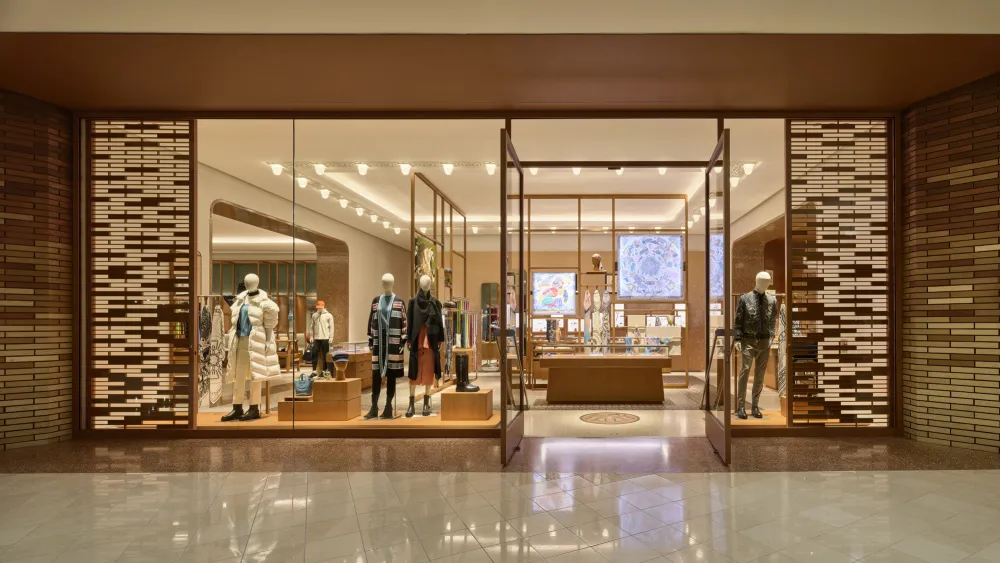
| Hermès | 1837 | 78 billion USD | Birkin Bag | 294 | Limited availability |
| Gucci | 1921 | 56 billion USD | Bamboo Bag | 540 | Contemporary innovation |
| Dior | 1946 | 47 billion USD | Lady Dior | 235 | Haute couture heritage |
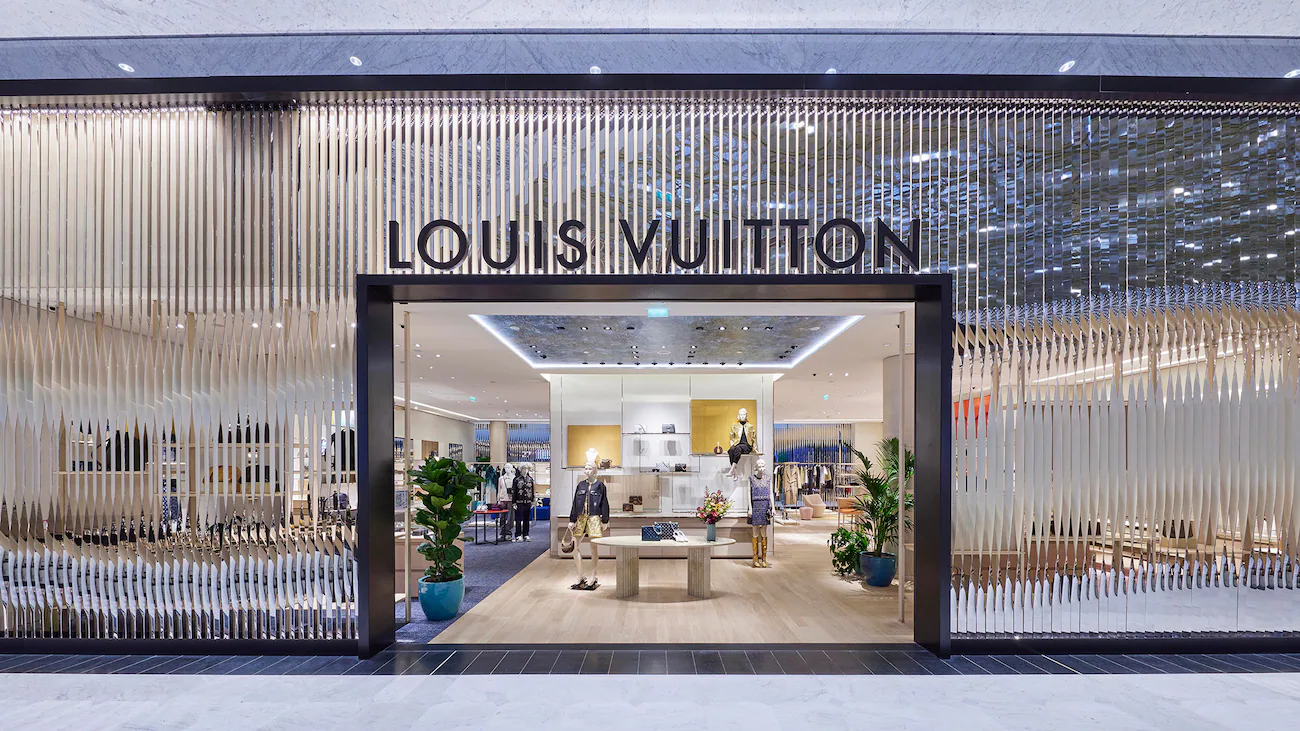
Louis Vuitton dominates in terms of brand value and craftsmanship tradition. Their artisans hand-paint every letter on the bags—a skill that takes years to master. However, when it comes to exclusivity, Hermès takes the lead. Fun fact? When the Titanic sank, a Louis Vuitton trunk recovered from the ocean was completely dry inside. This demonstrated the waterproof quality that became legendary for the brand.
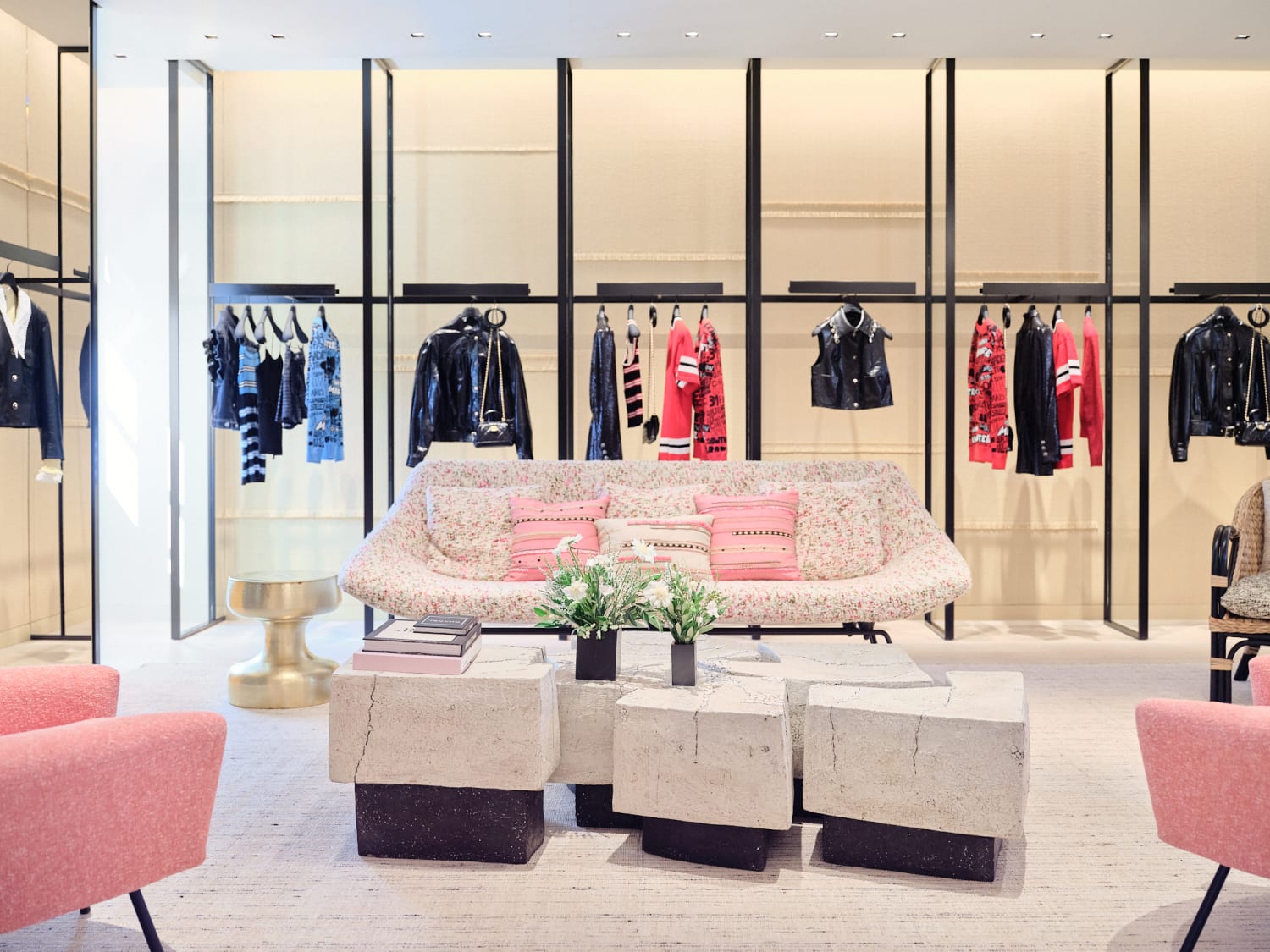
Chanel stands out for its timeless style, but has a smaller retail network than its competitors. Coco Chanel revolutionized women’s fashion—she was the first to introduce trousers for women in 1920, which sparked a scandal in Paris. Today, her vision of women’s emancipation through fashion remains the foundation of the brand’s prestige. Number 5 was created as the fifth perfume sample—that’s where the name comes from.
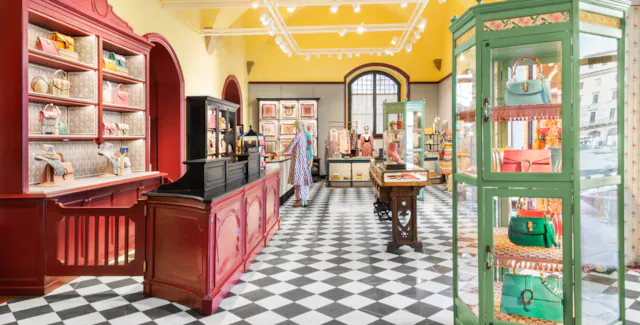
Gucci leads in innovation and boasts the largest boutique network, but lags behind other brands in terms of tradition. Under Alessandro Michele, the brand experienced a renaissance—with sales soaring by 400%. Guccio Gucci worked as a hotel porter in London, where he observed the elegance of British gentlemen. This inspired him to start a company specializing in luxury travel accessories.
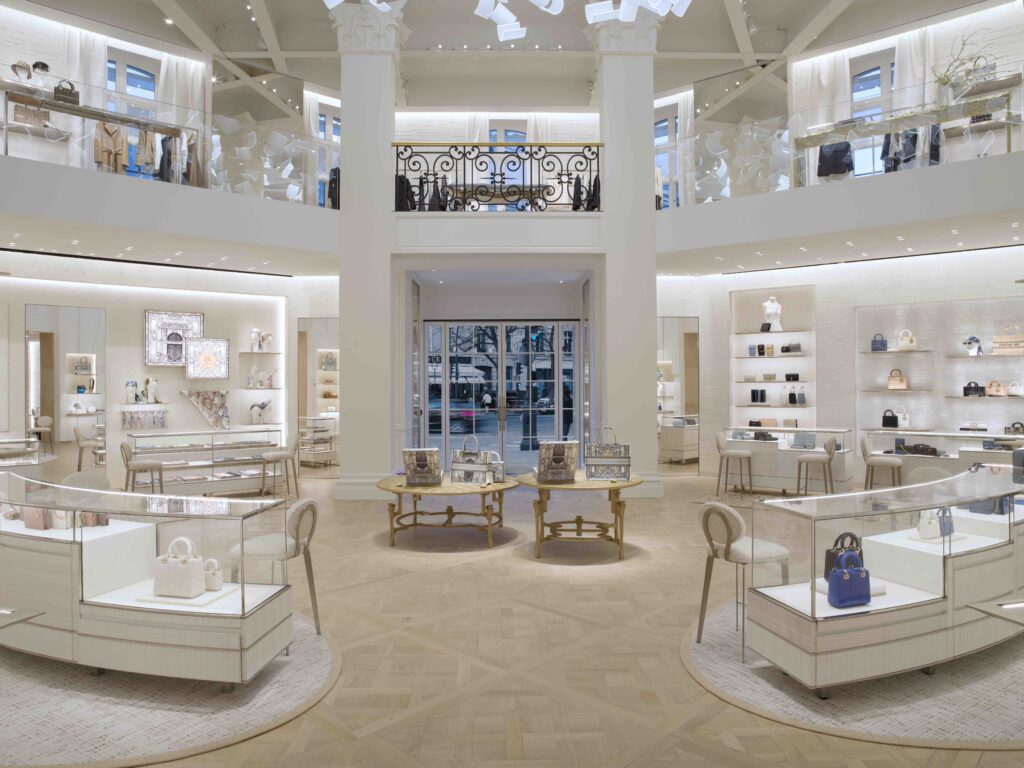
Dior has a strong haute couture heritage, but the lowest brand value in the ranking. Their shows continue to set trends, although their retail network remains limited. Christian Dior was highly superstitious—before every show, he would look for a lucky star on the street. Finding one meant the collection would be a success. His assistants would deliberately scatter metal stars before the shows.
These five brands represent different paths to prestige. Hermès focuses on exclusivity, Louis Vuitton on tradition, Chanel on style, Gucci on modernity, and Dior on artistry.
However, upcoming changes in the industry may shift these positions—especially when it comes to the new generation of clients and their different priorities.
What’s next for luxury – key trends and forecasts
Lately, I’ve been wondering if we truly understand just how much the world of luxury will change in the coming years. Because what we’re seeing now is only the beginning.
Sustainability is no longer a trendy add-on—it’s becoming a necessity. Gucci has not used fur since 2017 and plans to launch large-scale recycling programs by 2025. It might sound like PR, but customers genuinely expect this. Young shoppers are simply turning away from brands that ignore environmental issues. And it’s not just about Europe or America.
Digitization is a story of its own. Louis Vuitton is experimenting with NFTs, while Gucci achieved a 50% increase in online sales thanks to virtual boutiques. Sounds abstract? Maybe. But these brands wouldn’t be investing millions if they weren’t seeing real profits. The metaverse isn’t a whim—it’s a new sales channel.
Asia already accounts for 40% of global luxury sales. Dior Asia is seeing a 15% year-on-year growth through 2025.
The geography of luxury is undergoing a radical transformation. Europe and the USA are no longer the center of the world. Chinese consumers are buying more Chanel than the French. India is discovering its appetite for prestige. It’s not just about numbers—it’s a complete shift in who sets the trends.
Mini-timeline shows the scale of changes:
- 2023: The beginning of large-scale investments in AR/VR
- 2025: Sustainability as the norm, not the exception
- 2027: Asia surpasses 50% of the global market
- 2030: The Metaverse accounts for 30% of premium sales
Potential winners? Brands that quickly adapt to the digital world and understand Asian customers. Losers? Those who believe that luxury is only about tradition and heritage.
Actually, I’m not sure if we realize how fast these changes are happening. Maybe in five years, we’ll be buying handbags in virtual reality from brands we haven’t even heard of today.
How can you put these insights into practice?
Luxury market analysis makes one thing clear—this is no game of chance. Success in premium fashion demands deliberate action.
Personally, I’ve seen Polish brands try to move up to a higher league without a strategy. It ends badly. However, I have three proven methods:
- Limited drops – but truly limited. Not 10,000 pieces, but 100–200 at most. The customer needs to feel they own something unique. H&M tried this with designer collections – and it worked.
- Heritage-based storytelling. Even if a brand is only five years old, you can talk about the tradition of craftsmanship and the place of production. People buy stories, not just clothes.
- Digital clienteling – your personal online advisor. It sounds modern, but in reality, it’s just the good old salesperson who remembers what you bought a year ago.
For Polish retailers, I have a specific list:
Brand Elevation Checklist:
• Raise prices by at least 40% – prestige starts here
• Limit availability – fewer sales points, more exclusivity
• Invest in packaging – the box must impress
• Create a VIP program – loyal clients are the foundation
• Hire an influencer as a brand ambassador, not just for a one-off campaign
Actually, that last point… I used to think influencers were just a passing trend. But I see now that long-term partnerships work better than traditional advertising.
By 2030, AI will be designing clothes tailored to each individual client. We’re not talking about customization—this will be true personalization. Combine that with inclusive fashion, where luxury doesn’t mean exclusion but accessibility for all body types.
The industry is moving towards the democratization of luxury. It may sound paradoxical, but that’s exactly what’s going to happen.
Consider your wardrobe or business. Which elements can be elevated? Sometimes, all it takes is changing the packaging or the way you present them.
Luxury isn’t about the price—it’s the experience you remember long after the purchase.
Katarzyna
business & fashion editor
High Class Fashion