
“Can elegance be invisible, yet unforgettable?” This question perfectly captures the phenomenon of a man who rose from window displays to the pinnacle of global fashion.
From shop windows to a fashion empire
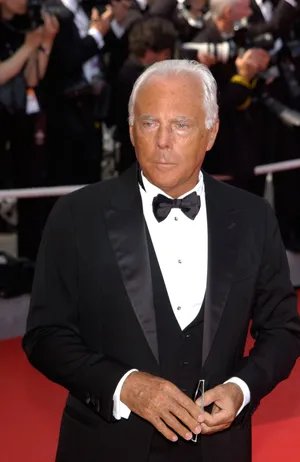
Arranging displays in shop windows taught him something crucial – how to present clothes so they tell their own story. This experience from his early career proved to be invaluable.
The real breakthrough came on February 12, 1980, when the film “American Gigolo” hit theaters. Richard Gere, dressed in Armani suits, became a global style icon. Just one movie role was enough for everyone to learn the name of the designer from Milan.
Since then, Armani has been building his empire in three key areas.
The first is a revolution in design—the way he transformed stiff, formal suits into something fluid and natural. Armani showed that minimalism can be luxurious.
The second area is business. He wasn’t content with just being a designer—he created a global brand that encompasses everything from haute couture to hotels. His approach to building the company was as innovative as his designs.
The third element is cultural impact. Armani didn’t just dress celebrities —he shaped the way we perceive modern elegance. His definition of luxury has become the industry standard.
Before we delve into specific tailoring techniques and the philosophy of minimalism, it’s worth understanding how a boy from the provinces became one of the most influential fashion designers of the 20th century.
Minimalism and soft lines – a revolution in tailoring
Take a moment to think about suits from the 1970s. Stiff, heavily padded shoulders, thick lining. The guy looked like packaging for a person, not like a person in clothes.
Giorgio Armani took the suit and broke it down into pieces. Literally. In 1975, he unveiled something that seemed impossible—a tropical wool blazer without shoulder pads and almost no lining. People looked at it as if it were madness. But it was a revolution.
| Before Armani | After Armani |
|---|---|
| Stiff shoulder pads | Soft, natural line |
| Thick lining, heavy fabrics | Lightweight fabrics, minimal construction |
| Formal, artificial impression | Freedom and elegance |
Three major changes that turned everything upside down:
- Deconstruction of the blazer – he removed everything that wasn’t absolutely essential
- Neutral color palette – beiges, greys, creams instead of sharp contrasts
- The concept of “quiet luxury” – elegance without ostentation
This soft line changed not only the way men looked, but also women. Armani understood that a woman in a suit doesn’t have to pretend to be a man. She can be herself—just a better version.
Do you remember “American Gigolo” from 1980? Richard Gere in Armani suits was the moment when the whole world understood what it was all about. Not the stiff elegance of our fathers, but something new. Relaxed, yet flawless.
It was a completely different approach from French haute couture. There, precision was key; here, it was all about naturalness. The French constructed clothing like a cathedral, while Armani let it breathe with the body.
“Quiet luxury” – that’s what you could call it. Luxury that doesn’t shout its price, but whispers about class. The finest materials possible, a perfect cut, but everything designed to look… effortless.
Of course, that ease was just an illusion. Behind that apparent effortlessness were years of work on every detail. But the result? A man in an Armani suit looked as if he had just rolled out of bed and happened to throw on something perfect.
It was this very philosophy that paved the way for something beyond clothing. For building an empire that operated by its own rules.
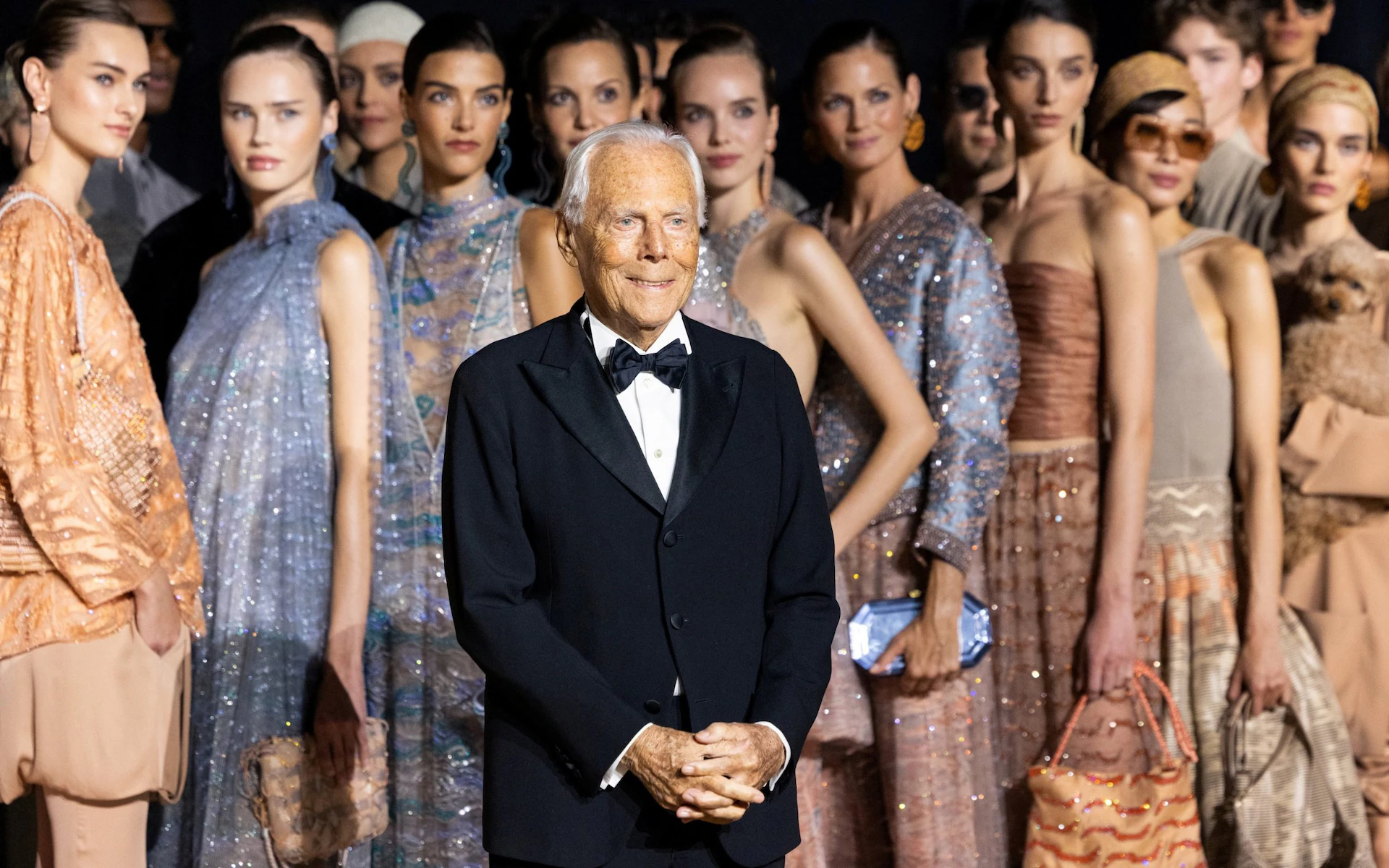
Business under full control – independence and diversification
Most fashion houses play by the same rules—they go public, seek investors, and sell shares to major conglomerates.
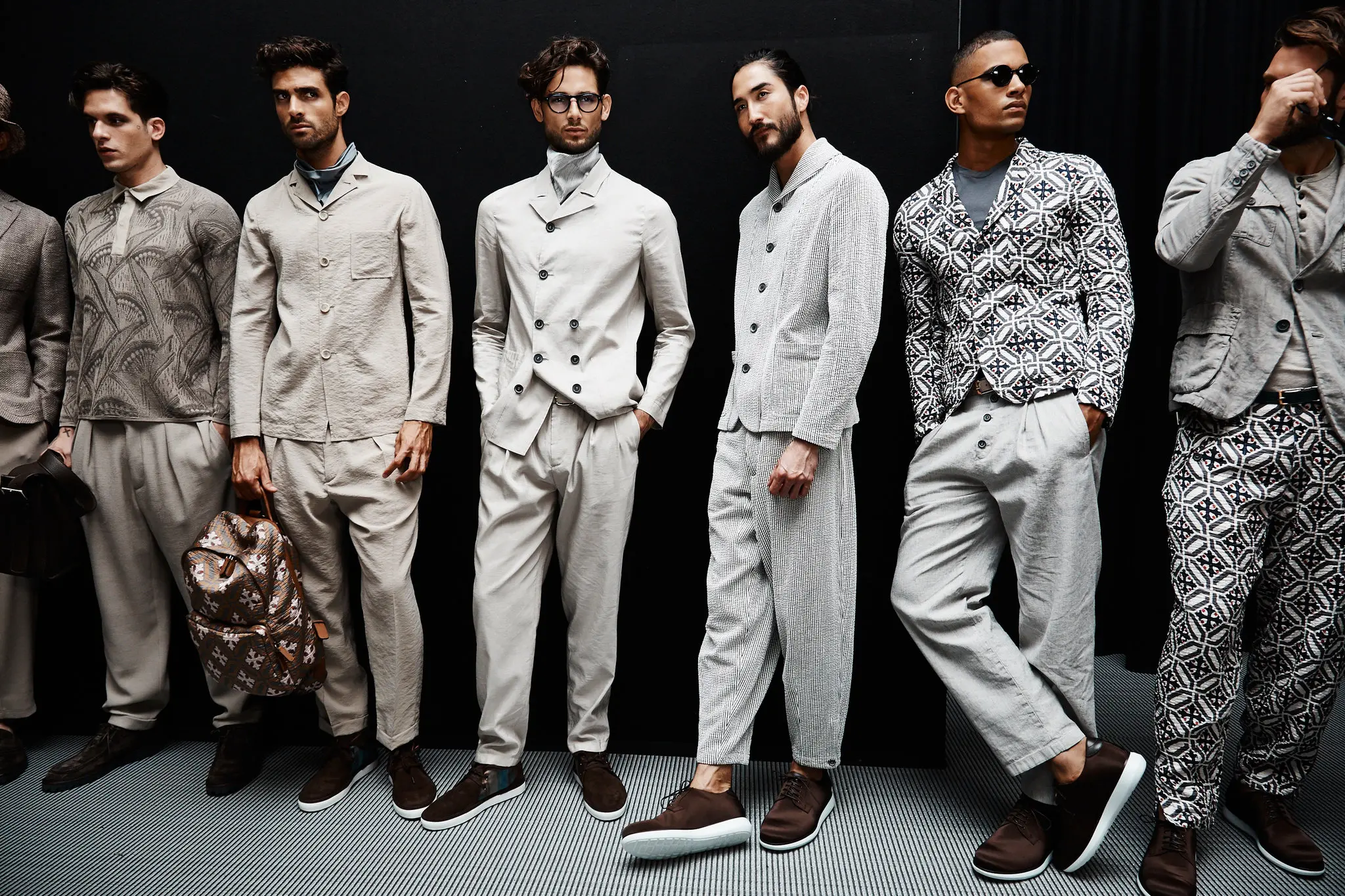
His model is a kind of brand pyramid, with each level serving a different segment. At the top, you have Giorgio Armani—pure luxury. Below that, Emporio Armani for younger clients with money. And at the bottom, Armani Exchange, so everyone can have a piece of that style. It’s like McDonald’s, but in reverse—instead of cheap for the masses, it’s expensive for the select few, but with options for everyone.
Facts and figures:
- Revenue 2023: €4.5 billion
- Over 8,000 employees
- 500+ stores in 45 countries
- 100% private property
These numbers are impressive, but what’s most interesting is that Armani controls virtually every stage of production. Their own factories, their own stores, their own distribution. The competition outsourced all of this to cut costs, while he went in the opposite direction.
The craziest move? Opening the Armani Hotel Dubai in 2010. Hotels are a completely different business than fashion. But the logic was simple—if someone buys your clothes, they might also want to live in your style. The hotel occupies several floors of the Burj Khalifa, with everything designed according to the brand’s standards.
For years, everyone asked—what will happen after Armani? In 2025, he finally announced his plan. He established Fondazione Armani, which is set to take control of the company. This isn’t a typical sale or a handover to his children. It’s an attempt to preserve independence even after his departure.
This entire strategy has made Armani one of the last independent giants in fashion today. While Gucci belongs to Kering and Louis Vuitton to LVMH, he still makes all the decisions himself. Perhaps that’s why his clothes look different from the rest of the market.
But numbers are only half the story…
Impact on culture, cinema, and society – Armani’s legacy
Beyoncé in a golden gown on the steps of the 2015 Met Gala—this moment went down in fashion history. And behind the dress was Giorgio Armani, who by then had already created over 200 Oscar-worthy looks. This shows just how far-reaching the influence of this designer is.
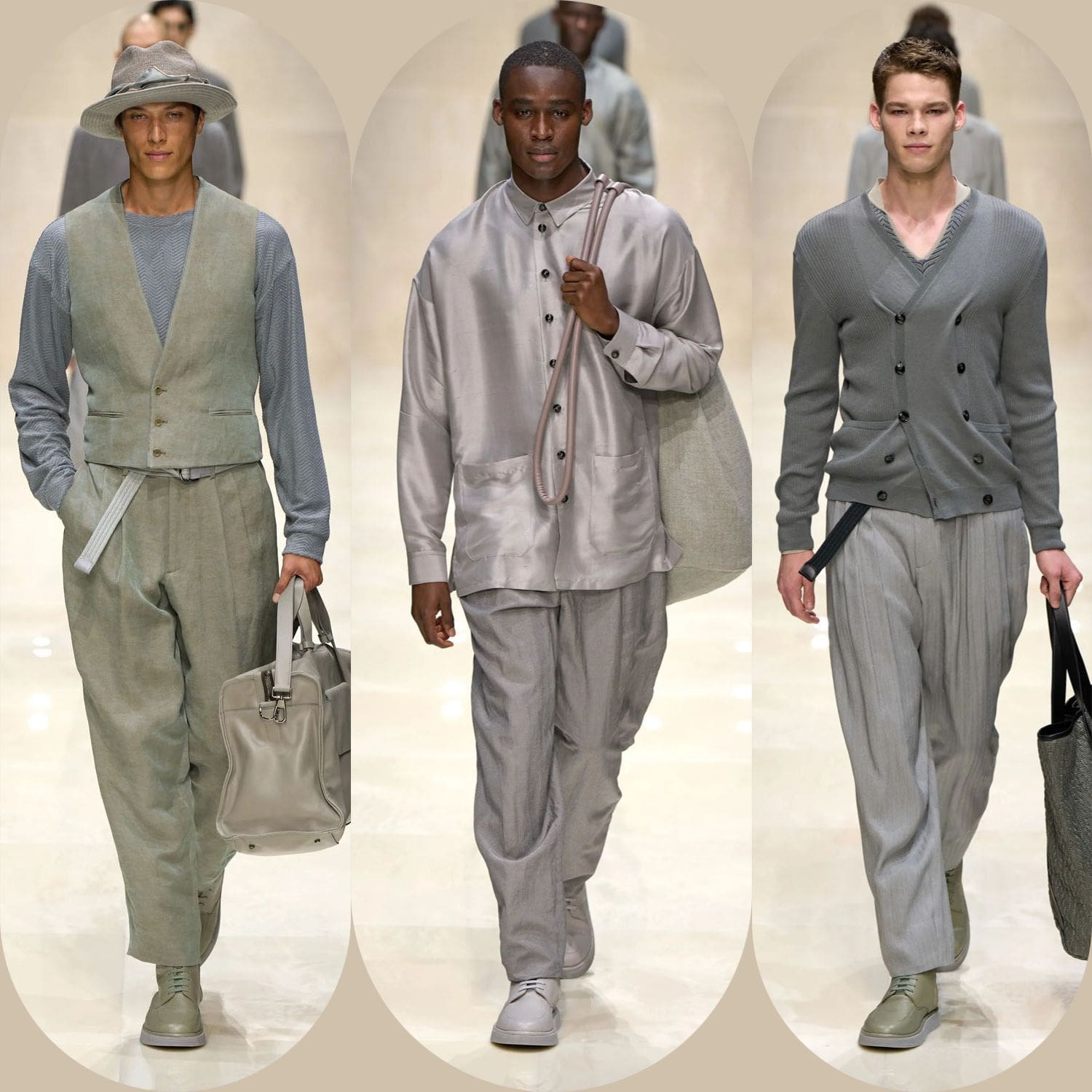
Armani didn’t stop at Hollywood. Sports are a whole different story, but he made his mark there too. I remember those uniforms for the Italian team at the London 2012 and Rio 2016 Olympics. The athletes looked like they’d stepped off a magazine cover, even though it was all about functionality. Who would have thought elegance could make such a strong entrance into the world of professional sports?
Cultural Impact Timeline:
1934 – Birth of Giorgio Armani | 1980 – Hollywood Conquest | 2012 – Olympic Uniforms | 2025 – Armani/Archivio Project
The year 2020 changed everything. The pandemic affected everyone, but Armani responded instantly. He donated 1.25 million euros to fight COVID-19 and shifted part of his production to protective gowns. This wasn’t marketing—it was real help when people needed it most. Gestures like these are remembered far longer than even the most spectacular shows.
It’s fascinating how a designer who redefined men’s elegance also transformed perceptions of gender in fashion. His women’s suits from the ’80s were revolutionary. Women in boardrooms, in politics—Armani gave them clothing that said, “I belong here.” Hillary Clinton, Cate Blanchett, hundreds of others—all wore that confidence.
“Fashion fades, style remains” – not Chanel, but it could easily be Armani’s motto.
The Armani/Archivio project for 2025 sounds fascinating. “Living archive”—an archive for future generations. Not just preserving old designs, but creating a space where history meets the future. Students, researchers, and everyday people will be able to see how fashion has evolved over the decades.
It all adds up to something bigger than just clothes. Armani changed the way we dress every day. Casual Fridays in corporations, blazers paired with jeans, “quiet luxury”—trends that seem obvious now were once revolutionary. And that’s exactly why his influence will be felt long after the final show becomes history.
What’s next for elegance? Conclusions and inspirations for the future
What’s next for all this?
Now the question is—what can we take away from this? After all, not everyone will be designing suits worth ten thousand zlotys.
Lessons from Armani – for anyone who does more than just earn a living:
- Design with longevity in mind – it’s better to create one thing that will last ten years than ten things for a single season
- Don’t shout about your quality – let it speak for itself
- Build a team of people who understand your vision, not just follow instructions
Giorgio is already 90 years old. What will happen to the brand after 2025? There are several possible scenarios. Maybe an IPO—going public and raising capital for growth. Or perhaps a partnership with a major player like LVMH. Whatever happens, the most important thing is that the spirit remains.
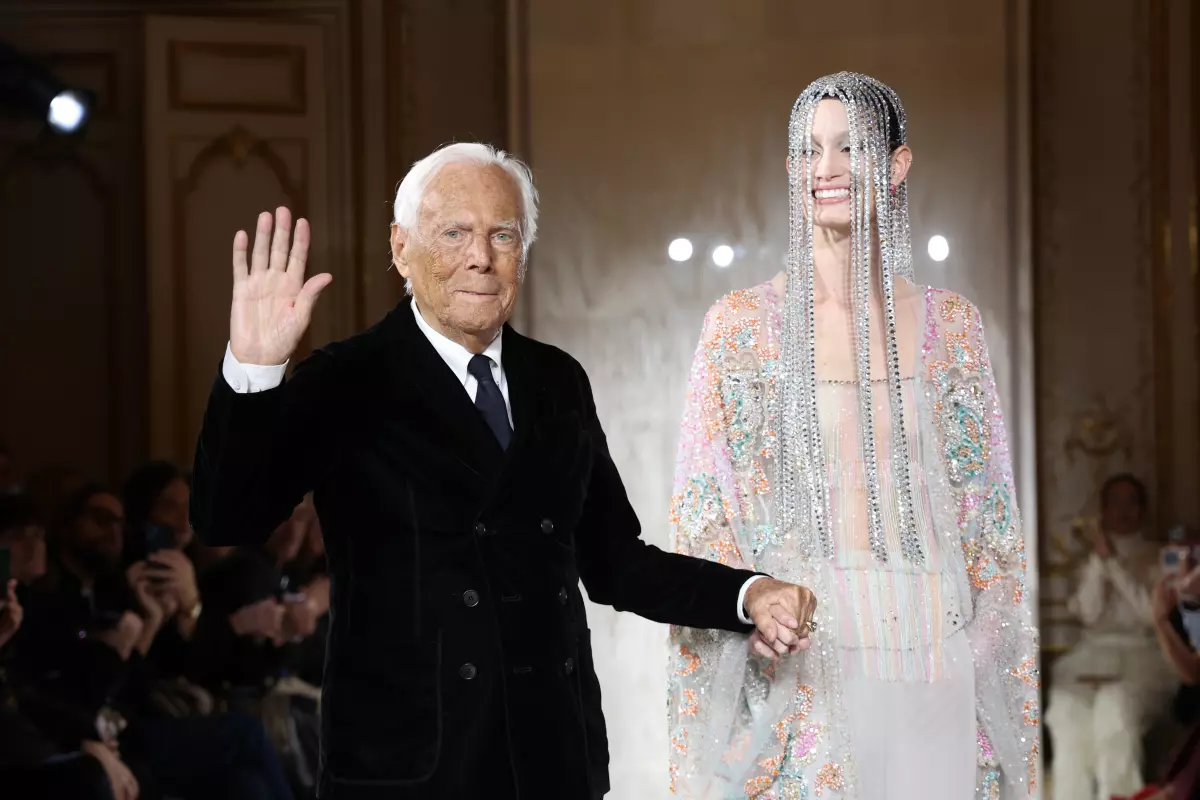
And here’s the catch. Between 2026 and 2030, we’ll see a real boom in “quiet luxury.” People are already tired of logos on every piece of fabric. They want things that are high-quality, but understated. This is no coincidence.
Besides, you can already see it – young people are buying vintage Armani instead of new, flashy brands. They’re looking for something authentic.
Maybe it’s worth thinking about your own business this way? Not about being the loudest, but about being the best at what you do. It doesn’t matter if you sell clothes, create apps, or run a restaurant.
Find your own version of elegance—and stick to it, even when everyone around you is losing their head.
Mario Fit
people editor
High Class Fashion