
Have you ever wondered how many women in the world can actually afford true haute couture? The answer might surprise you — it’s only about 4,000 people. Yet paradoxically, this tiny segment drives a massive market worth billions of dollars.
Haute couture versus premium prêt-à-porter – tailoring the future
In 2024, the haute couture world was valued at exactly $1.36 billion. And the forecasts for the coming years? Even more impressive. By 2033, experts predict growth to $2.31 billion, with an annual growth rate of 6.85%. This demonstrates just how rapidly this market is expanding, even though it caters to such a niche group of clients.
“$1.36 billion – that was the value of haute couture in 2024.”
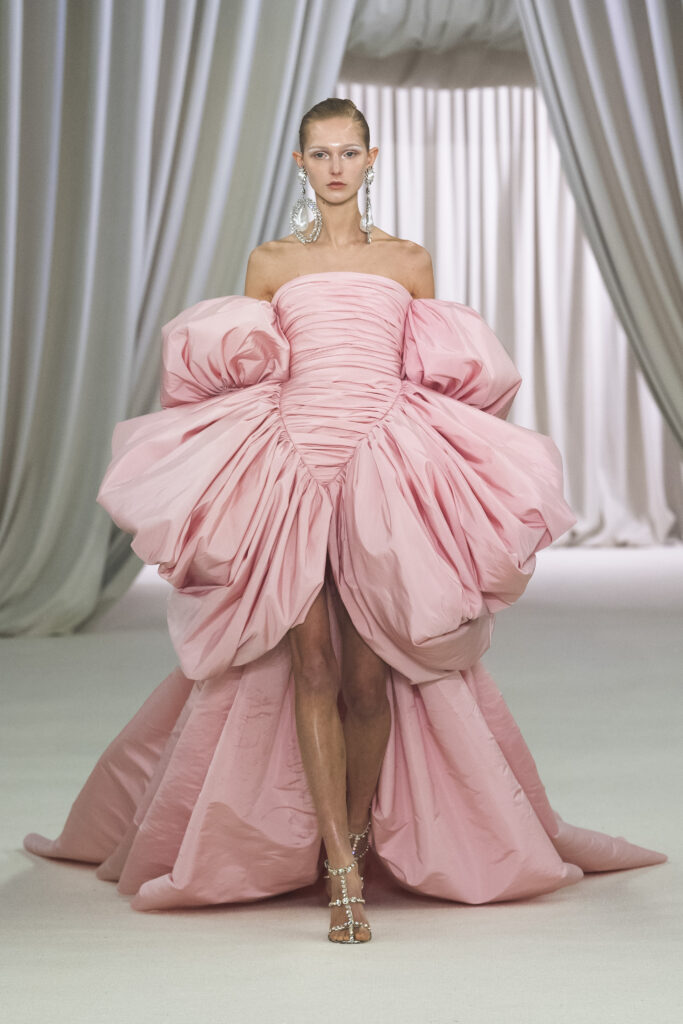
Interestingly, only 15-20 official fashion houses worldwide are legally allowed to use the term “haute couture.” The rest? That’s premium prêt-à-porter, which reaches a much broader clientele. And this is where the real discussion begins.
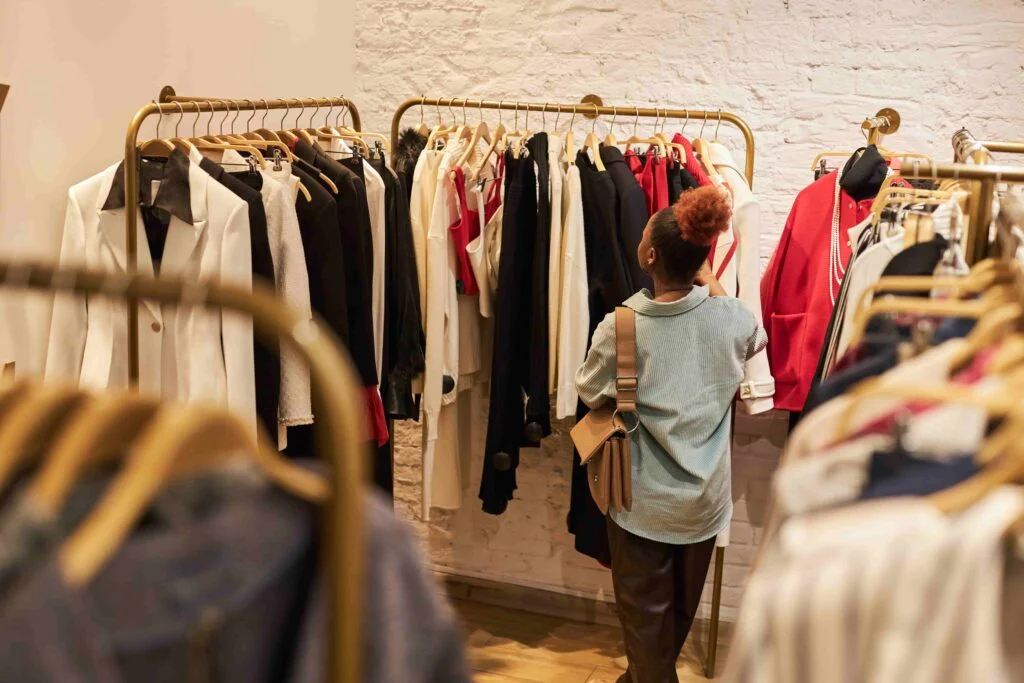
Why are we even comparing these two worlds? Because in 2025, the boundaries between them are becoming increasingly blurred. Customers expect exclusivity, but also practicality. Premium brands offer almost the same quality as haute couture houses, sometimes at a fraction of the price.
It’s not just about money. It’s about culture, identity, and how we define luxury today. Is true luxury still about hand-sewn creations for a select few? Or is luxury now about making high quality accessible to a wider group of women?
Moreover, in an era of growing environmental awareness and sustainable fashion, both segments must answer questions about their future. Is haute couture, with its months-long process of creating a single gown, more or less responsible than premium ready-to-wear production?
To understand this debate, we first need to take a closer look at what really sets these two fashion worlds apart.
Haute couture and premium prêt-à-porter – definitions, rules, figures
After seeing just how important these two segments are in fashion, it’s time to clarify what exactly all these French names really mean. After all, not every expensive dress is haute couture, right?
Definition of haute couture
To be able to use the term “haute couture,” a fashion house must meet the strict requirements of the Chambre Syndicale de la Haute Couture in Paris:
• At least 35 looks for each show
• Employ at least 20 skilled seamstresses in the atelier
• Present two mandatory collections per year in Paris
• At least 75% of the production process must be done by hand
• Each creation must be individually tailored to the client
These aren’t suggestions—they’re legal requirements. Break the rules, and you lose the right to the name.
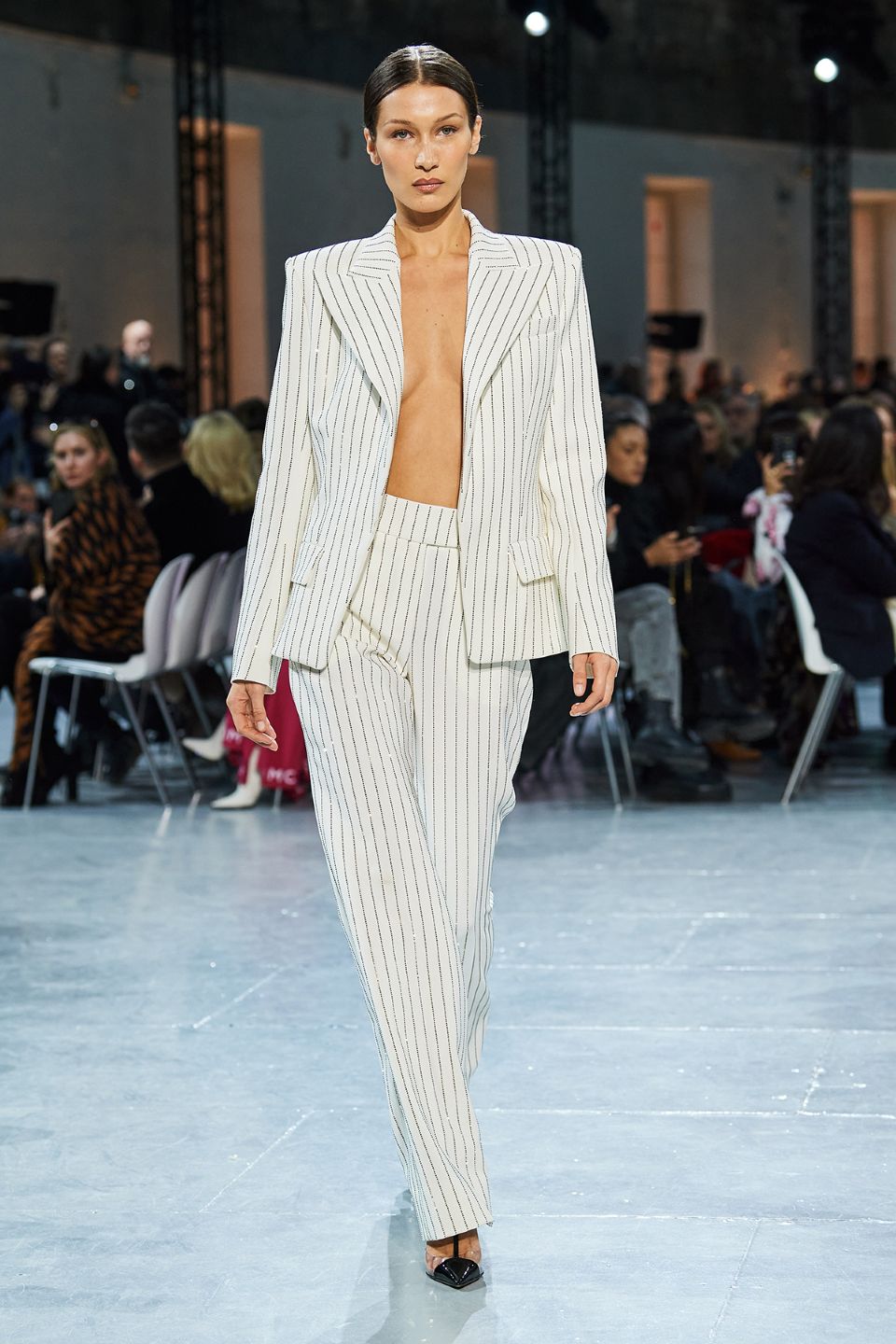
Definition of Premium Prêt-à-Porter
Premium ready-to-wear is a completely different category:
• Produced in standard sizes
• Use of the highest quality materials and finishes
• Limited production runs
• Sold in selected boutiques and department stores
• Prices much higher than mainstream, but accessible to a wider audience
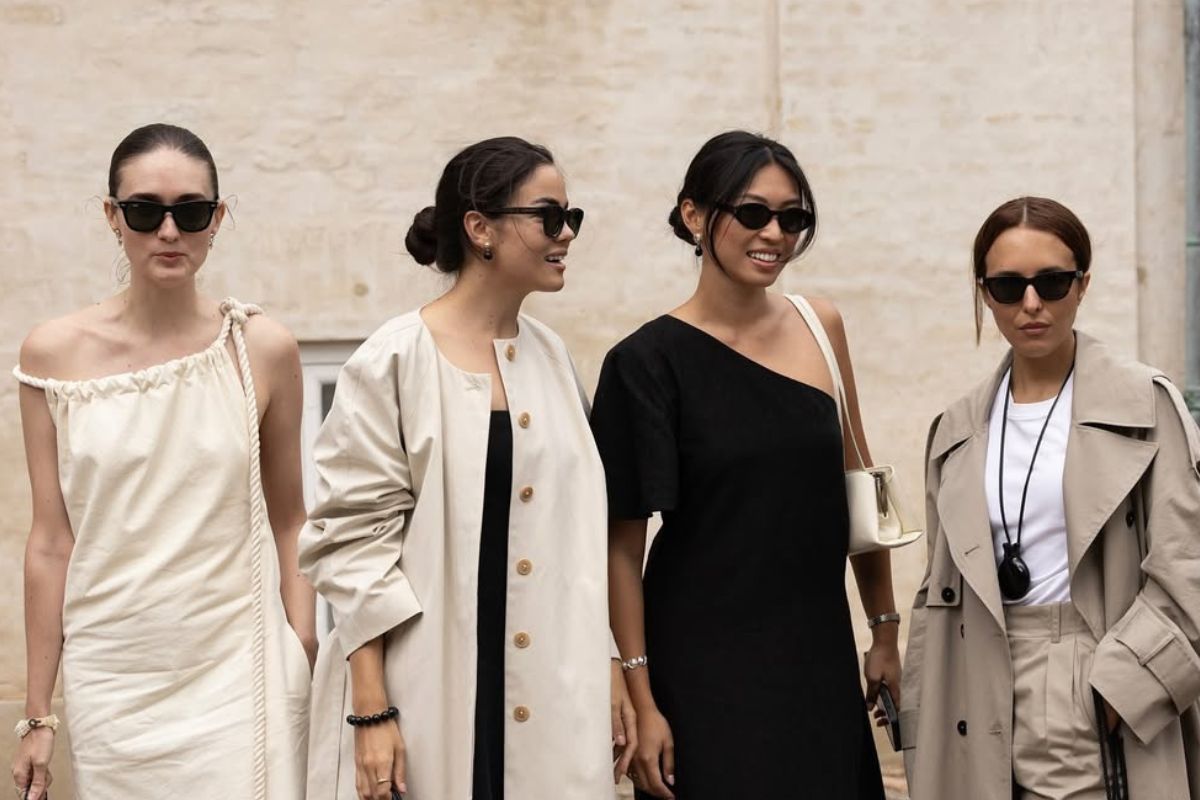
There are no official regulations here. Each brand defines its own “premium” level.
| Criterion | Haute Couture | Premium RTW |
|---|---|---|
| Legal regulations | Chambre Syndicale, strict requirements | No formal regulations |
| Production time | 100-1000+ hours for creation | <50 hours per piece |
| Price range | 25,000–100,000+ USD | 500-20,000 USD |
| Collection size | 30-50 looks | 50-100+ looks |
The differences in numbers are truly dramatic. A single couture gown can require as much time to create as an entire mini RTW collection.
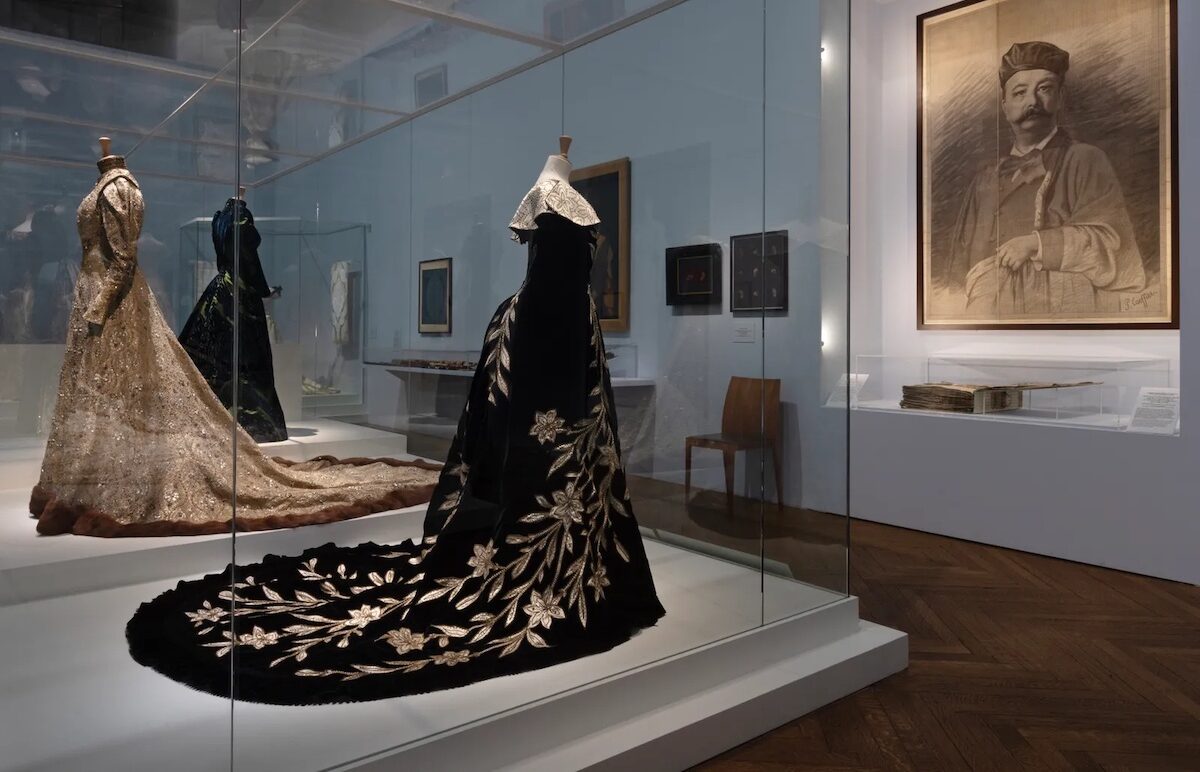
Historically, haute couture was born in the 19th century thanks to Charles Frederick Worth, who was the first to design clothes in advance, rather than for a specific order.
The prêt-à-porter system only began to develop after World War II, when American manufacturers started copying Parisian designs at more affordable prices.
Interestingly, for decades these two worlds hardly overlapped. Today, however, the boundaries are blurring—some designers now create in both segments simultaneously, leading to fascinating results.
Clash of the masters: how designers shape both segments
It takes just one step onto the runway and you know instantly – this is couture. Spotlights reflect off every crystal, every model’s movement is perfected to the last detail. But a few months later, the same designer unveils an RTW collection, where speed of production and profit margins take center stage. That’s where true mastery is revealed – balancing artistic vision with commercial reality.
Chanel – the power of storytelling
The Chanel SS25 couture collection was a total hit. EMV reached $38.67 million, thanks in large part to Jennie from BLACKPINK as the brand ambassador. Let’s be honest—K-pop is a powerhouse in luxury marketing today.
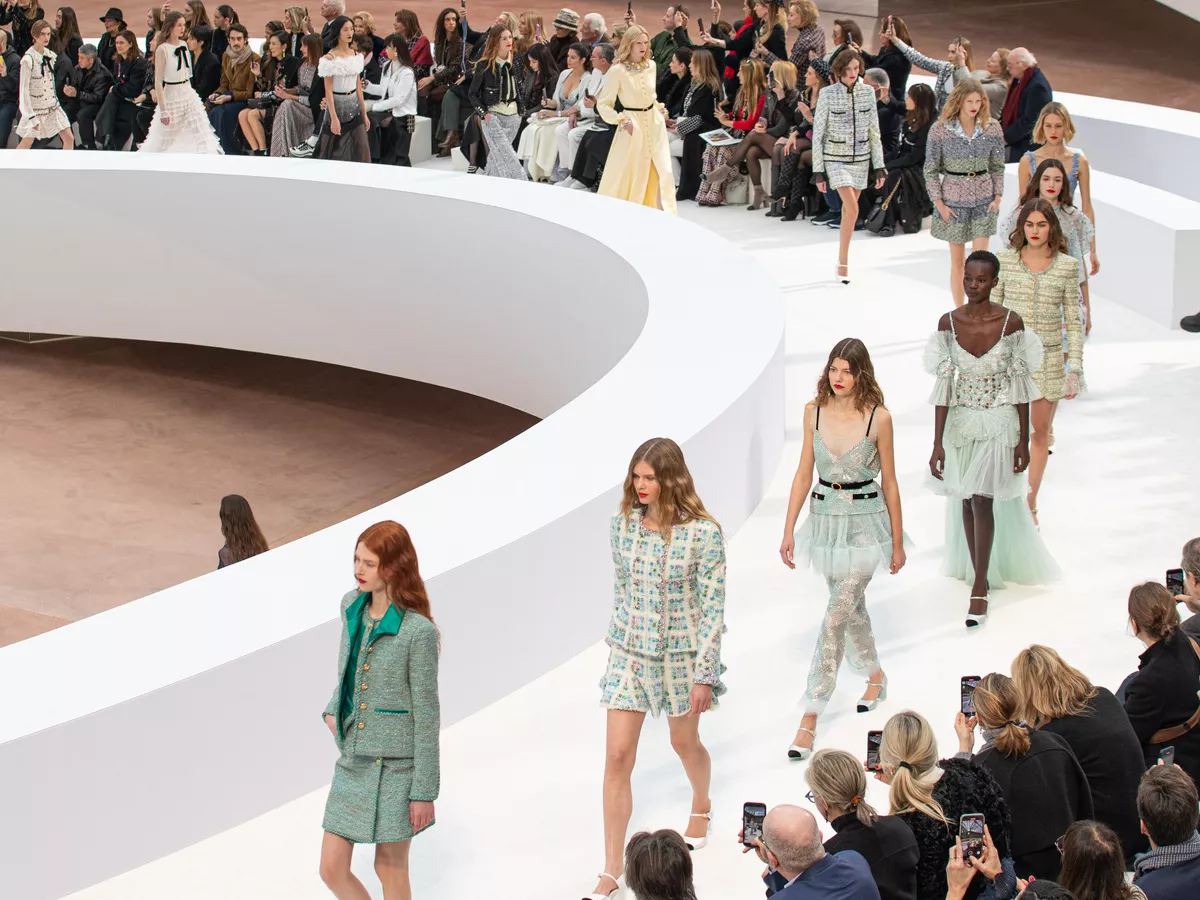
But interestingly, Virginie Viard didn’t simply copy couture elements into ready-to-wear. Instead, she took the narrative—the same story of the modern woman—but told it in a more straightforward way. Tweed remained, but without hand-weaving. Pearls stayed too, only made of resin instead of the real thing.
Dior vs Balenciaga – the flow of inspiration
Something fascinating is happening here. Maria Grazia Chiuri at Dior experiments with glitter and pleats in couture, and then Demna at Balenciaga… does it too. Except with him, those same motifs end up in capsule RTW collections as futuristic interpretations.
I remember how last year everyone was saying that Balenciaga was “stealing” from Dior. But it’s more of a natural evolution—trends in haute couture have always trickled down the pyramid. The difference is in the execution. Dior maintains elegance even in RTW, while Balenciaga turns it into a statement.
Prada 2025 – when production becomes a problem
And here we have a controversy no one saw coming. Miuccia Prada moved part of the premium RTW production to China, and suddenly everyone started questioning the brand’s “authenticity.” “”Luxury today is an experience, not a product” – post by @derek_guy, 02/03/2025.”
It’s an interesting case, because the quality hasn’t changed. Same materials, similar technologies. But buyer psychology is different—Made in Italy just sounds better than Made in China, even if the craftsmanship is identical.
Working hours – couture vs RTW
To illustrate the difference in scale:
Elie Saab couture creation – 700 hours (including hand embroidery)
Demna RTW with 3D print – less than 10 hours of actual sewing
Average Chanel couture gown – 300–400 hours
Typical Prada RTW jacket – 8–12 hours
These numbers say everything about the different creative philosophies. Elie Saab treats each piece as a work of art. Demna focuses on concept and technology as a means of expression.
In fact, it doesn’t really make sense to compare these segments directly. They’re different languages within the same universe. Couture is the poetry of luxury; RTW is its prose. Both forms have their place, but they demand completely different skills from designers. And maybe that’s why some masters excel in one segment more than the other.
What’s next for luxury? Key insights and steps for the industry
Haute couture will reach a value of $18.88 billion by 2033, growing at 4.66% annually. These figures show that the industry is far from dying—it’s simply evolving.
Recent analyses by haute couture designers reveal three key directions for development. The first is the use of artificial intelligence in the design process—not to replace creativity, but to enhance it. Algorithms are already helping with fabric selection and predicting color trends. The second megatrend is sustainable materials—clients are increasingly asking about the origin of silk or the production methods of lace.
The third trend strikes me as the most fascinating—luxury experiences. Pop-up ateliers in Tokyo for a single weekend, fashion shows in the metaverse where you can touch virtual fabrics. It sounds like science fiction, but it’s happening right now. Brands are discovering that young collectors value experiences just as highly as the creations themselves.
I imagine the year 2030, when a designer in Warsaw collaborates with an embroiderer in Mumbai via hologram, and a client from New York attends a fitting in a virtual atelier. Haute couture will become a global, yet deeply personal creative space.
The future of this industry depends on the ability to combine tradition with innovation—without losing the soul of craftsmanship.
Sonia 1990
fashion & lifestyle editor
High Class Fashion