
It’s hard to imagine a world without the “little black dress”. Right? It’s a dress for every occasion. It’s suitable for both a formal meeting in the office and an evening outing on a date. The little black dress is not just a dress that every woman has in her wardrobe. It’s a current trend for the holidays and the history of not only fashion, but also women. The revolution that has taken place from the moment this simple and minimalist dress appeared until today is a change in social life and the way we look at the world. The story of the little black dress is a fascinating tale.
The History of the Little Black Dress: Beginnings and Coco Chanel
The little black dress, a symbol of elegance and timeless style, has a rich and fascinating history. In the 19th century, black was mainly associated with mourning in fashion. Queen Victoria, who wore only black for 40 years after the death of her husband, Prince Albert. The revolution in perceiving black as a synonym for elegance did not occur until the 1920s. At that time Coco Chanel introduced a design that would forever change the perception of the black dress. Her iconic little black dress, presented in Vogue in 1926.
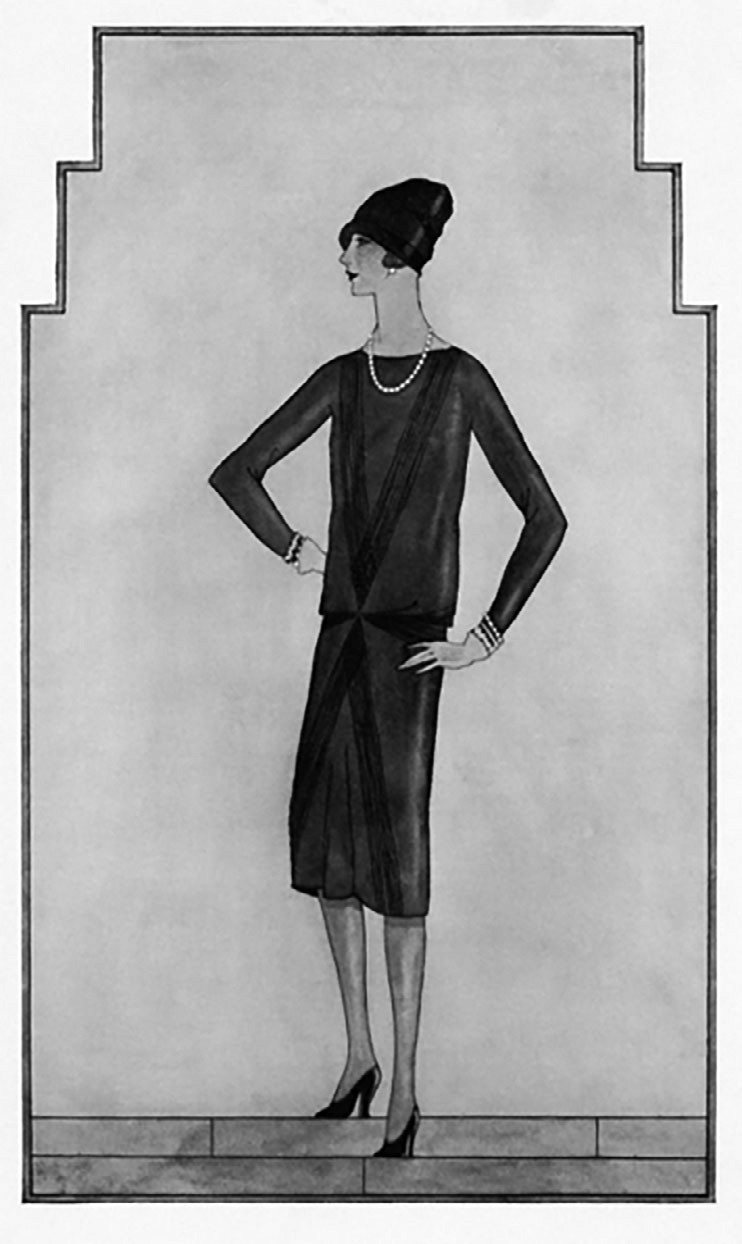
The project was a bold step towards modernity and an expression of women’s freedom. At a time when the world was slowly emerging from the shackles of World War I, Chanel created a dress that was simple, comfortable and extremely functional. Something that every woman could have in her wardrobe, regardless of status.
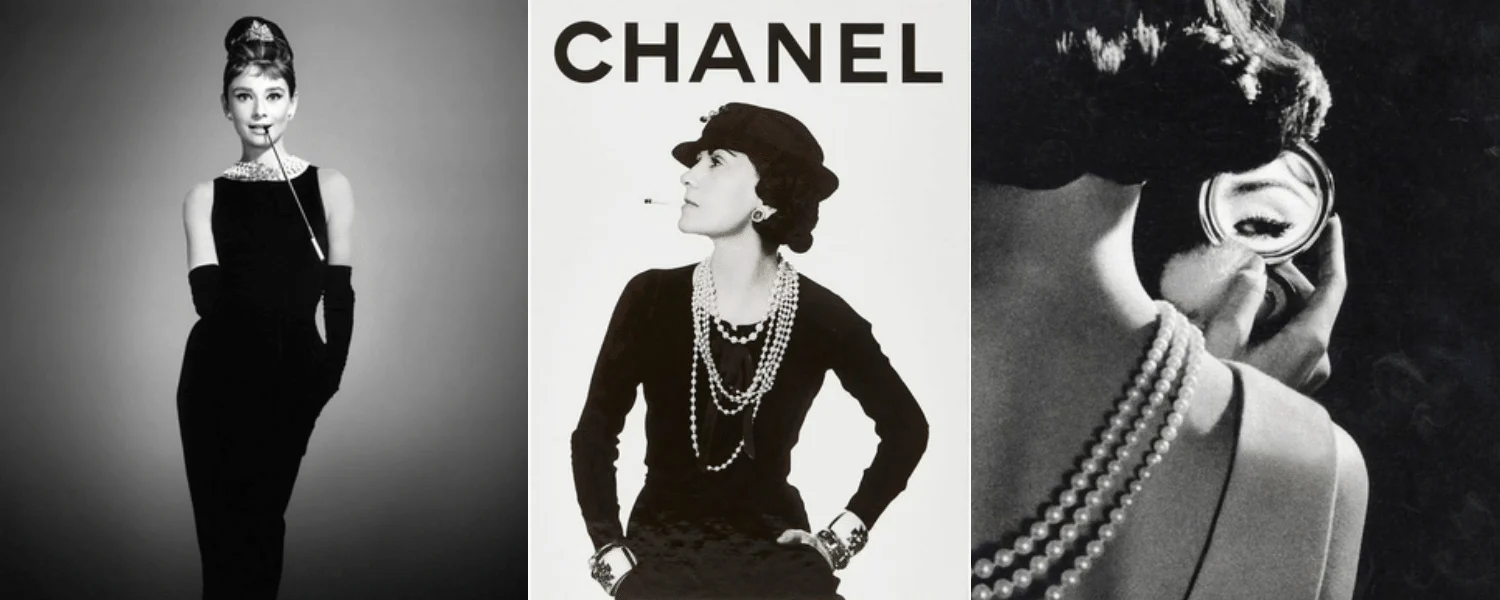
The revolutionary creation with a straight neckline and a loose cut reaching mid-calf has become a symbol of liberation, modernity and access to fashion for a wide range of women.
The dress, which had its roots in simplicity and functionality, also became a response to the changing needs of modern women. It was equally suitable for an elegant dinner and an evening out at the theater. Its characteristic color was not only practical, but also expressive. It was a background on which any styling could be built. Accessories were the deciding factor. This made the little black dress a favorite base for various creations. From more formal to less formal social gatherings. One dress for many occasions. Versatility and saving in one idea.
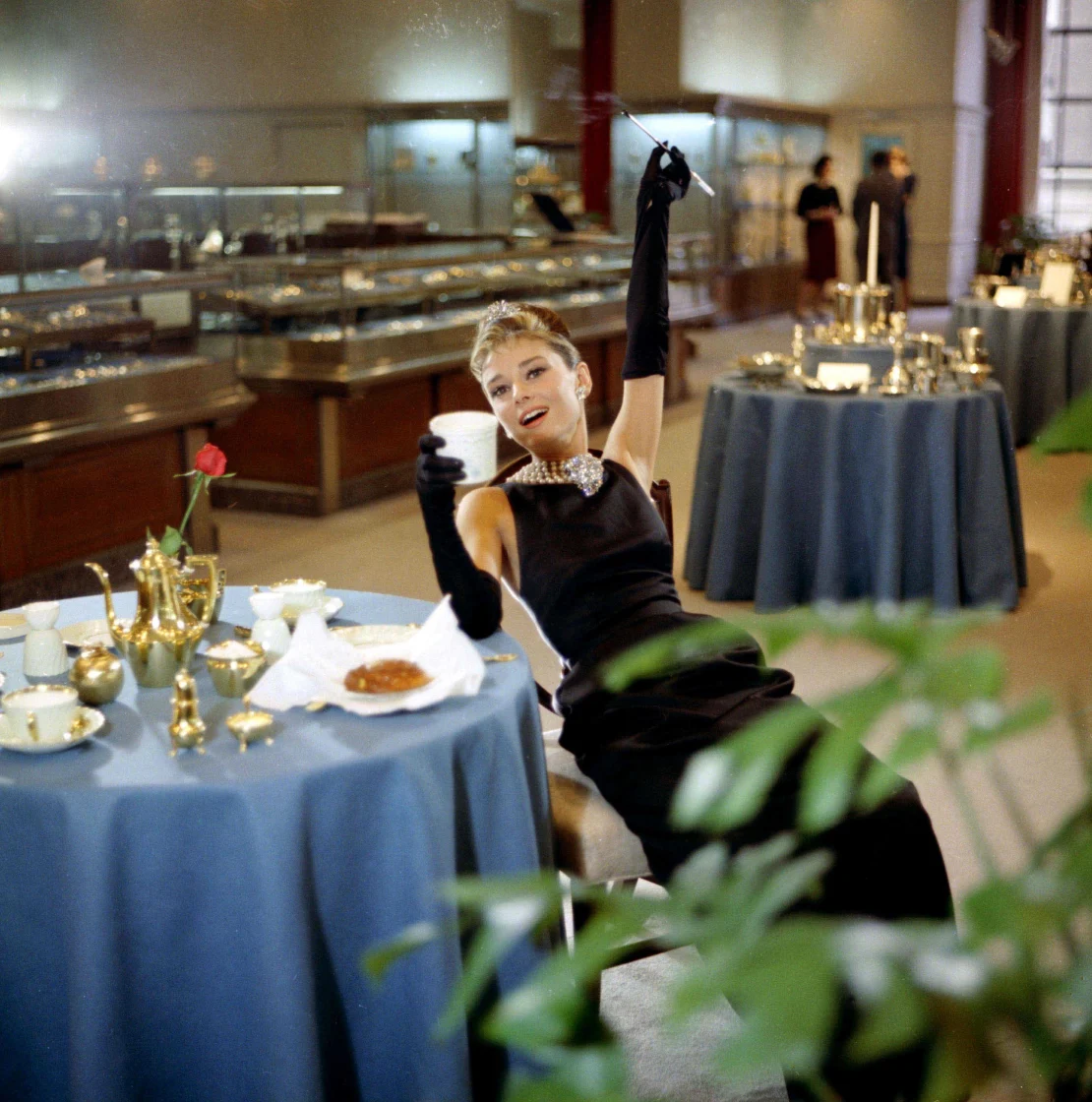
Over the years, the little black dress has evolved and become a symbol that has appeared on red carpets and movie screens. In 1961, Audrey Hepburn in a dress by Hubert de Givenchy inBreakfast at Tiffany’sbecame a symbol of class and elegance. In 1994, when Princess Diana wore her famous “revenge dress” by Christina Stambollian, the little black dress was once again a way of expressing emotions.
Dress as a symbol
The history of the little black dress shows that it is not just a dress. It is a symbol of female strength, elegance and independence. Since Coco Chanel first introduced it on the runways in 1926, it has become a sign of modernity and revolution in fashion. At a time when women were just gaining space in the world of fashion, the little black dress was proof that elegance does not have to be luxurious and inaccessible. It is a dress that said: “I am myself and I do not need anything more to shine”. The little black dress became a symbol of rebirth and freedom. Women threw off lace corsets and complicated dresses. In their place came a simple, functional, but also chic creation – the little black dress.
Today, almost a hundred years later, the little black dress is seen as a symbol of timeless class. It is present on red carpets, in offices and at social gatherings. Its power lies in its versatility. It suits both elegant high heels, as well as sneakers, without losing their unique power of expression.
Only a women’s suit can compete with it in terms of symbolic power. The story of the little black dress is also a story of social and cultural change. It will always remind us that a woman’s strength lies not in extravagance, but in simplicity. That is why it is said that the little black dress is not only a part of fashion history, but also a part of world history. A symbol that has stood the test of time and remains significant for generations to come.
The famous story of the “little black dress”
Here are five of the most important moments in history when famous women wore the “little black dress” and why they became so iconic:
- Coco Chanel (1926) – She revolutionized fashion by introducing the “little black dress” to the world in her design. It was published in “Vogue”. The Chanel dress, referred to as “Chanel’s Ford” because of its simplicity and accessibility, became a symbol of women’s liberation from tight corsets and the limitations of 19th-century fashion. It was an example of modern elegance. Accessible to a wide range of women, from the middle class to the aristocracy.
- Audrey Hepburn in “Breakfast at Tiffany’s” (1961) – Hubert de Givenchy designed one of the most recognizable “little black dresses” in the history of cinema. This dress, with its characteristic long gloves, has become synonymous with class and chic. Its iconic scene from the film, in which Audrey stands in front of a shop window, is a symbol of independence and elegance, as well as the iconic style of the 60s.
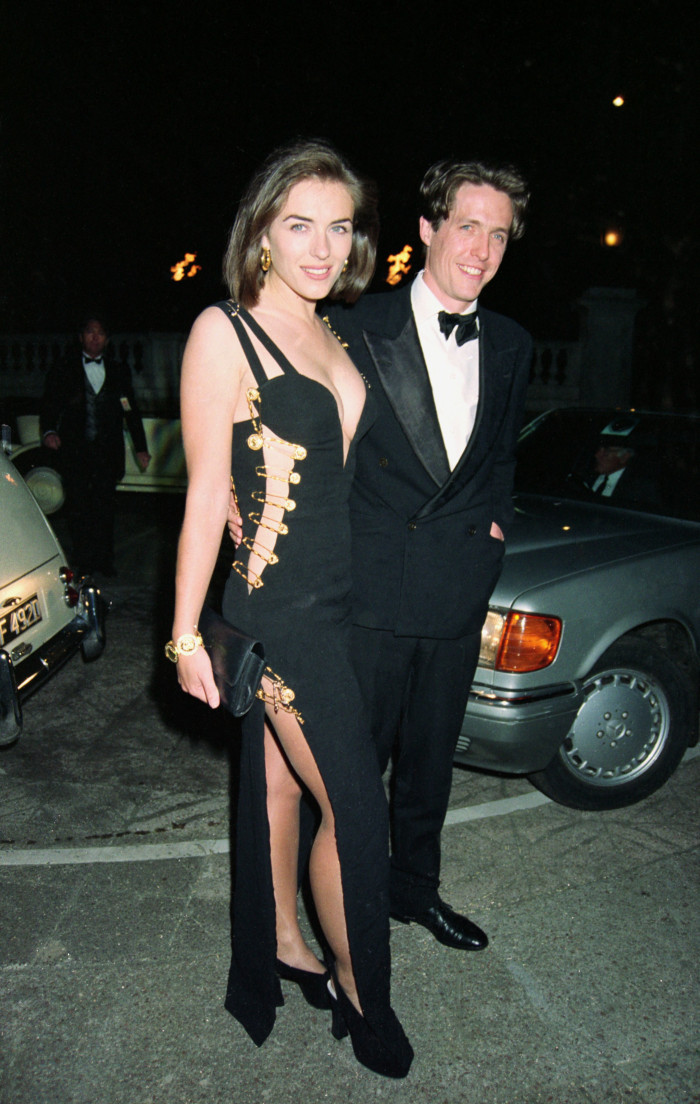
- Elizabeth Hurley in a 1994 Versace dress – When Hurley appeared on the red carpet alongside Hugh Grant in a Gianni Versace creation, her “little black dress” with exposed metal zippers (the so-called “safety pin dress”) caused a sensation. The dress was a symbol of ’90s sex appeal and proved that the “little black dress” could be as daring as it was classic.
- Diana, Princess of Wales (1994) – Known as the “revenge dress,” this black creation by Christina Stambollian was worn by Diana to a party in London and made a huge impression. This year, after her split from Prince Charles, Diana decided to wear a bold, tight “little black dress” to a public event. The dress symbolized her strength and courage—a sign of a new beginning and a sign of her independence.
- Mireille Darc in “Men Who Hate Women” (1972) – In this French production, the actress appeared in a sexy, bold black dress designed by Guy Laroche. It was a version of the “little black dress” that gained the name of bold and liberated, redefining the concept of feminine elegance and courage. Darc became a symbol of a modern, modern woman who combines sex appeal with independence.
Little black dress then and now – revolution or evolution of cuts and styles
The “little black dress” has come a long way since its debut in the 1920s. Its first version was loose, reaching to mid-calf, with a straight cut and a delicate neckline. It allowed for freedom of movement and a modern look. The cut contrasted with the corsets and complicated styles of the time.
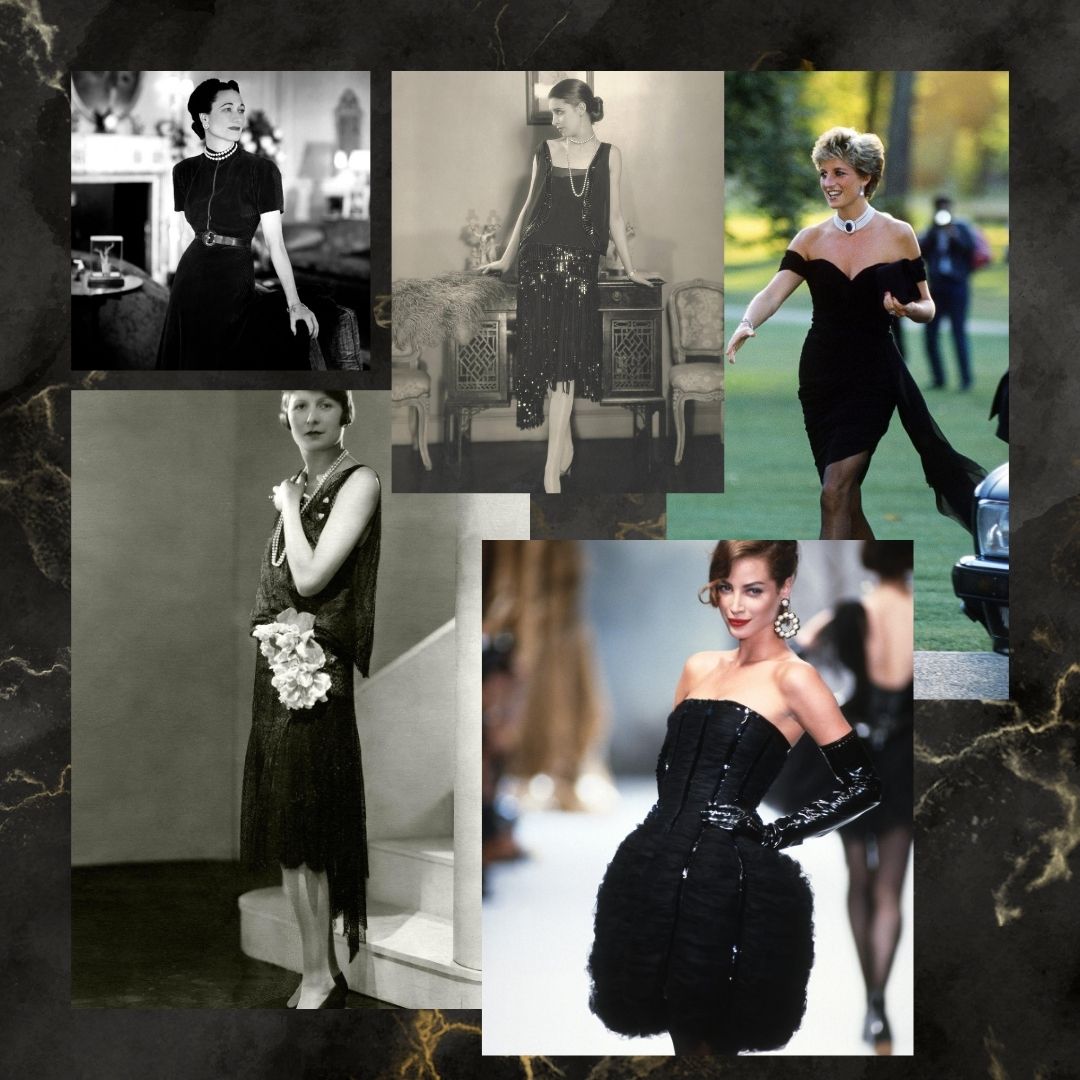
In the 1930s and 1940s, the “little black dress” evolved, referring to the more elegant forms of the interwar period. More fitted, often with decorative elements. In time, in the 1950s, under the influence of Dior and his “New Look”, dresses became more feminine, with accentuated waists and flared skirts. They gave the silhouette a fuller shape. In the 1960s, Audrey Hepburn’s version became groundbreaking, enriching the “little black dress” with elements of luxury and chic in the classic Givenchy creation.
Fast forward to the 80s and 90s, and the “little black dress” took on more daring and eccentric styles. We remember the loud creations from the collection Gianni Versace, or bold, cut-out models worn by pop culture icons like Elizabeth Hurley.
In the 21st century, the dress has undergone a revolution: now it can have almost any style and material. From minimalist, geometric cuts to avant-garde models with asymmetrical cuts, lace or decorative elements. Today, the little black dress is not only synonymous with elegance, but also an expression of individuality. It gives the possibility of personalizing the style. From modest and classic styles to bold and modern reinterpretations.
The story of the little black dress evolves, but never loses its power. It is a symbol female power, independence and timeless beauty.
How to Style a Little Black Dress – Trends 2025
The little black dress, although almost a hundred years old, is still a symbol of timeless elegance and creativity on the runways in the 2024 and 2025 seasons. Designers are reinterpreting it in countless ways, from minimalist cuts inspired by the aesthetic of the 90s, through structured dresses in a blazer style, to sensual models with cutouts and asymmetry. It appears on the runways in office versions, casual versions, and also as a sophisticated creation for big events. Most recently, it was a basic look in the Louis Vuitton campaign Holiday 2024, Gucci Gift Holiday 2024 and spring/summer 2025 shows.
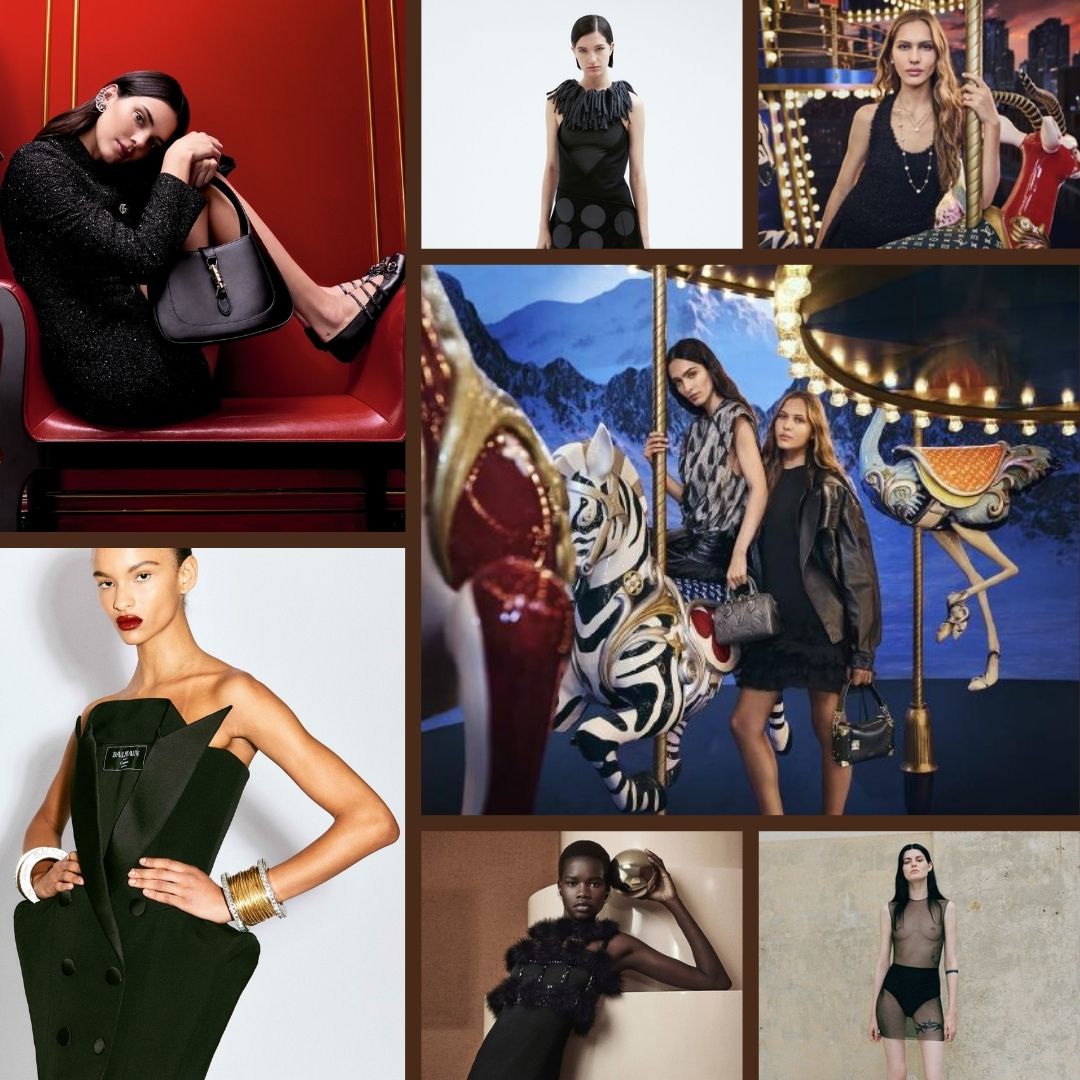
Although fashion is constantly changing, the little black dress remains relevant. It skillfully combines versatility with the courage to experiment. The history of the little black dress is proof that a classic never ages.