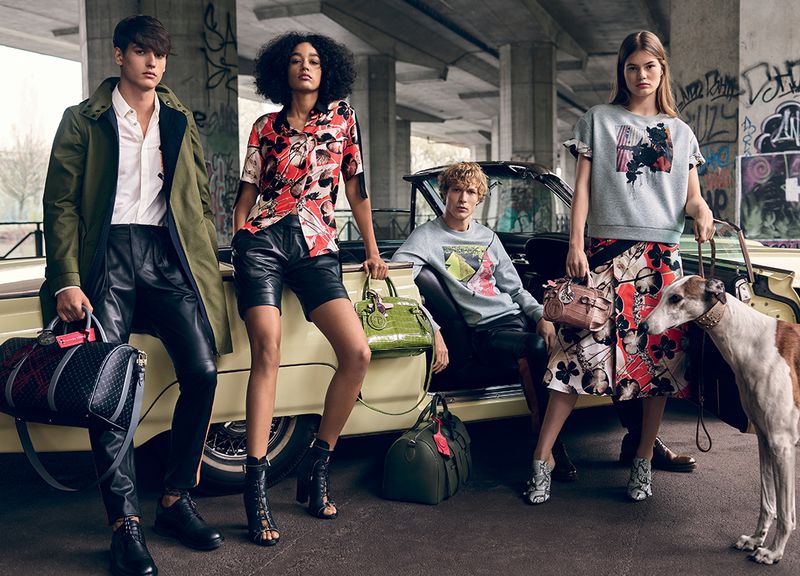
Fashion likes big names, but above all, it loves great stories—those that begin modestly and end up in the front row of the world’s style capitals. The history of the Trussardi brand is precisely a narrative of ambition, craftsmanship, and Italian temperament, capable of turning a leather glove into a symbol of luxury recognized from Milan to Tokyo.
The history of the Trussardi brand, from gloves to an empire
The origins of the brand date back to 1911, when in Bergamo, Dante Trussardi founded a small workshop specializing in the production of leather gloves. At a time when elegance was a necessity, not an option, gloves were an essential part of the upper class wardrobe. There, the quality of craftsmanship and attention to detail determined success or failure in the market. From the very beginning, Trussardi focused on perfection, using the finest Italian leathers and traditional tanning techniques passed down from generation to generation. The brand quickly gained a reputation, and its products began to reach royal courts and aristocratic salons. At that time, this was synonymous with the highest distinction.
In the interwar period, the company strengthened its position as a synonym of luxury, and its gloves were exported beyond the borders of Italy. A key moment came when Nicola Trussardi took the helm in the 1960s, giving the brand a completely new dynamic and opening it up to the fashion world in a broader sense. He was the one who realized that the potential of leather extended far beyond accessories. As a result, the brand began to expand its range to include handbags, suitcases, and small leather goods that retained their artisanal character while gaining a modern flair.
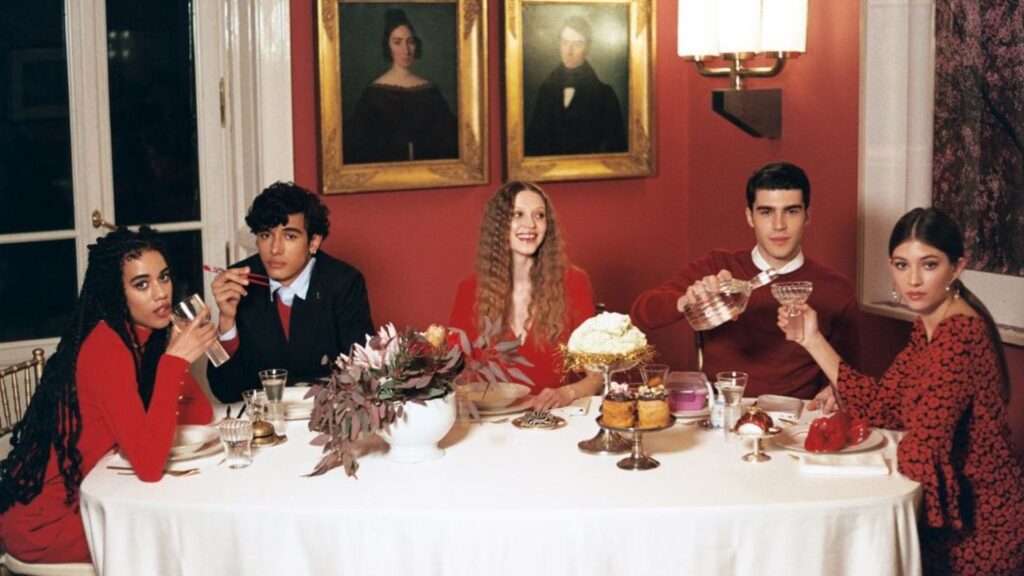
At that time, Italy was experiencing an economic boom, and Milan was emerging as the capital of design. This undoubtedly created ideal conditions for the growth of ambitious brands. Trussardi skillfully embraced this atmosphere, building the image of a brand that respects its roots but is unafraid of the future. Each new season brought increasingly bold collections, and the name Trussardi began to be recognized not only as a glove manufacturer but as a symbol of sophisticated Italian fashion.
The dog who became a style icon
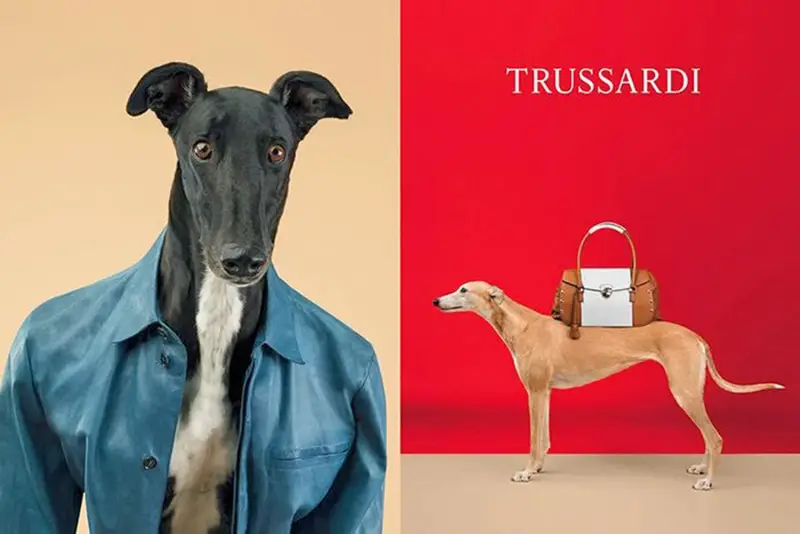
In 1973, the brand gained a new face—or rather, a new silhouette. We’re talking about the figure of the greyhound, which remains to this day one of the most recognizable symbols of the fashion house. The slender, dynamic, and elegant dog perfectly reflected the character of the designs, where lightness of form was combined with precision craftsmanship and the nobility of materials. Nicola Trussardi deliberately chose this motif to emphasize the brand’s rapid growth and its modern aspirations, which went beyond traditional craftsmanship. The greyhound logo became the hallmark of collections of leather jackets, bags, and accessories that conquered the streets of Milan in the 1970s and 1980s.
During that period, the brand transformed into a fully-fledged fashion house, presenting prêt-à-porter collections and building a cohesive aesthetic world. The history of the Trussardi brand gained momentum at this time, as the brand was not only developing new product lines. In addition, it invested in image and communication that was consistent with its DNA. In 1983, the first flagship boutique was opened in Milan, a space combining fashion, art, and design, ahead of the era of concept stores. Trussardi organized shows in unconventional locations, emphasizing that fashion is an experience, not just clothing. The brand dressed stars, artists, and business people who sought quality without ostentation and elegance without excess.
The scent of Italian luxury
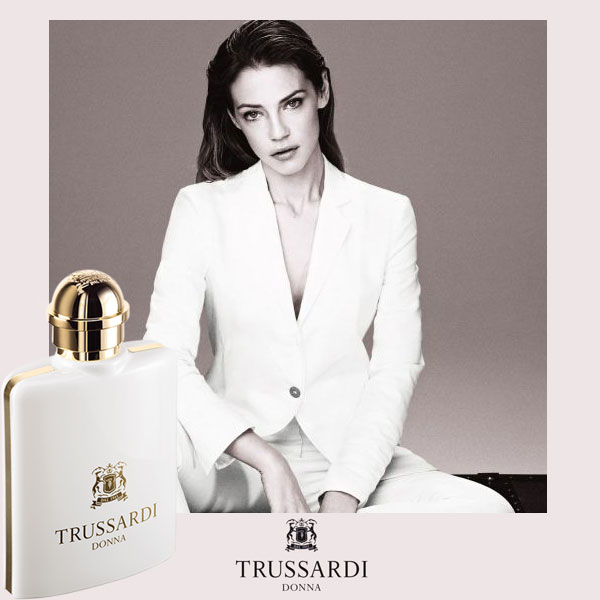
Then came the 1980s and 1990s, a period of intense expansion that encompassed not only fashion but also new product categories. Perfumes, youth lines, and interior design projects also began to be produced. Trussardi launched its first fragrances, which quickly gained popularity thanks to their sophisticated compositions and elegant bottles that reflected the fashion house’s aesthetic. At the same time, the Trussardi Jeans and Trussardi Sport lines were developed, catering to the needs of younger customers seeking casual elegance for everyday wear. The brand skillfully balanced exclusivity with accessibility, without losing its distinctive style.
Leather remained at the heart of the brand, but innovative fabrics and experiments with cuts began to appear more frequently, reflecting an openness to change. Collaborations with artists and interior designers strengthened Trussardi’s image as a brand with broad horizons and a bold vision. The global network of boutiques expanded, covering Europe, Asia, and the United States, making the brand a true ambassador of Italian style. Although competition in the world of luxury was growing ever stronger, the brand maintained its position thanks to authenticity and consistency in communication. It is this ability to combine tradition with modernity that has allowed the brand to endure for decades and remain present on the global fashion map.
The history of the Trussardi brand and the challenges of the 21st century
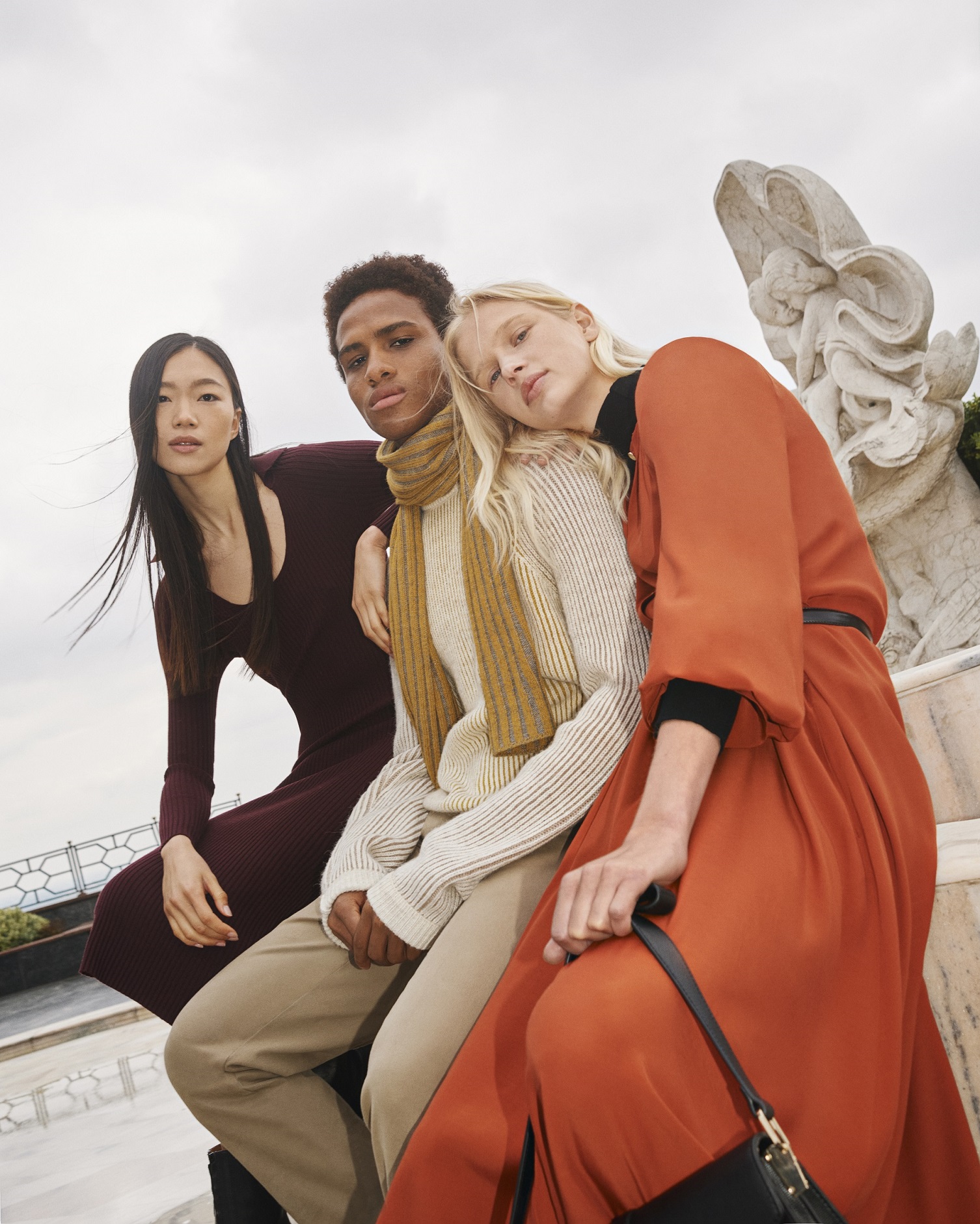
Entering the 21st century brought rapid changes to the fashion industry. Trussardi, like many family-run fashion houses, had to face globalization, digitalization, and growing competition from luxury conglomerates. The death of Nicola Trussardi in 1999 was a turning point that forced a reorganization of the company’s structure and a search for a new development strategy. The following years saw changes in creative directors, attempts to refresh the brand image, and efforts to adapt collections to the rapidly evolving tastes of customers. The brand experimented with a more modern aesthetic, striving to balance heritage with contemporary trends.
History of the Trussardi brand in recent decades is a story of searching for a new definition of luxury, which today means not only quality but also social responsibility and sustainable production. The company has taken steps toward more ethical practices, investing in supply chain transparency and reducing environmental impact. At the same time, it has developed online sales, adapting to the realities of the digital world, where the brand experience often begins on a smartphone screen. Trussardi has not abandoned its signature elegance, but has begun to interpret it in a more contemporary way. By offering new collections, it has also responded to the needs of a new generation of customers.
Contemporary designs combine classic cuts with modern details, creating a dialogue between the past and the present. The brand continues to draw from Italian craftsmanship, which remains its greatest asset in a world dominated by mass production. Although the path has not always been easy, Trussardi has proven that it can adapt to change without losing its identity. Today, it operates as a global player that remembers its roots but looks to the future with courage and ambition.
When fashion meets gastronomy
It is worth noting, however, that one of the more interesting, though often less highlighted, aspects was the brand’s development beyond fashion itself. For years, Trussardi has invested in spaces that combine style with cuisine, as exemplified by the presence of restaurants bearing the family name in Milan. This side venture was no coincidence, as the brand consistently built a lifestyle image in which clothing is just one part of a larger experience.
The combination of fashion, design, and gastronomy allowed Trussardi to create a world that was aesthetically and emotionally cohesive, while also being more deeply rooted in the urban context. In this way, the brand offered a lifestyle where quality matters, both in the wardrobe and on the plate. This approach demonstrated that the story of the Trussardi brand is not just a tale about premium clothing, but about the consistent building of cultural presence.
Today, the brand continues to face the challenges of the global market, yet its strength remains its ability to adapt without losing its identity. It is precisely this capacity to reinterpret its own heritage, while simultaneously embracing new areas of activity, that ensures Trussardi remains an important voice in the conversation about contemporary luxury.