
Have you ever wondered why one blouse costs 50 zlotys, while a similar one is priced at 500? It’s not just about the brand or marketing.
The global premium fashion market is worth “over 300 billion dollars and is growing at a rate of 5-7% annually”—while fast fashion is beginning to lose its appeal. People are simply tired of clothes that fall apart.
Picture this: you buy two t-shirts that look almost identical at first glance. After a month, one is covered in pilling and the sleeve stretches out after the first wash. The other? It still looks great after years of wear. Which one was cheaper? Probably the first. But was it really?
How to Recognize Premium Clothing – A First Look at Luxury
We’ve all been there. A closet full of clothes, yet nothing to wear. Or even worse – that favorite top that looks like a rag after just a few washes.
In 2025, knowing how to spot premium from cheap is truly a game-changer. It’s not just about money – it’s about your time, your nerves, and ultimately, the environment. Buying less, but better, is no longer just an eco trend.

Why does no one teach us this? At school, we had math and history, but no one ever explained how to tell good fabric from poor quality. Yet this skill is far more useful than solving quadratic equations.
This article will show you practical things:
• How to check fabric quality and finishing – so you don’t get ripped off
• Where and how to verify the authenticity of premium brands
• Practical shopping tips – what to check before you buy
• Why investing in better clothes makes financial sense
I’m not going to tell you fairy tales that expensive always means better. Sometimes expensive just means expensive. But there are ways to tell the difference.
Before we dive into fibers and how to recognize them, it’s worth understanding the basic difference in approach. Premium is a long-term investment; fast fashion is a one-off expense.
Material and stitching under the microscope – technical marks of quality
Take two sweaters from your closet. One from a chain store, the other more expensive. Place them on a kitchen scale. The difference can be significant—sometimes even double. This is the first quality test you can do at home.
The truth is, the material says it all. Or almost all. When you hold 100% organic cotton with a weight of 200-250 g/m² in your hand, you feel the difference. It doesn’t even have to be the touch—the weight of a sweater at 350-450 g/m² says more than the price tag.
Cashmere is a different story altogether. Fibers below 19 µm—that’s the premium standard. You can check this, though not at home, of course. Merino wool should be 17-21 µm. It sounds technical, but these numbers determine whether your sweater will pill after washing. Linen, on the other hand—200 g/m² minimum, otherwise it will wrinkle like paper.
Seams are the second life of a garment. You can have the best material, but if the seams are poor, everything falls apart.
Double stitching, French seams. A margin of at least 1-2 cm from the edge. That’s no accident. The “pull & stretch” test—gently stretch the seam. If you see tension or the thread loosens, that’s a red flag. I always check this, even in the store. Sometimes the sales assistants look at me strangely, but oh well.
Loose threads are a fast fashion classic. In quality clothes, you simply won’t find them. Or they’re very well hidden.
| Parameter | Premium | Fast fashion |
|---|---|---|
| Weight | 200-300 g/m² | 120-180 g/m² |
| Seam allowance | 1-2 cm | 0.5–1 cm |
| Finish | Double stitching | Single |
| Threads | Hidden | They stick out |
Metal parts speak for themselves. YKK, Riri – those names on zippers are no coincidence. The zipper should move smoothly, without snagging. That “click” sound when fastening – on a quality zipper, it’s distinct and confident. On cheap ones, it sounds like cracking plastic.
Mother-of-pearl buttons have a certain weight. Plastic ones are lighter and make a different sound. The sheen should be even, with no discoloration or scratches.
Home tests – 5 steps:
- Snake clothing – sweaters 300-500 g is a good sign
- Rubbing with fingers – the fabric should not become static
- Smell – no chemical odor
- Seam test – gentle stretching
- Checking zippers and buttons
Touch is intuition, but it can be trained. Good fabric has texture; it’s not smooth like plastic. It doesn’t stick to your skin or create static. You can simply feel that it’s a natural fiber.
Scent matters too. New clothes with a chemical smell often signal harsh finishing agents. Quality garments don’t have this, or the scent is very subtle.
Quality is half the battle, but how can you be sure the label is genuine?
A logo isn’t everything – how to verify authenticity and avoid counterfeits
You know, I recently bought a handbag online and only realized a week later that it was a fake. The logo looked fine, but the devil is in the details. According to the latest OECD data from 2025, 1 in 5 clothing items bought online is counterfeit. That’s a lot.
Checking authenticity these days is almost a science. It’s no longer enough to just look at the logo or the overall quality.
□ Serial numbers – every brand has its own system. Armani uses 10-digit codes, Gucci has different patterns. It’s worth checking this on the official brand website.
□ Holograms with microtext – under a magnifying glass, you’ll see tiny inscriptions that fakes rarely replicate accurately.
□ Tags with QR or NFC codes – more and more brands are adding digital security features that can be scanned with your phone.
□ Even logo stitching – threads must be perfectly tight, with no loose ends.
□ GOTS certificates for organic products – genuine certificates can be verified in the database.
Apps like Entrupy or Legit help with verification, though they’re not always available in Poland. Some people use UV scanners to reveal hidden codes – it sounds like science fiction, but it’s actually standard in better luxury stores now.
Red flags: price much lower than official, no return option, seller avoids questions about origin, blurry product photos or stock images.
I remember a case with a fake Gucci tag. The real one has a distinctive font and spacing between the letters. The fake looked similar, but the letters were a bit wider and the tag paper had a different texture. You only notice these details when you compare them side by side.
AI-powered browser add-ons are also evolving. Some automatically check seller credibility on marketplaces by analyzing their sales history and reviews.
Verification takes patience, but it’s better to spend a few extra minutes than regret it later.
Where and How to Shop – A Guide to Stores, Thrift Shops, and Online Shopping
I’ve been wondering lately if all these tips about authenticity even make sense if we don’t know where to shop. It’s one thing to recognize a genuine Hermès, but it’s another to know where to find one at a reasonable price.
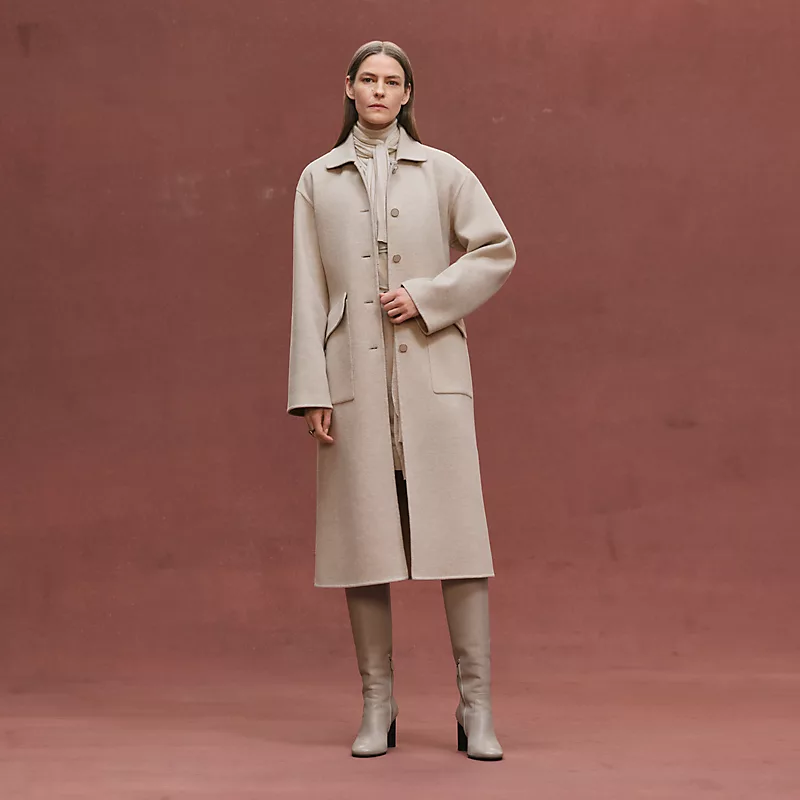
Premium boutiques are, of course, one option, but the truth is, most of us don’t have 15,000 PLN to spend on a handbag. On the other hand, you get a guarantee of authenticity and top-notch service—which counts for something. The downside? Prices that can feel completely out of touch with reality.
Second-hand shops are a whole different story. In Poland, they’re growing by 30% each year, which isn’t surprising. But here, you need to know how to negotiate—thrift shop owners often have no idea what they’re selling. I once saw a Chanel for 200 PLN because the saleswoman thought it was a fake. One important tip—always check colors in natural light. Those store LEDs can turn beige into gray.
Online is a separate category altogether. Vinted, Vestiaire Collective—convenient, but risky. Return policies are the first thing to look at. If you see “no returns accepted,” run.
| Channel | Pros | Cons |
|---|---|---|
| Premium boutiques | Warranty, service | Prices, limited selection |
| Second-hand stores | Prices, unique finds | Risk, uncertain state |
| Online | Choice, comfort | No physical contact, fraud |
Attention! Always check the return policy before making a payment.
A cost calculator is something we rarely use, but we should. A coat for 1,500 PLN worn for 5 years costs 300 PLN per year. Fast fashion for 300 PLN per year with every replacement? It’s the same amount, but the quality is worlds apart.
Online payment safety – only use trusted methods. PayPal, bank transfers. Never send money in advance to private accounts.
Now that we know where to shop, the question remains – how do we turn this knowledge into everyday shopping decisions?
From theory to wardrobe – our next steps towards conscious choices
Sometimes I wonder if everything we talk about really makes sense. All these analyses, tips, trends… And then I look at my wardrobe and realize that something actually has changed.
Quality means buying things that last more than just one season. Authenticity is choosing brands that don’t just talk about values, but actually live by them. Smart shopping? It’s simply pausing to think before you hit “add to cart.”
Okay, but what are we actually doing today? Because theory is one thing, and action is another.
- We’re checking the label on our latest purchase—is it cotton, or yet another polyester?
- We’re signing up for the newsletter of that premium thrift store your friend mentioned
- We take a photo of the contents of the wardrobe—to see what has changed in six months.
- We check whether our favorite brand actually holds the certificates it claims to have
- We set a clothing budget for next month – a specific amount
Actually, it’s fascinating how quickly everything changes in this industry. By 2030, half of the premium segment will be sustainable – at least according to McKinsey. And those new NFC tags for product authenticity verification? That’s no longer science fiction, it’s reality.
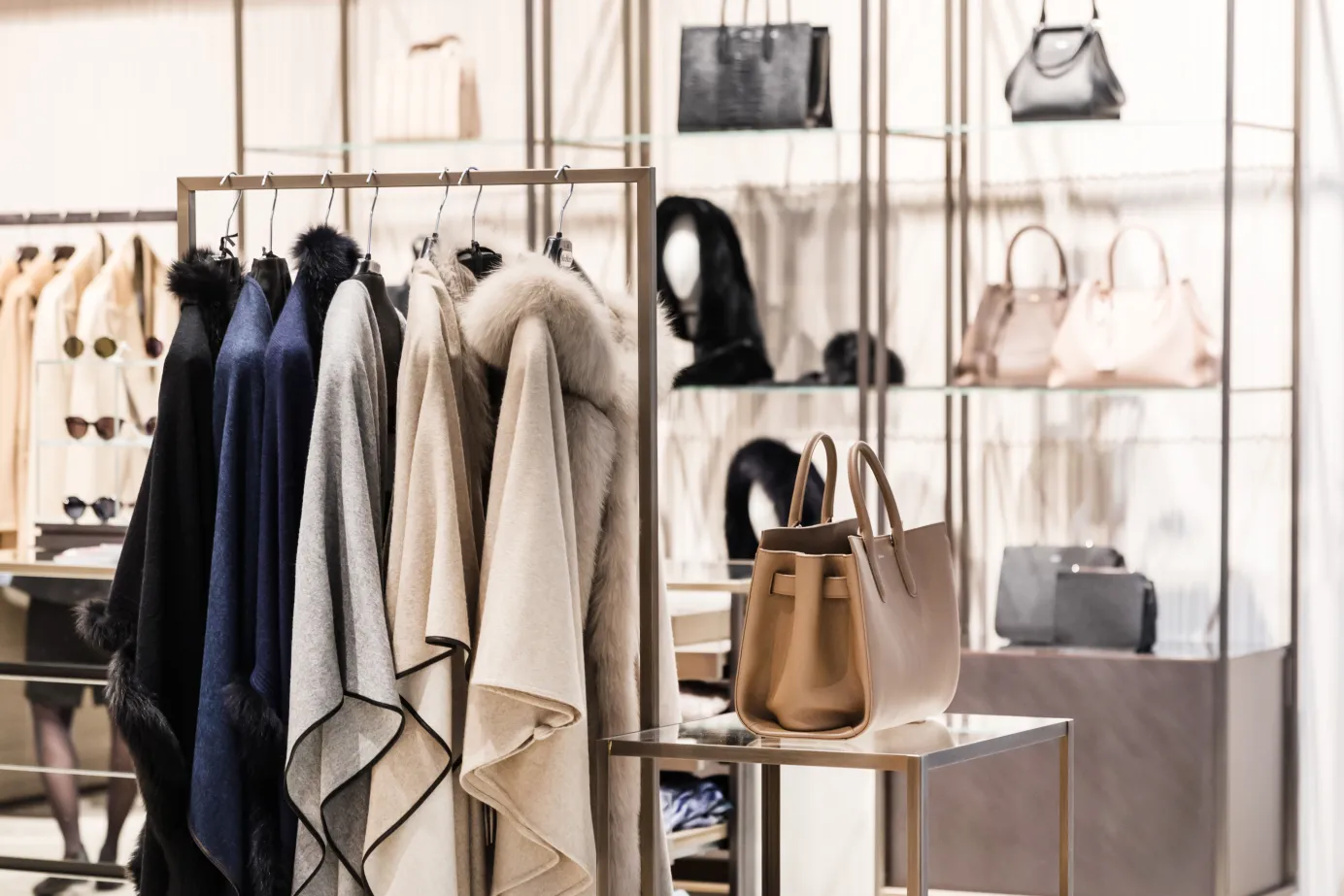
I think that in a few years, we’ll laugh at how we used to buy clothes. Without checking the materials, without thinking about who made them and under what conditions. A bit like how our mothers now laugh at the fact that they never used to sort their trash.
Maybe the most important thing is that we don’t have to be perfect. It’s enough to start with one small change. Do you already know which one it will be?
Monika
fashion & lifestyle editor
High Class Fashion