
Ninety percent of Hermès bags on the secondary market are counterfeits. Sounds like an exaggeration, right? But these are official figures from the latest industry report.
I remember watching a few months ago a report from a Christie’s auction, where a Birkin sold for a record $380,000. And at the same time, dozens of “original” Hermès bags were popping up on Allegro for just a few thousand zlotys. Something doesn’t add up here.
The problem is truly massive. In 2024, the global market for luxury counterfeits reached a value of $50 billion. That’s more than the GDP of some European countries. And Hermès is one of the most copied brands in the world.
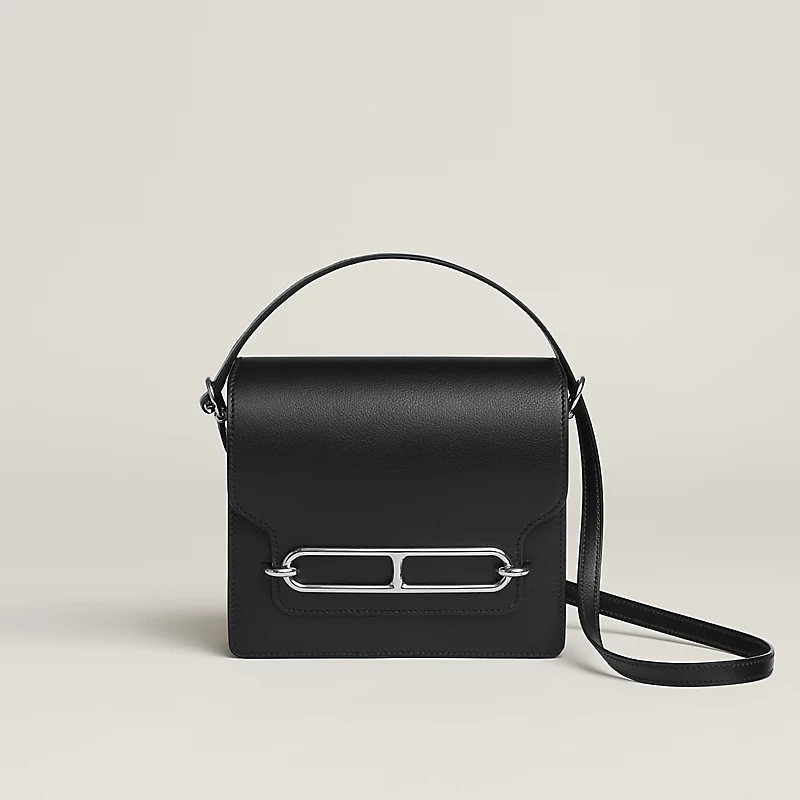
How to spot an authentic Hermès bag?
But why should we even care? Wouldn’t it be better to buy a nice replica for a fraction of the price and just enjoy life?
It’s not just a matter of prestige or snobbery. By buying a counterfeit, we support supply chains that often exploit child labor and harm the environment. These factories in Asia operate under conditions I’d rather not even imagine. No environmental standards, no concern for workers.
From a financial perspective, it’s even worse. An original
And socially? Wearing a fake is a bit like lying to yourself. Any woman who knows fashion will spot it instantly. I know, because I can spot a counterfeit from a mile away.
That’s why authenticity matters. It’s not about showing off or flaunting your status. It’s about being true to yourself, supporting craftsmanship, and investing in something that will last for decades.
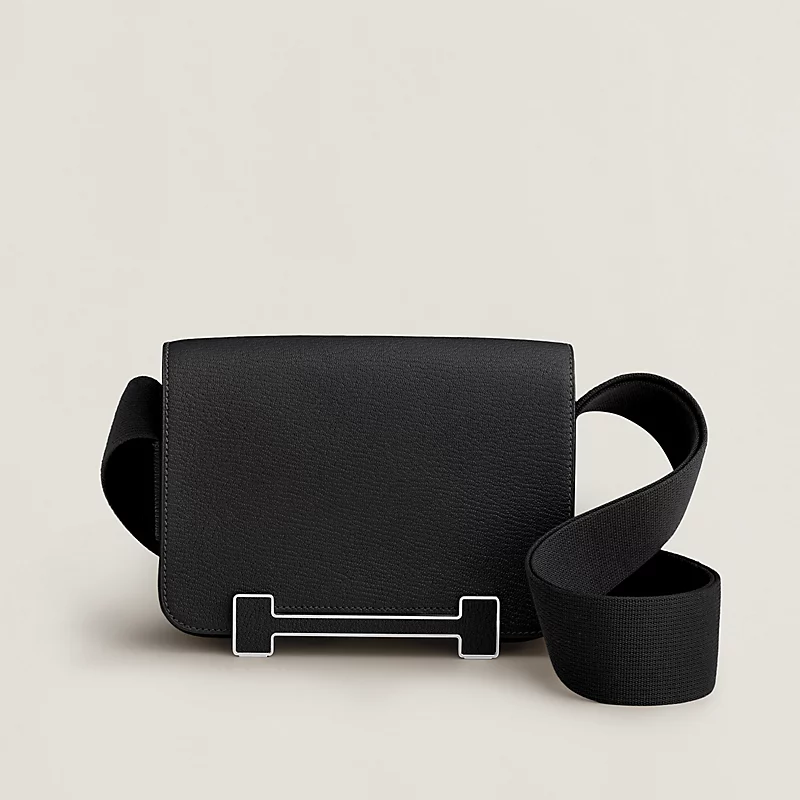
In the following sections, I’ll show you exactly what to look out for when buying. Because knowledge is power, especially in the world of luxury handbags.
Craftsmanship and materials – the first line of defense
I’m holding a Birkin bag in my hands and I can feel the difference right away. This isn’t just talk about prestige—it’s a literally different sensation to the touch. But how can you tell, when you have no idea what you’re holding?
I’ll start with the leather, because that’s where counterfeits usually fall short.
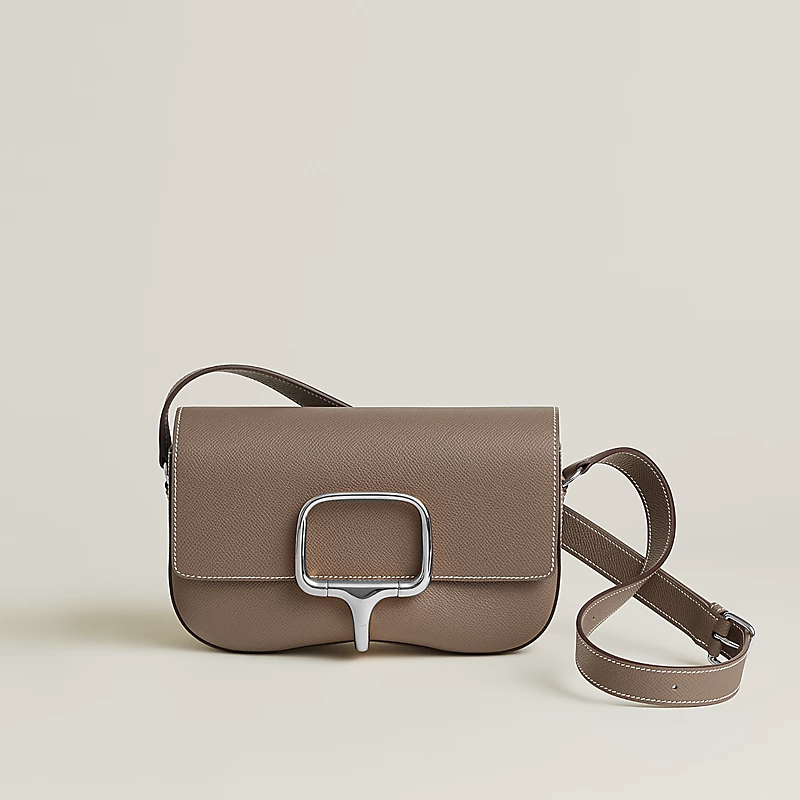
Counterfeits often have leather that’s either too smooth or, on the contrary, has an overly artificial texture. Once I saw a fake from Turkey—the leather looked perfectly smooth, but the moment I touched it, I immediately knew something was off. Too plastic, too stiff.
| Feature | Original | Counterfeit |
|---|---|---|
| Leather texture | Natural, even grain | Too smooth or overly textured |
| Shine | Subtle, natural | Too matte or a plastic-like shine |
| Weight | Sturdy, yet not overwhelming | Too light or unnaturally heavy |
| Fragrance | A subtle scent of natural leather | Chemical, pungent odor |
Now, the stitching—that’s truly fascinating. The saddle stitch, that famous hand-sewn slanted stitch. In the original, there are 8-10 stitches per inch, and each one is flawless. It’s not about them being identical—handcraft always has its subtle differences. But the line is straight, and the tension is perfectly even.
In counterfeits, I often notice crooked stitching and uneven spacing between the stitches. Sometimes they try to imitate it with a machine, but saddle stitch is always done by hand with two needles. Machine stitching looks different—if one thread breaks, the whole line unravels. With hand stitching, that’s not an issue.
Hardware is a separate topic. Original clasps, locks, and keys have their own weight. The metal sounds different when you tap it—deeper, more resonant. Counterfeits often use lightweight metal, sometimes just coated with paint.
The scent test works better than you might think. Genuine Hermès leather has a subtle, pleasant aroma. Not overpowering, but distinctly natural. Counterfeits often reek of chemicals, glue, sometimes to the point of being unbearable.
I remember the case of that “superfake” from Turkey. A friend bought it while on vacation, convinced it was an original at a bargain price. The leather looked decent, the stitching was quite good. But the smell was odd, and the metal felt too light. Only after a thorough inspection did it turn out to be a very convincing fake.
☐ Check the leather texture – does it look natural?
☐ Examine the stitching – is the line straight?
☐ Weigh it in your hands – does the weight feel right?
☐ Smell it – does it have a natural scent?
☐ Tap the hardware – does it sound solid?
But that’s just the beginning. Even the best counterfeits sometimes pass these sensory tests. That’s why we need hard evidence—marks, codes, all those details that are harder to fake.
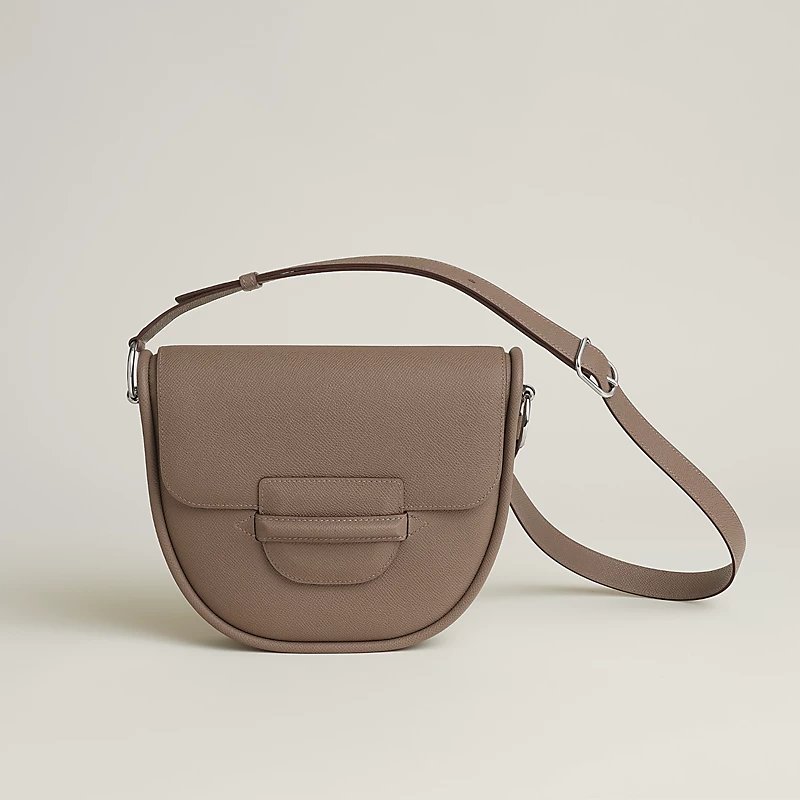
Signs, codes, and sales details – hard evidence
I’ve always wondered why some women fall for fakes so easily. Maybe it’s because they don’t know about those “hard” proofs that never lie.
1. Blind stamp – letter in a square
This is probably the most important detail that hardly anyone knows about. In every authentic Hermès bag, you’ll find a small, almost invisible stamp. It looks like a tiny square with a letter inside.
The letter indicates the year of production—for example, “Y” stands for 2020. Next to it, there’s another symbol that identifies the specific craftsman. Without this stamp? Don’t even think about buying it.
2. Engraving “HERMÈS PARIS MADE IN FRANCE”
Here, the devil is in the details. A true engraving has the perfect depth—neither too shallow nor too deep. The font must be symmetrical, with each letter spaced evenly.
I once saw a fake with the word “HERMES” without the accent over the “E”. That was a joke, not a bag.
“An engraving is like a fingerprint—any mistake gives away a fake”, a collector friend told me.
3. Dust bag, orange box and certificate
Packaging has its own story too. A genuine dust bag has a specific fabric texture. The logo is embroidered, not printed. The orange box has a matte finish and a distinctive cardboard scent.
The certificate of authenticity includes a serial number that must match the one on the bag. Without this document, the value drops by half.
4. Price Red Flag
Here I have to be brutally honest.
Attention! If someone offers you a Birkin for less than $10,000, they’re probably trying to scam you. In July 2025, a record was set – one bag was sold for 36 million PLN.
Even pre-owned models cost a fortune. A low price is the first red flag.
5. AI verification applications
We live in an era where technology can help us. Legit App is one such tool. You send a photo of your bag, and artificial intelligence analyzes every detail.
The app checks proportions, colors, and finishes. Within a few minutes, you receive a report with a percentage-based authenticity rating. It’s not a 100% guarantee, but it’s a good starting point.
Sometimes I run a little test—I take photos of handbags in stores and see what AI has to say. It’s fascinating how accurate these analyses can be.
All these pieces form the puzzle of authenticity. One element might fail, but when everything matches, you can rest easy. The next step is learning how to put this knowledge into practice.
Play Without Risk – Practical Steps for the Future
Knowing about authenticity is one thing, but taking action is another. Over the years, I’ve learned that theory without practice is only half the battle in the world of luxury handbags.
Do it today – your checklist
☐ Take 360° photos of your bag in good lighting
☐ Scan all purchase documents
☐ Check the availability of an expert in your area
☐ Create a “Hermès documentation” folder in the cloud
☐ Write down the serial numbers in a safe place
I remember when I used to think that a store receipt was enough. Big mistake! Now I archive everything like a maniac.
Professional services in Poland
In Warsaw, we have Authentication Services in Mokotów—they verify both online and in person. Entrupy works via an app, but only certain stores have their scanners. In Kraków, I recommend Luxury Check on Floriańska Street.
The cost? Around 200-400 PLN for an expert opinion. Sounds expensive, but compared to a 30,000 PLN bag, it’s nothing.
Mini-archiving procedure
I always take photos in the same spot—by the window, with a white background. Every detail from three angles. I name the files with the date and model: “2024-01-15_Birkin30_black”.
I scan documents at 300 DPI. I keep the originals in a binder, copies on Google Drive and on an external drive. Yes, it’s paranoid, but it works.
The future – NFT certificates by 2030
Hermès is already testing blockchain-based certificates of authenticity. By 2030, every new bag will likely have a digital NFT passport. This is a revolution for the secondary market.
LVMH is investing millions in this technology. Gucci and Prada have already started. Hermès will be the last, but when they do, they’ll do it flawlessly.
Looking at all this, I think that in a few years the current verification methods will seem like dinosaurs. But for now, we have to make do with what we have. And we actually have quite a few tools to sleep soundly with our Birkins and Kellys.
Angela Liu
fashion & business editor
High Class Fashion
A, here you’ll find out how to spot an authentic Chanel bag