
The Coty brand is one of those giants you hear about everywhere, but few people ever stop to consider its true market power. In fact, it’s usually only when rumors of a sale surface that people begin to realize just how vast this beauty empire really is.
Why the future of the Coty brand is attracting market interest
It has to be said, the beauty industry is going through a strange phase right now. On one hand, the boom for cosmetics continues, but on the other—major corporations seem to be searching for new strategies. Maybe it’s because of influencers, maybe it’s due to changes in how people shop. It’s hard to say for sure.
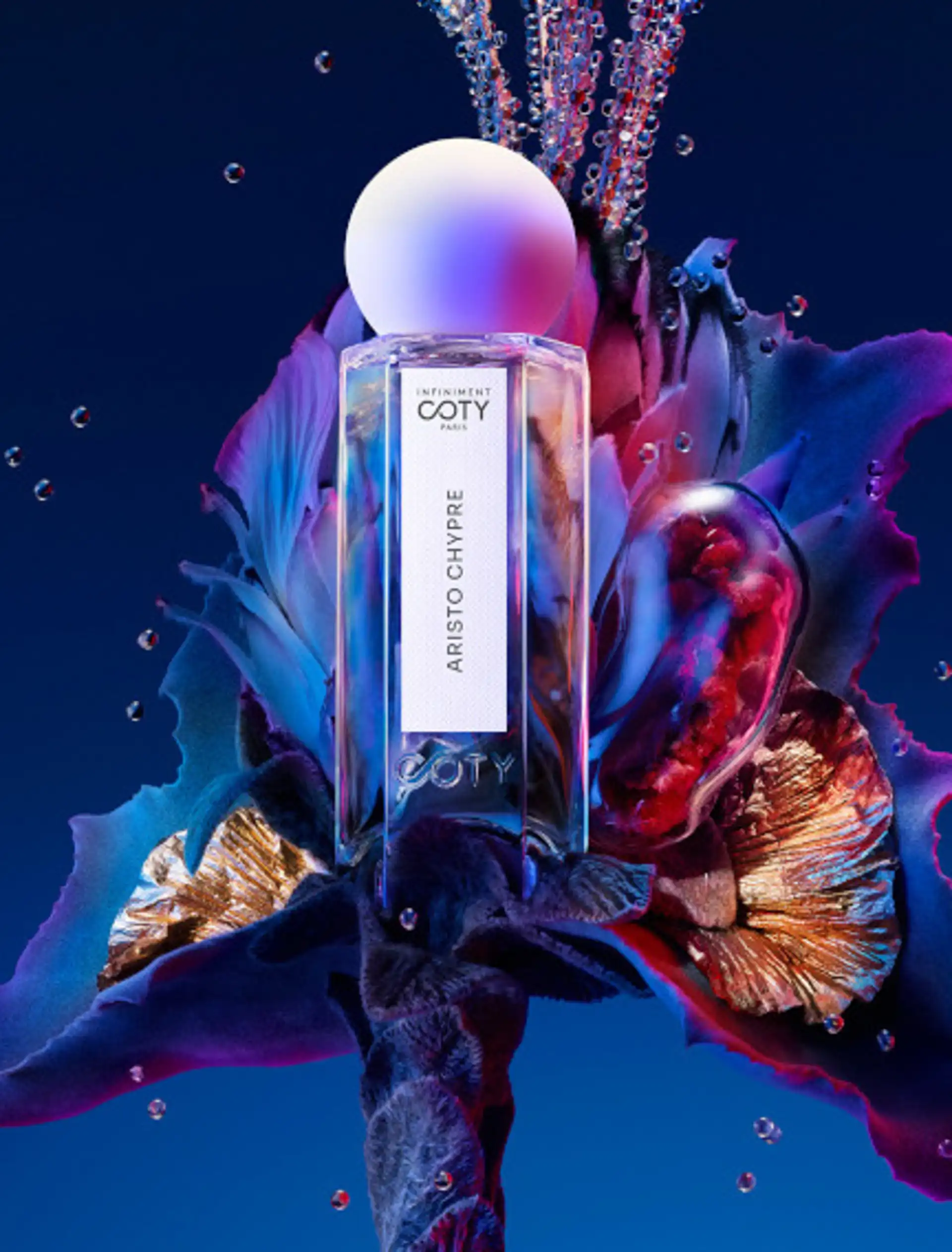
Coty controls brands found in almost every bathroom—from fragrances to color cosmetics. This is no random player in the market. We’re talking about a company with globally recognized names in its portfolio, generating billions of dollars in annual revenue.
Speculation about the potential sale of this brand is attracting attention for several reasons. Firstly, any transaction of this scale could shift the balance of power across the entire cosmetics industry. Secondly, a new owner might introduce a different approach to managing the brand portfolio.
It’s also worth mentioning that Coty has undergone various restructurings in recent years. Some analysts believe this is a natural course of events—sometimes it’s better to sell and let someone else continue to grow the business.
In this article, we take a closer look at Coty’s position in the market, possible scenarios related to a potential sale, and how such changes could affect both competitors and consumers. We will also examine whether the current speculation is well-founded or simply another round of market rumors.
Find out also whether Max Mara is a luxury brand
Current ownership status of the Coty brand
Has anyone heard lately about what’s happening with Coty? This question comes up quite often in industry discussions.

The Coty brand is not officially up for sale at the moment. The company remains a publicly traded entity listed on the New York Stock Exchange under the symbol COTY. The majority owner is JAB Holding Company—an Austrian investment group that controls approximately 60% of the shares.
The ownership structure is fairly straightforward. JAB took control of Coty in 2019, paying around $600 million at the time to increase its stake. The remaining shares are held by institutional and individual investors.
There have been no official announcements recently about Coty being up for sale. Interestingly, JAB Holding is known for investing in consumer brands —they are also behind names like Keurig Dr Pepper and Panera Bread.
Coty’s financial situation has improved significantly after a challenging period a few years ago. The company sold part of its professional brands, Wella, in 2020, which helped it focus on consumer products.
Some analysts speculate that JAB may be considering various strategic options. But these are just speculations—nothing specific has been confirmed. The cosmetics market is currently undergoing significant changes, so it’s hard to predict what will happen.
For now, Coty is operating normally under its current ownership structure. There are no signs of a planned sale.
Possible consequences of selling the Coty brand for the cosmetics industry
A potential sale of Coty is a topic that has recently surfaced in industry discussions. Although the company has not officially confirmed this, it’s worth considering what might happen if it did.
First and foremost, a change of ownership would likely mean a complete restructuring of the entire organization. The new investor might set different priorities—perhaps focusing more on the premium segment or, on the contrary, moving towards mass-market products.
For business partners, this could mean significant disruption. Distribution agreements, terms of cooperation, and even prices—all of this could change. Some suppliers might lose contracts, while others could gain new opportunities.
Consumers would likely notice these changes only after some time. The new owner could alter the formulas of favorite products, discontinue certain lines of cosmetics, or introduce an entirely new pricing strategy.
Interestingly, in the cosmetics industry, such acquisitions often lead to brand consolidation. Some products may simply disappear from the shelves, while others will get new packaging and names.
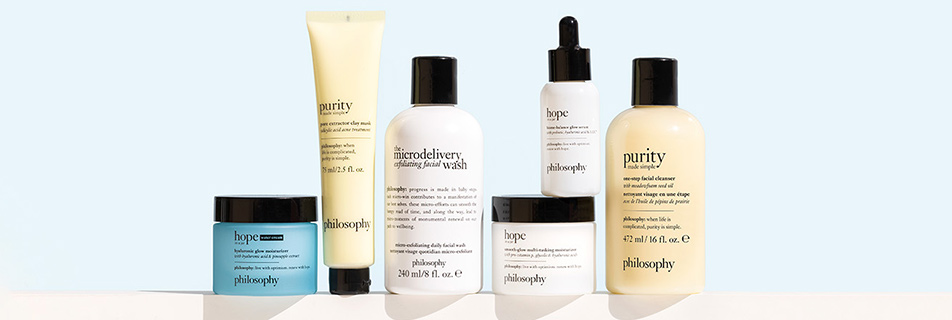
On the other hand, new capital could mean greater investment in research and development. That would be a positive thing for the entire market. The cosmetics industry needs fresh ideas and innovation.
Ultimately, it all depends on who the buyer would be and what their plans are. Some companies acquire competitors simply to eliminate them from the market.
What’s next for the Coty brand? Outlook and recommendations for market watchers
Coty is a brand that has recently attracted considerable attention among cosmetics market observers. The company is going through a challenging period of restructuring, and in fact, no one knows how it will turn out.
The current ownership status is quite complex. Coty is owned by several major shareholders, but control is mainly exercised by JAB Holding Company. This is an Austrian investment group with its fingers in many industries—from coffee to cosmetics. Sometimes I wonder whether such diversity is an advantage or a problem.
A potential sale of the brand could change the entire market situation. Coty has some really strong names in its portfolio—CoverGirl, Rimmel, Sally Hansen. If someone took over these brands, they could do a lot with them. Or ruin them, which also happens.
There are several possible scenarios for future developments. The first is that Coty will recover on its own and return to form. The second is that it will be sold off in parts to various buyers. The third, and least likely, is that a single major player will purchase the entire company.

It’s worth keeping an eye on this brand’s future, as it could be an interesting case study of how major companies handle a crisis.
The cosmetics market is evolving rapidly. New trends, influencers, and brands that seem to appear out of nowhere—all of this impacts giants like Coty. Maybe that’s exactly why they’re having problems. They couldn’t keep up with the changes.
Watching this situation unfold can offer valuable insights into how the beauty industry operates. Who knows, maybe Coty will find a way to reclaim its top spot. Or perhaps it will become a cautionary tale for other companies.
A, in this article you’ll discover the price of the most expensive face cream