
Imagine a clothing brand that not only draws inspiration from sports but truly lives it. La Martina is an Argentinian luxury brand from Buenos Aires that has focused on polo from the very beginning—not as a decorative element in the logo, but as the core of its identity. Their slogan is simply “We are Polo,” and you can really see it.
La Martina – what kind of clothing brand is it and why is it worth your attention?
The brand is entering a new chapter. Since 2025, a new creative director has taken the helm, and plans for retail expansion are underway. This is a good moment to take a closer look at who La Martina really is and why the world of luxury fashion is paying attention to it. This isn’t about a fleeting hype, but rather about consistently building a strong position.
For whom is all this
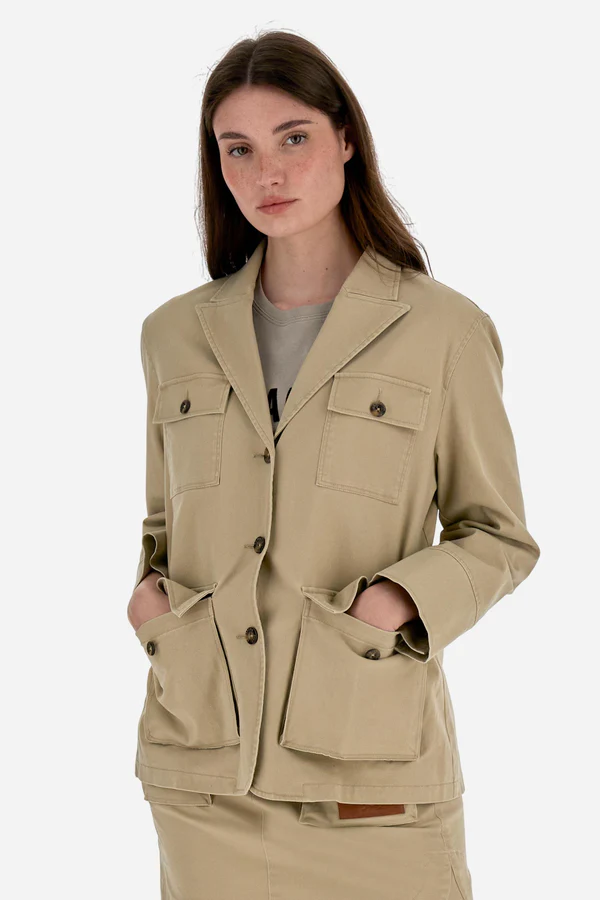
The brand primarily appeals to polo players (both professional and amateur), but also to people who appreciate cosmopolitan casual chic with a touch of sporty elegance. If you like things that have a real history and cultural context, rather than just a flashy label, La Martina might pique your interest.
Next, we’ll take a closer look at the brand’s specific history, its DNA, product range, and global reach. We’ll also raise the question of authenticity in an era when everyone wants to be a “lifestyle brand.” But more on that in a moment.
History and evolution
1985, Buenos Aires. Lando Simonetti and Gachi Ferrari founded La Martina, inspired by the surname of Marta de Estrada Lainez, mother of polo legend Adolfo Cambiaso. From the very beginning, it was about more than just clothing. Saddles, shoes, helmets, protectors—the company focused on technical equipment that truly mattered for the safety of players. It was a niche, but among polo players, they quickly became recognized.
The late 1980s brought their first team in the Campeonato Argentino Abierto de Polo, followed by sponsorship from Alfa Romeo (with the approval of AAP, which at the time was not a given). In the 1990s, the International Polo Federation recognized them as the official supplier of shirts for the World Championships. That was also when the Polo Management Group was established, taking charge of managing the entire ecosystem around the sport.
From gear to style
The year 2000 marked the online debut and collaboration with Maserati during the Centenary Polo Tour. A store at Guards Polo Club, retail expansion, and finally the first London boutique in 2015. Somewhere between 2006 and 2012, sales peaked at 200 million USD, demonstrating the scale of interest.
But the product evolved as well. The “Replica” collection was added to the equipment, along with the iconic polo shirt (whose origins date back to 1869, British cavalry). Suddenly, La Martina was no longer just for riders. It became a symbol of a lifestyle that moved from the fields to the streets. And it is this very transformation that defines the brand today.
Partnerships that build credibility
La Martina does not use the phrase ” We are Polo ” as a catchy marketing slogan. It’s more of a statement of identity. As the brand itself says: “We don’t sponsor polo – we are polo.” And honestly, when you look at their partnerships, it’s hard to disagree.
They collaborate with the AAP (Argentine Polo Association) and the FIP (International Polo Federation), for which they are the official supplier of shirts for the world championships. This is no coincidence. You’ll see their clothing at:
- Guards Polo Club in Windsor (where the royal family plays)
- at universities such as Harvard, Yale, Oxford, and Cambridge
- at over 90 polo events annually around the world
- players on the field and spectators in the stands (interestingly, worn both as match attire and casual wear)
Argentinian roots and a global community
About 65% of the materials come from Argentina. For the brand, it’s a matter of authenticity, but also a real impact on the local economy. They don’t move production to cheaper locations—they stay in the country where polo is in their blood.
In terms of positioning, they are often compared to Ralph Lauren, only more niche and, let’s be honest, more expensive. Less mainstream. They focus on the quality of materials and genuine involvement in the sport, not just the logo. It’s luxury for those who truly know polo—or want to feel as if they do.
Importantly, the community around the brand is not just made up of players. It’s an entire lifestyle built around the values of the sport: elegance, tradition, and a certain degree of exclusivity.
Products and technology
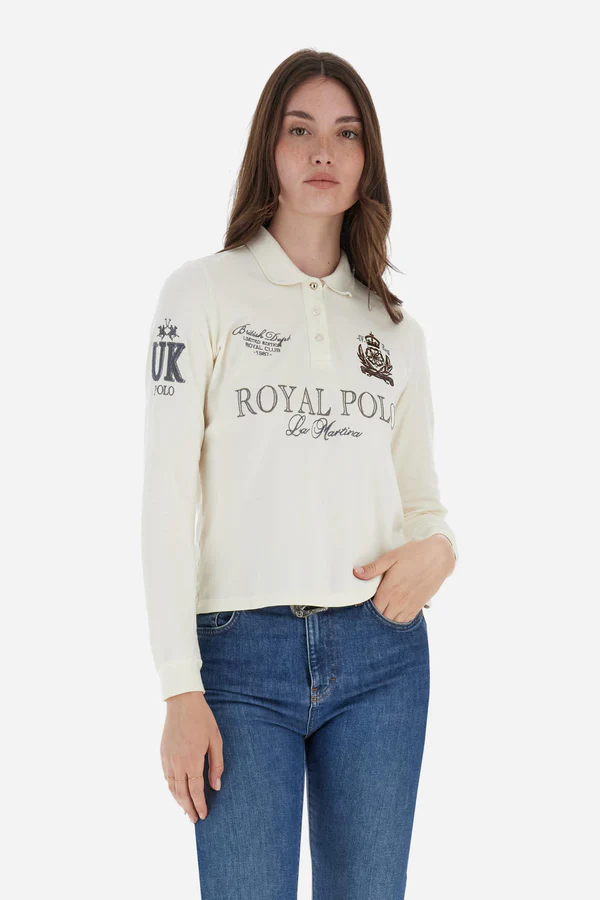
Alright, let’s start with the main reason most of us check out La Martina: those polo shirts. And here, the difference is immediately clear. Slub jersey cotton, embroidered logo (not a print!), signature collar with logo, single button. No elastic cuffs that look pathetic after three washes. These shirts are just as comfortable on the field as they are for everyday wear with jeans.
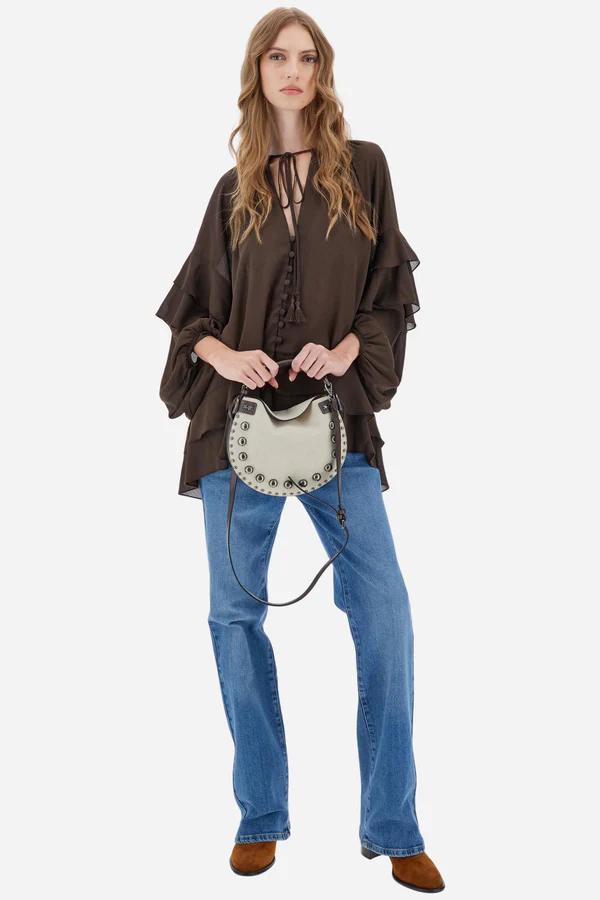
Beyond polos, you’ll find a complete wardrobe here: T-shirts, sweaters, trousers, jackets, sneakers and ankle boots, as well as a whole range of accessories. Bags, caps, belts, sunglasses. Everything follows the same aesthetic, somewhere between sporty and casual elegance.
| Category | Examples | Key features |
|---|---|---|
| Polo shirts | Classic fit, slim fit | Cotton slab jersey, embroidered logo |
| Clothing | T-shirts, sweaters, jackets | Breathable fabrics, comfort |
| Footwear | Sneakers, ankle boots | Casual line, Argentine inspirations |
| Accessories | Bags, caps, belts, glasses | Leather, polo details |
Equipment for police officers
This is where things get truly technical. La Martina manufactures professional equipment for polo players and certainly doesn’t cut corners on innovation. The Armis helmet features a lightweight design with the MIPS system (which reduces rotational forces during a fall), and there’s also the Windsor Cotton model for those who prefer a classic style. Add to that protectors and sturdy gear bags.
The Kit Bag costs around £136, while the larger Mallet Bag will set you back about £169. These aren’t bargain prices, but the quality is immediately apparent. Importantly: you purchase the equipment on a separate website, tech.lamartina.com, while clothing and accessories are available at lamartina.com. It’s a bit odd that the company separates these, but at least you won’t get confused.
Global presence and business
La Martina operates in 56 countries, which is quite a reach for a premium brand associated with a niche sport. It’s not just about their own boutiques, of which there are around 80-85, but also about their presence in department stores like Harrods and Selfridges. They run e-commerce on two domains: lamartina.com (main) and tech.lamartina.com (more technical lines). A pretty reasonable model, if you ask me.
People, numbers, and expansion
The team numbers between 51 and 200 people, depending on the season and production outsourcing. Revenue? Estimated somewhere between 22 and 35 million dollars annually (data for 2024/2025, no official figures for 2025 yet). This range comes from various industry sources, so treat it with caution.
The Simonetti family still runs the company. Lando Simonetti remains at the helm as CEO, but in January 2025, Antonella Di Pietro joined as creative director. She has experience with Tod’s and Moncler, which sounds promising. The plan for the near future is to open around 20 new stores, mainly in Asia and the Middle East.
Geographically, the brand is present wherever there is money and interest in polo: Buenos Aires (the flagship boutique La Casona), London, Dubai, Milan, Mumbai, Penang. North and South America, Europe, Asia. The growth strategy seems clear: more points of sale, stronger creative direction, but without breaking away from its Argentine DNA.
Between niche appeal and mass recognition
La Martina is often compared to Ralph Lauren, but in a more sporty and less commercial version. In Europe, the brand holds a prestigious status, but in Argentina itself, it is sometimes seen as too exclusive, and at times even underrated by local polo players. Paradox? Probably yes.
An interesting fact about independence: rumors circulate in the industry that the owners refused to sell the brand to groups like LVMH. There’s no official confirmation, but the very fact that La Martina still operates as a family brand says something. Authenticity comes at a price, but apparently, it’s priceless.
Tradition, innovation, expansion
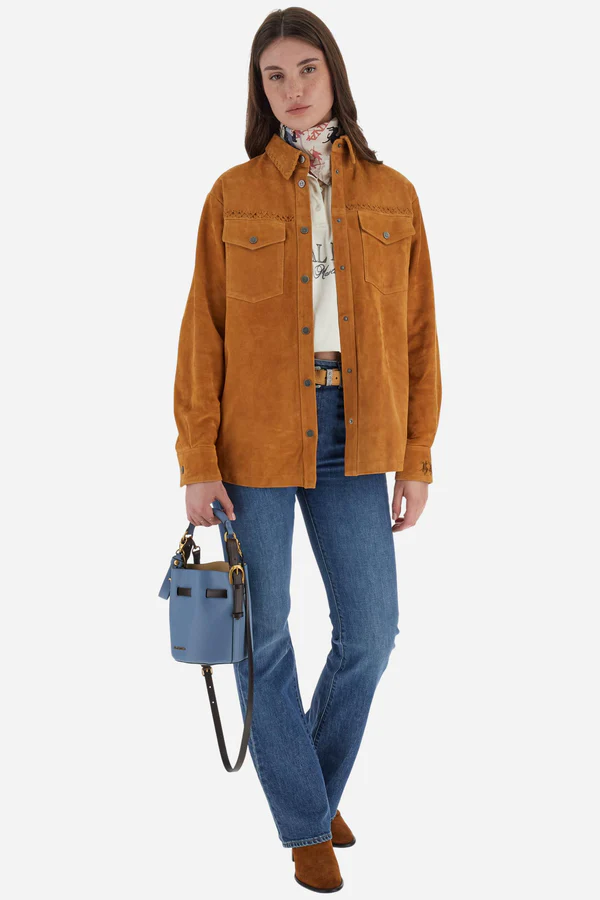
La Martina today balances between preserving its sporting spirit and adapting to the changing world of premium fashion. On one hand, the brand still sponsors the best polo teams and treats the sport as its core, while on the other, it experiments with urban collections and collaborations designed to attract people not connected to the equestrian world. It’s risky, but honestly, without this approach, it’s hard to compete with brands that don’t carry such a sporting legacy.
The question is whether La Martina can grow without diluting what makes it unique. Because its polo heritage is both its greatest asset and, in some ways, a limitation.
It will be interesting to see how this unfolds in the coming years. I hope they don’t become just another premium brand that forgot who they were.
Michael 99
fashion & lifestyle editorial team
High Class Fashion