
Before the wrinkled wool blazer made its way to the Paris runway, for hundreds of years layers of clothing determined survival through the winter months. Today, I observe how this pragmatic tradition is transforming into the language of haute couture—the kontusz worn over the żupan by Polish nobility and the aristocrats’ multi-layered ruffles are finding new life in fashion house collections.
Layered creations – from kontusz to catwalk
Prehistoric communities intuitively combined animal skins, using trapped air as thermal insulation. In the 17th–19th centuries, European aristocracy transformed this necessity into a social code—the Polish nobility wore a kontusz over a delicate żupan, demonstrating status and readiness for action. The harsh winters of the Commonwealth demanded functional solutions, yet at the same time, layers became a statement of identity.
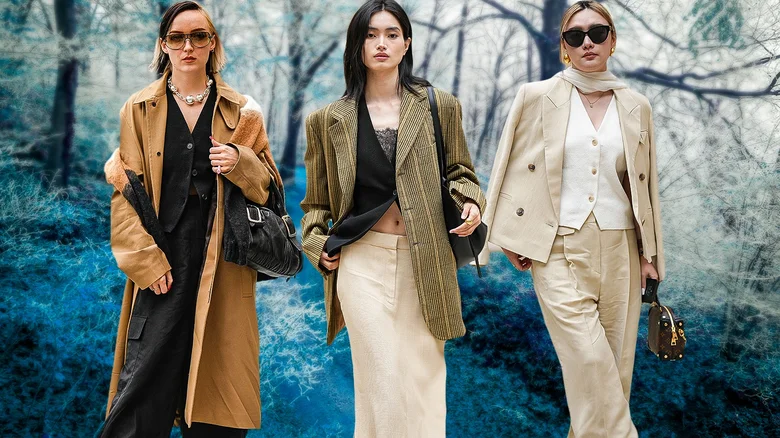
From “New Look” to grunge: how layers made their way onto the runway
Key moments of the 20th century gave layers new meanings:
- 1947: Christian Dior unveils the “New Look” with multi-layered petticoats, defining post-war luxury
- The 1970s.: Sonia Rykiel introduces knitwear layers as a synonym of Parisian freedom
- The 80s: Power dressing with a blazer-shirt-top and padded shoulders symbolizes female determination
- The 90s.: Marc Jacobs, with his grunge collection for Perry Ellis, deconstructs elegance, while Rei Kawakubo at Comme des Garçons breaks proportions
- After 1989: Polish fashion finds its own voice, blending folkloric echoes with an international language
Layers have evolved from a necessity, through post-war practicality, to a luxurious, conscious choice — today, every added fabric can serve as both an aesthetic and ecological statement.
Anatomy of the perfect outfit: base, middle, top, and accessories
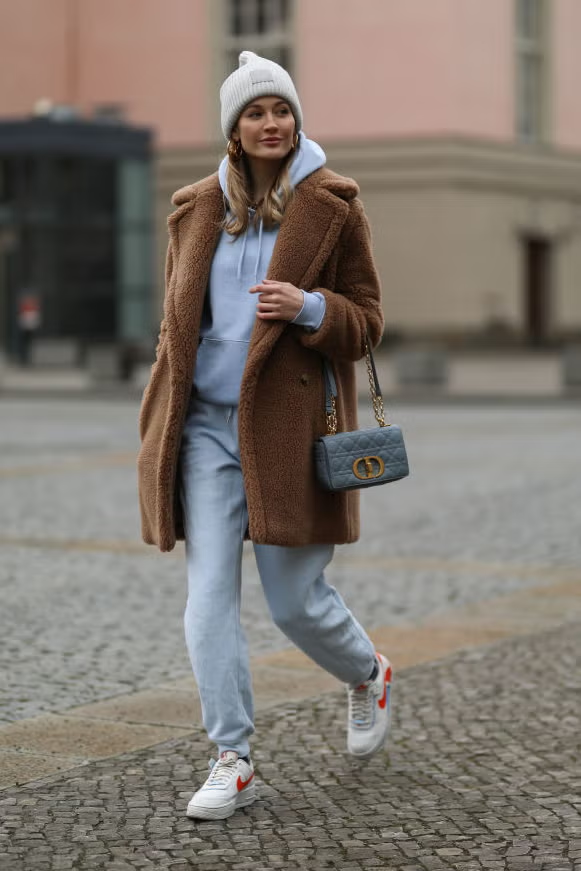
Layered styling is a carefully considered construction, not a random excess of clothing. Each layer serves a specific function—from moisture wicking to wind protection—and only their harmonious composition creates an effect worthy of couture.
Base layer: thin shield against the cold
The first layer lies directly against the skin, so it must be thin (approx. 1-2 mm), breathable, and effectively wick away moisture. The best options are:
- Thermal microfiber knits
- Natural silk
- Merino wool with a fiber thickness of approximately 18.5 microns
- Fabrics with Outlast technology (phase-change microcapsules regulating temperature)
Comfort on the skin is a priority – no seams should press or irritate.
Middle layers: structure and silhouette
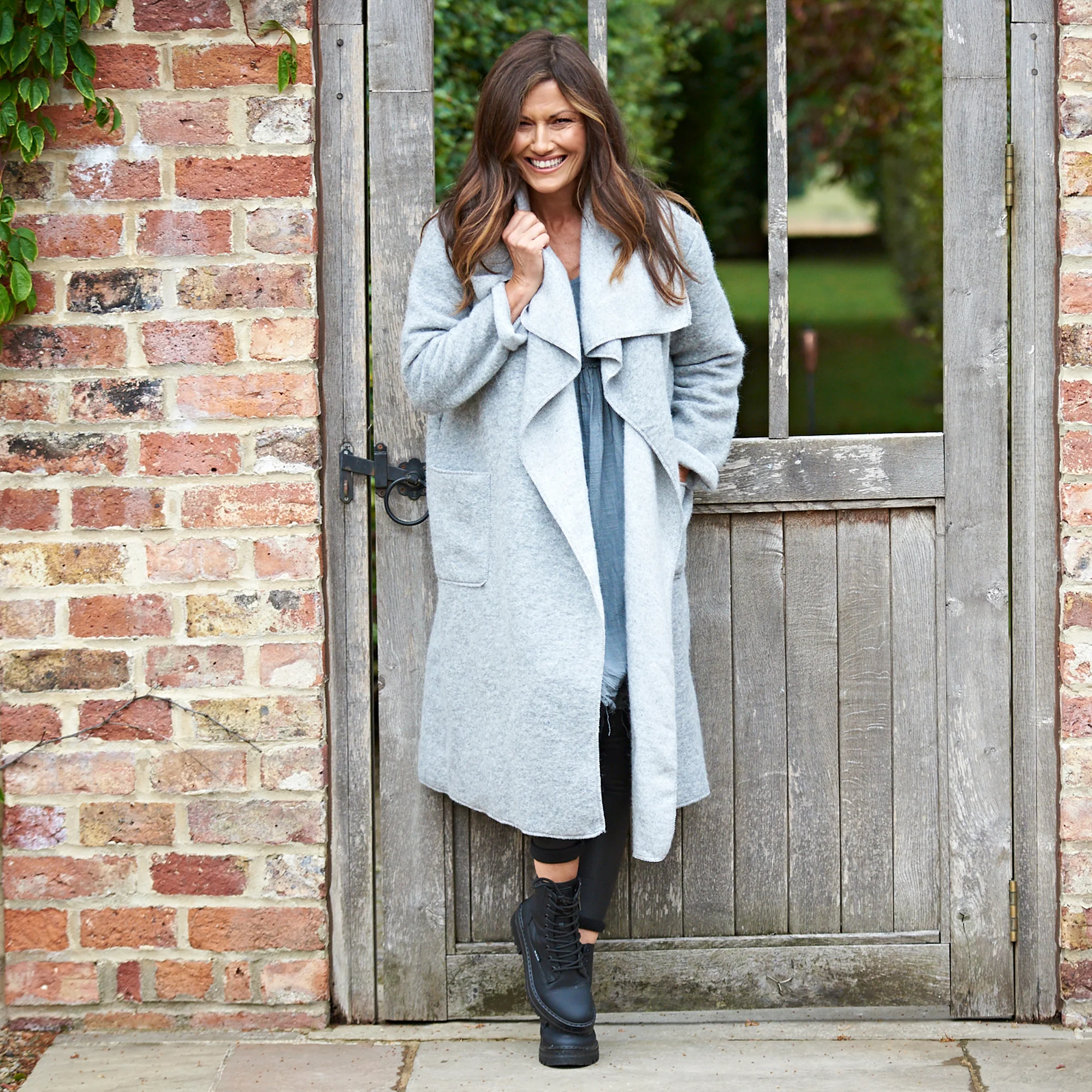
Here we shape the form and provide thermal insulation (5-10 mm thick). Sweaters, shirts, vests, corsets – each piece contributes to the silhouette and heat retention. The predominant materials are:
- Cashmere with a fiber diameter of 14-16 microns
- Merino wool in structural weaves
- Jacquard and waffle knits
- Alpaca blends with silk
The middle layer allows for creative layering of textures — a smooth turtleneck under an openwork sweater, a silk shirt under a wool vest.
Coat and accessories: the last line of defense and the wow effect
The outer layer (loft 20 mm and above) protects against wind, rain, and frost. Coats with taped seams, down jackets, capes with fur trims—all of these should combine function with aesthetics. Modern technical materials ( Gore-Tex, windproof membranes) harmonize with couture finishes.
Accessories—scarves, hats, gloves, shoes—are “functional jewelry.” I pair them thoughtfully: the texture of cashmere contrasts with smooth leather gloves, while heated insoles in shoes complement the technical fabrics of the coat.
| Layer | Function | Sample fabrics | Thickness |
|---|---|---|---|
| Basic | Moisture wicking | Silk, merino, microfiber | 1-2 mm |
| Central | Isolation, silhouette | Cashmere, structural knits | 5-10 mm |
| External | Protection against the elements | Gore-Tex | 20+ mm |
Only a complete ensemble—from the base to the accessories—creates a layered look worthy of couture.
The Polish dimension of layered creations: climate, folklore, function
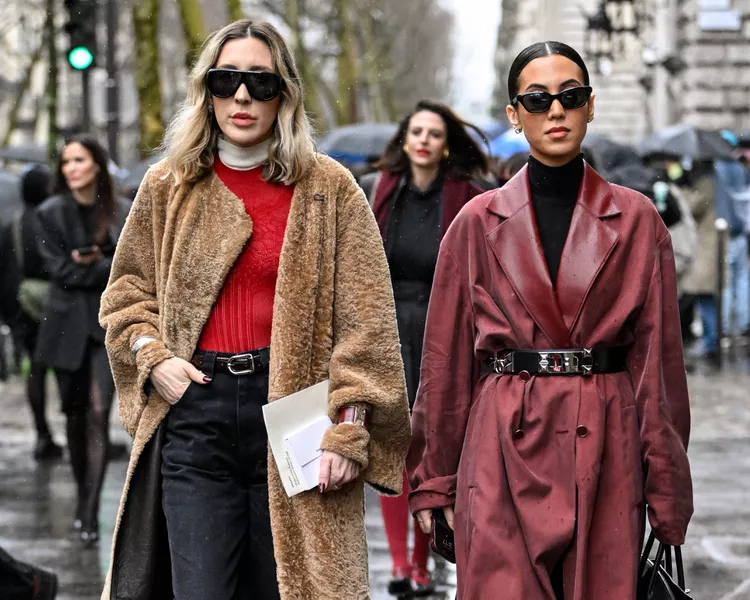
Winter in Poland is not just a picturesque season and a beautiful layer of snow—it’s a real challenge that has been faced for centuries by both our ancestors and modern designers. Polish clothing traditions, the harsh climate, and the country’s growing status as a textile exporter give layered outfits a meaning that goes beyond pure fashion: they represent history, function, and identity all at once.
From the żupan to the lapcie: a folk school of layering
Already in the 17th century, the nobility used the kontusz-żupan-shirt system, creating a natural “luftwaffe” between the layers of fabric. Traditional regional costumes also addressed the need for warmth:
- Podkarpacie – several linen and wool skirts under the jacket, a fitted corset as a wind barrier.
- Polesie – footwraps wound around the calves, bast shoes or lapti filled with straw – a natural thermal insulator.
- Tatry – sheepskin coats with the fleece on the outside, a cucha that keeps warmth close to the body.
Each element had a purpose: not only protection, but also communicating status and regional affiliation.
Harsh winter, harsh numbers: Polish dressing habits
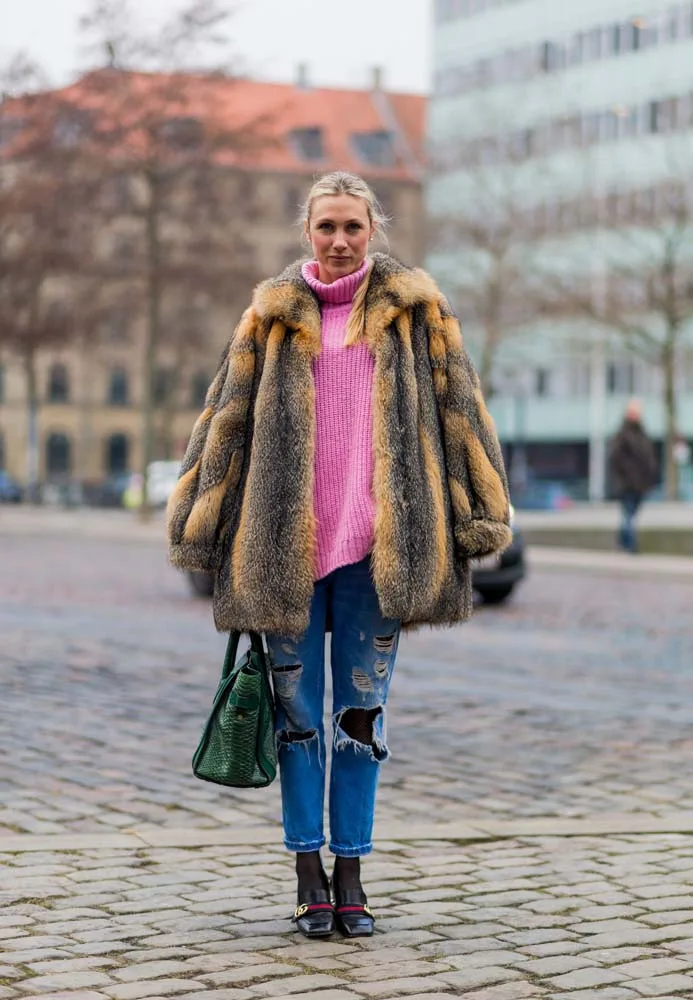
Polish winter can drop to -20 °C, and according to market research, 75% of adult residents admit that winter temperatures directly affect the way they dress—from thermal base layers to pullovers to outdoor jackets. It’s not just a matter of style, but of surviving in comfort.
Army and export: the functional side of Polish layers
Contemporary Polish technical brands – for example, Kolltex – produce layered systems for the military, tested in field conditions from -30°C to summer training grounds. Some “Winter” jackets were sent as support to Ukraine, combining a humanitarian mission with clothing know-how. At the same time, Poland’s significance as a textile exporter is growing (over 6 billion euros annually) – young designers draw from folklore, presenting folk motifs in modern, layered compositions at international competitions. This proves that the Polish context of layering is not just a thing of the past, but a vibrant, functional present.
Layers and Sustainable Fashion: How to Dress Responsibly
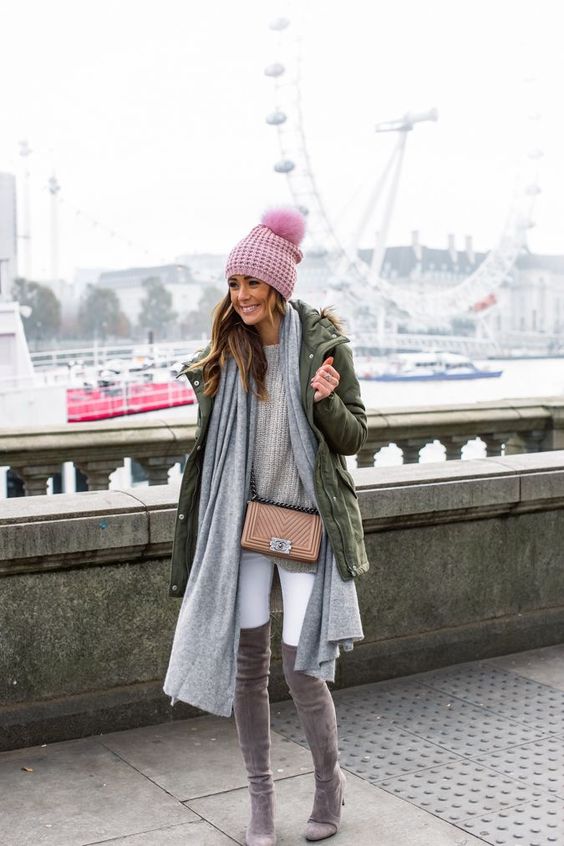
The fashion industry is responsible for around 10% of global CO₂ emissions, and the value of clothes thrown away each year reaches hundreds of billions of dollars — figures that are hard to ignore. Meanwhile, layered outfits may be the answer to this crisis if we approach them strategically and consciously.
The data is clear: less waste, longer garment lifespan
Research shows that modular, layered wardrobes can reduce textile waste by 20-30%, extend the lifespan of clothing by up to 50%, and lower water consumption in the clothing life cycle by around 15%. The Ellen MacArthur Foundation promotes the concept of a circular economy in textiles, while the Geneva Environment Network publishes reports confirming these trends. The latest analyses—including studies available in the MDPI database and the book “To Life” by T. Weintraub—emphasize that each layer worn longer means fewer raw materials and less energy used for producing new items.
Practical habits: a sustainable layered wardrobe
How to incorporate these principles into everyday life?
- Shop recycled layers – look for GRS-certified polyester or regenerated wool.
- Choose modular cuts – base coats, jackets, and cardigans that adapt to many outfits offer greater versatility.
- Invest in timeless basics – neutral, well-tailored layers will last a decade, not just a season.
- Repair and alter – extend the life of your clothes instead of throwing them away at the first sign of damage.
Couture and responsibility are not mutually exclusive — on the contrary, they come together in a wardrobe that cares for the planet just as much as for aesthetics.
Business and market: why layers are so profitable today
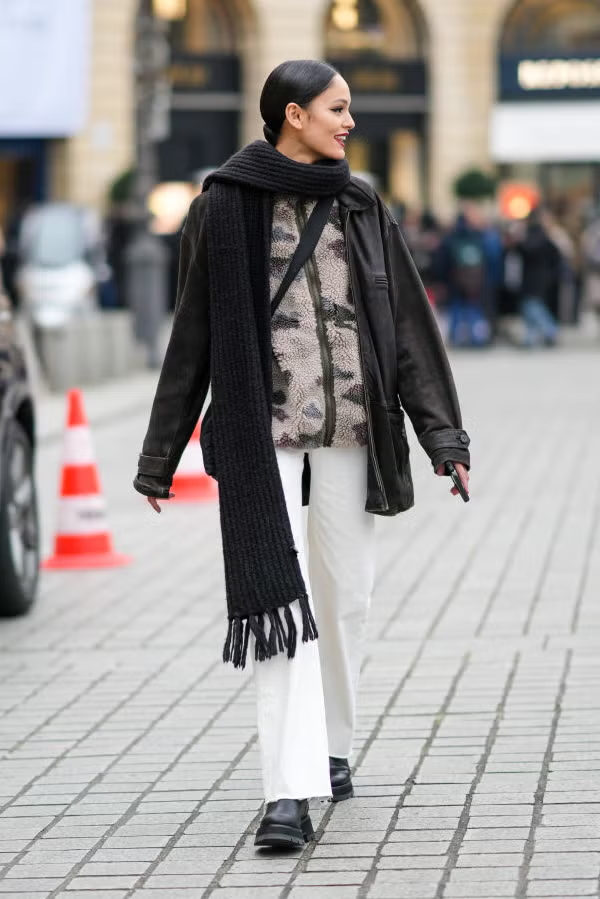
Behind every photo of perfectly arranged layers on Instagram lies billions of dollars—and that’s no exaggeration. Layered fashion is no longer just a seasonal stylist trick; it has become a strategic market segment invested in by both luxury fashion houses and fast fashion giants.
A billion-dollar market: the numbers behind the layers
The global layering apparel market reached a value of USD 45 billion in 2025 and—according to Euromonitor forecasts—is expected to grow to USD 67 billion by 2030, representing a CAGR of 5.5%. The most dynamic growth is observed in Northern Europe and the United States, where winter layers (down gilets, functional jackets, technical fleece) are a staple in wardrobes. In Poland, already 62% of female consumers declare that they layer clothing for both aesthetic and practical reasons—this is not a passing trend, but an established shopping habit.
Brands that profit from winter: from Moncler to Kolltex
The luxury segment is represented by Moncler, whose sales of down collections increased by 18% in the 2024/2025 season. At the other end of the spectrum operates Polish Kolltex – the “Winter” line with technical shell jackets is enjoying record e-commerce sales. In the middle, Zara is rapidly translating runway trends (oversized shirts + down vests) onto the shelves of chain stores, recording a 25% year-on-year increase in the “outerwear layering” category.
Digitization is adding further growth: AI apps for layering styling (e.g., LayerLab) already have over 2 million downloads in the EU, and VR fitting rooms for layered outfits – piloted by Zalando – will cover 30% of online transactions by 2027. This is not a fleeting trend, but a revenue strategy for brands – and there are no signs of a slowdown.
How I Build My Winter Look: A Practical Guide to Layering
Theoretical considerations about layered fashion are fascinating, but the real test begins in the morning when I stand in front of my closet and have to dress for a Polish January. From experience, I know that tried-and-true “recipes” work best—ready-made sets that I modify for a specific day.
Two ready-made recipes for a layered winter outfit
Look 1: A day at the office + an evening out (temperature approx. -5°C)
- Base: silk blouse or thin merino turtleneck (wicks moisture, drapes elegantly)
- Center: tailored wool blazer
- Upper: long coat made of cashmere or wool with added cashmere
- Accessories: leather gloves, medium-length scarf, low-heeled ankle boots
Look 2: Frosty walk or commuting (-15°C and below)
- Base: thermal underwear + thin long sleeve
- Center: thick oversized sweater made of merino wool
- Outerwear: down coat knee-length or longer
- Accessories: beanie with a pompom, long scarf wrapped twice, insulated boots
Proportions, textures, colors: rules that really work
Key rule: narrow base, looser upper layers. Tight thermal underwear + a fitted turtleneck are the foundation on which I “layer” increasingly looser pieces — this way, I avoid a cluttered look.
When it comes to textures, contrast works best: a smooth silk blouse + a “chunky” sweater with a thick weave + a coat with a distinctive structure. Color-wise, I stick to a neutral base (black, gray, beige, navy), allowing myself one bold accent — a carmine coat, an emerald scarf, or burgundy gloves.
Patterns? I avoid pairing checks with checks in adjacent layers — it looks chaotic. If I wear checked pants, the top stays plain or in a subtle mélange. Polish stylists on social media often repeat: “at most one bold pattern in the entire outfit.”
Accessories that turn layers into couture
Well-chosen accessories elevate even a simple outfit to couture level:
- Scarf: long, made of natural material, loosely wrapped – adds drama
- Shoes: high-quality leather, muted colors; I avoid sporty elements
- Gloves: leather or wool, color-coordinated with the coat
- Headwear: a woolen hat or beret instead of a sporty one; elegance in every detail
A long, spectacular coat is a real game changer for me – it transforms a set of layers into a statement.
Layers under scrutiny: controversies, divisions, and criticism
No trend exists in a vacuum—especially when it touches such sensitive areas as history, identity, or economics. Layered creations, despite their growing popularity, have become a battleground for fierce debates dividing the world of fashion, activists, and consumers. The four main axes of controversy are:
- authenticity and history vs. Instagram reconstruction
- class divide: luxury or “poverty-couture”?
- ecological façade: do layers really reduce waste?
- gender norms: do layers still carry traditional constraints?
Authentic heritage or an Instagram reconstruction?
Traditional folk and noble costumes were created out of specific needs—warmth, ritual symbolism, protection against the elements. When contemporary brands borrow only the visual “aesthetic” of these layers, stripping them of their socio-historical context, native critics call this a superficial aestheticization. The problem is not inspiration, but lack of respect: when designers fail to acknowledge their sources or present folk embellishments as an “exotic accent,” their deeper meaning is lost.
Luxury or poverty-couture: who has the right to layers?
On one hand, the fashion house showcases cashmere on cashmere, suggesting sophistication accessible only to a select few. On the other, young designers and activists see layering as “poor man’s couture”: a creative use of old sweaters, pinned scarves, and extending the life of a wardrobe without buying new items. This division raises questions about cultural propriety: is layering a privilege of the elite, or a democratic approach to style?
Are layers really eco-friendly?
Theoretically yes – fewer wasted pieces, longer use. However, the reality of fast fashion reveals another side of the trend: chain stores have produced millions of “layering” tops made from synthetics, which deepens the microplastic problem. Without conscious choices, the trend becomes yet another tool of overconsumption, not a solution.
Additionally, layers challenge traditional gender norms – once associated with “modest femininity,” today they serve androgyny and unisex silhouettes. This freedom irritates supporters of rigid gender roles, but opens up space for experimentation. The key remains a critical, conscious approach: appreciate the inspirations, but don’t forget the origins and true costs of the trend.
Layers of tomorrow: where layered creations are heading and how to join them
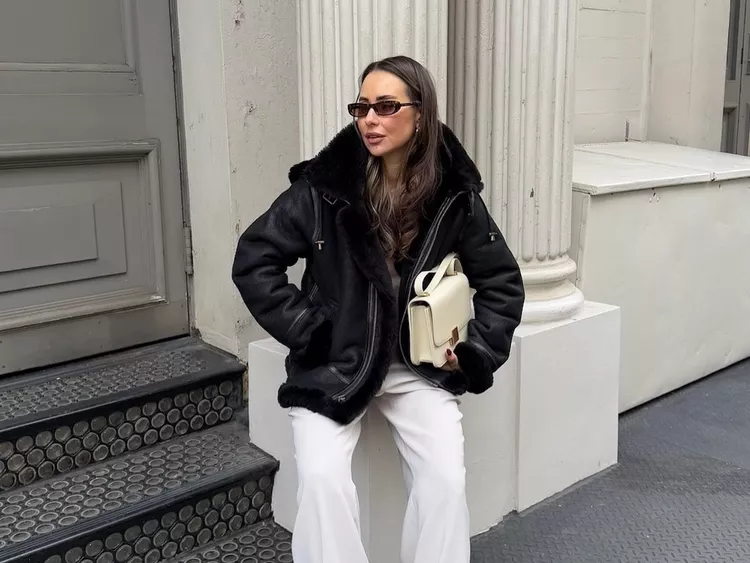
Layered creations are here to stay—they will evolve alongside technology, climate, and consumer awareness. The future of layering in fashion lies in smart materials, digital solutions, and a wardrobe built on circulation rather than ownership. It’s worth preparing your closet for this change now.
Smart fabrics, AI and 3D printing: the next chapter of layers
Temperature-responsive fabrics – materials that expand their pores in the heat and close up during frosty Polish winters – are moving from laboratories to couture collections. Modular elements printed with 3D technology allow you to “add” a layer without sewing: a collar, a shoulder panel, an extra layer under a coat. McKinsey, in the report “When Rules Change,” predicts that by 2026, one in five fashion houses will introduce an AI assistant that suggests optimal layer combinations based on the weather forecast and daily schedule. The eco-layering segment – layers from recycling and rental – will grow by 40% by 2030.
Layered creations are not a seasonal whim – they are a tool for coping with an unpredictable climate, expressing identity, and building a responsible, flexible wardrobe. You’re investing in the future, not in a fleeting trend.
Mi
High Class Fashion editorial team