
Have you ever wondered why Louis Vuitton Malletier is synonymous with luxury? It’s no coincidence that this brand evokes such strong emotions.
Louis Vuitton Malletier is more than just a fashion house—it’s a true institution. When you hear the name, you instantly think of prestige, quality, and… astronomical prices. But the story of this brand began quite simply, with an ordinary craftsman who just wanted to make better suitcases.
The origins of the Louis Vuitton Malletier legend
It all began in 1854 in Paris. Louis Vuitton was 33 years old at the time and worked as a packer — today we’d say he specialized in packing luggage for wealthy clients. It might not sound very exciting, but this job gave him unique insight into what travelers truly needed.
That was the moment when the idea was born that would change the fashion world forever.
Back then, suitcases had rounded tops—they tipped over easily and were hard to stack. Vuitton came up with flat-topped suitcases that could be stably placed one on top of another. Sounds trivial? Maybe, but sometimes it’s the simple solutions that change everything.
In this article, you’ll discover the true story behind the making of a legend. You’ll learn how a young craftsman from the provinces conquered Paris, why his suitcases became a must-have for the aristocracy, and how the brand has endured for over 170 years. We’ll also explore how Louis Vuitton has shaped the evolution of modern luxury fashion.
This story shows that sometimes one good idea is enough to change the world. At least the world of fashion.
Development and key achievements of the fashion house
You see, Louis Vuitton isn’t just about the handbags you see in stores. It’s an entire story that began in 1854, when Louis Vuitton opened his first workshop in Paris. In fact, he was a young guy who simply made trunks.
But these trunks were different. Flat, not rounded like all the others. It may sound silly, but it was a revolution—you could stack them on top of each other. People traveled by train and ship back then, so they needed luggage that wouldn’t tip over.
The real breakthrough came when the brand started creating those iconic patterns. First came the Monogram Canvas in 1896 – those LVs everywhere. Then Damier in 1888. Wait, maybe I’m mixing up the dates… no, Damier was earlier.
Your grandmother probably remembers when Louis Vuitton was only for the very wealthy. But the company kept growing. In the 1970s and 1980s, they started collaborating with fashion designers. Marc Jacobs arrived in 1997 and changed everything. Suddenly, Louis Vuitton was not just about luggage, but about fashion as a whole.
Then came Nicolas Ghesquiere, and now we have Pharrell Williams. Each of them brought something unique. Williams, for example, introduced colors that hadn’t been seen before—those bright, youthful shades.
Today, it’s one of the most expensive brands in the world. It belongs to LVMH, that giant conglomerate. But they still make their trunks in Asnières, in the very same place as 170 years ago.
Louis Vuitton as a symbol of luxury and prestige
Do you remember the first Louis Vuitton bag you saw in real life? You probably knew instantly it was LV—the iconic monogram pattern is unmistakable.
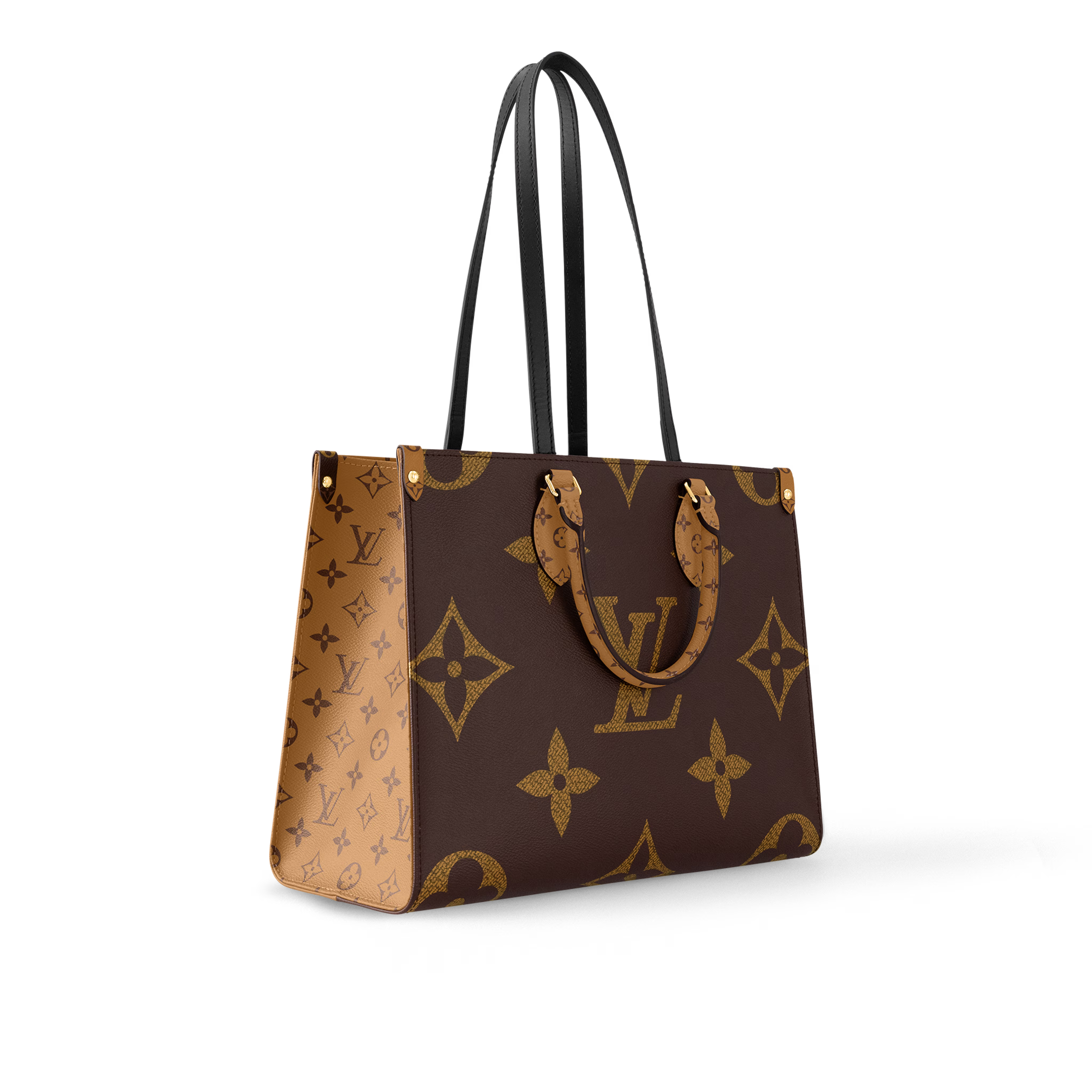
Louis Vuitton did not become synonymous with luxury by accident. This story began in 1854, when a young craftsman opened his first store in Paris. But the real breakthrough came later, when they introduced that famous pattern—a combination of the LV initials with floral motifs.
What makes LV products so recognizable? First of all, quality. Every bag is handmade, with some models requiring over 100 different steps. This is not ordinary mass production. Secondly, the materials—genuine leather, sturdy zippers, precise finishing touches.
The Louis Vuitton logo is a true phenomenon in the world of branding. You can spot those letters on the street from dozens of meters away. No captions or explanations needed—you instantly know what you’re looking at.
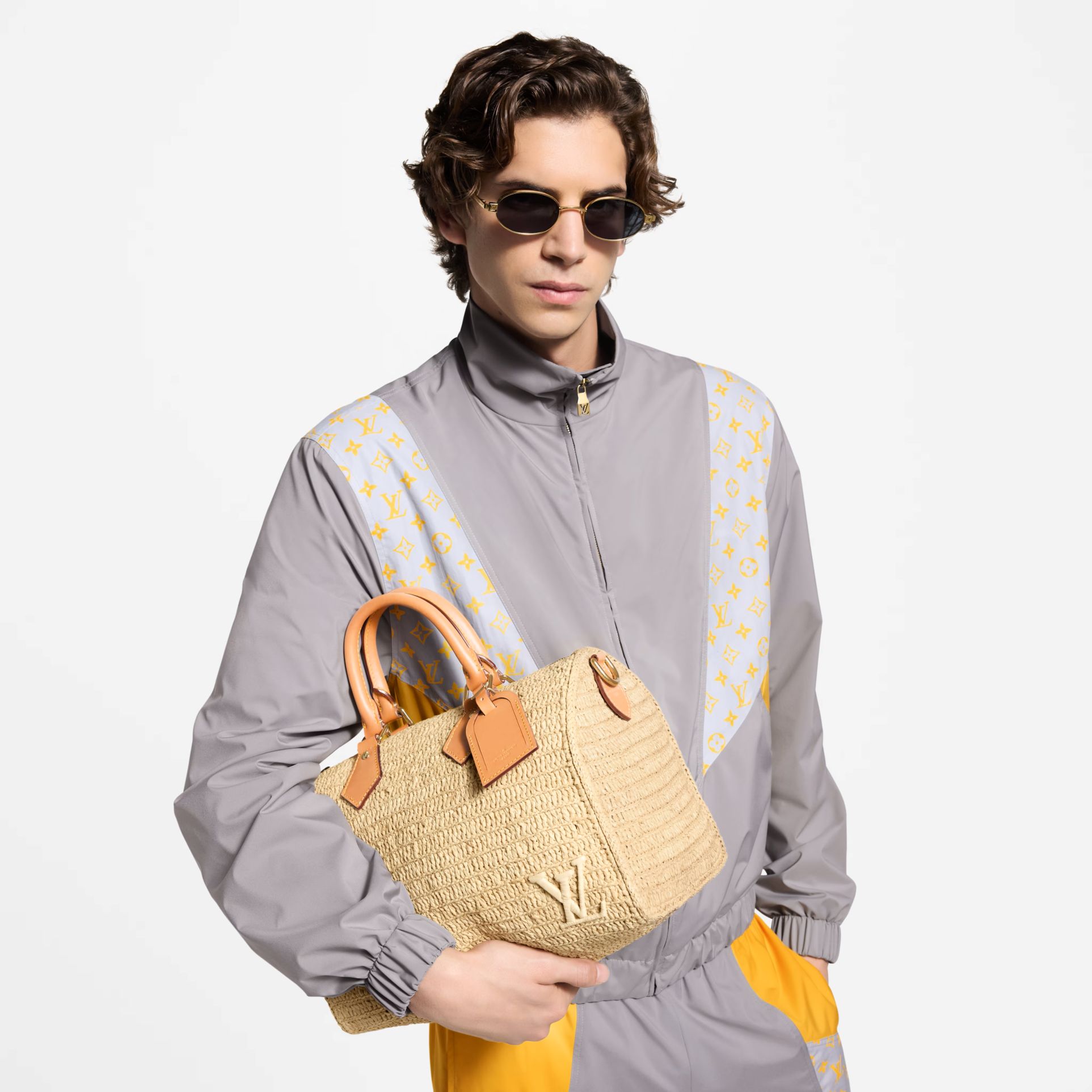
Celebrities have loved LV for a long time. Jennifer Lopez, Rihanna, even Polish stars—all of them carry these bags on red carpets. This is no coincidence; it’s a deliberate strategy. The brand knows that one photo from such an event is worth more than hundreds of ads.
But is it just about the money? Not quite. LV has something more—a certain aura of exclusivity. Some models are available only in select stores, while others have waiting lists. That creates desire.
This influence is visible in Poland as well. Young people save for months to buy a single LV bag. It’s no longer just an accessory—it’s an investment in social status. It’s a bit sad, but that’s how things work these days.
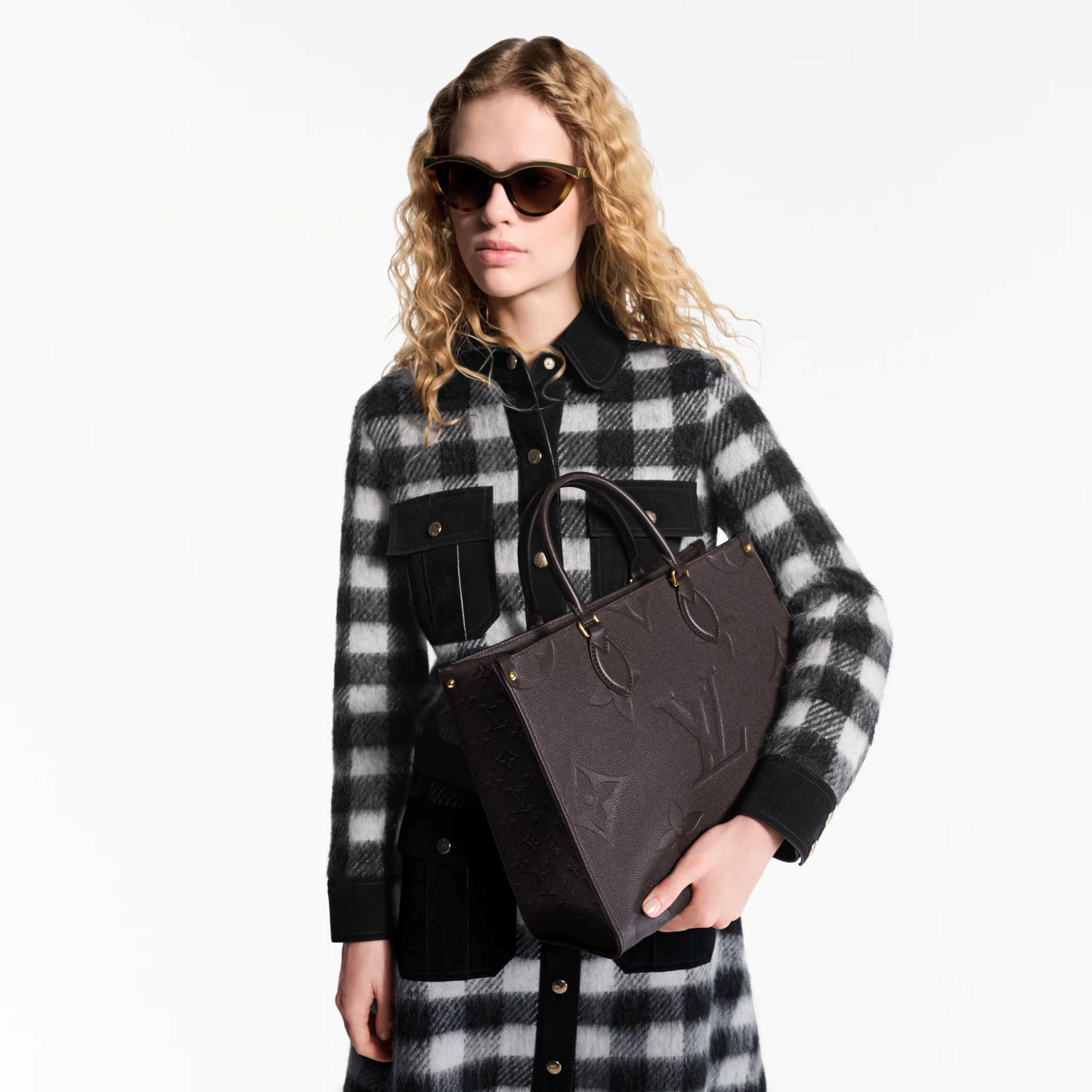
The uniqueness of Louis Vuitton lies in the fact that they’ve managed to create something more than just a brand. It’s a lifestyle, aspirations, dreams. When you buy LV, you’re not just buying a bag – you’re buying a piece of that entire story.
Heritage and influence on contemporary fashion
Have you ever wondered why some brands endure for decades while others disappear after just a few seasons? Louis Vuitton is perhaps the best example of how tradition can go hand in hand with modernity.
The story began in 1854, when Louis Vuitton opened his first workshop in Paris. At first, he made trunks—but not just any trunks. His were flat, lightweight, and durable. It may sound ordinary now, but back then it was revolutionary. People used to carry round trunks that would tip over.
Interestingly, the brand grew organically over the years. The founder’s son, Georges, introduced the famous LV monogram in 1896. He was already fed up with counterfeits back then! This shows that the problem with fakes is nothing new.
Today, you see LV bags everywhere. On the street, in movies, on red carpets. This brand has become synonymous with luxury, but not by accident. Every detail is carefully considered—from the quality of the materials to the way they serve their customers.
Louis Vuitton has influenced contemporary fashion more than you might realize. Collaboration with artists? They were doing it decades ago. Limited collections? Also their idea. Young designers still draw inspiration from their approach to craftsmanship.
What fascinates me is that after almost 170 years, they still manage to surprise us. Maybe it’s because they’re not afraid to experiment, yet they always respect their roots. It’s a balance that many brands struggle to achieve.
Louis Vuitton proves that true luxury is not just about the price or the logo. It’s a story that endures and inspires generations to come.