
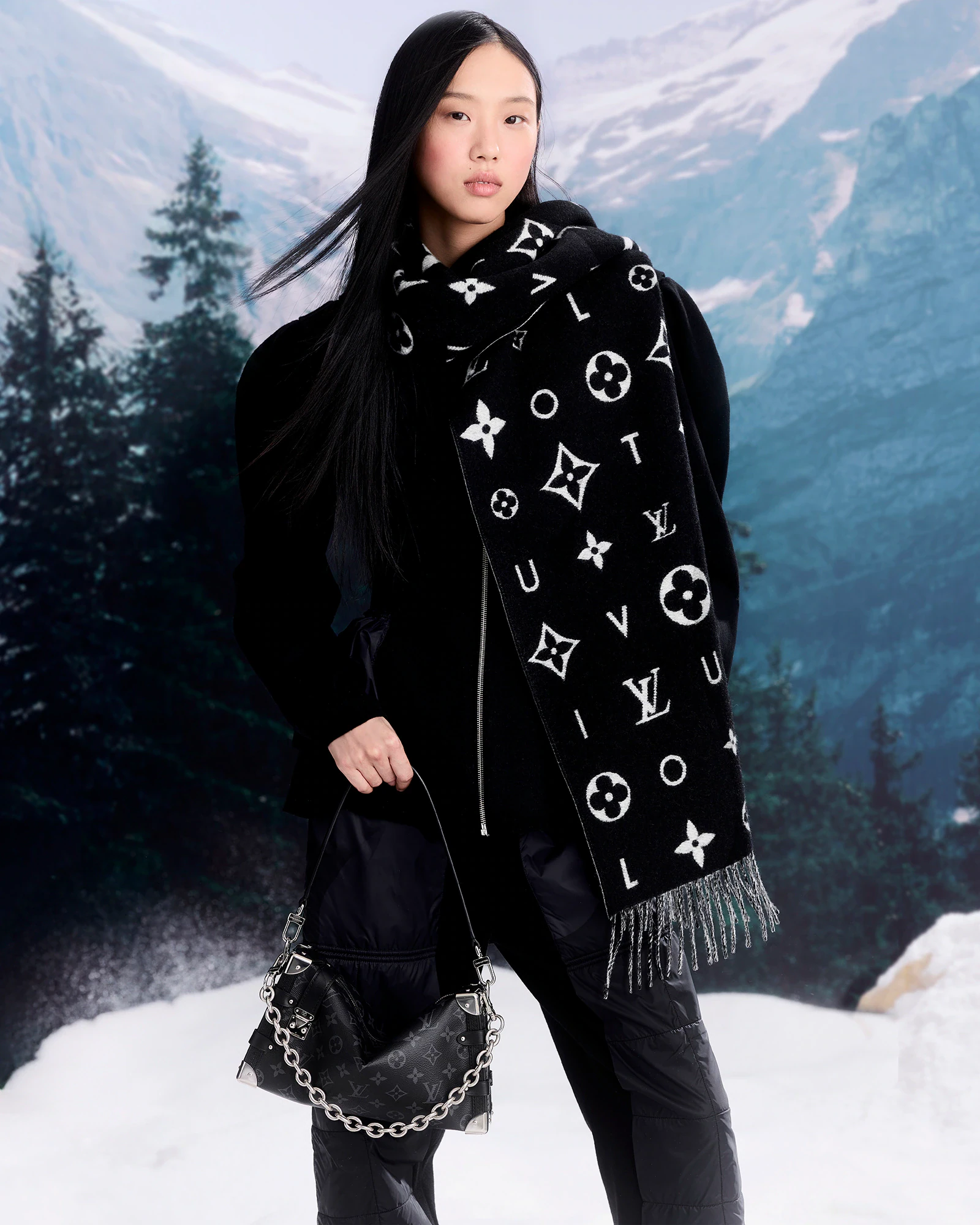
See that LV monogram on the bag? Behind those two iconic letters stands a financial powerhouse that generates more money than the entire economies of some countries. Louis Vuitton isn’t just the world’s most valuable luxury brand—it’s literally the cash engine fueling the entire LVMH empire. Without it, Bernard Arnault probably wouldn’t be the richest person on the planet.
From Trunk to Conglomerate – How Louis Vuitton Powers the LVMH Empire
Why does one brand carry an entire empire
The thing is, LVMH is a conglomerate with over 70 brands—from Dior and Hennessy to Tiffany. But it’s Louis Vuitton that truly leads the way. The brand accounts for a massive chunk of the group’s revenue and an even bigger share of its operating profits. We’re talking about margins that competitors can only admire from afar.
Interestingly, even though the economy has slowed and everyone complains about inflation, the luxury segment (and LV in particular) keeps growing. LVMH has been breaking records year after year—at least until recently. This shows that for the truly wealthy, a crisis is… an abstraction?
In this article, you’ll see hard numbers —exactly how much LV earns, what role it plays in Arnault’s acquisition strategy, and what challenges it faces. Because behind the shine of the monogram lies a powerful financial machine. It’s time to look under the hood.
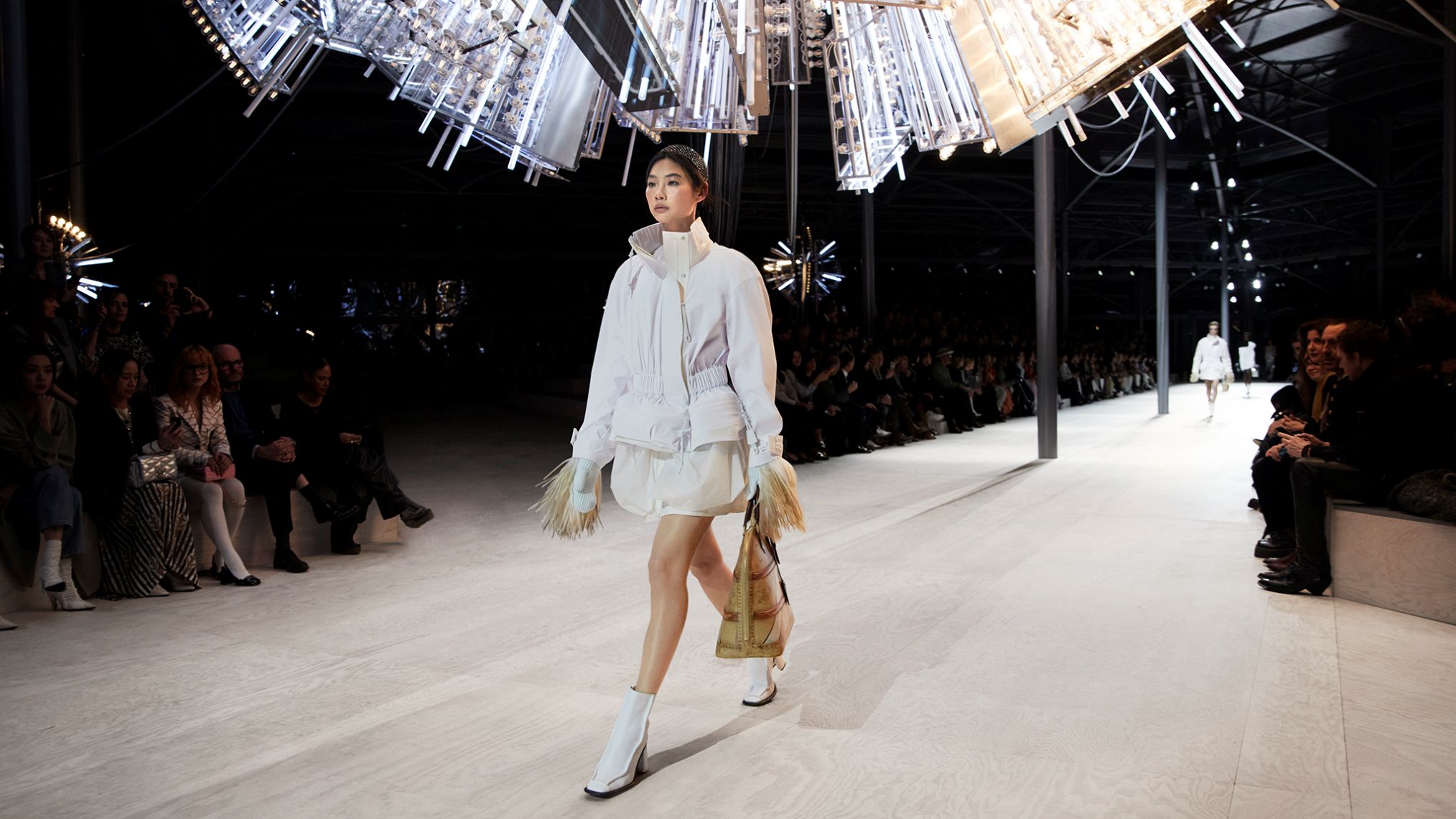
How much does LV contribute to LVMH’s balance sheet – hard numbers and business scale
In luxury, numbers sometimes speak louder than logos. And when it comes to Louis Vuitton, those numbers are simply… enormous. So enormous, in fact, that it’s hard to even imagine them—until you compare them to the rest of the LVMH group.
Louis Vuitton revenues and margins within the LVMH group
In 2024, the entire LVMH group generated revenues of around €86.2 billion. The Fashion & Leather Goods segment, dominated by Louis Vuitton, brought in nearly €42 billion —almost half of the total revenue. And Louis Vuitton alone? Estimates range between €25 and €30 billion annually, giving this single brand a share of about 30–35% of the conglomerate’s total revenue.
| Category | Value |
|---|---|
| LVMH revenue (2024) | ~86.2 bn EUR |
| Fashion & Leather Goods Segment | ~42 bn EUR |
| Estimated revenue of Louis Vuitton | 25-30 bn EUR |
| LV’s share in LVMH revenues | 30-35% |
Moreover, Louis Vuitton’s operating margin is among the highest in the entire group—its profitability far exceeds the LVMH average. It is LV that generates the lion’s share of profits, enabling Arnault to finance acquisitions, investments, and the development of other brands.
Global scale: stores, people, capitalization
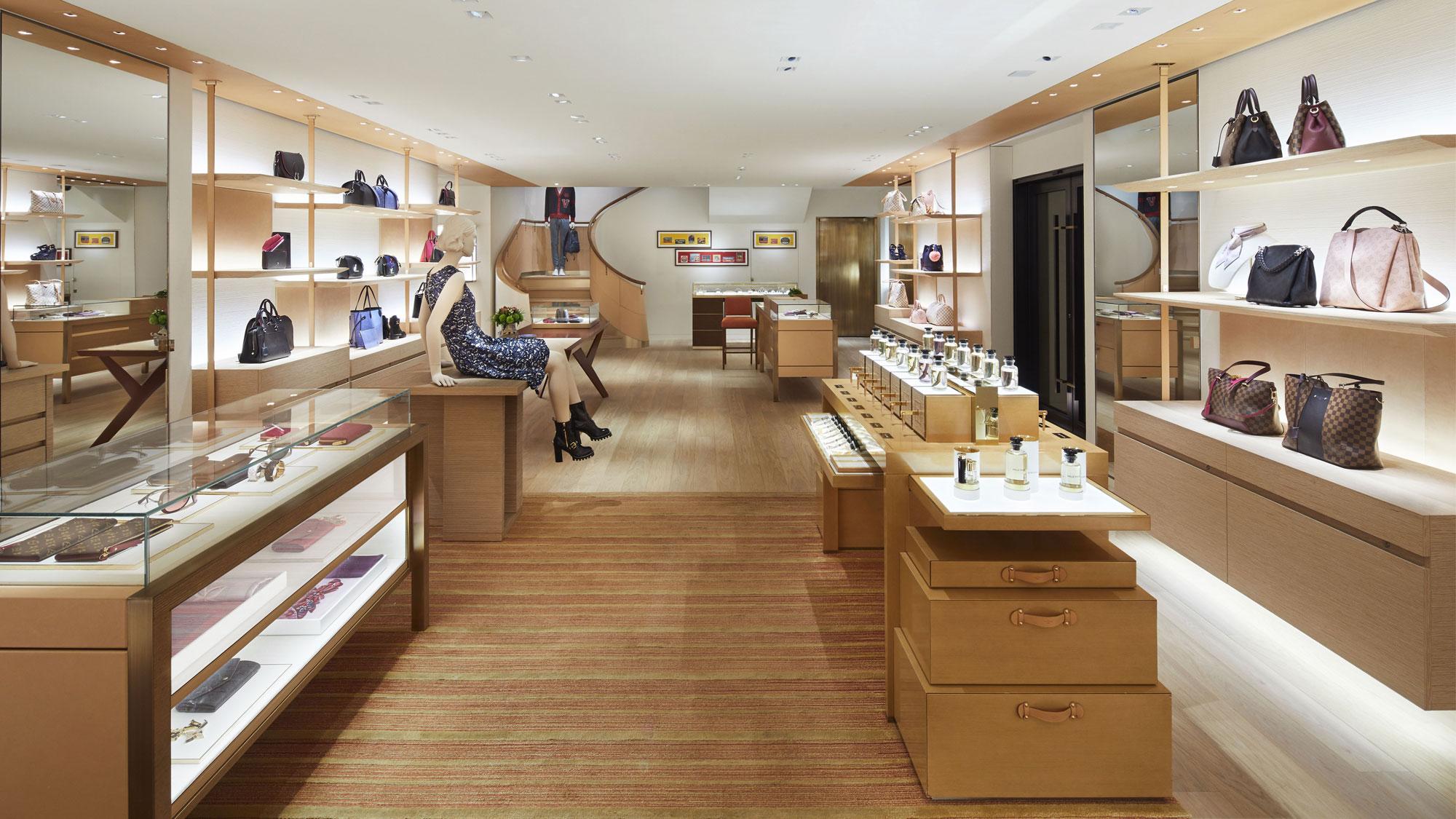
Louis Vuitton operates in over 460 stores worldwide. LVMH as a group employs around 200,000 people —and although LV does not disclose a separate employee count, it’s clear that this single brand powers a massive logistics, production, and sales machine.
And the market cap? LVMH is one of the most valuable companies in Europe, with a valuation exceeding 300 billion EUR. Bernard Arnault regularly tops the lists of the world’s richest people—and that’s largely thanks to Louis Vuitton’s performance. When LV reports quarterly growth, LVMH shares rise. When demand for Speedy bags drops, the stock market trembles.
Now you know just how big Louis Vuitton is by the numbers. But how did a brand founded in the 19th century by a trunk craftsman become the cornerstone of an empire worth hundreds of billions? That’s a story for another time.
From the Empress’s Trunk to a Financial Powerhouse – The Growth Story of LV
A nineteenth-century workshop in Paris, where a young craftsman packs trunks for Empress Eugénie—sounds like the set of a historical film, doesn’t it? But that’s exactly how Louis Vuitton began. Now, his brand is a financial giant driving LVMH. How did that even happen?
From a hiking trip to the first workshop
Louis Vuitton arrived in Paris on foot from his native Jura in 1835—he was just 16 years old. Over the years, he learned the art of packing luggage under Romain Maréchal, a trunk maker serving the aristocracy. In 1854, he opened his own atelier on rue Neuve des Capucines, specializing in trunks for elites embarking on long journeys. From the very beginning, the business was built on exclusivity, not mass production.
Key milestones in brand development
- 1859 – construction of the workshop in Asnières (still operating today!)
- 1896 – son Georges introduces the iconic LV monogram in response to a flood of counterfeits
- 1914 – opening of the boutique on the Champs-Élysées, the first step towards global recognition
- 1977 – stock market debut and structural modernization
Georges’ inventions—anti-theft locks, flat trunks instead of rounded ones—proved that the brand cared not only about aesthetics, but also about protecting the customer’s valuables.
1987 marks a true turning point: the merger with Moët Hennessy creates LVMH. Bernard Arnault takes control and changes everything—hiring Marc Jacobs (1997), then Virgil Abloh, and most recently Pharrell. The luggage house becomes a cultural and fashion icon, with profits soaring exponentially. This story laid the foundation for today’s financial model—which we’ll discuss in a moment.
Mass luxury with high margins – how the Louis Vuitton business model works
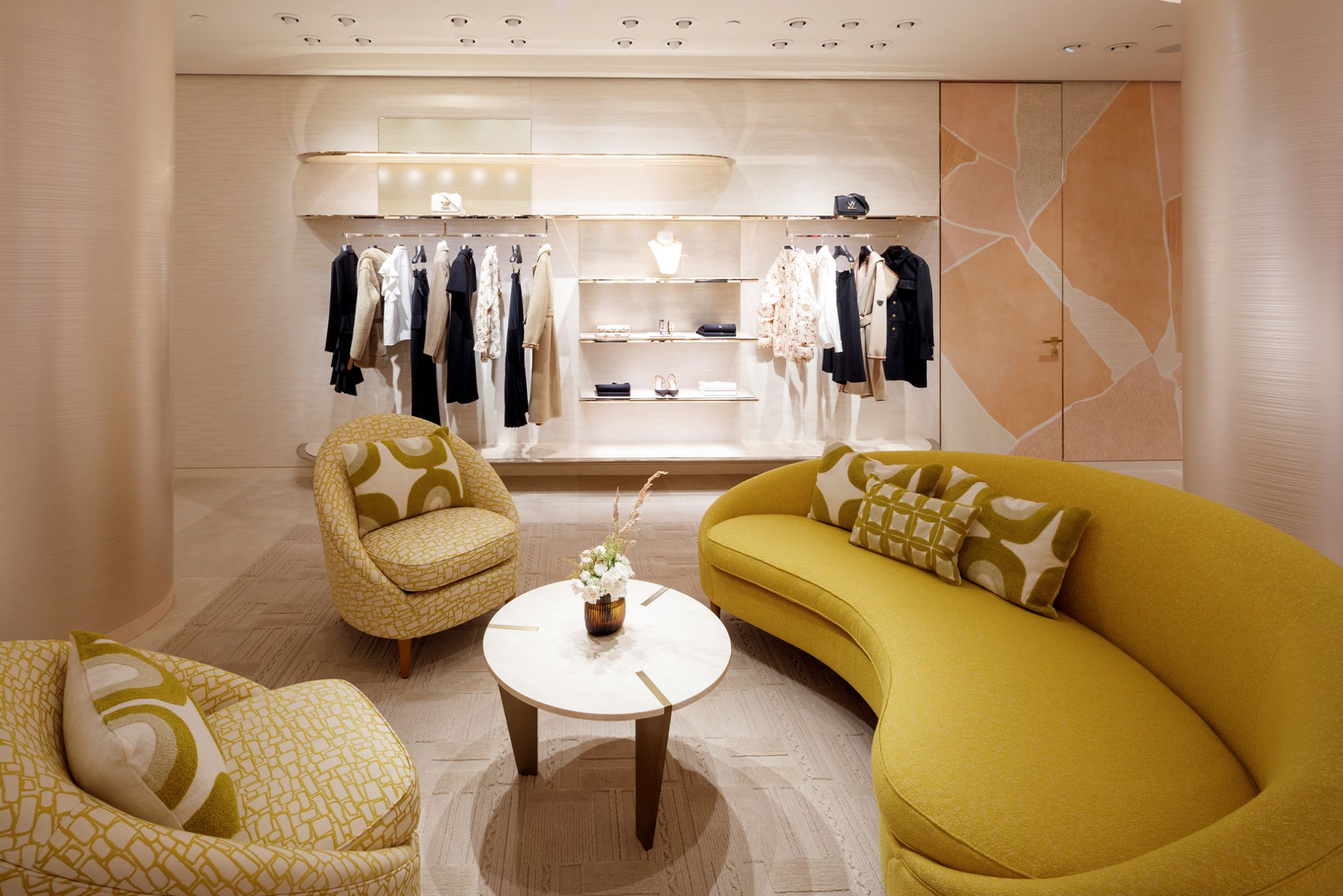
Louis Vuitton is a fascinating business enigma — on one hand, a luxury brand whose handbags cost several thousand zlotys, and on the other, a global powerhouse with hundreds of boutiques worldwide. How does it work? In short: exclusivity on a mass scale, reliance on recognizable design, and ruthless control over distribution.
Exclusivity on a global scale
LV doesn’t do sales. It doesn’t sell through Amazon. Stores are expected to maintain a certain standard, and the product should be available everywhere —but only on the brand’s terms. The result? You can buy the same Neverfull in Tokyo, Paris, or Warsaw, always in a boutique bearing the logo. The bags are crafted in workshops in France, the USA, Spain, and Italy—LV doesn’t hide the fact that it’s no longer just the Hexagone—but every seamstress undergoes artisan-level training. Hand-stitching, hundreds of seams per model, and quality control at every stage.
LV’s product portfolio is primarily:
- Luggage and travel bags (the brand’s roots)
- Women’s handbags (absolute bestsellers – Speedy, Neverfull, Capucines)
- Leather accessories – wallets, belts
- Ready-to-wear, watches, jewelry
- Perfume (smaller share, but important for brand image)
The Fashion & Leather Goods segment accounts for the lion’s share of LVMH Group’s profits—and within it, Louis Vuitton is the king of margins.
Monogram, craftsmanship, and technology as sources of margin
Why is the markup so high? Because you’re paying not just for the leather, but for the code. The LV monogram—that brown and beige pattern with flowers and letters—is probably the most counterfeited design in the world. Here’s the paradox: the more fakes there are, the stronger the original’s recognition. Customers pay for the certainty that they’re wearing “real LV.” And then there are other materials: Damier canvas (checkerboard), Epi leather (textured), and newer designs from collaborations with artists.
And the company isn’t standing still—3D printing in prototyping, AI in production optimization, eco-friendly initiatives (lower carbon footprint, alternative materials). LV wants to be seen as modern luxury, not just traditional. And it works—because when your brand is this strong, every innovation builds a narrative about the future. The problem? Such strength also brings major challenges.
Shadow Beneath the Logo – Counterfeits, Sustainability, and Controversies Surrounding the Power of LV
When a brand becomes as powerful as Louis Vuitton, it attracts not only customers—but also counterfeits, criticism, and a host of uncomfortable questions. The LV monogram is both LVMH’s greatest treasure and its biggest headache.
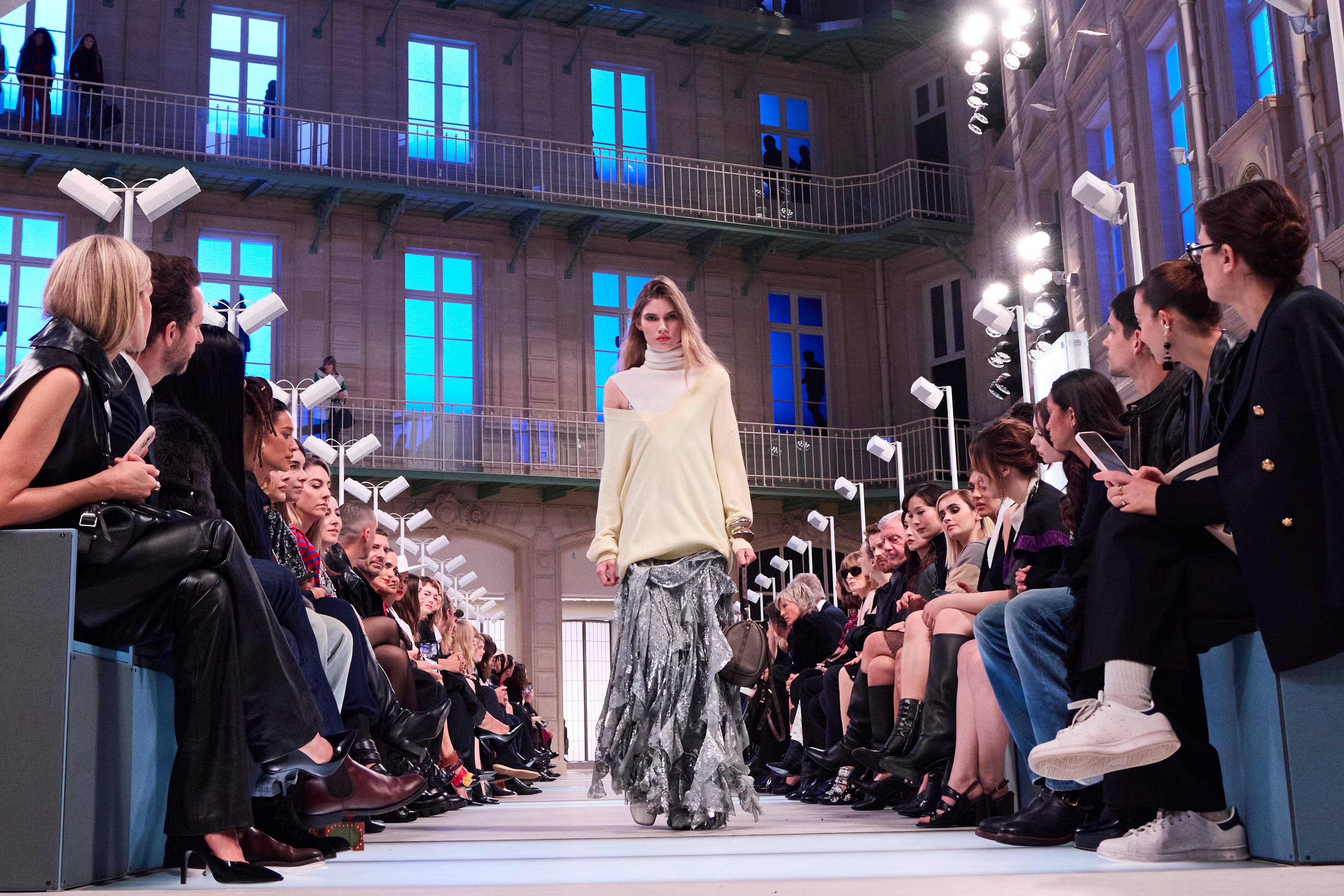
The most counterfeited brand in the world
Louis Vuitton is the world leader… in counterfeits. It’s estimated that over 70% of LV bags sold globally are fakes, and the luxury industry loses billions of dollars each year because of it. The problem is so massive that LVMH employs entire teams of lawyers and investigators to combat the counterfeit market—from street bazaars in Asia to online stores. The paradox? The more recognizable the monogram, the easier it is to copy and sell to someone who wants to look luxurious without the luxury price tag.
Ecology, exclusivity, and the politics of high luxury
Not just counterfeits. Louis Vuitton—like the entire luxury industry—faces environmental and social criticism:
- “Fast-luxury” – constant collections, short product cycles, overproduction
- High emissions from transportation and materials (leather, exotics)
- Elitism – luxury for the 1% while the world debates inequality
LV responds with the “LV Committed” program: CO₂ reduction, sustainable materials, supply chain transparency. But critics ask: can a multibillion-dollar brand ever truly be “green”?
There are also controversies surrounding Bernard Arnault—family succession, concentration of wealth, questions about whether such a powerful structure can maintain the authenticity of luxury. Despite these challenges, LV continues to generate profits—but the shadow beneath the logo is growing.
What’s next for the “engine” of LVMH? Trends, scenarios, and lessons for you
Despite all the challenges—counterfeits, environmental pressures, generational shifts—the luxury market continues to grow. And Louis Vuitton? It remains the main driving force behind LVMH, although its role may shift slightly in the coming years. It’s worth taking a closer look at where all this is heading.
Where is luxury headed – and LV’s place in this landscape
Forecasts for 2025 + are optimistic. Asia—especially China and India—will account for an increasingly larger share of premium sales. In the US, the upper class (HNWI) is growing faster than anywhere else. And luxury? It remains recession-proof—people with money keep buying, even in a crisis.
LV is opening new fronts: collaborations with sports (F1, Formula E), technology (AI in design, digital collections like LV2054, experiments with the metaverse), expanding lifestyle beyond fashion—hotels, yachts, premium gadgets. It’s not just about bags. It’s an ecosystem of dreams.
There are several scenarios. First: LV keeps growing at +8-10% annually and pulls the whole group along—the status quo holds. Second: LVMH deliberately diversifies, strengthening Dior, Fendi, Tiffany to reduce reliance on a single “cash cow.” Both are realistic.
Lessons from Louis Vuitton for Your Business and Wallet
What can you take away from this story?
- Build a pillar brand – a single product or service that generates the majority of profit and funds experimentation with others.
- The power of a brand in acquisitions – LV helps LVMH acquire other brands; similarly, a strong position makes expansion easier.
- Follow industry leaders as an investor – LV’s stability means stability for the entire group; analyze the LVMH report through the lens of LV’s performance.
- Diversification vs. concentration – at some point, relying too heavily on a single source of income becomes a risk; know when it’s time to spread the load.
What will you be looking for in upcoming LVMH reports?
SOHO
Biznes & Moda editorial team
High Class Fashion