
Is the luxury market heading for a hard landing? Or are we in for a gentle slowdown? According to McKinsey, after years of spectacular growth—averaging around 5% annually between 2019 and 2023—the sector is entering a new phase. In 2024, growth has slowed to just 0-2%, and for 2025-2027, a moderate annual increase of 1-3% is forecast.
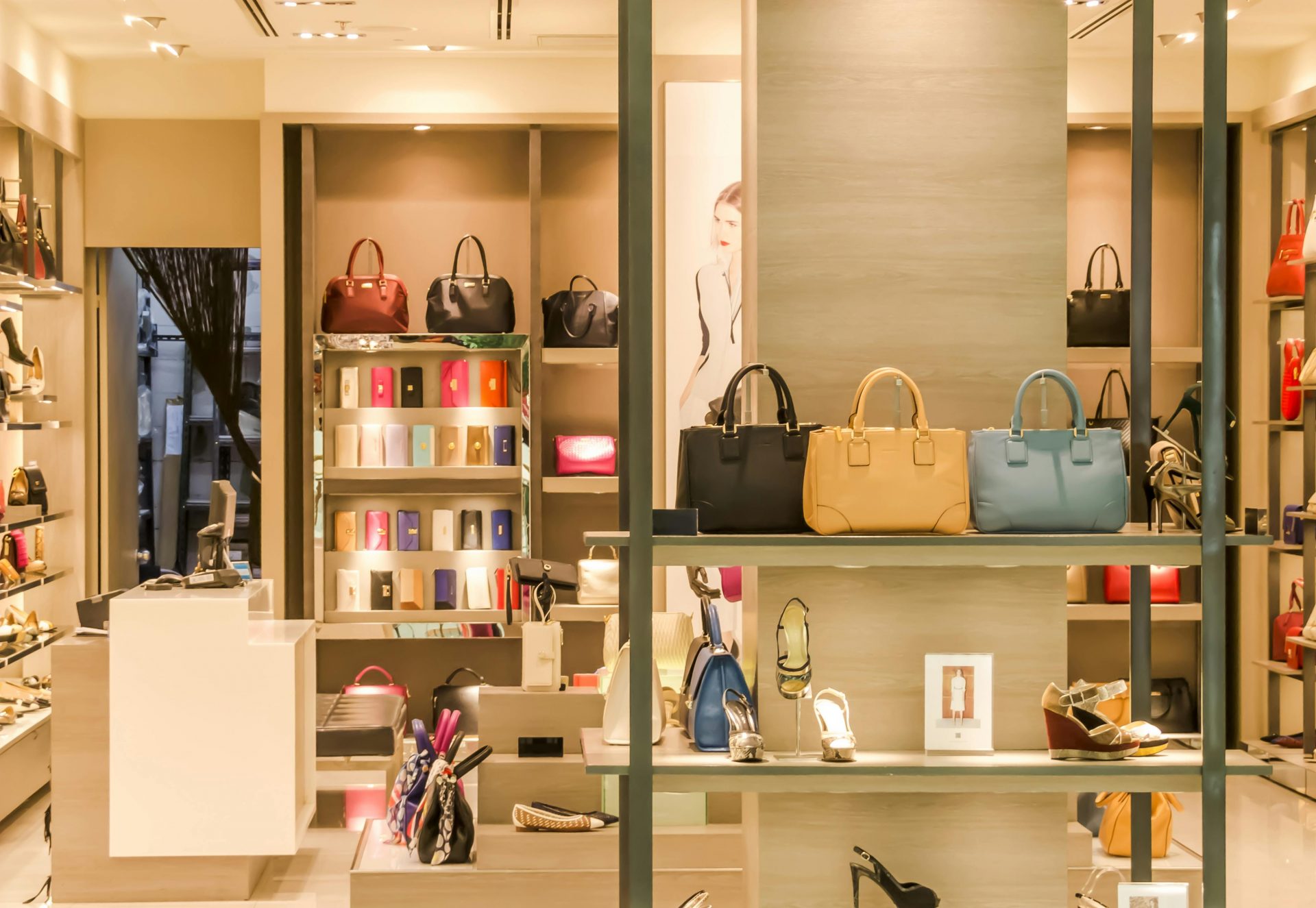
Sudden braking or a controlled landing?
Statistical contrast clearly illustrates the scale of the phenomenon: the global value of the luxury goods market reached nearly €1.5 trillion, while Poland’s share—though not as widely reported—hovers around PLN 55.6 billion (figures cited to illustrate the local context). This offers a glimpse into the challenges and opportunities facing the local market.
In this context, two key concepts emerge: “growth slowdown”—describing the phase when expansion shifts from rapid acceleration to stagnation or minimal growth; and “reorganization”—understood as the strategic restructuring of operational frameworks, offerings, and business models by luxury brands to better adapt to the new market environment.
The starting point is clear: the sector is entering a period of redefinition. Now, let’s take a closer look at what’s really behind the global slowdown.
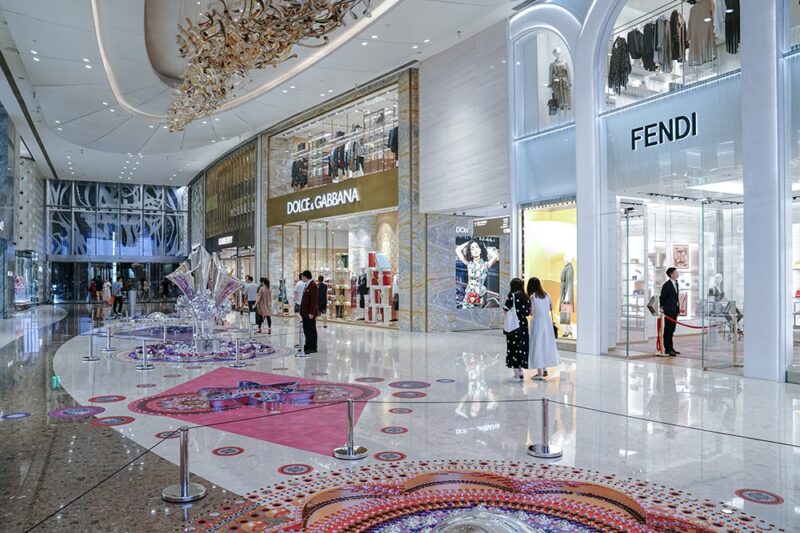
Global luxury market: what caused the growth slowdown
Below is a section in Polish that meets the requirements.
The global luxury goods market is experiencing a noticeable slowdown after years of double-digit growth. During the 2023- 2025 period, macroeconomic, demographic, and technological factors are halting the previous momentum, highlighting the need for a comprehensive sector reorganization.
| Year | Growth % |
|---|---|
| before 2023 | 8-10% |
| 2025 (forecast) | 3-5% |
1. Inflation and geopolitical uncertainty
- Global trade frictions and political tensions are driving up costs, curbing consumption, and dampening purchasing sentiment. According to Bain & Company, luxury goods sales are projected to decline by 2-5% in 2025.
- Rising tariffs—for example, a 15% duty on luxury goods from France to the USA starting August 2025—further squeeze margins amid already high prices.
2. Decline in demand in China
China, which previously served as one of the main drivers of growth, experienced a sales decline of 18-20% in 2024. According to Bain, stagnation is expected in 2025. Morgan Stanley adds that low consumer confidence and economic challenges in China are holding back a return to growth.
3. Changing consumer preferences (sustainability, digital first)
Expectations are shifting – consumers are increasingly choosing experiences, wellness, or travel over material goods. Additionally, a stronger focus on sustainability and transparency is causing customers to turn away from brands that fail to keep up with these trends.
4. The impact of online channels
The growing importance of online sales in the luxury goods segment is becoming increasingly crucial. McKinsey predicts that by 2025, as much as 20% of luxury sales will take place online—this is transforming the business model and driving the accelerated development of digital channels (estimated, unofficial data).
Micro-case: LVMH in 2024-2025
LVMH reported a 9% drop in organic sales in the fashion and leather goods segment in Q2 2025 to €9 billion, while operating profit in the first half of the year fell by 15% to €9.01 billion. This is a clear sign that even the biggest players are finding it increasingly difficult to maintain their previous growth momentum.
To sum up this segment: clear data and a micro-example illustrate why the luxury sector is now at a crossroads and in need of deep reorganization and new adaptive strategies.
Premium brand reorganization: tools and survival strategies
The reorganization of premium brands now requires precise and practical interventions to maintain their position amid a global slowdown. Luxury brands are moving away from traditional models, focusing instead on specific operational tools and strategic adaptations. This section will discuss five key pillars of reorganization, along with an illustrative case study—without reference to the causes of the slowdown or data from Poland.
The five pillars of reorganization
- Digitization and personalization with AI – luxury brands are implementing artificial intelligence to create individualized customer experiences, from personalized recommendations to virtual fitting rooms and consultations. This enhances sales efficiency and customer engagement.
- Circular models (resale, upcycling) – solutions for reusing products are being implemented more and more frequently. An example is the collaboration between Burberry and The RealReal platform, which resulted in a 64% year-on-year increase in demand for the brand’s items.
- Cost and supply chain optimization – luxury companies are restructuring logistics, cutting unnecessary expenses, and streamlining distribution to minimize the impact of the slowdown on margins.
- ESG and carbon footprint – the pressure to achieve sustainable development goals is increasing. Among consumers, 60% declare they choose eco-friendly brands, putting ESG at the heart of brand and supplier strategies.
- Mergers and acquisitions – in challenging market conditions, the luxury industry is consolidating. Acquisitions provide access to new technologies, resources, and market segments.
“Case study” – Burberry 2024
Burberry has invested in digital tools and the metaverse, collaborating with platforms such as Minecraft and Wanna (virtual try-on for scarves). As a result, engagement among younger customers has increased—data shows a 10-11% rise in perceived innovation and interaction since the launch of the “Burberry Forward” program.
– The virtual scarf “Wrapped in Burberry” was available in 50 variants, boosting user-generated content creation and strengthening engagement.
This is tangible proof that digital transformation—especially leveraging AR and the metaverse—can effectively attract younger generations and reinforce the brand’s image as modern and innovative.
Bridge sentence to the Polish market: In the next section, we will explore how these global tools and strategies are being adapted to the specifics of the luxury market in Poland—what local factors determine their effectiveness and adoption.
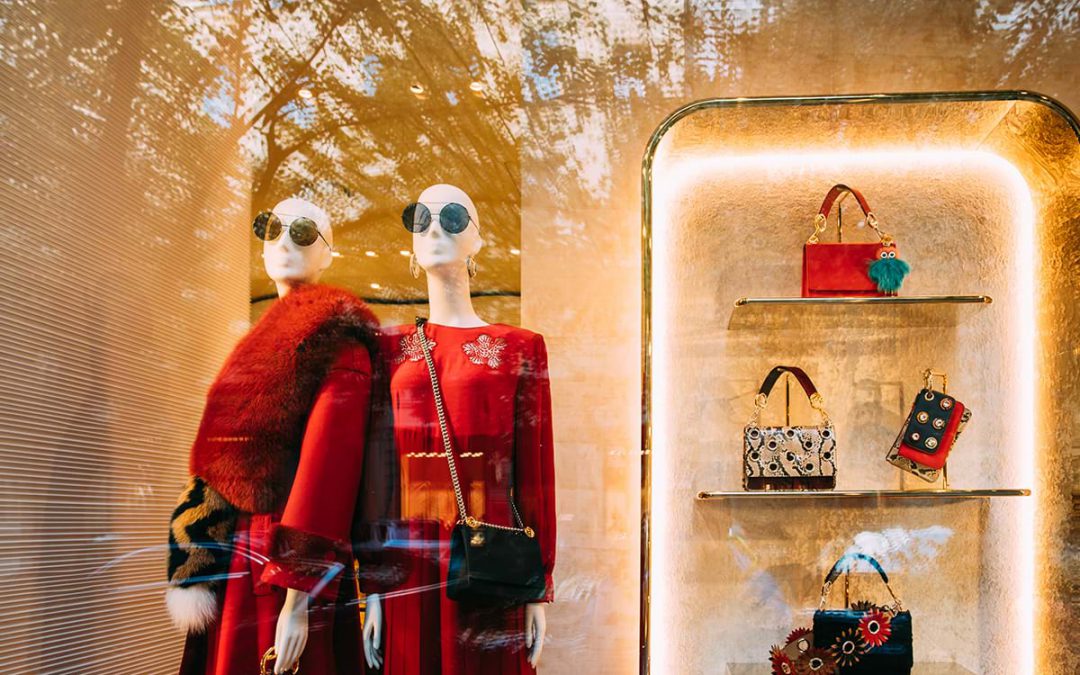
Polish paradox: why luxury keeps growing on the Vistula
The Polish luxury goods market stands out from global trends – while international markets are experiencing a slowdown, the value of this segment in Poland has increased by as much as 24.6% year-on-year. This contrast provides the perfect introduction to an analysis of local market dynamics.
Below is a chronological overview of the value of the luxury market in Poland: (values in billion PLN)
| Year | Market value |
|---|---|
| 2021 | approx. PLN 30.0 billion |
| 2022 | 37.0 billion PLN |
| 2023 | PLN 42.4 billion |
| 2024 | PLN 55.6 billion |
Key segments
- Premium and luxury cars: PLN 36.0 billion (approx. 65% of the market; up 34.8% y/y)
- Premium and luxury real estate: PLN 3.5 billion (+6.7% y/y)
- Clothing and accessories: PLN 3.5 billion (+2.8% y/y)
- Hotels and SPA: PLN 7.8 billion (+16.7% y/y)
Demographic profile of buyers
The number of people with annual incomes exceeding PLN 1 million increased by 11% year-on-year, reaching 73,500 taxpayers. The highest concentration of such individuals is in Mazovia (16,000), followed by the Greater Poland and Lesser Poland provinces (7,300 each), as well as Silesia (7,200).
Growth drivers
Growing affluence among Poles – the number of people earning over PLN 120,000 per year increased by 34% year-on-year, reaching 2.5 million, with their total income amounting to PLN 714 billion (+29% y/y). The market remains unsaturated, allowing for further expansion, while the aspirations of the middle class are driving increased spending in the luxury sector.
Tip for the future: the growing market value is not only a result of consumer wealth, but also of evolving preferences—luxury is increasingly associated with experiences, personalization, and investment in lasting assets.
Bridge to the next section
This “Polish paradox” — dynamic growth contrasted with weakening global trends — highlights unique local conditions that should be considered when developing reorganization strategies and forecasting future prospects.
From slowdown to a new golden age: what’s next for the industry
The article is heading toward a strategic conclusion—now is the time to move from reflecting on the slowdown to envisioning a new era of growth. This section will present the key insights, concrete actions, and forecasts for the luxury industry through 2030.
Key insights from previous sections
- The industry is facing a global slowdown, prompting a redefinition of brand values and a more sustainable approach to growth.
- The role of new technologies, especially artificial intelligence, is becoming fundamental in personalizing customer experiences and optimizing operations.
- Polish realities highlight the growing importance of circular models and geographical diversification as a response to price pressure and changing consumer preferences.
Four strategic actions for companies and investors:
☑ Investment in AI – both in data analysis and in personalizing customer interactions.
☑ Implementation of circular models – promoting the philosophy of reuse, resale, and recycling as a competitive advantage.
☑ Geographic diversification – expansion into emerging markets such as the Middle East, India, and Africa, which by 2030 will bring a significant influx of new customers.
☑ Cross-industry collaboration – building partnerships with related sectors (e.g., technology, wellness, travel) to broaden reach and enrich the offering.
The vision of the luxury industry 2026-2030
McKinsey forecasts global luxury goods market growth of 4‑6 % annually after 2026, with the Polish market potentially reaching a value of PLN 70 billion by 2027.
This creates a unique window of opportunity for Polish brands and investors—there has never been a better time for a strategic leap forward.
Polish companies can take advantage of this trend by creating offerings aligned with the values of the future market: sustainable, technology-driven, and geographically flexible. Investors will benefit if they support these initiatives with capital and specialized expertise.
An inspiring conclusion: this is just the beginning of a new golden era for the luxury industry—how high it soars depends solely on the boldness of decisions made.
Tom X
business & lifestyle editor
High Class Fashion