
The gaming market today is worth $184 billion globally, with over 3.3 billion players. This is not a niche—it’s a mass media ecosystem that rivals the reach of film and music combined. And that’s exactly why luxury brands are getting back in the game—literally.
From niche to mainstream: why is luxury returning to gaming right now?
Gaming has become both a marketing channel (brand building, engagement) and a sales channel (virtual goods, NFT, merchandise) for luxury. It’s no longer an experiment, but a permanent part of the communication mix. This is especially true for fashion brands that need to reach Gen Z —a generation that spends more time gaming than watching TV.

The key word is “return.” After the buzz around the metaverse and the NFT crash in 2022, many brands pulled back, feeling skeptical. Today, they are coming back because the technologies have matured — AI, a more stable blockchain, better platforms, and Gen Z is becoming a growing force among luxury buyers.
“Gaming has shifted from a metaverse hype play to a key channel for reaching Gen Z,” as Vogue Runway notes, highlighting a change in mindset within the fashion industry.
We’re no longer talking about futuristic experiments. We’re talking about concrete strategies, ROI, and long-term presence. How did brands get to this point? That’s exactly what we’ll show next.
How luxury brands returned to gaming – history, crisis, and a new beginning
The current boom of luxury brands in gaming is no coincidence, but the result of lessons learned from a turbulent decade of experiments, hype, and spectacular failures. Before we reached 2025, this relationship had already gone through several dramatic twists and turns.
First wave: from League of Legends to Roblox
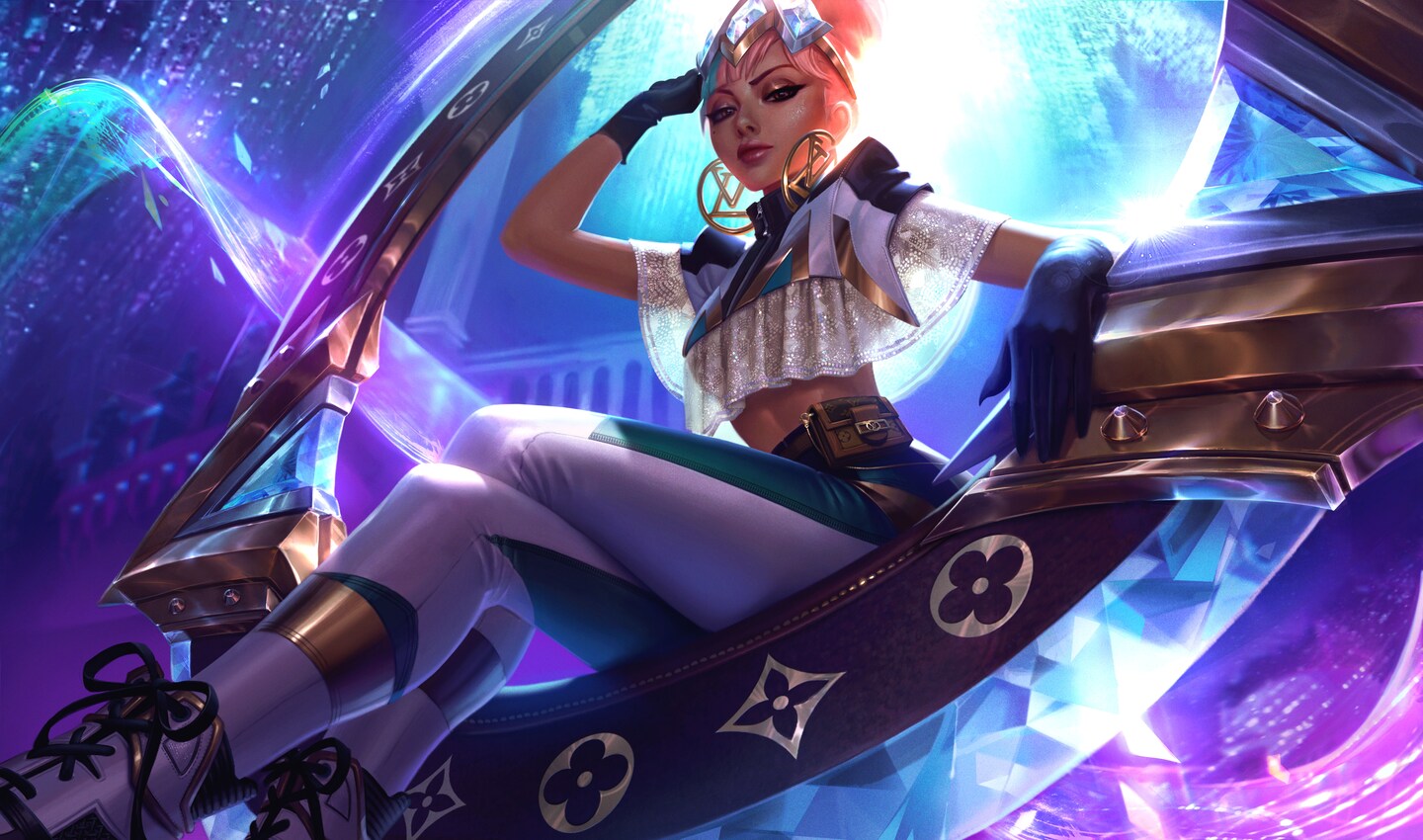
Pioneering attempts began at the turn of the 2010s. Louis Vuitton in 2019 created skins for League of Legends and designed the trophy for the championships — this was a signal that luxury was noticing gamers. Then Balenciaga organized a virtual fashion show in Fortnite (2021), and Gucci opened an interactive Gucci Garden in Roblox. The result? The buzz marketing was enormous, but few brands knew how to monetize it.
The metaverse bubble and the NFT crisis
The years 2021-2023 marked the peak of the craze: The Sandbox, Decentraland, digital sneakers from RTFKT selling for tens of thousands of dollars. Every brand wanted its own NFT and a “plot” in the metaverse. But in 2023, the bubble burst, cryptocurrencies crashed, NFT values dropped by as much as 90%, and brands suddenly found themselves with empty virtual galleries.
New opening 2025-2026
After the crisis, there was a period of reflection. Reports from EY and local discussions (NowyMarketing, 01.2026) revealed: gaming makes sense, but without speculation. Brands are now returning with concrete data, AI for skin personalization, and integration with their entire omnichannel strategy—not just as a one-off PR stunt. It’s a more mature, measured comeback. And that’s exactly why this time it might succeed.
Why has gaming become crucial for luxury brands and Gen Z?
Gen Z doesn’t just play — Gen Z lives in games. We’re talking about a generation for whom the virtual world is just as real as a physical store, and a Fortnite avatar can matter more than a jacket in the closet. This is exactly why luxury brands have started to treat gaming not as an experiment, but as one of the key channels for reaching young consumers.
How gaming outperforms traditional advertising in the eyes of young people
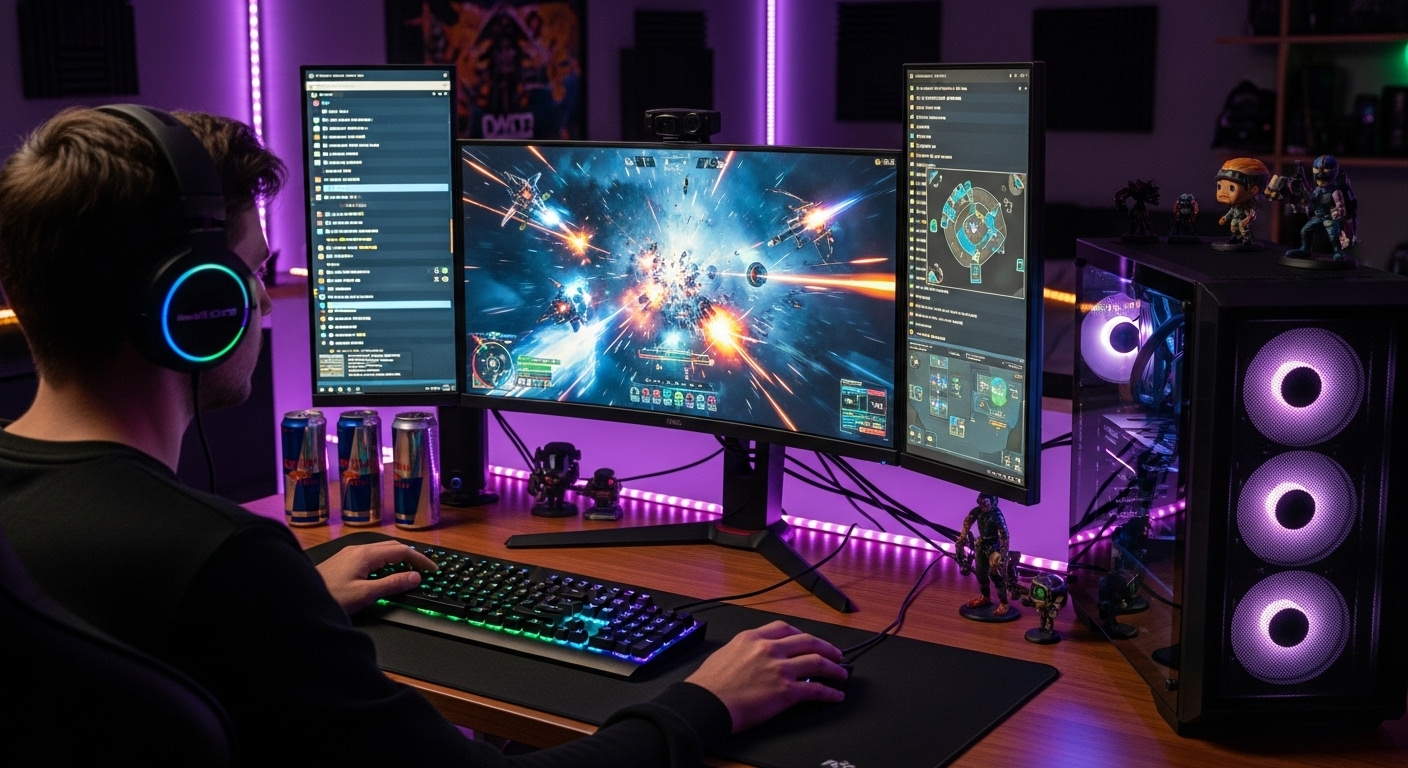
Luxury brands know that traditional advertising is losing its impact on Gen Z. Influencers and streamers have a greater persuasive power than TV commercials, and communities around games and e-sports tournaments generate 300-400% higher engagement than social media campaigns (McKinsey, 2022).
Being present at prestigious tournaments ( e.g., League of Legends Worlds) or in top titles builds an aspirational brand image where young people actually spend their time—and where they want to be seen by their peers.
How does luxury build a brand in gaming and e-sports?
Before a luxury brand invests millions in gaming, it must choose how to make its entrance. Because simply deciding “we’re entering gaming” is just the beginning—the real question is: in what format? Virtual skins? Sponsoring an e-sports team? Collaborating with a streamer who has a million viewers on Twitch?
Virtual collections and skins
The simplest yet most striking model: the brand designs clothes, accessories, or locations that players can purchase or unlock in the game. Gucci Garden in Roblox is a virtual exhibition where avatars try on limited collections — some items cost more than their physical counterparts. Balenciaga in Fortnite released character skins in the brand’s style, while Louis Vuitton designed a prestigious championship skin for League of Legends.
Model / Brand objective / Example:
| Format | Goal | Example |
|---|---|---|
| Branded skiny | Aspirational player identification | Louis Vuitton × LoL |
| Virtual boutiques | Brand experience in 3D | Gucci Garden (Roblox) |
| Limited drops | Exclusivity, FOMO | Balenciaga (Fortnite) |
This is not advertising, but integration. The player wears the brand, shows it to others, builds status.
Sponsoring e-sports and tournaments
The second approach: the brand becomes the face of the event. Louis Vuitton designed the trophy for the Worlds finals ( LoL), Prada dresses the ESL commentators, and limited edition capsules are given to viewers after the tournament ends. This is an association with an aspirational lifestyle — top-level competition, a global stage, prestige.

Influencer marketing in a new form
Third pillar: collaboration with gaming creators. Product placement during streams, joint storytelling campaigns where a luxury brand weaves itself into the channel’s narrative. This is authenticity (or at least the appearance of it) — the viewer trusts the streamer, so if they showcase a product, it works better than a banner.
A final question: since the brand is already in the game and on stage, how can this be turned into a real sales channel?
Sales models – virtual goods, NFTs, and new revenue streams
Gaming has ceased to be just a platform for building brand image and is now a fully viable sales channel. Luxury brands are making money here in several ways, from digital skins to loyalty programs linked to real-world products. It’s worth looking at the numbers: the virtual goods market in games exceeded USD 70 billion globally in 2023, and the luxury items segment is growing by around 35% annually.
The virtual luxury goods market
Skins, limited-edition accessories, exclusive drops—these are no longer just whims, but a stable source of revenue. Players pay real money for a virtual watch or handbag because it makes their avatar stand out and signals their status within the community. Gucci and Balenciaga sell digital collections in Fortnite and Roblox for anywhere from a few to several dozen dollars—microtransactions that add up.
Connecting the virtual with the physical
The most interesting models are bundles: you buy a virtual bag in the game and get a 20% discount on the real one. Or vice versa, a physical product with a code for exclusive online content. In Poland, such solutions are mainly being tested by fashion brands (not just luxury), but the lesson is simple: gaming works when both sides of the transaction receive something valuable. The key is balancing exclusivity and accessibility — a price that’s too high is off-putting, while one that’s too low undermines prestige.
| Revenue model | Description | Benefit for the brand |
|---|---|---|
| Microtransactions for skins | Premium virtual items | A steady stream of small contributions |
| Collectible NFTs | Tokens with a limited quantity | Prestige, a community of engaged fans |
| Physical + virtual bundling | In-game purchase = discount on a real product | Cross-selling, loyalty |
| Loyalty programs | Points for in-game activity | Longer engagement, user data |
The next level: how to enter gaming wisely and get ready for 2030
Gaming has ceased to be an eccentric addition to campaigns – in a few years, it will become a standard item in the luxury brand budget. Forecasts for 2030 are clear: the share of gaming in the premium marketing mix may triple, especially as Gen Z and Alpha begin to wield real purchasing power. The question is: will your brand be ready when that moment comes?
Gaming in luxury strategy until 2030
Technologies like AI, VR, and AR are no longer science fiction—generative skins tailored to the player’s personality, immersive showrooms in the metaverse, personalized in-game narratives. All of this could become the norm sooner than you think. Web3? After the hype, it may return in a responsible form (NFTs with real utility, transparent loot boxes), but only if the industry learns regulation and ethics.
If you don’t build a strategy now, your competition will. Start with an audit, a strategic workshop—don’t put it off for “someday.”
XIXI
lifestyle editorial team
NFT enthusiast
High Class Fashion