
Table of Contents
- From Dream to Fit: The Beginning of Luxurious Personalization
- The history and evolution of made-to-order
- How it works step by step
- Why it matters: benefits for you and the planet
- Brand examples and real market figures
- Your turn to take the first step towards bespoke tailoring
Imagine stepping into an elegant atelier, where fabrics chosen especially for you are laid out on a mahogany table. Silk in antique gold, wool so soft it almost melts beneath your fingers, lace with patterns that seem to tell their own story. This isn’t a dream—it’s the reality of luxury personalization that has, for several years now, been transforming the face of fashion.
From Dream to Fit: The Beginning of Luxury Personalization
It may sound like a fairy tale for the chosen few, but the reality is different. More and more women are discovering that bespoke fashion is no longer reserved just for the wealthiest. And the numbers? They speak for themselves.

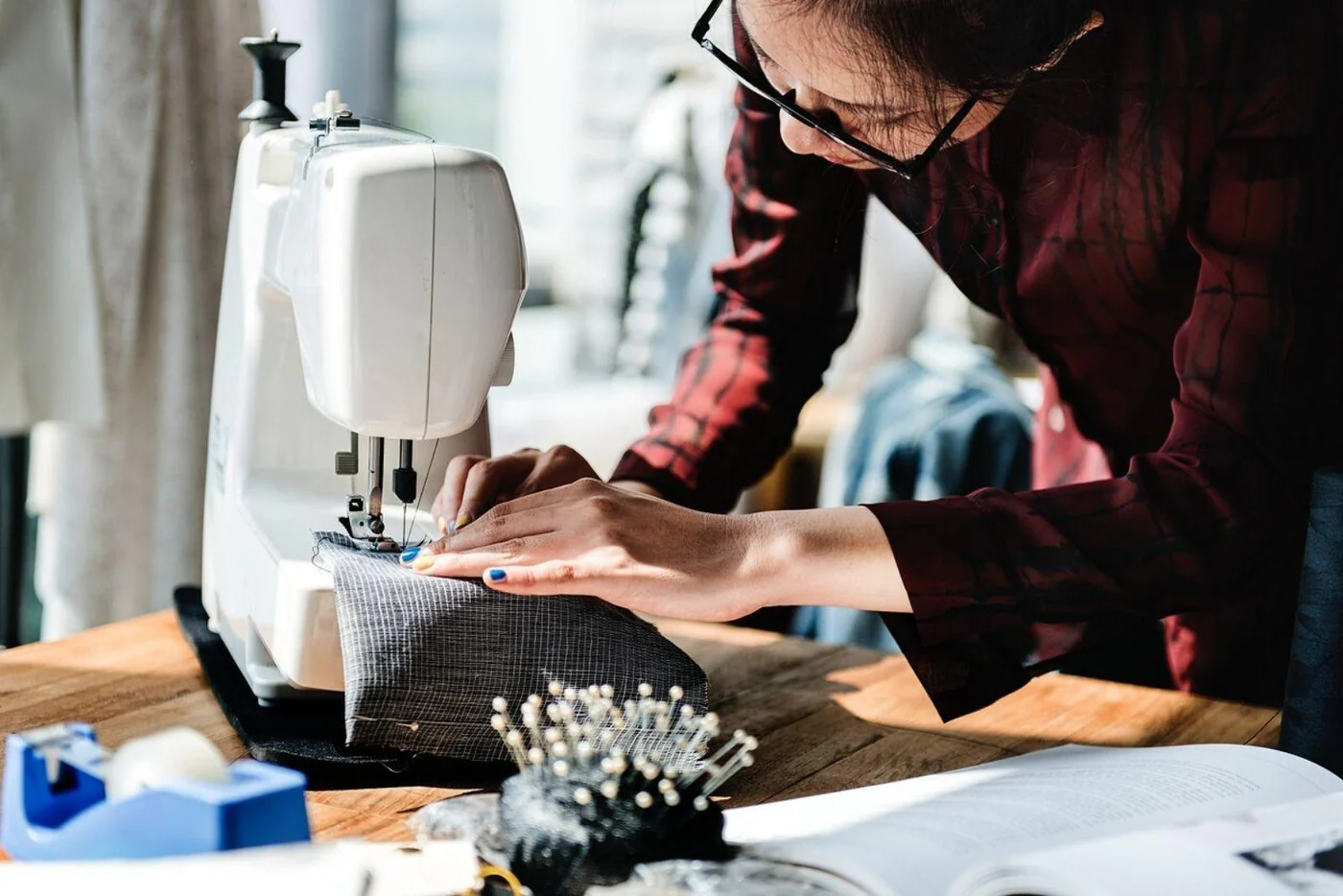
photo: fabriclore.com The luxury market in 2024 reached a value of 1.5 trillion euros worldwide
- As many as 70% of female consumers declare that they prefer made-to-order options due to environmental considerations
These statistics are no coincidence. We live in an era where personalization has become almost an obsession, and sustainable fashion—a necessity. Women want clothes that tell their story, not mass-produced items from a factory on the other side of the world.
Tailoring is no longer a whim—it’s a statement.
Why has this trend exploded right now? Maybe because, in a sea of identical dresses from chain stores, we’re searching for something that’s uniquely ours. Or perhaps we’ve finally realized that one well-made piece is better than ten cheap alternatives that will just end up forgotten in the closet.
In this article, we’ll explore the history of this phenomenon, the process of creating custom-made clothing, the benefits of such a choice, and specific examples of brands that have revolutionized the approach to personalization.
But before we dive into the details, it’s worth starting at the beginning. Back when tailoring wasn’t a choice, but the only option available.
History and evolution of made-to-order
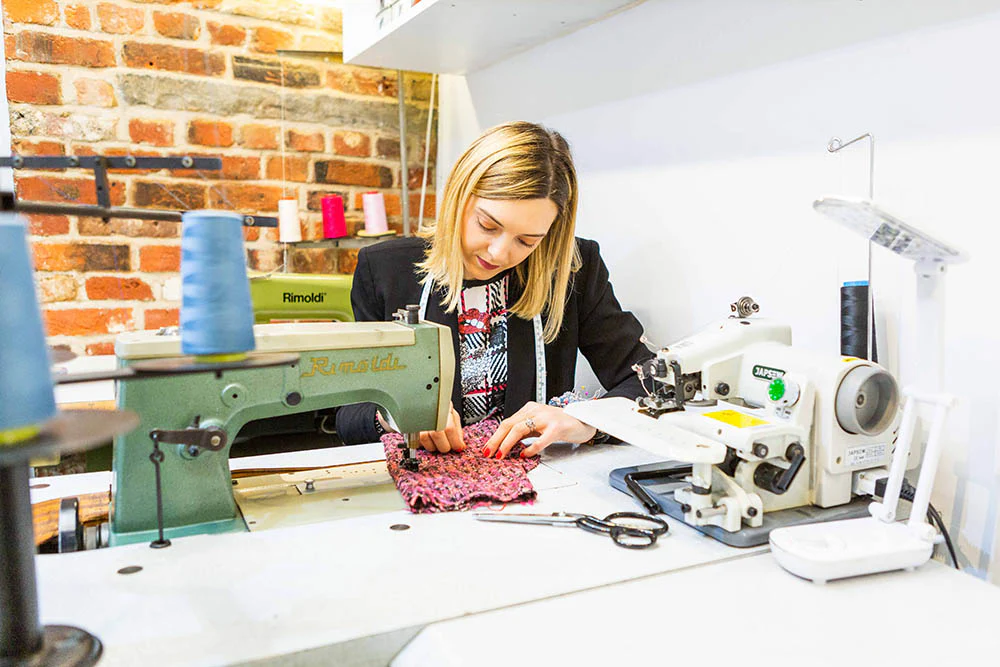
I remember my grandmother telling stories about tailoring before the war. Back then, every respectable lady had her own seamstress, who knew her measurements by heart. It wasn’t anything unusual—that’s just how things were done.
The history of made-to-measure sewing goes much further back than you might think. In the early 19th century, there was no other option. Everything was custom-made, because ready-to-wear simply didn’t exist.
| Year | Event |
|---|---|
| 1806 | The emergence of the famous Savile Row in London – the mecca of men’s tailoring |
| 1858 | Charles Frederick Worth opens the first haute couture fashion house in |
| 1920s–1930s | The flourishing of Polish tailoring – elegant salons in Warsaw and Krakow |
| 1945-1989 | The decline of bespoke tailoring in Poland – socialism favored mass production |
| 1989 | Regaining economic independence – the slow return of luxury tailoring |
| 2010-2015 | The introduction of 3D scanning to luxury fashion houses |
Worth was a true revolutionary—the first designer to sign his creations like an artist signs a painting. Previously, tailors were simply craftsmen. He changed that forever.
Poland had its golden era in the interwar period. Back then, our tailoring was on a world-class level. Unfortunately, communism destroyed everything. Private ateliers were shut down, replaced by drab RSW overalls.
After 1989, everything had to be rebuilt from scratch. The first luxury ateliers opened cautiously. People had to relearn that you could have clothes made just for you. It sounds strange, but that’s how it was.
The whole 3D scanning thing in the 2010s was interesting. I thought it would kill the tradition, but it actually strengthened it. Technology helped, but the tailor’s hands are still the most important.
Now everything looks completely different than it used to, but the principle remains the same—every body is unique and needs its own approach.
How it works step by step
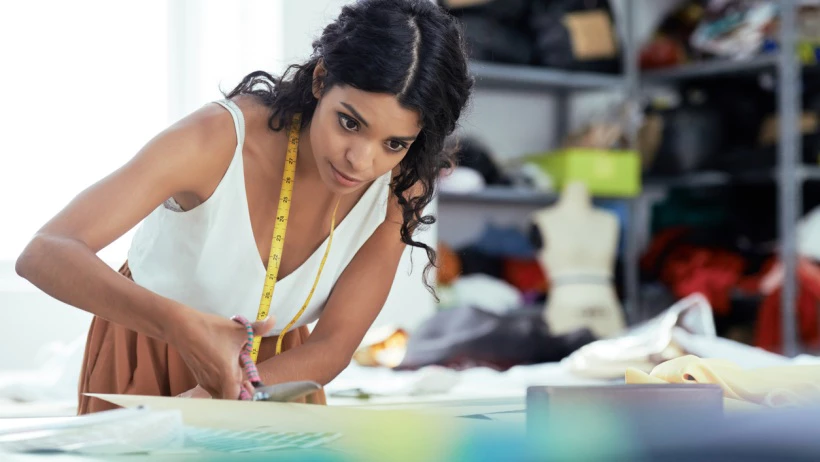
You see, how does this whole bespoke tailoring thing actually work? It’s not nearly as simple as it might seem.
1. Consultation and measurements
First, you come in for a meeting where the tailor talks with you about what you need. These days, they’re increasingly using 3D scanners—these devices are incredibly precise, accurate to within 1 mm. But you know what? Some master tailors still prefer the traditional measuring tape. They say it lets them feel the fabric and the shape of your body.
Comparison of measurement methods:
- Traditional measurements: 30-45 minutes, tailor’s expertise
- 3D scanner: 5-10 minutes, 1 mm accuracy, digital data
2. Choosing Materials
Next, you move on to selecting fabrics. Italian wool ranges from 200 to 500 PLN per meter, sometimes more if you want something truly exceptional. You touch the samples, see how they drape. This takes longer than you’d expect, because there are so many options.
3. Design and Pattern Making
The tailor creates a pattern just for you. Every element is tailored to your measurements and preferences. This isn’t mass production—here, every centimeter counts.
4. Hand Sewing
Now the real work begins. For a bespoke suit, the tailor spends over 50 hours hand sewing. Imagine that—that’s more than a week’s work! Every stitch is made individually, the lining fitted to perfection.
5. Fittings
There are usually 2–3 fittings. The first after the basic construction is done, the second when the suit is nearly finished. Sometimes a third is needed to perfect the details.
6. Finalization
In the end, you receive your finished suit after a few weeks, or sometimes even a few months. It depends on the queue and the complexity of the order.
This whole process is a blend of old-school craftsmanship and new technologies. Every stage requires attention and time. There’s no rushing here—quality comes from precision and patience. And that’s exactly why the result is so unique for everyone who chooses this path.
Why it’s worth it: benefits for you and the planet
Have you ever wondered why a dress you bought for a few hundred zlotys at a popular chain store ends up hanging in your closet after just a month? Or maybe you have that one piece you’ve been wearing for years and still feel amazing in it?
That’s the difference between mass production and custom-made clothing. And it’s not just about the price.
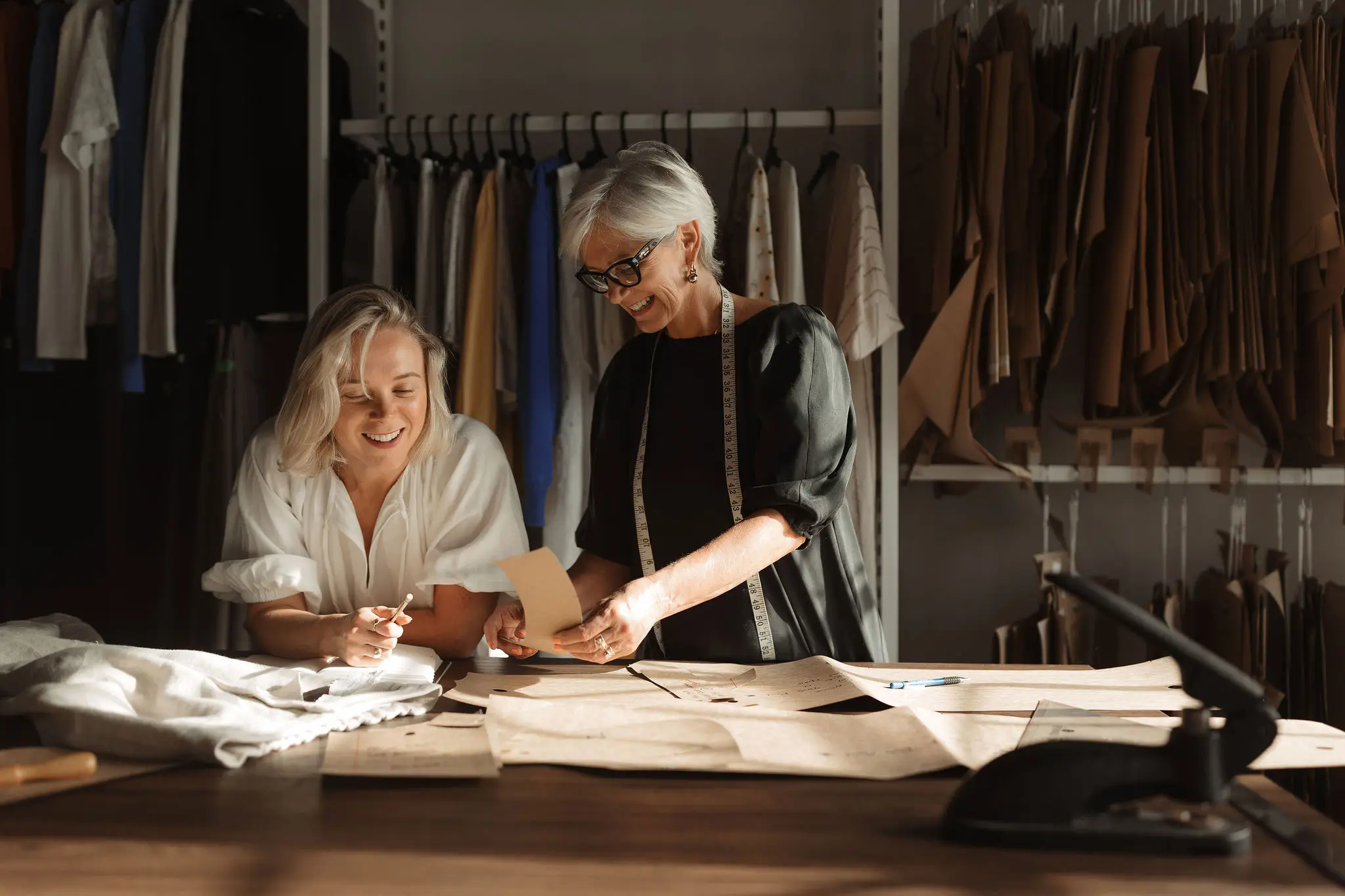
When a tailor takes over 20 body measurements, the difference in fit is incredible. There’s no way the trousers will be too long or the jacket will pull at the shoulders. Every centimeter is carefully considered. It’s simply a level of comfort you can’t get off the rack.
But there’s something more—this dress or coat becomes part of your story. You remember every detail of choosing the fabric, every conversation about the cut. It’s not just another purchase; it’s an investment in yourself.
Now, about the planet. The fashion industry produces 92 million tons of waste every year. Those are staggering numbers. Meanwhile, 70% of luxury brand clients already choose eco-friendly made-to-order products. Why? Because one well-made piece replaces ten bought each season.
| Aspect | Made-to-order | Fast fashion |
|---|---|---|
| Fit | Perfect (20+ measurements) | Standard sizes |
| Durability | 10+ years | 1-2 seasons |
| Waste | Minimal | Mass |
Shall we do the math together? A custom-made dress for 2000 PLN, worn for 8 years, twice a month, comes out to about 10 PLN per wear. Compare that to five dresses at 200 PLN each, which you’ll throw away after one season.
It actually sounds like simple math, but it’s only when you start thinking this way that everything changes. You stop buying, and you start investing.
I’m curious how these numbers work out in practice for specific brands. There are probably other benefits I haven’t even considered yet.
Examples of brands and real market figures
Specific brands reveal what the reality of the made-to-order market looks like — and these numbers might surprise you.
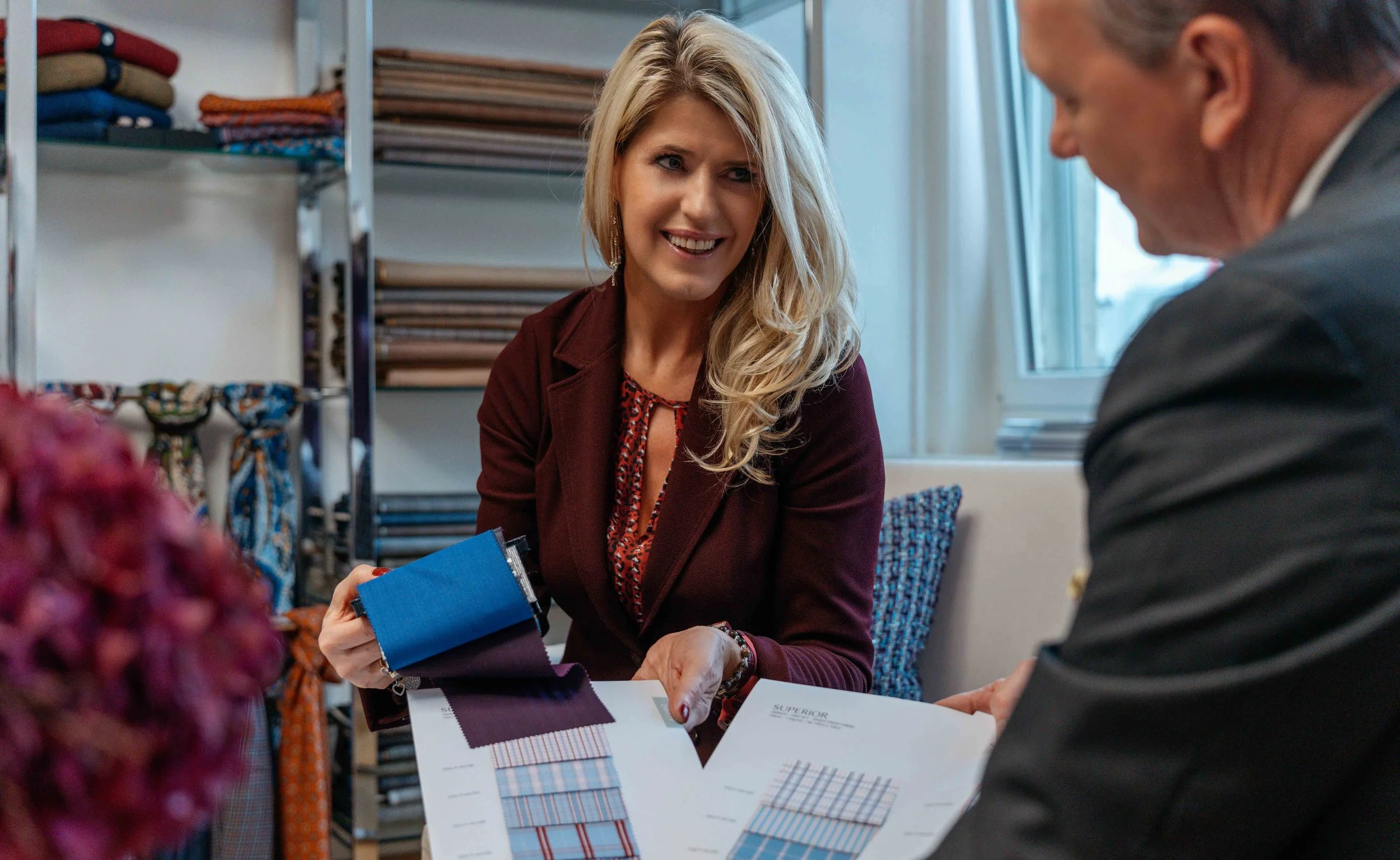
If you’re considering a suit from Savile Row, be prepared to spend between 13,000 and 22,000 PLN. No joke. Even K-pop stars pay these prices for their stage outfits. Huntsman or Anderson & Sheppard are legendary names, but also a serious investment.
In Poland, we have our own gems that won’t break the bank:
- Balagan – personalized sweatshirts and t-shirts from 19 PLN
- Belle – made-to-measure dresses priced between 200-899 PLN
- Both brands prioritize production transparency
Interestingly, I’ve just checked the latest market data and… well, the numbers are impressive.
LUXURY GOODS MARKET POLAND 2024
────────────────────────────────────
Total value: 30-40 bn PLN
MTO in premium segment: 10-15%
MTO growth in Europe: +15%
Forecast to 2030: +20%
Europe is seeing a 15% annual growth in made-to-order, with forecasts predicting another 20% increase by 2030. This is no longer a niche trend reserved for the wealthy.
The MTO segment in Poland accounts for 10-15% of the entire premium clothing market. That might seem small, but with the luxury market valued at 30-40 billion PLN… it quickly adds up to several billion.
What surprised me most is that Polish brands aren’t even trying to compete on price with mass-market retailers. Belle easily charges 500-600 PLN for a dress, and customers are happy to pay. Because they know they’re getting something truly their own.
This growth isn’t happening by accident—people are simply tired of buying the same things as everyone else. And once you choose something made just for you, it’s hard to go back to regular stores.
Your turn to take the first step towards bespoke tailoring
After everything we already know, it’s time to take that first step. I know sometimes you wonder if this is really for you, but the truth is—each of us deserves clothes that truly fit.
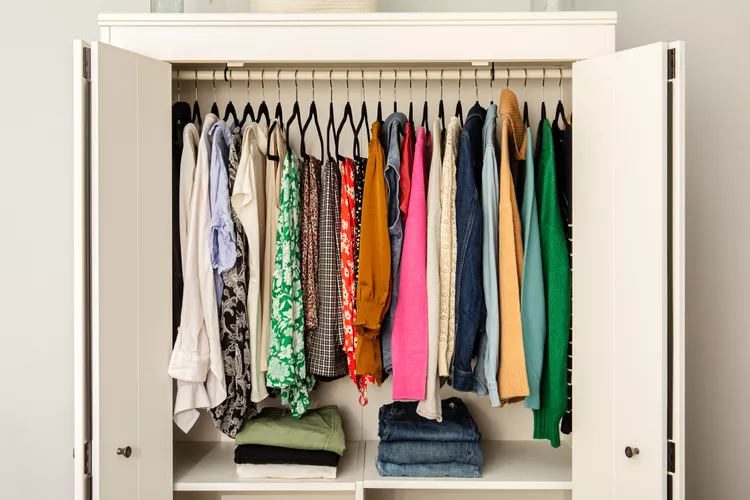
If you’ve decided to give it a try, there are three things you need to do:
- Look for ateliers in your area and read the reviews—not all of them are equally good.
- Plan your budget, as this isn’t an impulse purchase—a quality made-to-measure wardrobe is an investment.
- Book a consultation, even if you’re not sure yet – the conversation is completely free.
Actually, it’s interesting when you think about it. The bespoke tailoring market is set to grow by twenty percent by 2030. That means more and more women are discovering what you might be discovering right now—that you can have clothes that are truly yours. Not mass-produced off the rack, but something created with a specific person in mind.
It’s not just about fashion or status. It’s simply the feeling of wearing something made especially for you. I remember the first client of my friend, a seamstress, who said it was the first time in her life she felt at home in her clothes.
It might sound lofty, but everyone deserves that feeling. Clothes that don’t need alterations, that don’t tug in the wrong places, that just fit perfectly.
Give it a try. Book that first consultation. See if it’s right for you.
“Luxury isn’t what’s expensive—it’s what fits you perfectly.”
Anna
fashion & lifestyle editor
High Class Fashion