
Did you know that the average woman uses mascara for 300 days a year? That’s almost every day throughout her adult life. And yet, most of us buy it almost blindly, guided by price or attractive packaging.
That’s exactly why the 2025 ranking isn’t just another “best products” list. It’s a response to the chaos dominating the beauty market. Today, there are over 2,000 different mascaras available in Poland. Who has the time to test them all?
Mascara ranking 2025
Rankings are created to cut through the noise and highlight what truly matters. Professional tests combined with user reviews form a kind of map—they show where it’s worth stopping. For busy women, it’s not just about saving money, but above all, saving time.
The year 2025 marks a turning point in the world of mascaras. The global market has reached a value of $4.8 billion and is growing at a rate of 5% annually. Social media has transformed the way we evaluate cosmetics — today, it’s not just about the results, but also how the product appears on video.
At the same time, a true technological breakthrough has taken place. Tubing formulas, which were still a niche just two years ago, now account for 15% of the market. “Clean beauty” is no longer a trend—it has become the standard for half of all consumers. And mascara- serum hybrids? That’s no longer the future—it’s the present.
I can see it in myself – I used to buy mascara just because I liked the ad. Now I look for ingredients, check the pH, read about the applicator technology. I’m not alone in this.
This ranking reveals which products are truly worth keeping on your radar in 2025. It’s not about subjective impressions, but hard data—lab tests, durability measurements, and ingredient analyses. Plus, of course, the real-life experiences of women who used these mascaras for weeks, not just hours.
The methodology I used takes all these changes into account. But more on that in a moment.
How do I evaluate mascaras? – methodology and ranking criteria
I know that a mascara ranking sounds like something simple. But once you start testing really systematically, it turns out you have to rethink everything from scratch.
I start by creating a test basket—dividing mascaras into segments: budget, premium, tubing, waterproof, and vegan. My selection sources include e-commerce sales data, editorial tests from the past year, expert recommendations, and social media popularity. Sometimes, I add a product that I just keep seeing everywhere on TikTok.
The most important part is the weighting of the criteria. After years of testing, I’ve established the following proportions: longevity 30%, application and separation 20%, visual effect 25%, ingredients and sensitivity 15%, price and value 10%.
For durability, I conduct a 12-hour test—from morning to evening—documenting the results with photos every 3 hours. I count clumps after application, check for smudging after rubbing my eye, and test how easy it is to remove the makeup. I assess the application by looking at lash separation, evenness of coverage, and whether the brush leaves marks on the eyelid.
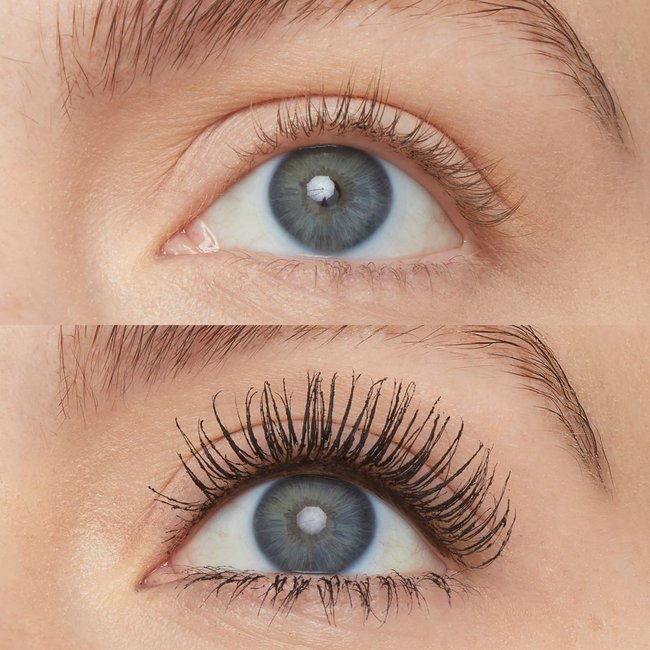
The testing protocol is quite complex, but it must be repeatable. I test on different types of lashes—straight, curled, short, long. I check each mascara under normal conditions and in high humidity. I take photos before and after application to have objective documentation. Wherever possible, I use a blind control—I cover up the names of the brands.
An important thing—data validation. I compare my results with independent rankings from “Wirecutter,” “Byrdie,” and Polish beauty websites. I also check sales data from e-commerce platforms. If my favorite is completely missing from the top spots elsewhere, I start to wonder if I’m making a methodological mistake.
I realize this all sounds very technical. But that’s exactly the point—to ensure the ranking is fair and verifiable. In the next section, I’ll present the specific results of all these tests.
Top Mascaras 2025 – Main Ranking and Special Categories
I’ve tested a lot of mascaras this year and I can honestly say that 2025 is a real game-changer—from budget-friendly hits to luxury formulas that work wonders even on the shortest lashes.
The main ranking is a blend of everything—from timeless classics to fresh releases that surprise with their impact.
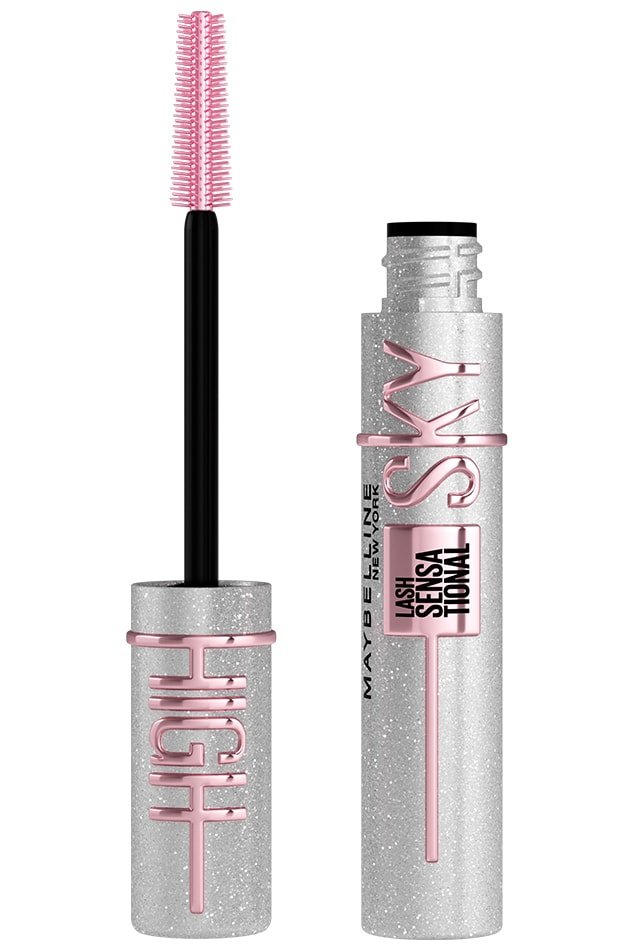
- Maybelline Lash Sensational Sky High – still reigns supreme thanks to bamboo fibers, lengthens without clumping, tubing formula, around 35-40 PLN
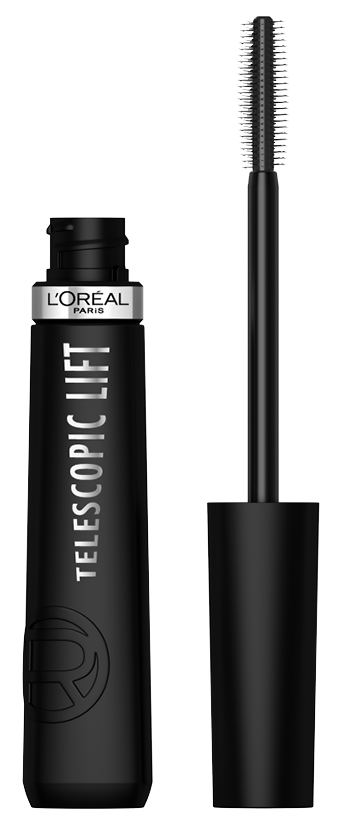
- L’Oréal – ultimate precision, perfectly separated lashes, waterproof formula, 40-45 PLN
- Essence Lash Princess False Lash Effect – a budget phenomenon, salon-like volume, classic formula, 12–15 PLN
- Clinique High Impact – hypoallergenic standard for sensitive eyes, gentle lengthening, premium 120-140 PLN
- Too Faced Better Than Sex – dramatic “red carpet” volume, intense effect, imported 150-180 PLN
- Catrice Glam & Doll – a German surprise, curl and volume, excellent value for money, 20-25 PLN
- Urban Decay Perversion – pitch black, ultra-intense, all-day wear, 140-160 PLN
- Revlon Super Length – classic lengthening without any frills, reliable, around 30-35 PLN
- Benefit Bad Gal Bang – volume with a subtle lift, 36h formula, 130–150 PLN
- Max Factor False Lash Effect – tried and trusted for years, delivers a universal effect, widely available, 25-30 PLN
Special categories are where every lash type can find something perfect. The budget hit of the year is Essence Lash Princess —for less than 15 PLN, it delivers results that other brands charge three times as much for. The Premium “red carpet” choice is definitely Too Faced Better Than Sex, though you’ll need to order it online or hunt for it at Sephora.
My top tubing pick is Maybelline Sky High —these bamboo tubes just work and come off easily with warm water, no fuss. For sensitive eyes, Clinique High Impact is the winner, available at Hebe and online; a 6-month PAO is standard for hypoallergenic formulas.
Precision on lower lashes? L’Oréal Telescopic with its metal brush is a master of separation. For waterproof, it’s Max Factor Waterproof —affordable, effective, and always on the shelf at Rossmann.
Fun fact – Polish drugstore bestsellers are often different from the global Instagram hits. Here, Maybelline, L’Oréal, and Essence reign supreme, while American influencers promote Too Faced or Benefit. Availability makes all the difference.
It’s worth checking the PAO – tubing mascaras often have a shorter shelf life, but they’re easier to remove. Some premium brands like Clinique provide exact expiration dates, which is a plus for those with allergies.
In the next section, we’ll explore the technologies behind these results—from innovative toothbrushes to formulas of the future.
Technologies, formulas, and brushes – what really makes a difference
You know what, I’ve spent a lot of time thinking about why one mascara gives that “wow” effect, while another barely makes your lashes noticeable. It turns out it all comes down to chemistry and brush design.
Ingredients are the foundation—without them, even the best brush won’t do a thing. Beeswax and carnauba wax provide volume, but it’s the polymers that do the real work. They literally coat each lash like a tiny tube. Pigments, mainly iron oxides, determine the intensity of the color. And that phenoxyethanol? It’s a preservative that affects how long the mascara stays on your lashes and how easily it washes off.
When it comes to brushes, design really matters. Curved heads reach the outer corners of the eye more easily. Silicone micro-combs offer precision, but honestly? Sometimes I prefer classic bristles. Small heads are a lifesaver for lower lashes, though you do need some patience during application.
The past few years have brought a lot of changes. Biotin-infused formulas are designed to nourish lashes while you wear them. Clean and vegan mascaras are gaining popularity, especially among people with sensitive eyes. Tubing mascaras are indeed less irritating—this is confirmed by dermatological studies. Sustainable packaging is now the norm, not a luxury.
The three main types of formulas work in completely different ways:
Washable – easy to remove with water, but smudging is an issue on a rainy day
Waterproof – stays put like a charm, but removing it is a nightmare
Tubing – forms tiny tubes around your lashes, comes off with warm water without irritation
Clumps? It’s mostly about the formula and how you apply it. Waterproof mascaras dry faster, so you need to work quickly.
I think that understanding these mechanisms helps us make an informed decision. After all, do we really need a waterproof formula every day if we later struggle with removing our makeup?
Decision and next step – how to turn the ranking into your choice
Actually, all this talk about technology only makes sense if we can translate it into a concrete choice. I remember once buying a mascara for 80 zlotys just because it had a “revolutionary formula”—and then it turned out my short lashes needed something completely different.
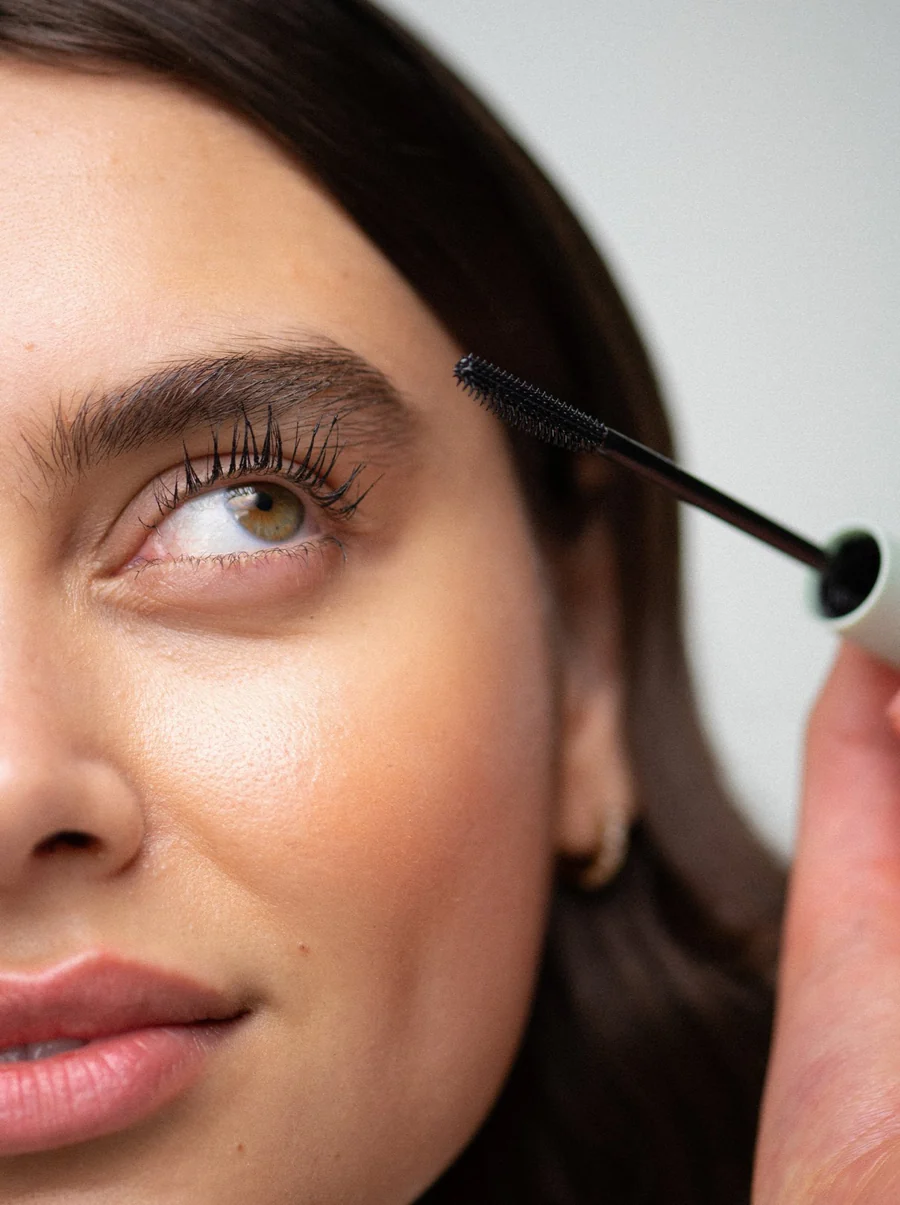
Fit always beats hype. That’s why I’ve developed a five-step testing protocol:
- Define exactly what effect you want to achieve—length, volume, or perhaps separation
- Choose the formula and brush shape to match your lash type
- Three-day test – apply for 12 hours a day under normal conditions
- Check how it comes off during makeup removal (whether it tugs at your lashes)
- Take photos in different lighting conditions and evaluate the results
This decision matrix I’ve created really works in practice. If you have short lashes and you’re heading to the office, a lengthening formula with a thick brush will be perfect. For a wedding, those same lashes will benefit more from a tubing mascara—you won’t have to worry about smudging when the happy tears start to flow.
Straight lashes for everyday use? Go for a curling formula with a curved brush. For the gym, waterproof is better, but keep in mind—it’s harder to remove.
Sparse lashes love volumizing formulas with large fibers. Sensitive eyes are a different story —here, only hypoallergenic formulas matter, preferably tubing ones.
Hygiene is something we tend to overlook far too often. A 6-month PAO is no joke—bacteria multiply quickly. Throw out your mascara if it changes smell, thickens, or starts to crumble. For those with allergies: check the ingredients for parabens, formaldehyde, and certain preservatives.
I wonder what awaits us in 2026. AI personalization has already begun—apps analyze the shape of your eye and suggest perfect products. AR try-ons let you test without opening the packaging. Eco-trends are also gaining momentum.
To stay up to date with the latest rankings, it’s worth following not only beauty bloggers but also dermatological research and new ingredient technologies.
My tip for today? Try two different formulas this week. One waterproof, the other tubing. You’ll notice the difference and find your favorite.
Maja Lybex
editor in the beauty department
High Class Fashion