
Table of contents
- Young People at the Pinnacle of Luxury – The New Face of Premium Fashion
- From “old money” to digital luxury – the evolution of the premium customer
- The premium clothing market today – figures, segments, and geography
- Millennials vs Gen Z – values, motivations, and premium shopping style
- From boutique to metaverse – channels and technologies in premium fashion
- Shadows of Glamour – Controversies and Tensions Surrounding Young Luxury
- How brands can win over Millennials and Gen Z by 2030
According to forecasts by Bain & Company, by 2025 Millennials and Gen Z will account for around 70% of the global luxury goods market. In Poland, the trend is just as evident – the younger generations have taken the lead in premium clothing purchases. Interestingly, this is happening at a pace that most brands did not anticipate.
Young at the pinnacle of luxury – the new face of premium fashion
When we talk about premium clothing, we mean the segment between mass fashion and haute couture:
- Luxury ready-to-wear brands (Gucci, Balenciaga, Off-White)
- Premium athleisure (Lululemon, Arc’teryx)
- Sustainable luxury (Stella McCartney, Reformation)
- High-end streetwear (Supreme, A Bathing Ape)
The global market is now worth over $300 billion, and the share of consumers under the age of 40 is steadily increasing. In Poland, the premium category in e-commerce has recorded annual growth of 20-25% in recent years—mainly thanks to buyers born after 1980.
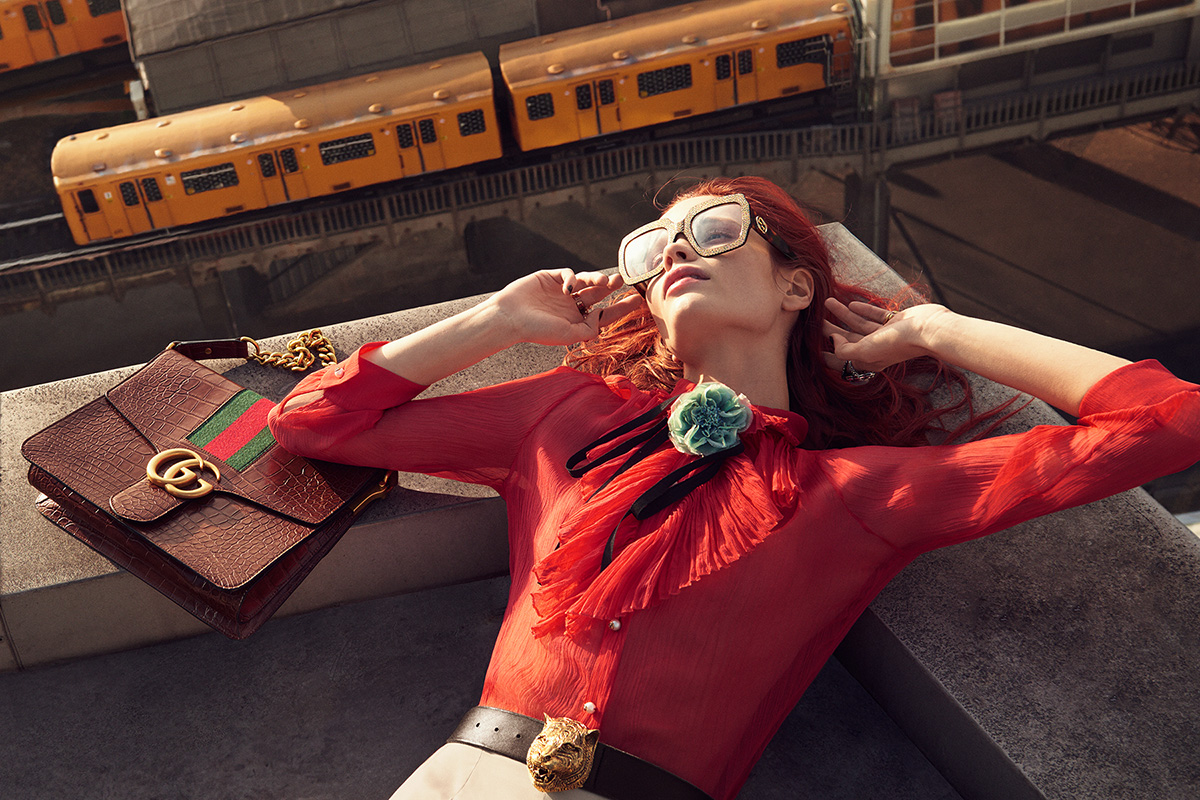
Why are young people in luxury being talked about right now
Because they simply changed the rules of the game. Millennials and Gen Z approach luxury differently than the generations before them — they don’t buy for status, they buy for value. For expression. For alignment with their worldview.
In the following section, you’ll see how this revolution happened — from Boomers to digital natives. We’ll also look at specific market data and… exactly, this is where Millennials differ from Gen Z in their approach to luxury. Brands that understand this have a chance. The rest? Well, the market is unforgiving.
From “old money” to digital luxury – the evolution of the premium client
Once, a luxury watch and a handbag from an iconic fashion house were enough to prove your status. Today, the young premium customer enters the store with a phone in hand, checks influencer reviews, and asks whether the brand supports sustainability. Between “old money” and digital luxury lies nearly a quarter of a century of change — and it’s happened incredibly fast.
2000-2010: luxury reserved for older generations
At the beginning of the 21st century, the premium market belonged to Baby Boomers and Gen X. They were the ones wearing Rolexes, buying Chanel, and defining luxury as ostentation, heritage, and class. Millennials? Barely 15-18% of this market. They didn’t have the money, and the industry did little to attract them. Luxury was something you earned with age — not before.
2010-2026: social media, the pandemic, and the metaverse are changing the rules of the game
The decade 2010-2020 brought a revolution. The 2008 crisis led brands to discover “affordable luxury” (Michael Kors, Coach), and Instagram (launched in 2010) gave Millennials a tool to showcase luxury in their own way. Influencers replaced magazine editors. In 2020, the COVID-19 pandemic pushed luxury online—premium e-commerce sales jumped by 50% year over year. Gen Z entered the job market and… immediately into the metaverse: Gucci on Roblox (2022), NFTs from Balenciaga. Poland? It moved from the margins to the top 15 premium markets in Central Europe.
Today, young people don’t ask “how much does it cost,” but “what does it represent.” Luxury is no longer inherited—it has become a choice, a value, a digital experience.
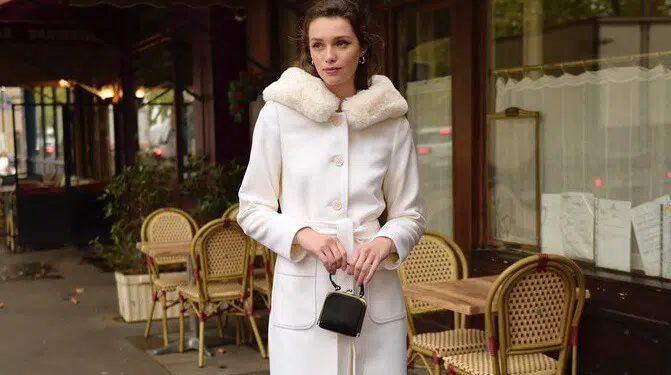
The premium clothing market today – figures, segments, and geography
It’s hard to talk about the dominance of Millennials and Gen Z in premium fashion without hard numbers. So let’s take a look at the actual data—because the scale of change is impressive.
Global figures: how big is the premium fashion market today
The global premium apparel market reached a value of around USD 98 billion in 2025 and is growing at a rate of 6.2% annually — forecasts for 2028 indicate it will surpass USD 115 billion. Interestingly, 42% of this growth is generated by Millennials and Gen Z, while older generations are increasing their spending by only 1.8% per year. Reports from Bain & Company indicate that younger consumers already account for 64% of global luxury apparel spending, which in absolute numbers amounts to about USD 63 billion in 2025.
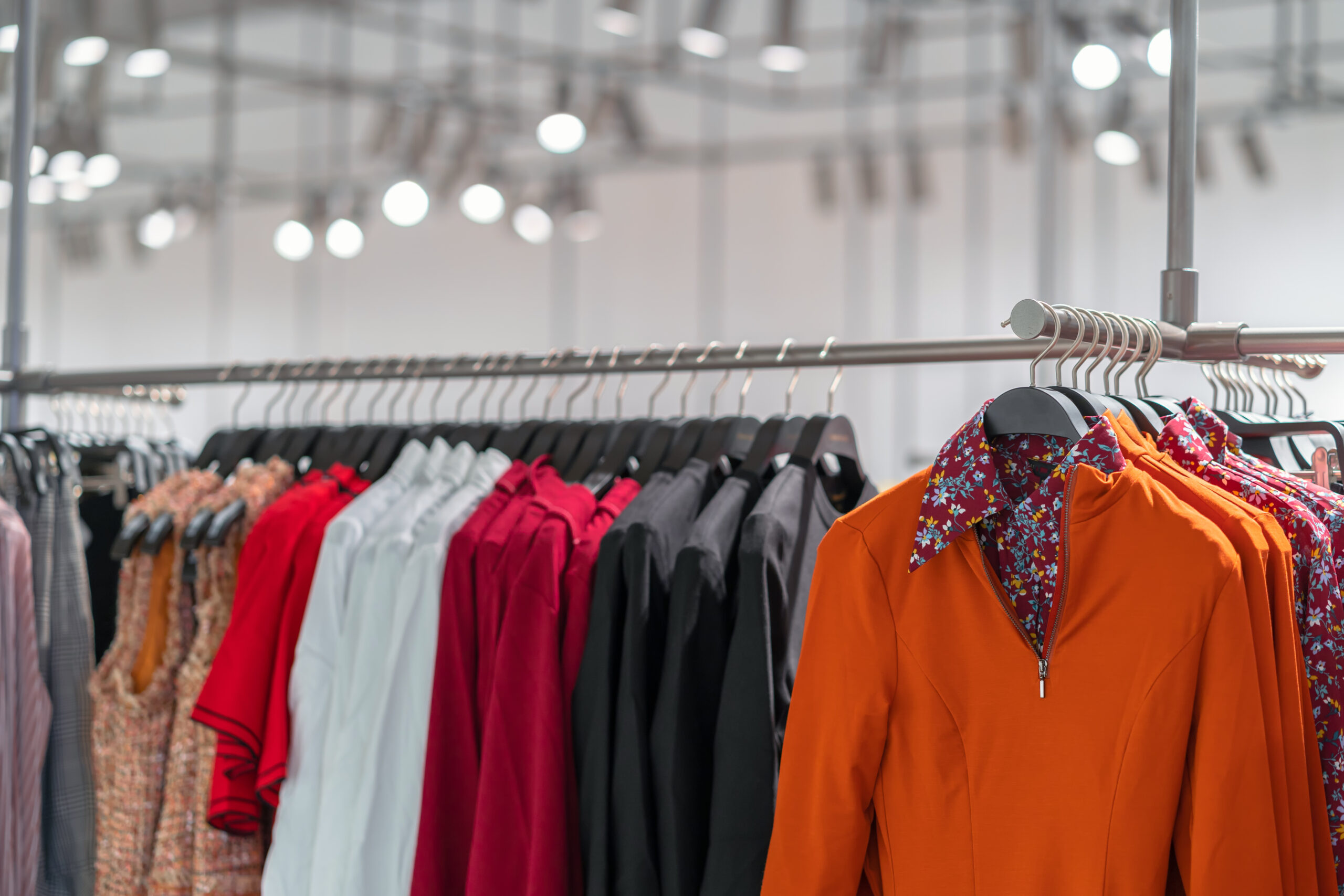
Segments and regions where young people dominate the most
Premium athleisure (tennis-chic, haute joggers) is growing at 9.1% annually—faster than classic luxury. Sustainable luxury records 11.3%, while smart clothing sees 8.4%. McKinsey adds that in the US and Western Europe, young people make up 58% of premium customers, around 48% in Poland, and as much as 71% in Asia.
| Region | Market value (USD billion) | Millennials + Gen Z share | E-commerce share |
|---|---|---|---|
| USA + EU | 41.2 | 58% | 38% |
| Poland | 1.8 | 48% | 29% |
| Asia | 48.6 | 71% | 52% |
So: young people not only buy more—they buy differently, through different channels and in different categories. Why is that? Let’s move on to the motivations.
Millennials vs Gen Z – values, motivations, and premium shopping style
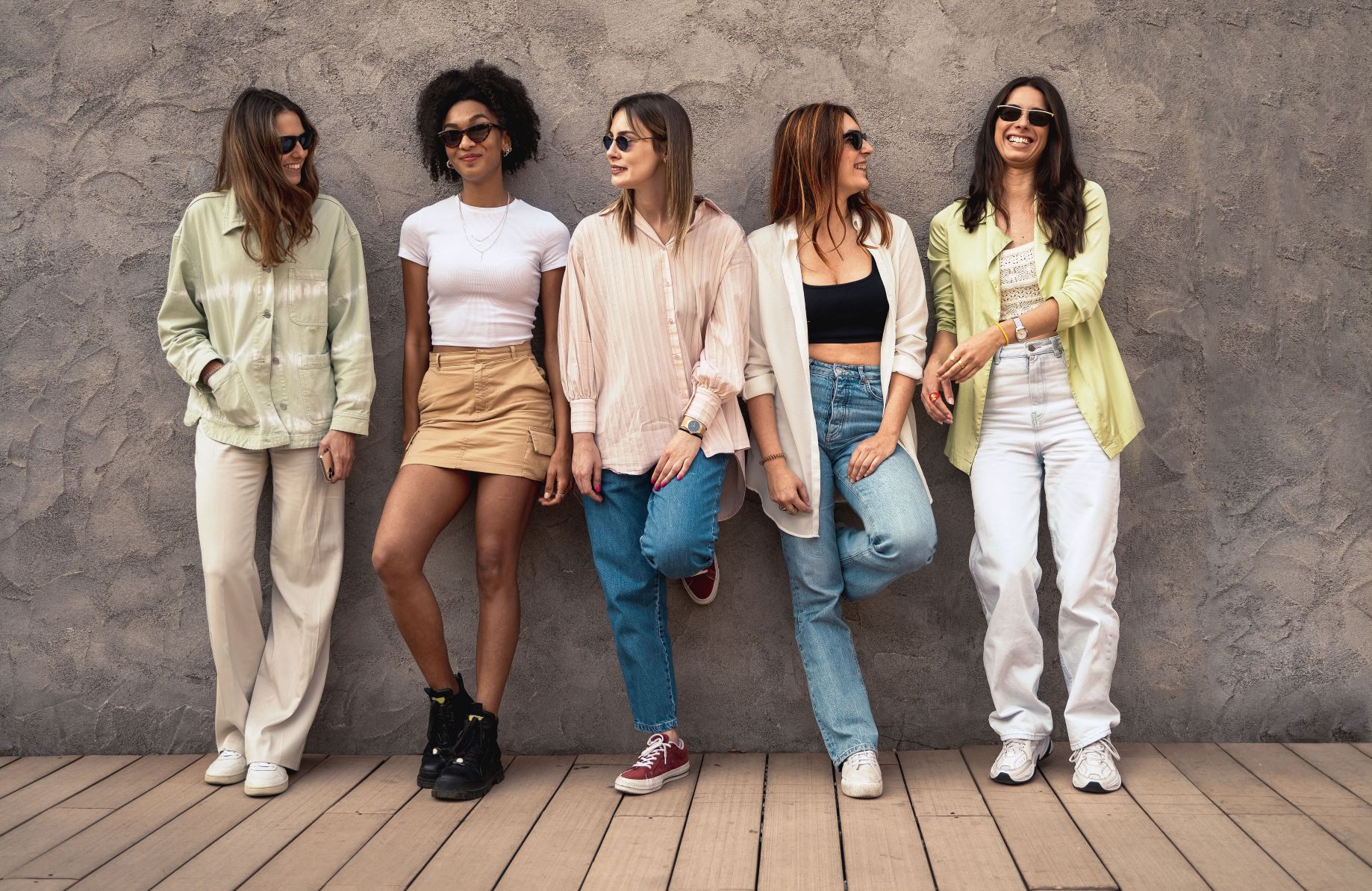
The same premium brands, the same handbags and sneakers – but completely different reasons why Millennials and Gen Z reach for them. The difference is not just cosmetic. These are two purchasing philosophies that brands must navigate simultaneously, sometimes even in direct opposition.
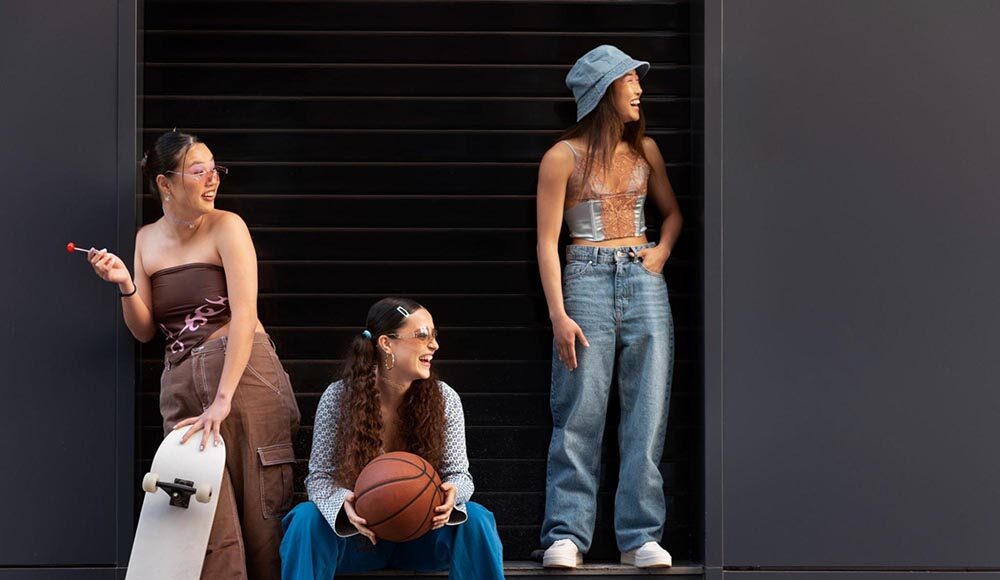
What Millennials Look for in Premium Fashion
Millennials – today, people with stable incomes, often parents – purchase premium products consciously and with loyalty. Their purchase motivators are:
- Brand history and authenticity – Lululemon, COS, Everlane are not random choices, but conscious declarations of values
- Personalization and convenience – they are willing to pay for tailor-made services, custom fit, subscription access
- Hybrid categories – premium athleisure is their everyday norm
- Long-term value – they’re not looking for a seasonal trend, but for an investment
Greater purchasing power than Gen Z allows them to experiment with niche and more expensive brands, but in return, they expect real quality and service.
Gen Z: the generation of sustainable and resellable luxury
Gen Z – digital natives with a sharpened BS detector – approach premium differently. Around 70% avoid fast fashion and choose sustainable options, even if they are more expensive. For them:
- Transparency is a prerequisite for purchase – if a brand is not open about its supply chain, it’s out
- Resale is the norm, no shame – Vinted, Depop, Vestiaire Collective are their natural premium channels (over 40% regularly buy pre-owned luxury items)
- Authenticity > polished image – they prefer microbrands with a real mission over a global logo without a soul
- Digital personalization – they expect the brand to “know” what they like before they click
Paradox? Despite burnout and financial pressure, Gen Z in Poland spends proportionally more of their income on premium fashion than previous generations—because it’s part of their identity, not a luxury.
Understanding these differences is now essential for designing an offer. You can’t sell “premium” with a single message to two generations who buy from opposite sides of the value spectrum.
From boutique to metaverse – channels and technologies in premium fashion
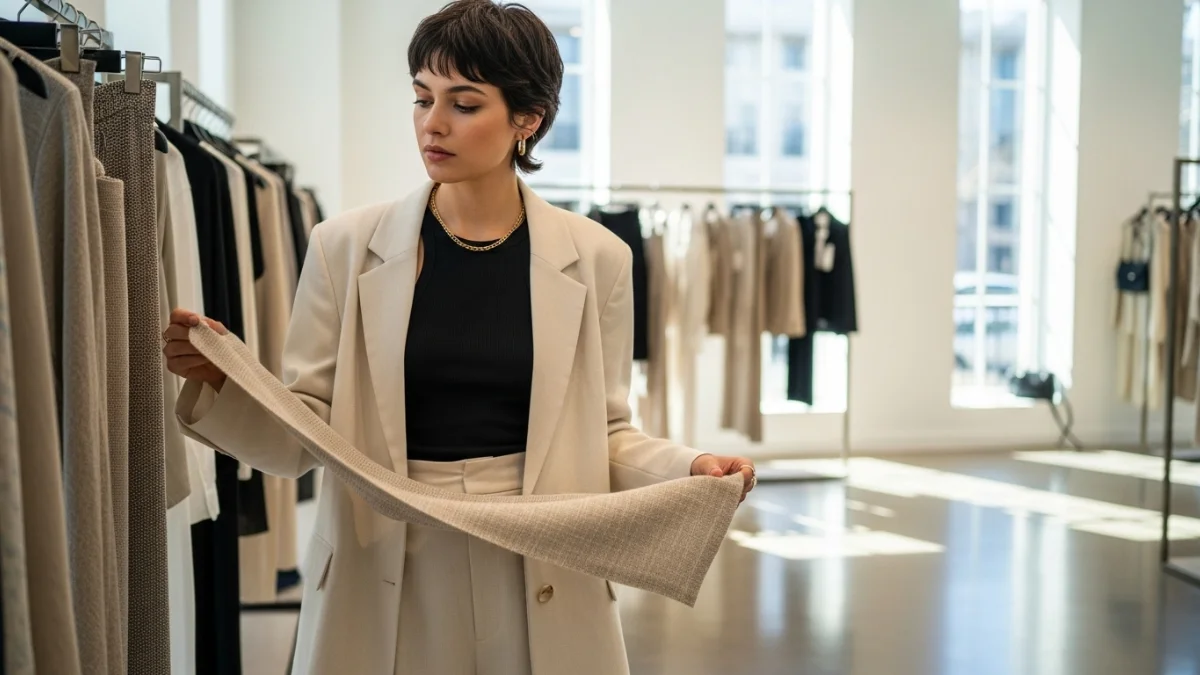
The first “boutiques” for most young luxury customers today are screens – Instagram, TikTok, apps. That’s where the shopping journey begins, where desire is born, and where “buy now” is increasingly clicked. It’s no longer just about what you buy, but where and how you do it.
E-commerce, social media, and resale: where young people buy premium
Premium online shopping now accounts for over 25% of the entire market, and for Gen Z, this share jumps to nearly 40%. Millennials still enjoy visiting boutiques—for the experience, the touch, the prestige. Gen Z? They prefer to click a link in an influencer’s bio or buy a limited edition through a drop on an app. Social media has effectively become the new showroom: Supreme x Louis Vuitton campaigns or Balenciaga viral moments can boost store traffic by 300% over a weekend. Resale platforms—Vinted, Depop, Vestiaire Collective—are no longer just “second hand,” but a premium ecosystem with its own value code: vintage YSL from the ’90s can carry more status than a new bag from a high street chain.
Technology and the metaverse as new fitting rooms for luxury
AR try-on in apps (Gucci, Dior), RFID in the label confirming authenticity, smart clothing tracking… And of course, the metaverse. Gucci Garden in Roblox was visited by over 20 million users—some of whom bought digital skins more expensive than their physical counterparts. For Gen Z, the line between “real” and virtual premium doesn’t exist. What matters are emotions, status, and experience—regardless of whether they carry a bag on the street or in a game.
The sales channel has become part of the product. And brands know it.
Shadows of glamour – controversies and tensions surrounding young luxury
The rise of young luxury sounds like a success, but behind the glitter lie some uncomfortable questions. Mass “premium” production, ecological paradoxes, and social tensions—all of this is stirring increasingly loud controversy.
Is mass luxury still luxury?
When Gucci produces millions of bags each year, is it still exclusivity? Critics of the “premium for the masses” phenomenon are blunt: luxury brands have lost their soul. Social media is full of comments like “now everyone has that bag” or “I’ve already seen three people with the same one.” Millennials and Gen Z want luxury, but their demand forces a production scale that destroys what luxury was supposed to be—rarity. Older generations of collectors look at this with reluctance, and some younger consumers are starting to seek out smaller, niche brands that still have “authenticity.”
Ecology vs. the reality of consumption
Gen Z declares high environmental sensitivity – boycotting fast fashion, preferring sustainable premium. The problem? Part of this same group buys replicas because originals are too expensive, or simply consumes more than they claim. The paradox is clear:
- On one hand – the popular #slowfashion and #circulareconomy
- On the other hand – the growing pressure of “I must have it now”
- Plus of inequality: only a few Gen Z have real premium purchasing power
The rest experience status pressure without the means to meet expectations. And the older, wealthier generations look at the young with a mix of pity and superiority (“a lazy generation that wants everything instantly”). Generational tensions in public discourse are growing — and brands need to take this into account.
How brands can win over Millennials and Gen Z by 2030
What today seems like a youthful whim will, in five years, become the standard across the entire premium market. Millennials and Gen Z not only set trends—they are redefining the very foundations of what luxury means. And brands that fail to understand this will simply disappear.
Trends 2026-2030: where will Gen Z take premium fashion
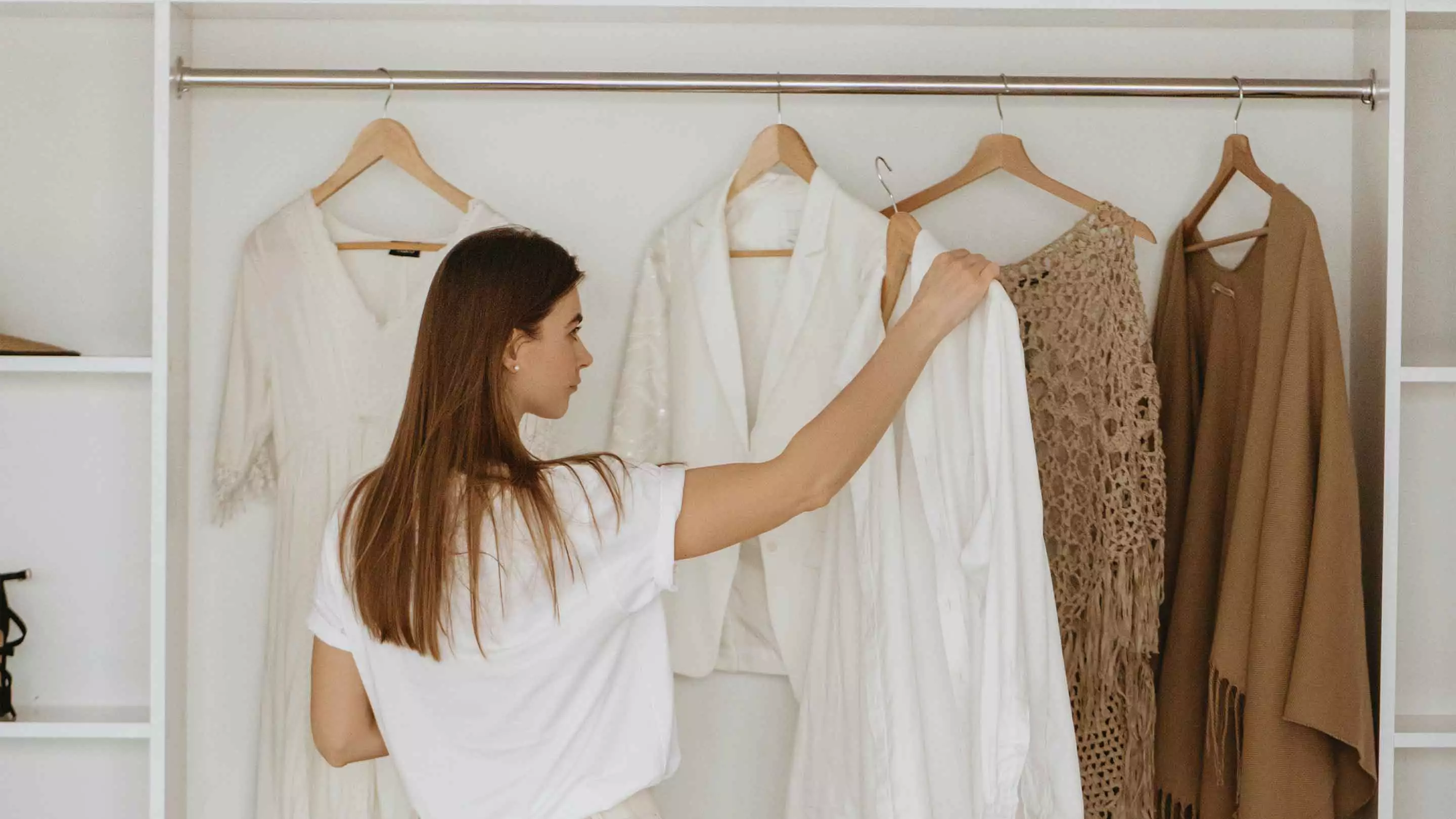
Forecasts are clear: by 2030, Gen Z will account for 40% of global spending on premium clothing. It won’t be the same market as today. Quiet luxury—the “stealth wealth” aesthetic without logos—will disrupt the system built on flashy branding. Athleisure 2.0 will blend comfort with elegance (yes, leggings under a blazer aren’t the end of the world). AI will personalize shopping to the limit—from virtual fitting rooms to predicting our needs even before we buy. Bio-fabrics and lab-grown materials will replace leather and wool. And the metaverse? There’s going to be a lot happening there—virtual collections, NFT accessories, digital shows.
Five pillars of strategy for brands that want to win young luxury
If a company wants to survive, it must operate on several fronts at once:
- Sustainability without the nonsense – transparency from the supply chain to the carbon footprint. Young people are checking the facts.
- Integration of resale and circular economy – proprietary second-hand programs, repairs, recycling.
- Personalization with AI – it’s not about spam emails, but about intelligent recommendations and tailor-made experiences.
- Experiences, not just products – events, community, collaboration with creators. The product alone is not enough.
In Poland, the challenge is twofold: e-commerce in the premium segment is growing the fastest in the region, but the wealth gap between the young and the elderly is widening. That is why local brands that combine Polish aesthetics with a global approach to ESG can gain an advantage.
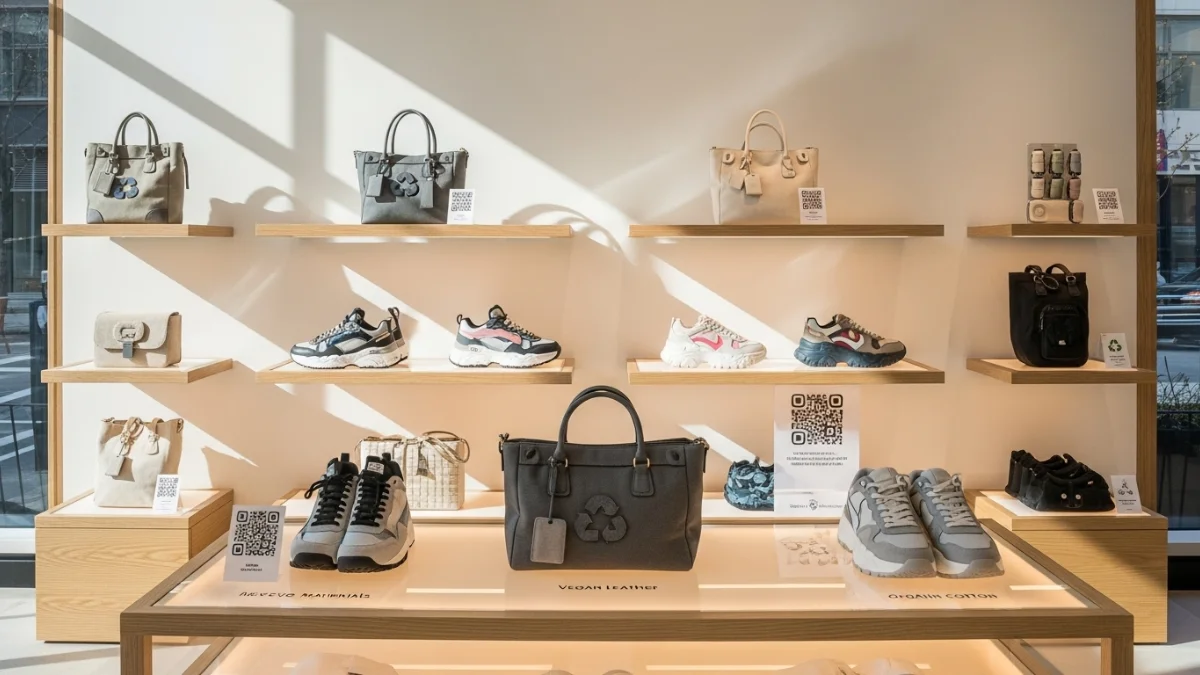
The “new luxury” in 2030 won’t be a collection – it will be an ecosystem of values, technology, and community. Whoever starts building it today will win tomorrow.
Yoko ULL
High Class Fashion editorial team