
Have you noticed that suddenly women in long, masculine-cut black coats are everywhere? It’s no coincidence. Whether on the streets of Warsaw, Krakow, or even in small towns—this look is making a powerful comeback.
The fashion industry is worth nearly 2 trillion dollars annually, and outerwear is one of its fastest-growing segments. What’s especially interesting is that in 2025, we’re witnessing a real boom for garçonne-style coats. It’s no longer just about fashion—it’s something deeper.
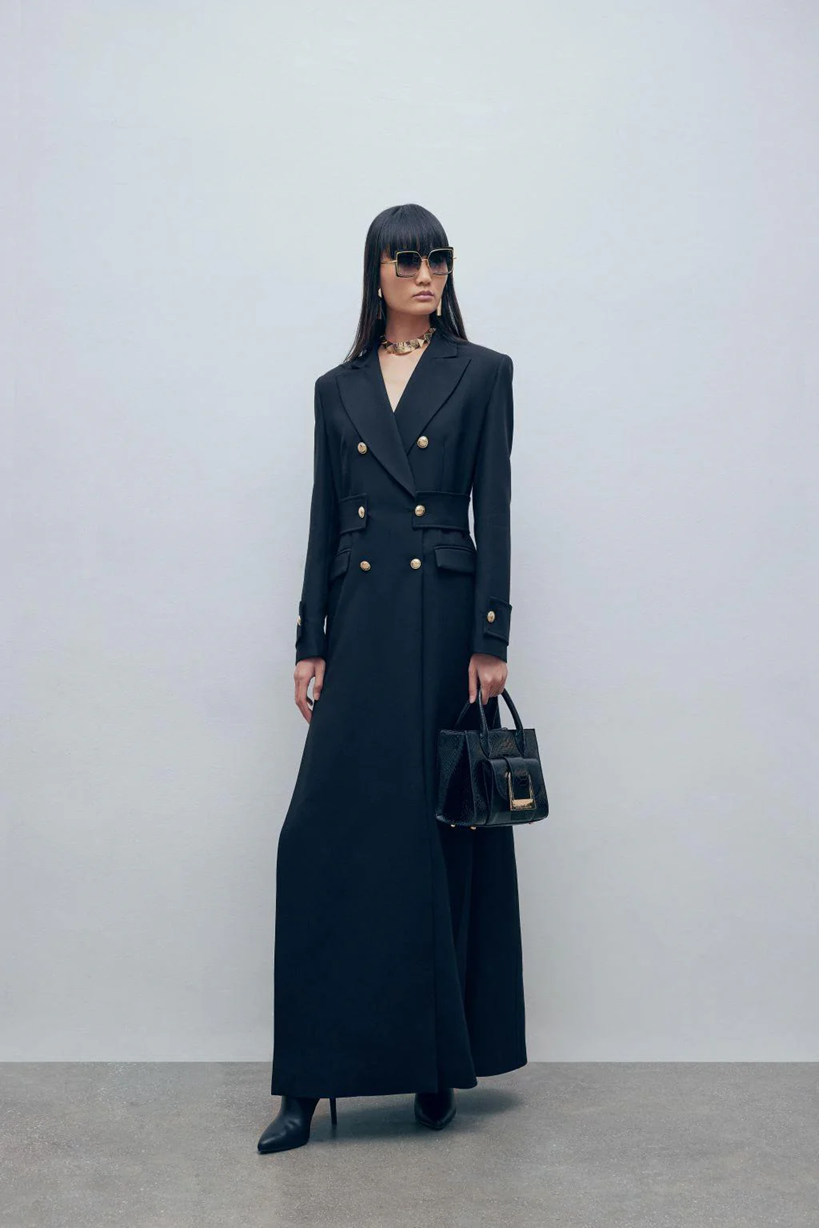
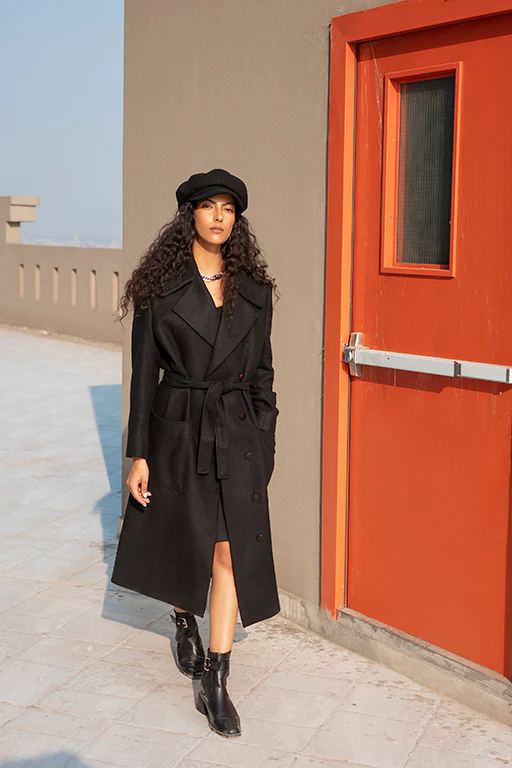
Monique Garconne black long coat – why is this coat once again electrifying the fashion world?
X is full of posts like “a long black coat is the only thing I need in my wardrobe” or “garçonne coat = instant elegance.” One user wrote: “My grandfather wore a similar coat in the ’60s. Now I wear the same cut and feel like a million bucks.” These comments aren’t just a passing fad—they reflect something that truly resonates with our current needs.
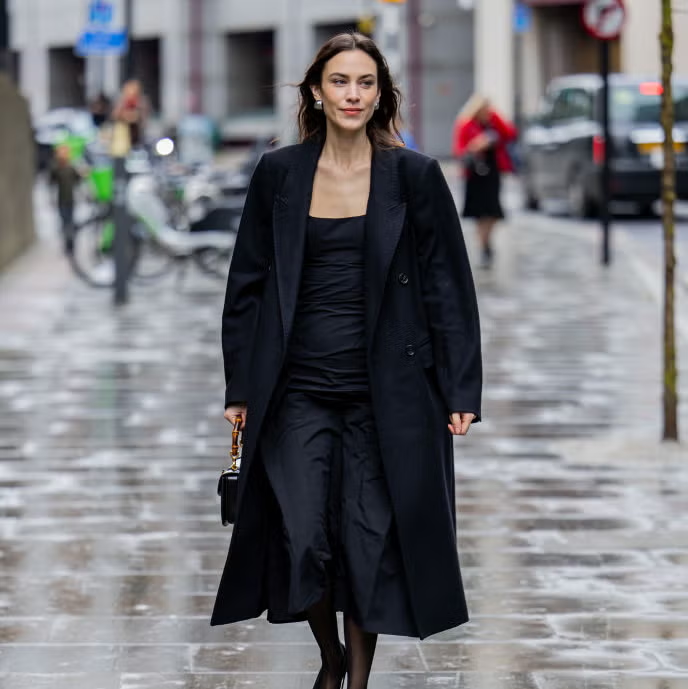
It’s truly fascinating how the la garçonne aesthetic resonates with today’s conversations about gender fluidity and sustainable fashion. Young women are looking for clothes that don’t box them into rigid categories. They want to look professional, but also feel comfortable. And one more thing—they’re buying pieces they’ll wear for years, not just for a season.
Monique Garçonne black long coat has become a symbol of this shift. It’s not just a coat—it’s a statement. A statement that we can be feminine and strong at the same time. That elegance doesn’t have to mean discomfort.
It turns out that fashion has its cycles, but some things return not because someone in Paris or Milan decided so. They come back because they answer real needs of real people. And that’s exactly why it’s worth taking a closer look at this story—from its very beginnings to today’s interpretations.
From la garçonne to Monique: timeline and cultural meanings
It’s hard to believe that a single coat can tell so much about our history. But that’s exactly why it’s worth tracing this fascinating journey through time.
1770 – The first mentions of androgynous coats appear in French salons. Women begin wearing masculine cuts, but this is just the beginning.
1922 – Victor Margueritte publishes “La Garçonne” and everything changes. The novel causes a scandal, but the main character in a black coat becomes a symbol of female independence. Suddenly, every French woman wants to look like Monique. It was a true breakthrough.
1957 – Sybil Connolly presents her famous lace coat in Dublin. The Irish press goes wild for it. Traditional lace from County Cork in a modern, masculine cut? This was something completely new. Connolly proved that heritage and revolution can go hand in hand.
1994 – Mary J. Blige in Moncler on the cover of “Vogue.” Back then, that coat cost around $800; today, a similar model is $2,500. Blige showed us that street luxury can be elegant. Streetwear suddenly became high fashion.
I remember looking at those photos as a teenager. I thought—wow, that’s how I want to look in a few years.
2002 – Tilda Swinton in “Orlando” on the red carpet. That moment cemented the coat as a symbol of gender fluidity in pop culture.
2024 – Jon Batiste at the Met Gala paying homage to 18th-century brocade. His stylist combined historical patterns with modern elegance. It was a tribute to Black excellence and a nod to the roots of this style.
Each of these moments added a new layer of meaning. From the French social revolution, through Irish craftsmanship, hip-hop aesthetics, to today’s conversations about identity.
Interestingly, the cut itself has remained fairly consistent over the years. It’s the fabric details and the way it’s worn that made the difference—but more on that in a moment.
Construction and materials: what lies beneath the long black coat
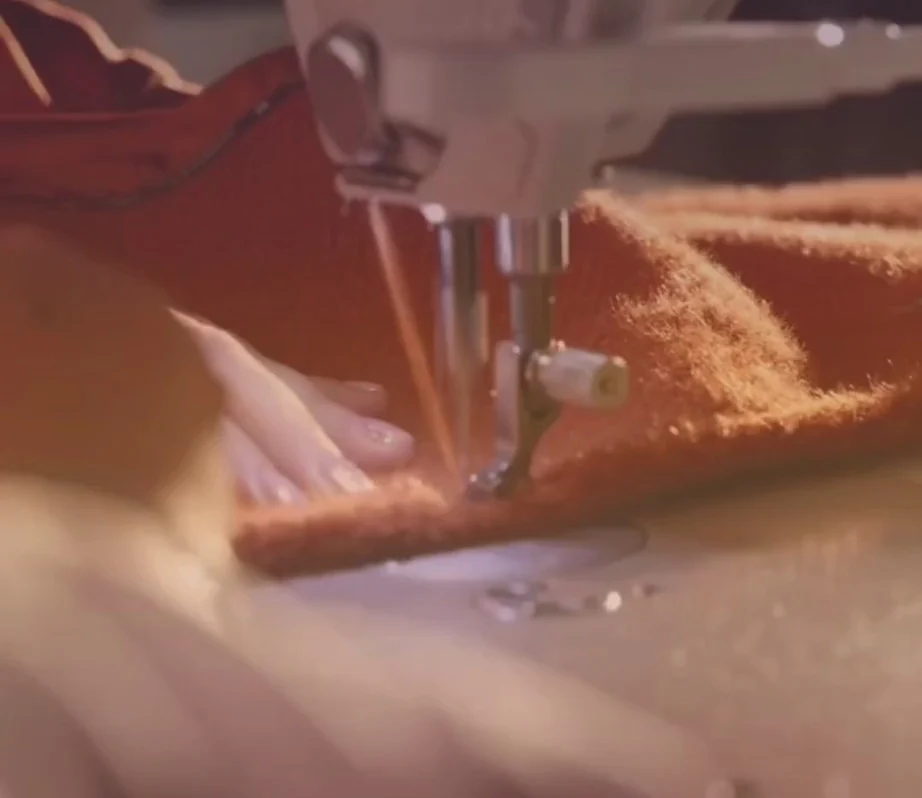
In a small atelier on Złota Street, I watched as the seamstress laid a paper pattern onto dark fabric. Every cut had to be flawless—there’s no room for mistakes when making a coat worth three thousand zlotys. That’s when I realized that a good coat is not just about design, but above all about precise engineering.
The choice of material is fundamental. Worsted wool still reigns supreme in haute couture—its dense weaves ensure durability and an elegant drape. Historic fabrics like 18th-century Spitalfields brocade show us how important fiber quality was even back then. Today, we also have modern alternatives.
| Material | Advantages | Disadvantages |
|---|---|---|
| Combed wool | Durability, natural draping | Dry clean only |
| Historical brocade | Unique texture, prestige | Fragility, high price |
| Technical fabrics | Water resistance, easy maintenance | Less natural appearance |
The garçonne cut requires a special technique. The shoulders must fit perfectly, but not too tightly—every millimeter counts here. The elongated silhouette is achieved through precise placement of the side seams. Some designers opt for a bias cut inspired by Vionnet, though it’s risky—the fabric drapes differently and may lose its shape.
The inside of the coat is a story of its own history. The lining is not just about comfort, but also construction. A good lining made of cupro or silk allows the coat to “breathe” and prevents static electricity.
Hidden pockets—this is where tailors show true craftsmanship. An inner pocket for your phone, a small one for keys, sometimes even a special spot for documents. All invisible from the outside, yet highly functional.
Down filling is a modern touch. Moncler brought this into the world of luxury, but in a classic coat, down must remain discreet. A thin layer in the collar or sleeves—only where it’s truly needed.
The ironing temperature for wool is usually around 160.5°C. Too hot and the fabric will shine, too cold and the seams won’t set properly. The weight of good coat wool is at least 320.0 g/m².
All these details come together to create a coat that lasts for years. Proper construction ensures it keeps its shape even after seasons of wear.
Styling and practice: how to incorporate it into your own wardrobe
Imagine a morning when you’re standing in front of your closet, debating over that coat. The long, black garçonne hangs there like a promise—but how do you actually wear it? That’s the question I hear from my friends all the time. Honestly, I spent a long time searching for the answer myself.
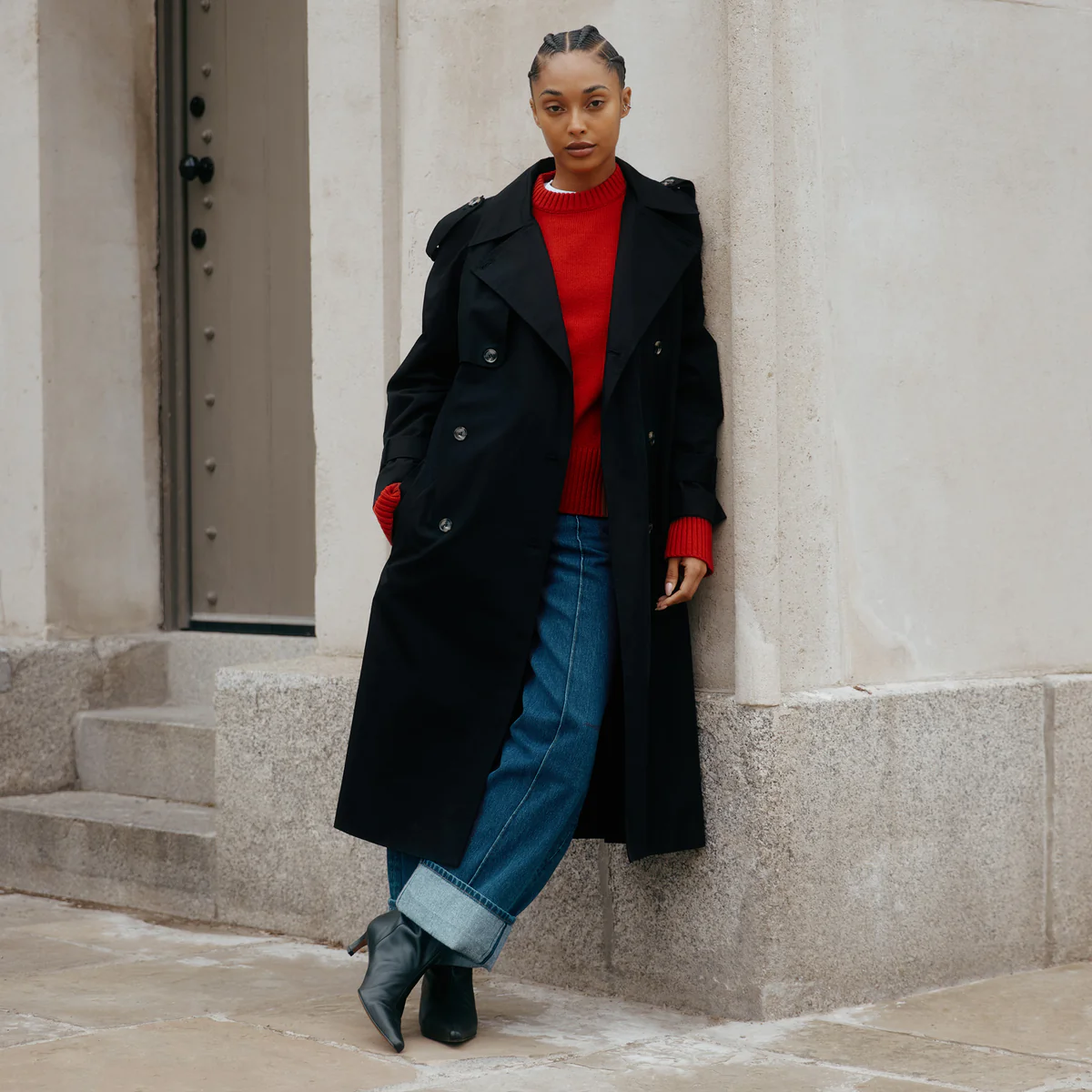
The business scenario is probably the easiest way to start. Underneath, a classic white shirt and straight-cut grey trousers. Shoes — black Oxfords or low heels if you want a more feminine touch. A structured handbag, preferably in a cognac shade. The coat takes the place of a blazer and does all the work. Elegant, but not over the top.
The weekend calls for a different approach. Dark jeans, a turtleneck in cream or grey. Here, you can go for sneakers — classic white or something with a premium label. Suddenly, the coat feels less formal. Let me just add that a crossbody bag works better than anything else. The whole look feels effortless, and that’s exactly the point.
An evening out is a whole different story. A midi dress, preferably in bottle green or burgundy. Heels, of course. Jewelry can be bolder — long earrings, maybe a necklace with an interesting shape. The coat adds drama without overwhelming the outfit. Swap your bag for a clutch.
I recently read on X: “Black long coats are ‘timeless’ and ‘elegant'” — and honestly, it’s true. People notice, they comment. A coat like this makes a statement without saying a word.
But to keep that deep black, you need to take care of it. Steaming is essential — once a month, gently. A wool brush removes lint, but always brush in one direction. Use a hanger with wide shoulders to keep the coat’s shape. Dry clean no more than twice a season.
Sometimes I think it’s not us wearing the coats, but the coats wearing us. This particular model has something about it that just makes you feel different. More confident. It might sound strange, but that’s exactly how it is.
A Step Forward: The Future of the Long Coat in the Era of Sustainable Fashion
Have you ever wondered why long coats have suddenly become a symbol of a modern approach to fashion? It’s no coincidence. Megatrends in the clothing industry point to a radical shift—from fast fashion to investing in pieces we’ll wear for years.
McKinsey’s forecasts for 2026 are truly fascinating. Analysts predict that outerwear will become the leader in eco-innovation. Why coats in particular? The answer lies in their nature—they’re pieces we buy less frequently, but expect more from. Circular fabrics, made from reclaimed fibers or designed for repeated recycling, will become the norm rather than the exception.
AI personalization is completely transforming how we think about fit. Some brands are already testing systems that analyze your silhouette from a few photos and suggest the perfect fit. It’s not just about size—these algorithms consider proportions, movement, even your preferences for how loose or fitted you like your clothes. Sounds like science fiction? Yet some of us can already take advantage of these solutions.
In fact, this is no longer just a trend. It’s a new way of thinking about the things we wear every day.
Loren
style editor
High Class Fashion