
Over 1 billion views a year—that’s how many debuts at Paris Fashion Week generate today. Hard to believe, isn’t it? Yet this number perfectly illustrates just how much the perception of young brands’ first steps on the world’s most prestigious runways has changed.
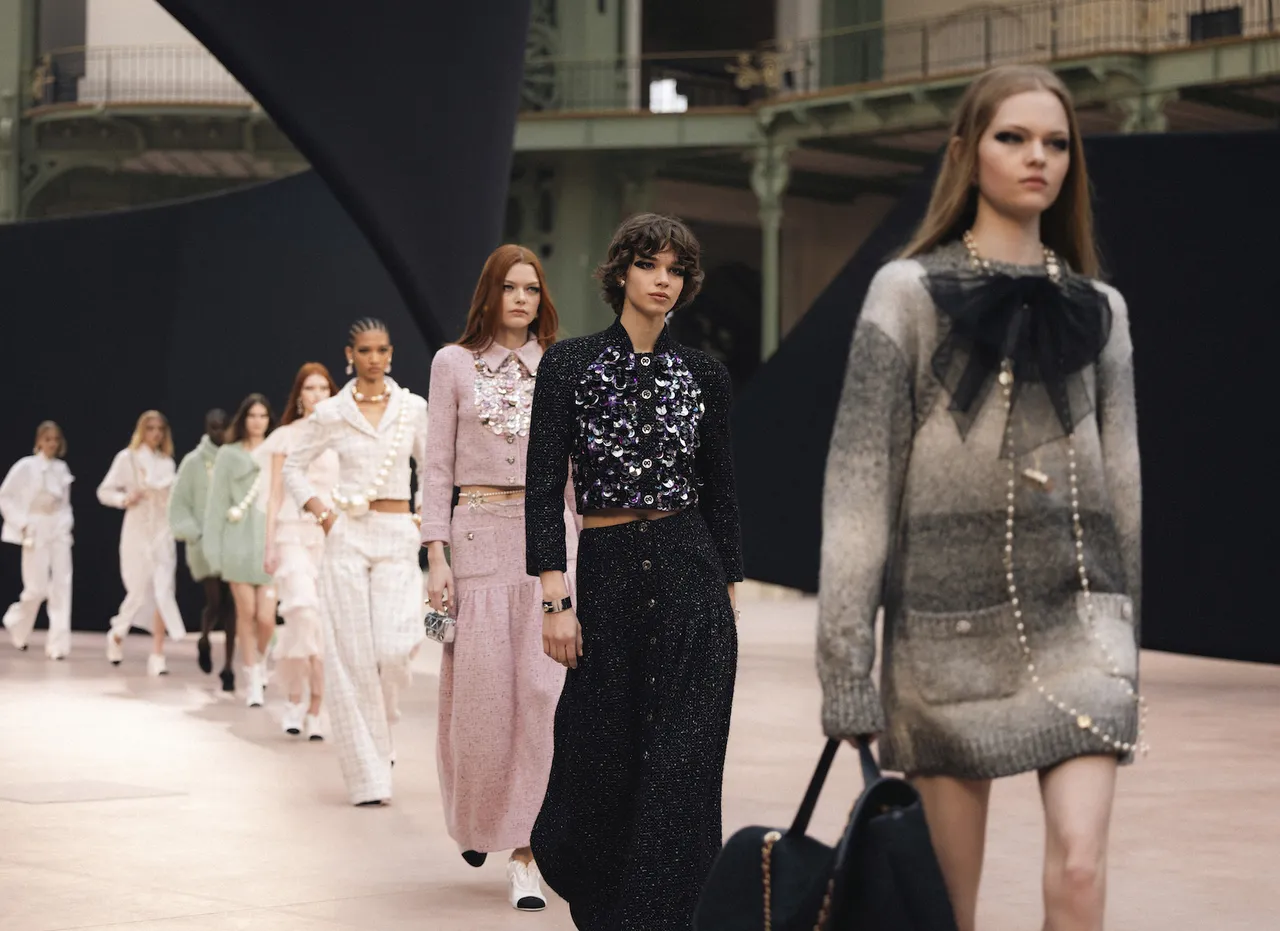
What exactly is a “creative debut”? It’s not just a brand’s first collection or a premiere show. Above all, it’s about innovative concepts that break existing patterns. We’re talking about technology, sustainable materials, and sometimes an entirely new way of presenting fashion. Remember Balmain’s fully virtual show in 2020? That was a true breakthrough in how we think about debuts.
The scale of the phenomenon is impressive today. PFW SS26 (29.09-07.10.2025) generated over €500 million in media value —mainly thanks to fresh names making their first appearance. These numbers are no coincidence.
Paris Fashion Week is the world’s most important runway!
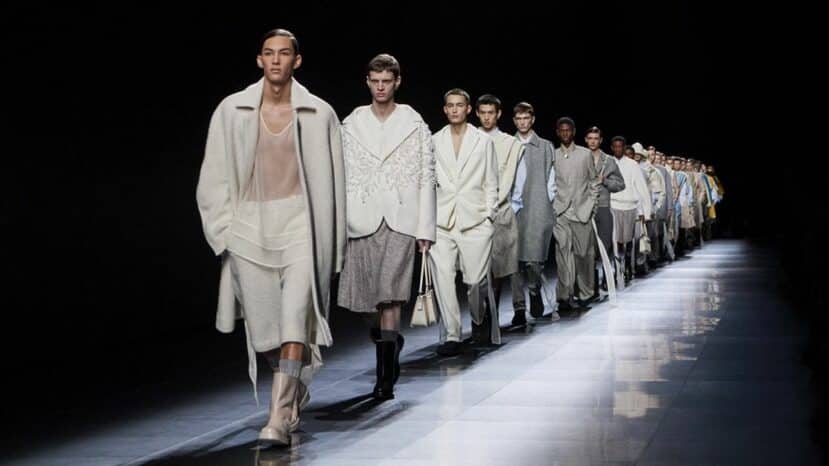
Why is this topic so hot right now? Sphere Paris Fashion Week has revolutionized the way we experience runway shows. Newcomers now have opportunities they could only dream of before. Record-breaking online engagement means that every first step can become a viral event. Gone are the days when you had to wait years for critics’ recognition.
Honestly, sometimes I wonder if this whole digital revolution isn’t working against tradition. But on the other hand—young talents have never had such democratic access to a global audience.
How did we get here? The history of debuts on Parisian runways goes back decades, with each era marked by its own breakthrough moments. This season brings completely new names and concepts worth discovering. And the future? It looks even more unpredictable.
It’s worth taking a step back in time to understand how Paris became today’s incubator for fashion talent.
The evolution of debuts: from 1973 to the digital era
Paris Fashion Week has come a long way since the intimate salon shows of the 1970s. Remember those archival photos? Elegant ladies in small, private spaces admiring the latest creations. Today, it’s a completely different world.
The inauguration of PFW in 1973 was a response to the dominance of haute couture. The French wanted to prove that prêt-à-porter could also be high art. Those early debuts had a different character—more exclusive, reserved for a select circle of industry insiders.
| Year | Event |
|---|---|
| 1973 | Official opening of Paris Fashion Week |
| 1987 | The first show broadcast on television |
| 1997 | John Galliano debuts at Dior – a media spectacle |
| 2001 | Stella McCartney introduces an eco-focused approach |
| 2008 | First live online broadcasts |
| 2014 | Virgil Abloh from Off-White – streetwear enters the mainstream |
| 2020 | Sphere launch, the first fully digital debut |
The 1980s and 1990s were an era of big personalities. Designers became celebrities, and their debuts resembled theatrical premieres. In 1997, Galliano changed everything—his show for Dior was true show business. Traditional media began to treat fashion as entertainment.
The real breakthrough came between 2010 and 2020. Instagram and TikTok completely reshaped the industry. Suddenly, anyone could watch a show in real time, comment, and share their opinion. Debuts stopped being exclusive events—they became global conversations. It’s a bit of a paradox: on one hand, fashion became more democratic, but on the other, the pressure on designers skyrocketed.
The pandemic accelerated processes that were already inevitable. The year 2020 marked a true revolution—the first fully digital debut proved that the traditional approach to shows could be completely rewritten. Suddenly, you didn’t have to sit in the front row to feel the magic of a debut.
Designers’ motivations have changed too. In the 1970s, it was all about prestige and critical acclaim. Today, young creators think globally from day one—they know their debut can reach a million people within an hour. This changes the way they design, communicate, and the entire philosophy behind their work.
Technology has given them tools they could never have dreamed of before. VR, livestreams, interactive experiences—all of this has blurred the lines between physical and digital shows.
The SS26 season grew out of this very foundation—at the intersection of the tradition of salon shows and the possibilities offered by the digital era.
The most talked-about launches of the SS26 season
Livestreams of the Paris Fashion Week SS26 shows have already attracted over 15 million viewers—and the season has only just begun. This year’s debuts have truly shaken up the industry.
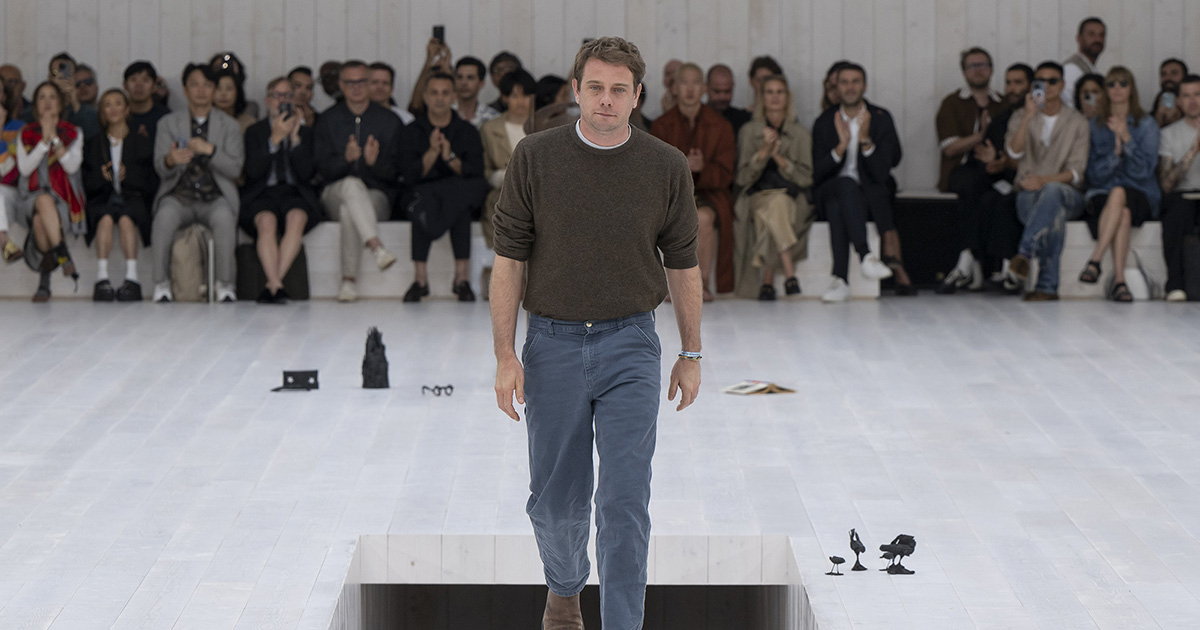
1. Jonathan Anderson for Dior (01.10.2025)
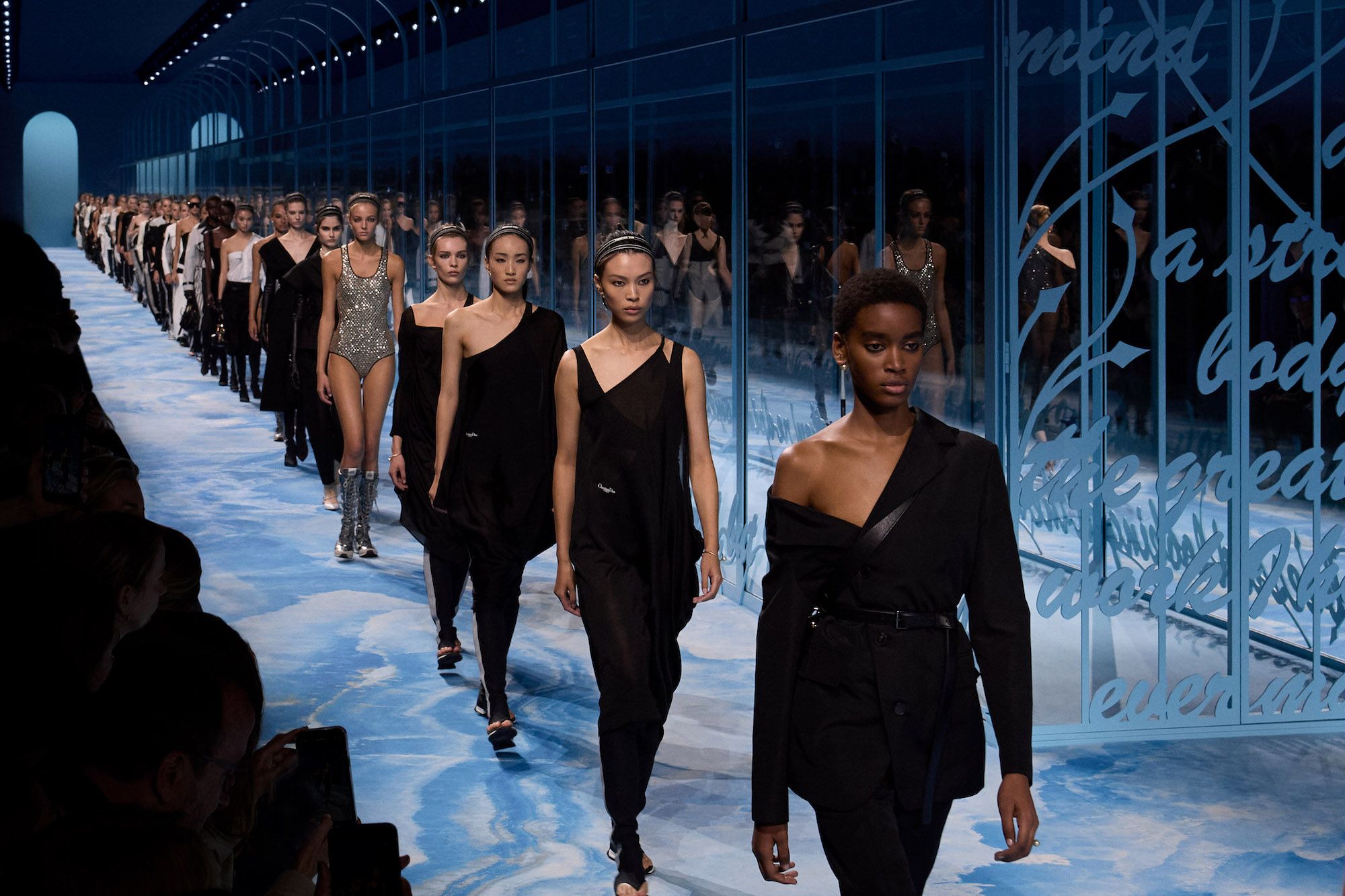
Anderson at Dior was an absolute bombshell—no one saw it coming. The soft volumes he sent down the runway completely redefine what we know about the fashion house. These loosening silhouettes look as if the designer took classic cuts and let them breathe. A truly bold move.
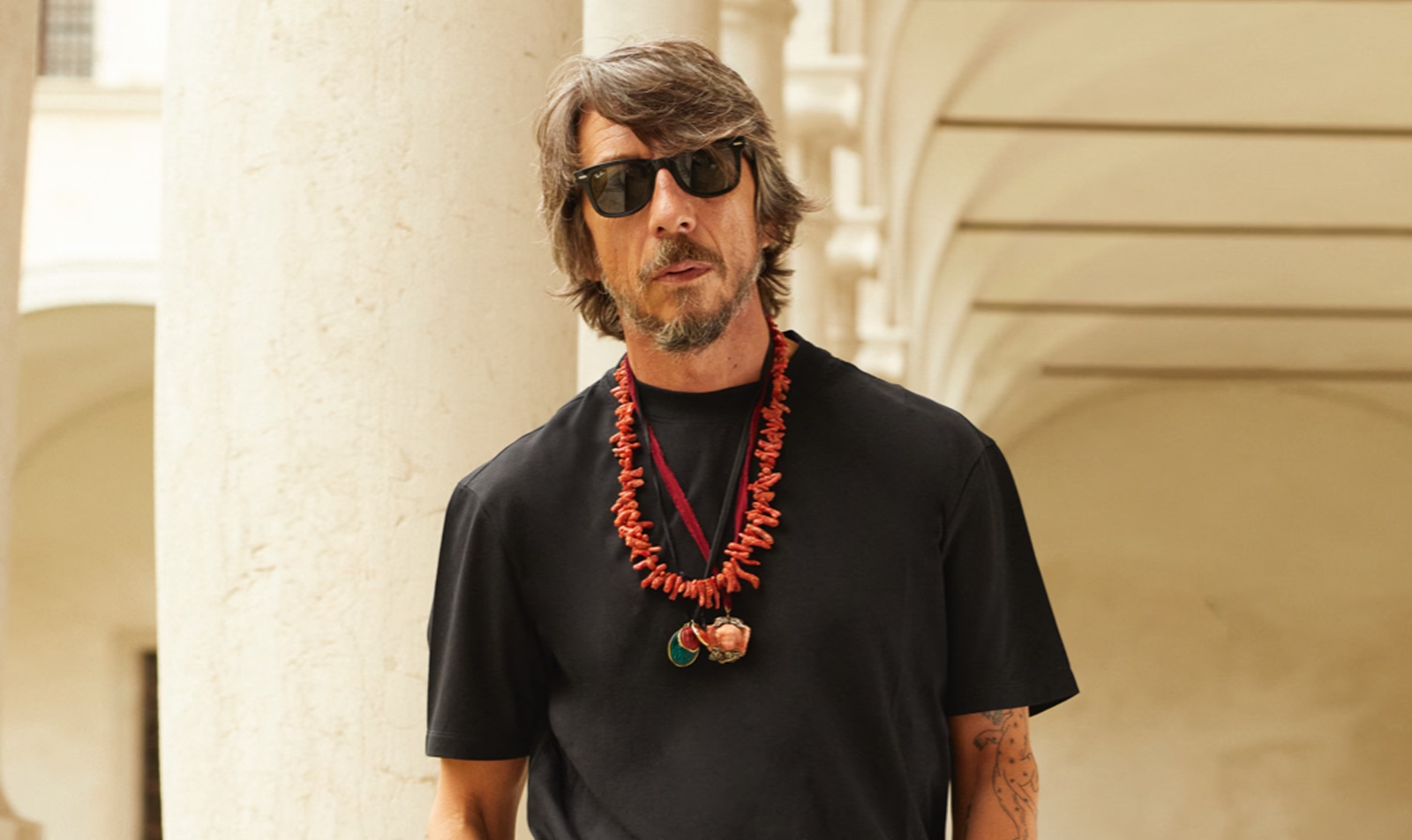
2. Pierpaolo Piccioli for Balenciaga
Piccioli’s move from Valentino to Balenciaga was already a shock in itself. But the campaign with Zhang Xiaofei, shot by Hanna Moon on October 4th? Pure magic. The photos are going viral, and every influencer is trying to recreate those looks.
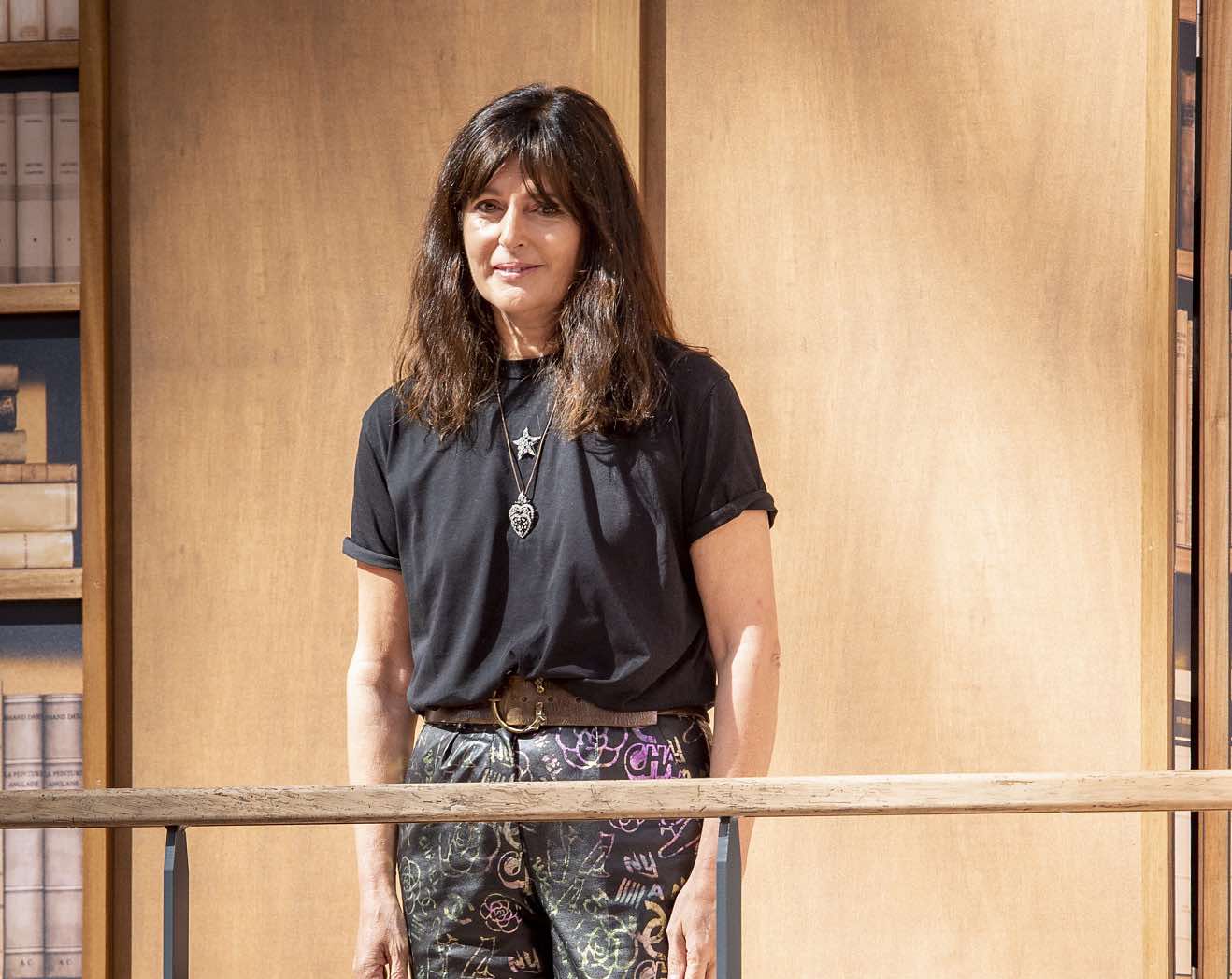
3. Virginie Viard – the continuation of Chanel
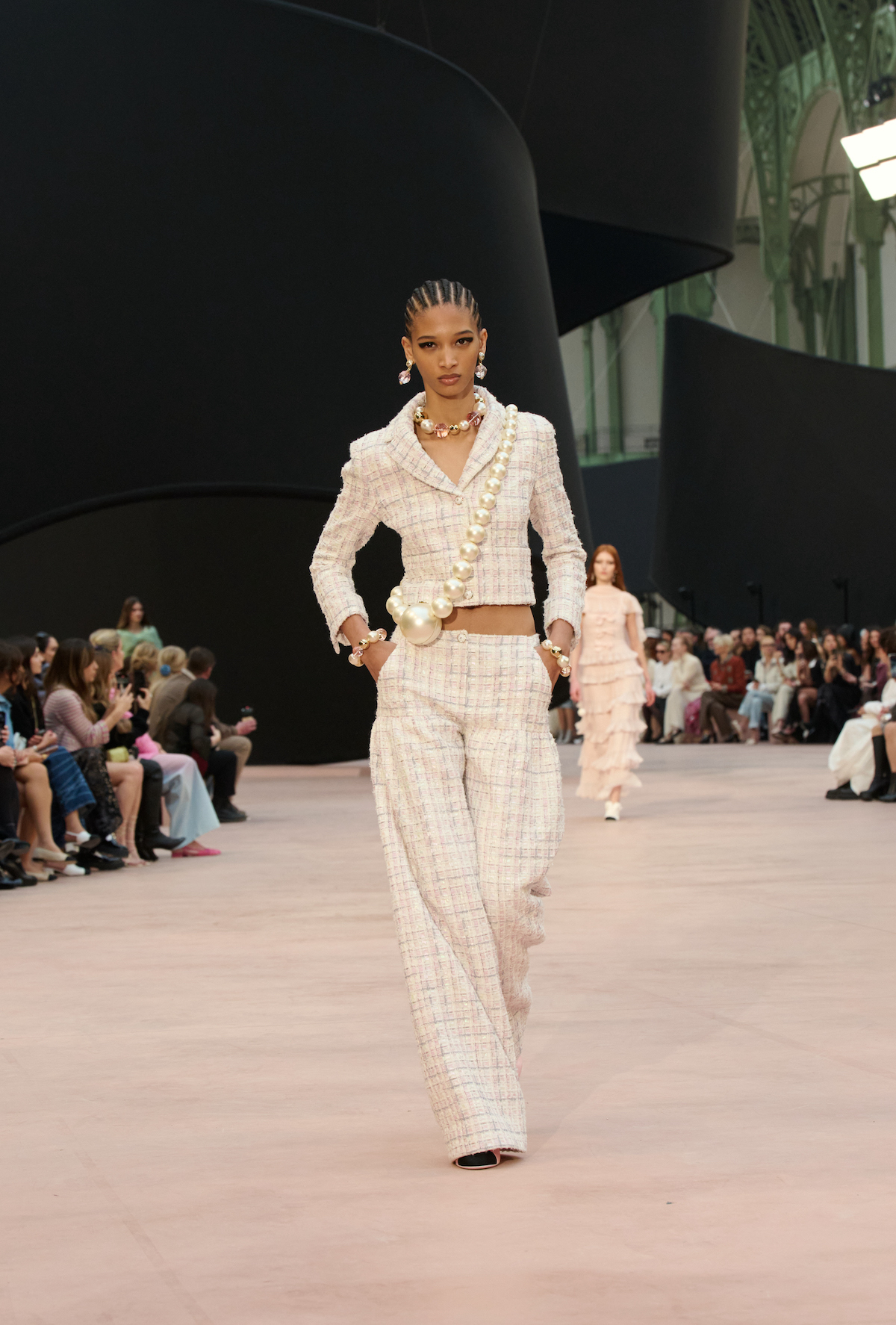
This time, Viard truly delivered. She proved that Chanel can feel fresh without losing its DNA. These new interpretations of tweed are simply perfect.
Social media statistics speak for themselves – mentions of designers increased by 300% within just 48 hours after the shows. TikTok literally exploded.
Facts in numbers:
- 15 million livestream views
- 300% increase in social media mentions
- 78% increase in searches for “Dior Anderson” on Google
- 156 thousand posts with the hashtag #PFW26
The “wardrobe neutralizers” versus “regency references” trend is already splitting retail in half. Stores are unsure which direction to take. On one hand, you have those minimalist, versatile pieces; on the other, romantic nods to the Regency era. Retailers say customers are specifically asking about these two styles.
Interestingly, the debuts also revealed just how much the industry needed fresh blood. Anderson at Dior is not just an aesthetic shift, but a sign that major fashion houses are ready for real experimentation.
These debuts make one thing clear—the future of fashion belongs to designers who know how to surprise without losing commercial appeal.
What’s next for creative debuts?
The most surprising thing this season? That young female designers aren’t running away from tradition—they’re reinterpreting it. And another thing—technology has stopped being just a gadget; it’s become a storytelling tool.
But what’s next? FHCM predicts that the media value of Paris Fashion Week will exceed 1 billion euros by 12/30/2030. It sounds abstract, but it means real changes for anyone considering a career in fashion.
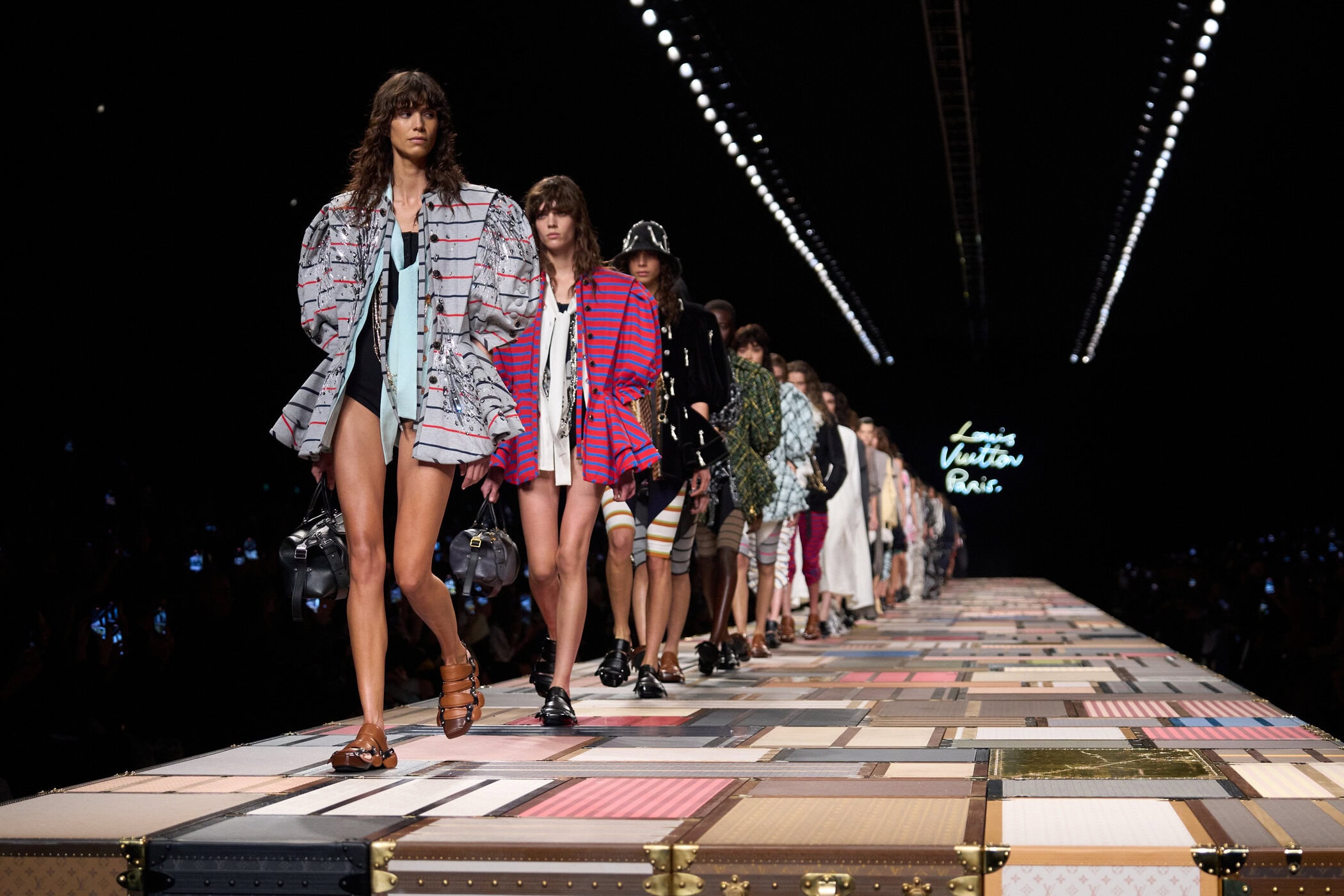
The first prediction concerns technology. By 2028, a 50% increase in the share of VR streams in shows is expected. It’s not about replacing physical events, but expanding them. Shows will be hybrid—some of the audience at the Louvre, some in virtual reality, says trend analyst Margot Dubois.
The second issue is sustainability. It will no longer be optional. Brands that don’t implement transparent supply chains by 2026 will simply be out of the game. This isn’t ideology—it’s business.
The third change: globalization is taking on a new shape. Paris Fashion Week is opening up to designers from Africa and Southeast Asia. The Sphere program, which used to be elite, is expanding its criteria. But note—it’s not lowering its standards.
What can you do today if you’re thinking about applying to the Sphere program?
• The deadline for the SS27 season is March 15, 2025—that’s just a few months away
• Prepare a portfolio that showcases innovation, but also your craftsmanship
• Document your approach to sustainability—this is now a must-have
• Learn the basics of digital design—VR presentations will become the standard
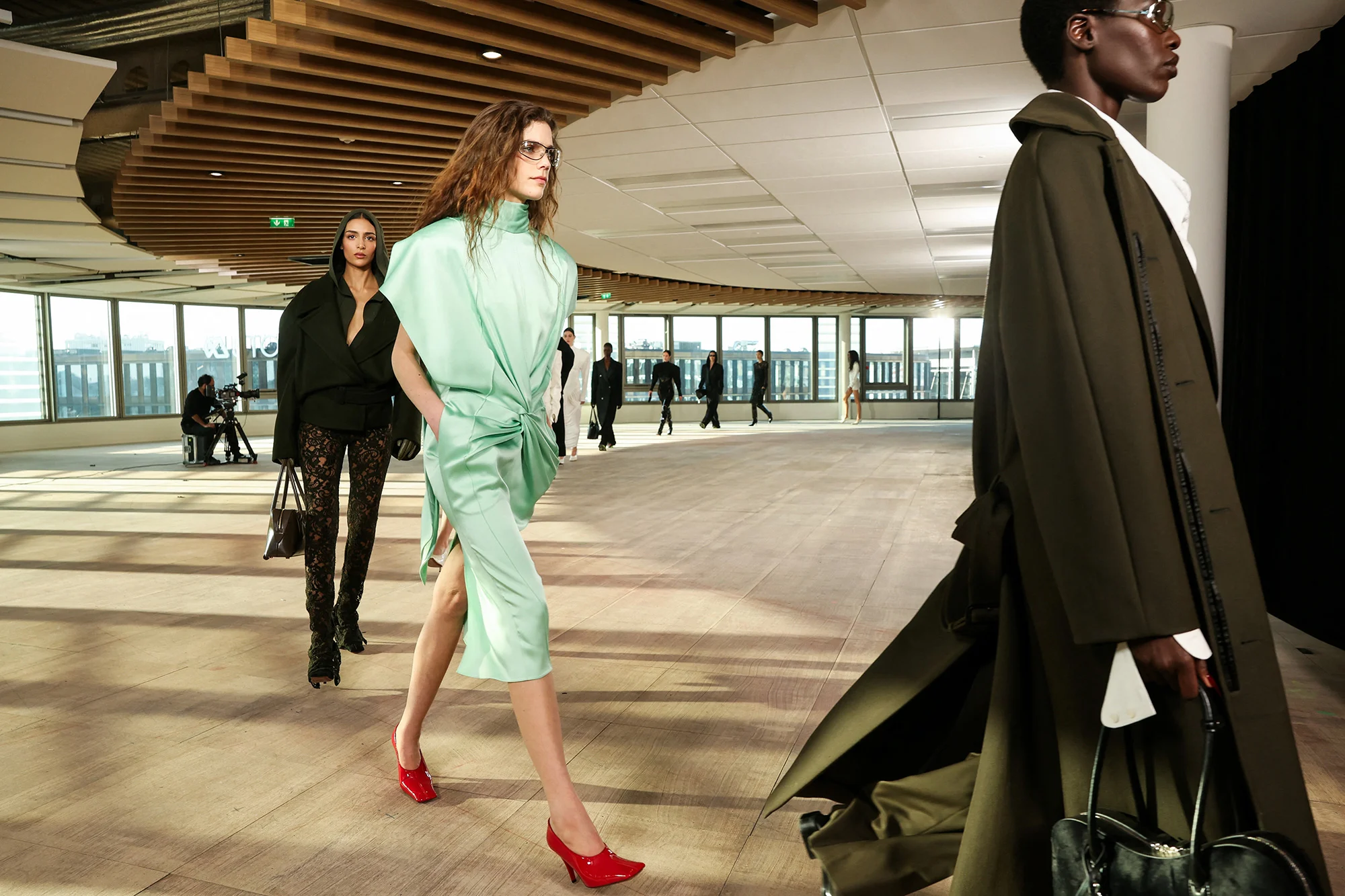
Creativity criteria are changing too. It’s not just about originality anymore, but about the ability to engage in a dialogue with tradition. The jury is looking for designers who understand the fashion code, but know how to subvert it.
One thing makes me wonder—won’t this technological revolution kill off serendipity? Those magical moments when a model stumbles on the runway and everyone sees the garment take on a life of its own.
The future of Paris Fashion Week will belong to those who can combine craftsmanship with vision, local roots with global reach, tradition with experimentation.
Lola
High Class editorial team