
“The luxury hair care segment in Poland has grown by 47% over the past three years”—it sounds like a dry report, but there’s something fascinating behind that number. Why have we suddenly started paying as much for a shampoo as we once did for an entire visit to the hairdresser?
This question is not accidental in 2025. The pandemic changed everything—closed salons forced us to invest in premium at-home care. When you can’t visit the hairdresser every month, you naturally look for products that deliver similar results in your own bathroom. And you know what? Many of us never went back to our old habits.
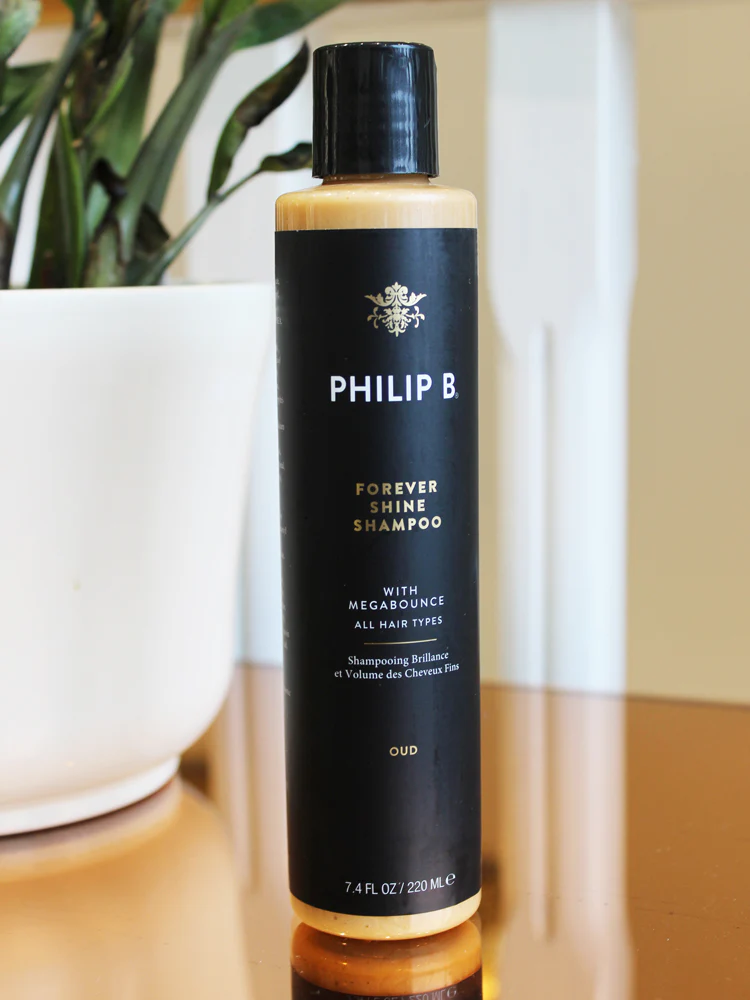
PHILIP B Forever Shine Shampoo – what makes it so expensive?
But it’s not just about effectiveness. A luxury shampoo is an experience in itself—from the moment you open the elegant bottle, to the scent that lingers in your hair all day, to the feeling of using something… truly special. It’s a matter of psychology, and it comes at a price.
In Poland, we’re also affected by unfavorable exchange rates and rising import costs. These beautiful French and Swiss brands are simply getting more expensive faster than our salaries are increasing. And inflation? Well, it affects everyone, but luxury products feel its impact especially strongly.
Does this mean we’re paying for air? Not necessarily. There’s a truly complex game behind these prices—from expensive ingredients and production technologies, through marketing and distribution, to the simple economics of a luxury brand.
Wondering if it’s really worth the money or just another marketing gimmick? In this article, we’ll take a look at:
- The science and technology behind the premium formulas
- Real production costs and the economics of luxury
- How to make smart purchasing decisions in this segment
Let’s start with what happens in the laboratories where these expensive formulas are created.
Technology and composition that drive up the price
Not every more expensive cosmetic is automatically a better product—that’s true. However, with some shampoos, the price does reflect advanced technology. Here, it’s worth taking a look at specific solutions that genuinely increase production costs.
Let’s start with safflower oleosomes. This isn’t your typical moisturizing additive—they’re microencapsulated particles that gradually release active ingredients over 24 hours. The mechanism is somewhat similar to how extended-release medication capsules work.
How it works:
- Microcapsules adhere to the hair fiber during washing
- Gradually crack under the influence of friction and temperature
- They release moisturizing ingredients throughout the day
- Hair retains its shine much longer than after using a regular shampoo
What this means for you: your hair won’t lose its shine after just a few hours, and lasts until your next wash. This is especially noticeable for women with color-treated hair.
L-amino acids are another element that truly makes a difference. Studies show that regular use of products with the right combination of amino acids can reduce hair breakage by up to 20%. That’s a significant number, especially if you struggle with dry ends.
Mongongo oil, on the other hand, is simply an expensive raw material. Sourced from nuts growing in Botswana and Namibia, it contains a unique blend of fatty acids. There’s no cheaper substitute that would offer the same properties.
A pH level of 5.5–6.5 might sound boring, but it’s absolutely essential. Within this range, the hair cuticle seals perfectly—hence that mirror-like shine. And the absence of sulfates, parabens, and silicones means it’s gentle on sensitive scalps, but also that producing alternative cleansing ingredients comes at a higher cost.
The Oud variant is a story of its own. Genuine oud oil is one of the most expensive perfumery ingredients in the world. The longevity of the scent—up to 48 hours—comes at a price, quite literally. That’s the main reason why this version costs significantly more than the standard one.
All of this results in higher raw material costs and a more complex production process. But does it affect the final price in the store? This is where other factors come into play.
The economics of luxury: what makes up the price in Poland
You buy niche perfumes in Poland and look at the price list – 450 PLN for 50ml. In the US, the same bottle costs 180 dollars, which is about 720 PLN. Paradoxically, we pay less, but the amount still hurts.
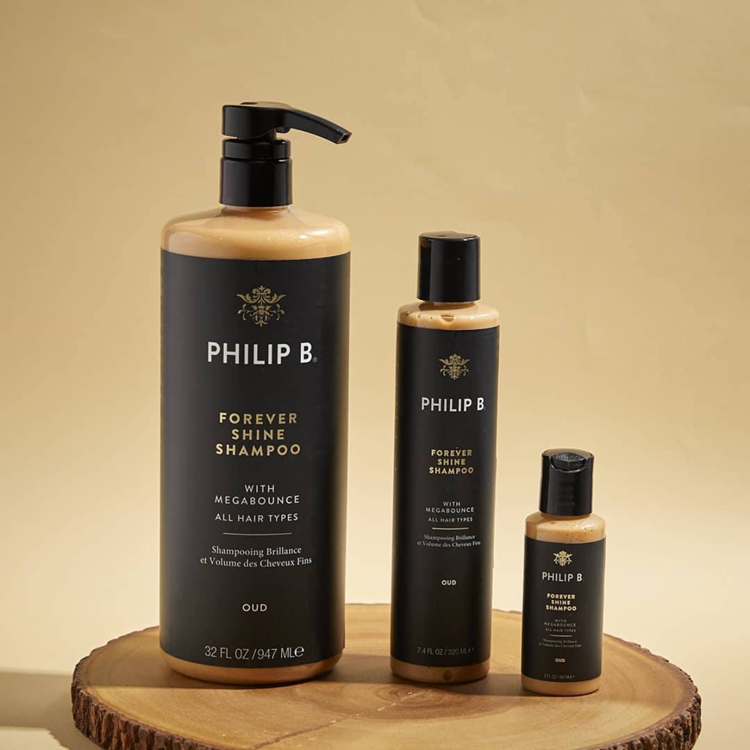
The price breakdown of luxury perfumes isn’t just raw materials plus profit. It’s a complex structure where every element contributes to the final amount.
| Price component | Impact on the final amount |
|---|---|
| R&D and small-batch production | Tall |
| Premium marketing and selective distribution | Tall |
| VAT (23%) and import duties | Medium |
| USD/PLN exchange rate fluctuations | Medium |
| Eco packaging (from 2024) | Low |
| Regional differences in distribution | Low |
I checked prices on Notino.pl in March 2024. Standard niche perfumes 100ml range from 280-420 PLN. But as soon as oud or rare ingredients appear, the price jumps to 650-900 PLN for the same volume. Flaconi.pl shows similar ranges, maybe about 50 PLN higher.
The cost structure in luxury is drastically different from mass market. While popular brands produce millions of bottles, niche brands create batches of just a few thousand. This means that fixed R&D costs are spread over a much smaller number of units. Plus, marketing—rather than TV commercials, you have collaborations with beauty influencers, exclusive events, and expensive campaigns in niche magazines.
In Poland, there are also local factors at play. The 23% VAT makes up almost a quarter of the price. Import duties on cosmetics from outside the EU add another several percent. And the dollar exchange rate? When USD/PLN jumps from 3.80 to 4.20, the price automatically goes up by 10%.
Since 2023, I’ve noticed additional price pressure – oud and rare raw materials have become 30-40% more expensive due to supply issues. Sustainable packaging, which brands are introducing from 2024, adds another 15-25 PLN to the price. It may not sound like much, but in the 300-500 PLN segment, every zloty counts.
Do all these ingredients justify the price? That’s the question every one of us asks when standing in front of the perfume shelf.
Effects on hair: evidence, reviews, and efficacy verification
In luxury hair products, promises alone are no longer enough. Users want specifics—they want to know if it truly works and how long it takes.
Metrics worth considering:
• Shine (measured with a gloss meter in laboratories)
• Smoothness and frizz reduction
• Root volume
• No scalp irritation
Data from beauty portals speaks volumes. On Wizaż.pl, the average rating is around 4.5/5, and 85% of women confirm “more radiance” after just 2-4 uses. That sounds promising, but… is it really the case at home?
Brands often provide their own measurements—for example, +30% shine after a single use at pH 5.5. The problem is, a laboratory isn’t your bathroom at 7 a.m. Tap water has a different pH, you dry your hair differently, and you use other products at the same time.
“Hair feels as soft as silk and smells amazing all day” – that’s a common review that keeps coming up. But interestingly, stylists focus on something else. They talk about how hair behaves during styling, whether it slips off the curling iron, or if the color applies more evenly.

The best results are visible on dull, dry, and color-treated hair. It makes sense—this is where the difference is most noticeable. Color-treated hair responds especially well because the damaged cuticle absorbs nutrients more easily.
Be careful with very fine hair that gets oily quickly. Here, the effect can be the opposite—you might end up with heaviness instead of lightness. One hairdresser once told me, “Fine hair is like delicate fabric—less is more.”
Fragrance longevity is a separate issue in the premium segment. Some products retain an intense scent for 2-3 days, while others disappear after the first wash. This is a highly subjective matter—what’s a pleasant touch for one person may be overwhelming for another.
The truth is, assessing “hair condition” is a mix of hard data and personal feelings. A gloss meter will give you numbers, but whether you feel better about your hair—that’s up to you.
It’s also important to keep limitations in mind. No cosmetic product will repair severely damaged hair in a week. And not every hair type will respond the same way, even within the same family.
How to decide: is this the right purchase for you and what to do next
A luxury shampoo only makes sense if it specifically addresses your needs. Not trends or prestige.
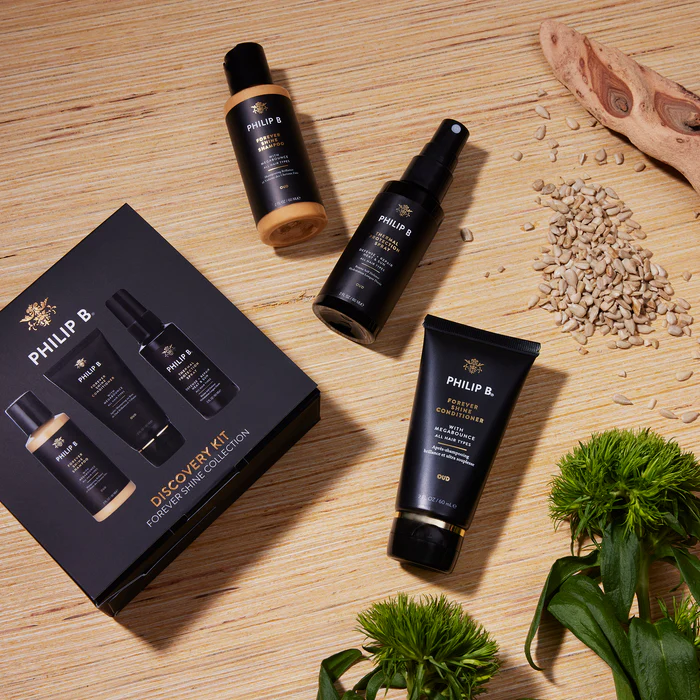
Start by giving honest answers to these questions:
▪ Do you have dry, damaged, or color-treated hair in need of intensive repair?
▪ Do you care about a long-lasting effect, not just a temporary shine?
▪ Does your scalp tolerate stronger active ingredients?
▪ Do you accept the intense scent of Oud lingering for several hours after washing?
If you answered “yes” to most questions, you can move forward. If you’re hesitating on two or more, think twice.
To avoid spending a fortune, you need to think strategically. A concentrate means you only need a tiny amount—about 5ml per wash for medium-length hair. With 2-3 washes per week, a 200ml bottle will easily last 2.5 to 3 months. That works out to around 100-110 PLN per month, which is fairly reasonable for this category.
Important – always use with a good conditioner. Without it, the results will be only partial and your money wasted.
In Poland, shop only at trusted places. The best options are official online stores of premium brands, Sephora, or Douglas online. Check the return policy—it should be at least 14 days. Avoid Allegro and other multi-vendor platforms—counterfeits are a real plague in this segment.
Sometimes subscription programs with a 15-20% discount appear. It’s worth checking every few months.
Minia77
Your beauty editor at High Class Fashion