
When Pierre Balmain opened his fashion house in 1945, no one could have predicted that decades later the same brand would be mainly associated with the “Balmain Army”—a group of celebrities in tight dresses on Instagram. And it’s precisely this tension between Parisian haute couture and contemporary pop culture that makes Balmain’s legacy so fascinating today.
Pierre Balmain’s legacy – between haute couture and street culture
In the context of Balmain, “heritage” primarily refers to archival cuts from the 1940s and 1950s, Parisian chic, and haute couture craftsmanship. On the other hand, the “new edition” means something entirely different—collaborations with streetwear brands, digital visibility, a younger clientele, and a completely new language of communication. The brand itself sums it up with the slogan: “We build the future on the foundation of our archives.” It sounds appealing, but in practice, it’s about balancing what Pierre created with what today’s TikTok-scrolling audience expects.
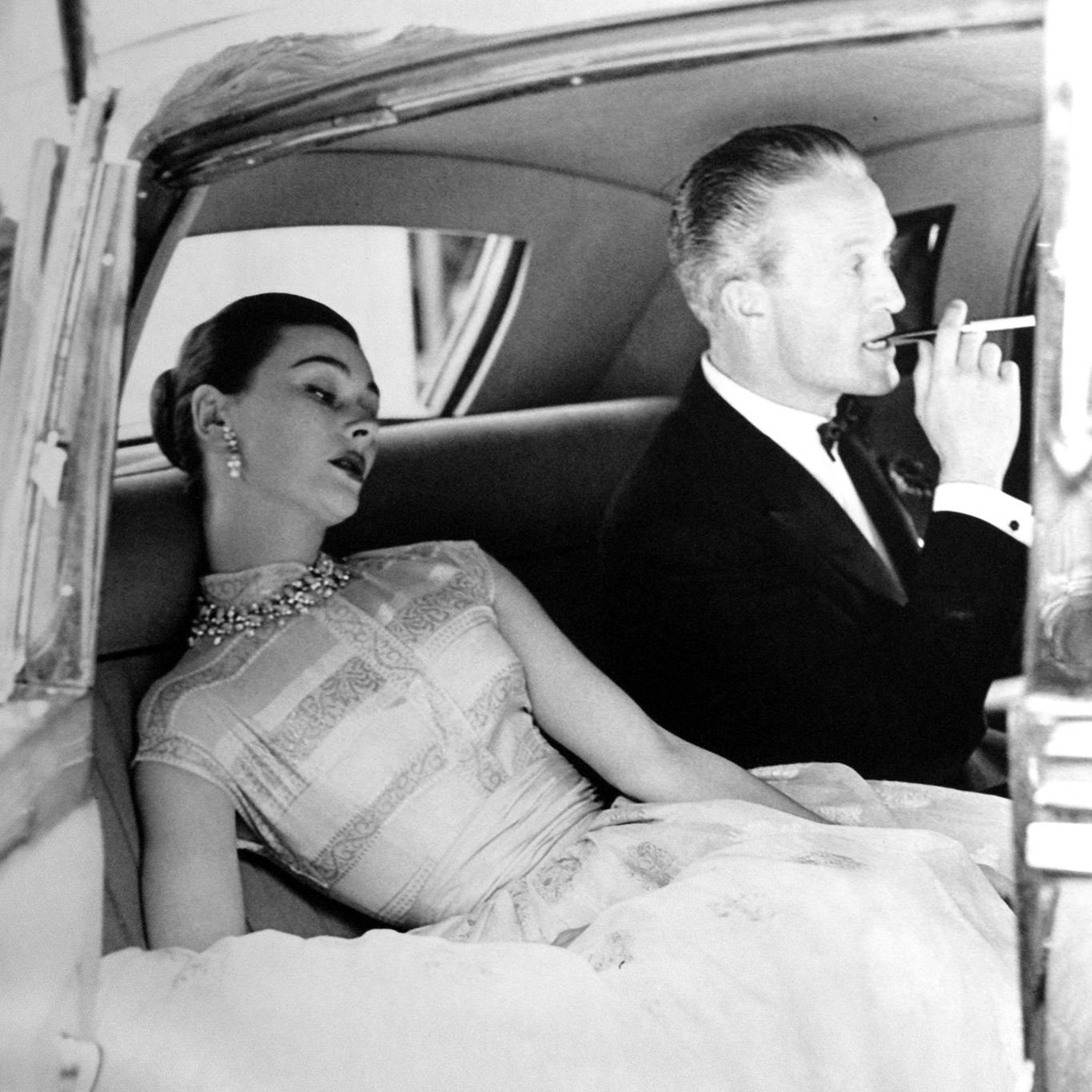
Later in the article, we’ll walk through the structured history of the fashion house, explore specific reinterpretations of iconic designs, take a look at the business figures and—well—we’ll also examine the controversies surrounding contemporary Balmain. Because this is far from a simple success story.
From Pierre Balmain to the golden age of “Jolie Madame”
Pierre Balmain was born on May 18, 1914, in Savoie—in the eastern Alps, where his family ran a drapery boutique. This environment fueled his fascination with fabrics, but he originally studied architecture before moving to Paris and starting work alongside Edward Molyneux, later joining Lucien Lelong’s atelier. Interestingly, at that same time, Christian Dior was sketching right next to Balmain—two future rivals sharing one workshop before setting off on their own paths.
From Savoy to Paris – the journey to my own fashion house
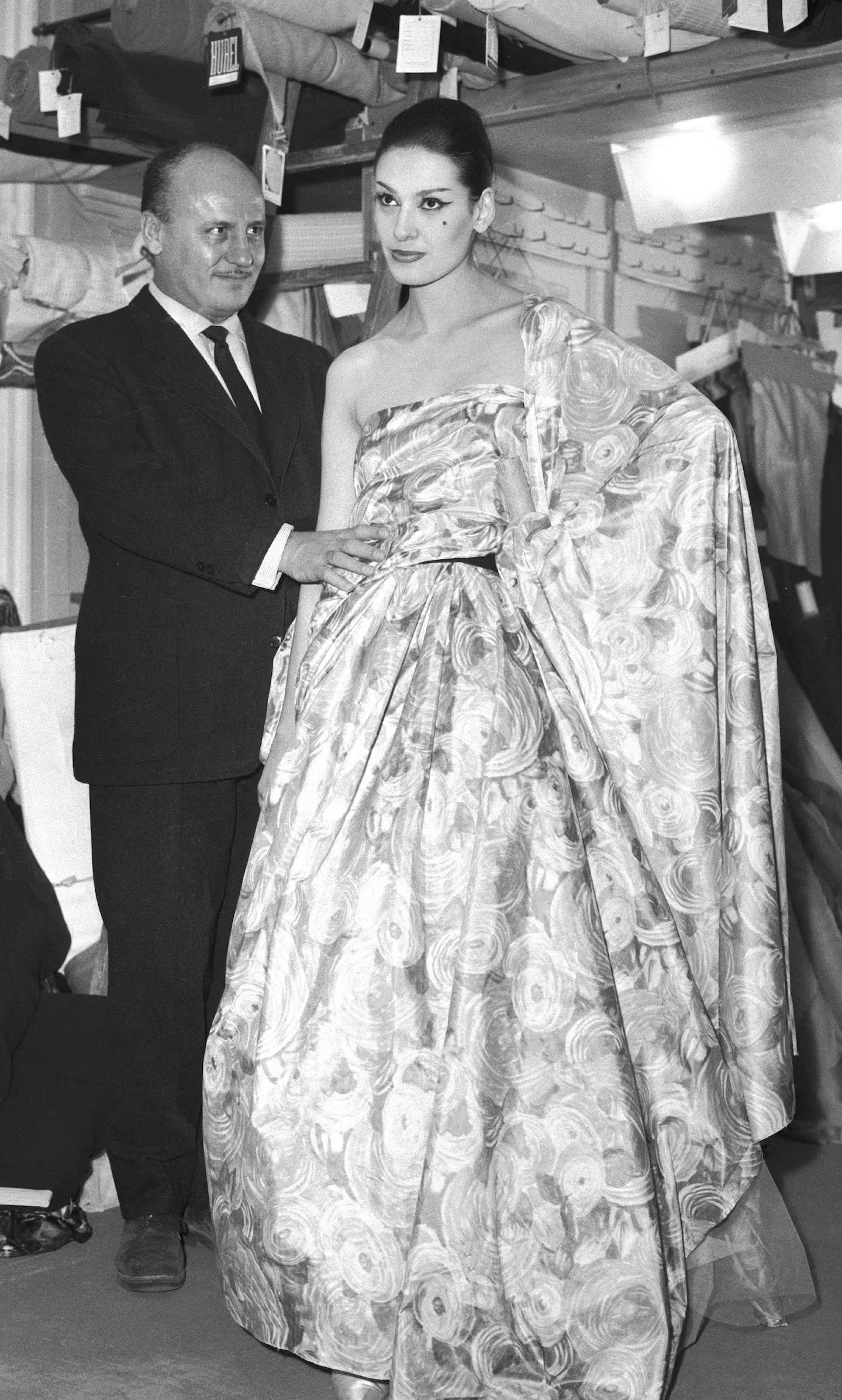
In 1945, as Europe was recovering from the trauma of war, Balmain opened his fashion house on avenue George V. The first show was met with enthusiasm—Cecil Beaton and Gertrude Stein immediately recognized that this was more than just another atelier. Prestigious patrons cemented the house’s status as a symbol of elite elegance, ushering in a new and better era.
“Jolie Madame” and the Birth of Balmain Codes
The “Jolie Madame” aesthetic features cinched waists, puffed sleeves, and geometric lines—a feminine yet disciplined silhouette. At a time when the world longed for a return to luxury and order, Balmain offered women outfits that made them feel both alluring and empowered. Marlene Dietrich, Ava Gardner, queens, and Hollywood stars wore his designs. He created uniforms for Air France and gowns for European aristocracy—each of these projects reinforced the myth of Parisian chic.
Main brand DNA codes (until the 1970s):
- Perfect tailoring
- Sculpted waist + puffed shoulders
- Luxury haute couture fabrics
- Feminine strength in geometric form
A new chapter in heritage – creative directors after 2000
Heritage lives only when someone rewrites it. In the case of Balmain, it wasn’t a single revolution—each creative director after 2000 read the same archives, but delivered a completely different speech.
From Decarnin’s rock glamour to Rousteing’s “Balmain Army”
Christophe Decarnin (2005-2011) threw the house into a whirlwind of rock glamour and early streetwear. He paired 1950s structural shoulders with military details and a slightly gritty shine—as if he took archival blazers and invited them to a concert. Sharp, confident, full of attitude.
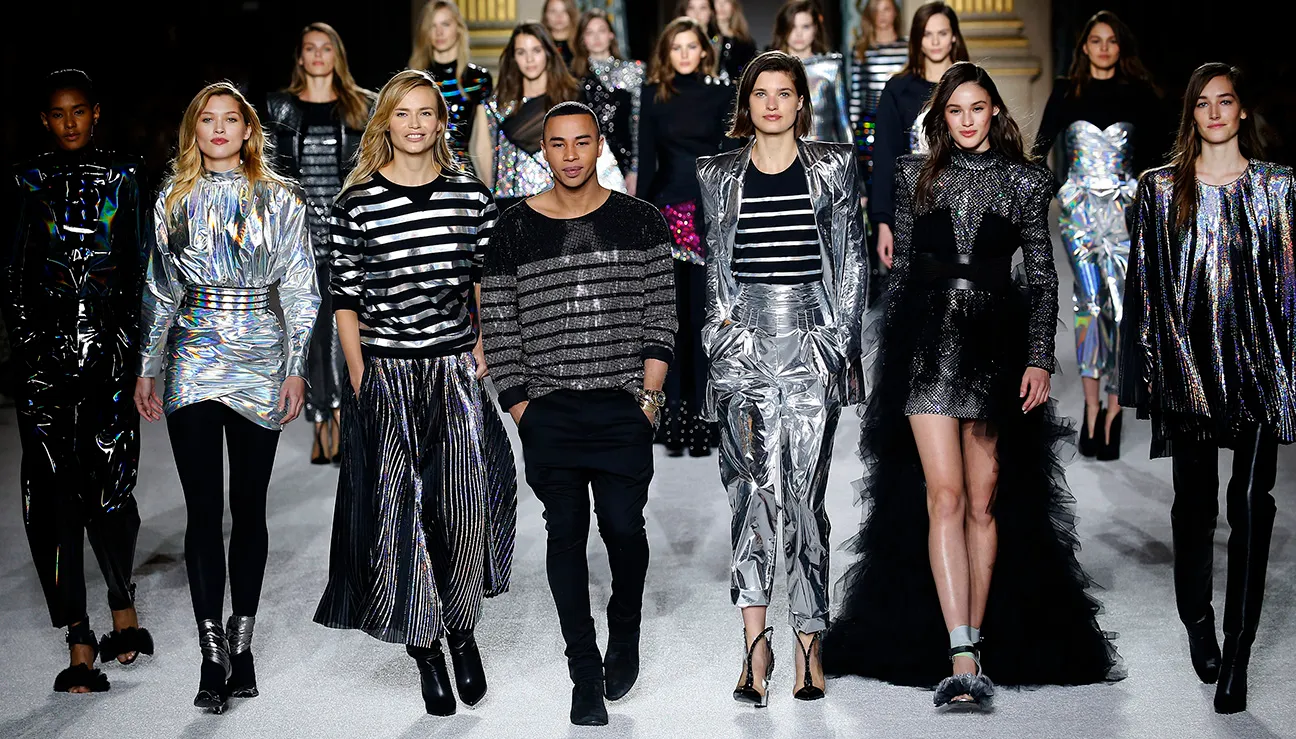
Then came Olivier Rousteing (2011-2024) and turned everything into a spectacle for millennials. “Balmain Army,” Instagram, the body at the center—hips, silhouette, celebrities as ambassadors (Beyoncé, Naomi Campbell). The 2015 collaboration with H&M made headlines for a reason—luxury was suddenly supposed to be for everyone, though in practice the servers crashed. Rousteing proved that heritage can be fused with the digital circus without losing its power—quite the opposite.
Tillmann Lauterbach and the return to tailoring
Tillmann Lauterbach (since 2025, previously at Jil Sander) announces a “return to tailoring.” At the AW25, SS26, and PFW 2025 shows, we see geometry, calmness, puffed sleeves, and chains reinterpreted—more minimalist, less flashy. It’s still Balmain, but as if someone turned down the volume and left only the shapes.
| Director | Years | Key words |
|---|---|---|
| Decarnin | 2005-2011 | Rock, military, structure |
| Rousteing | 2011-2024 | Instagram, celebrities, H&M |
| Lauterbach | from 2025 | Minimalism, tailoring, geometry |
Three faces, one DNA. A “new edition” isn’t a copy—it’s the courage to find something of your own in the same archive.
Balmain as a business – owners, revenues, and collaborations
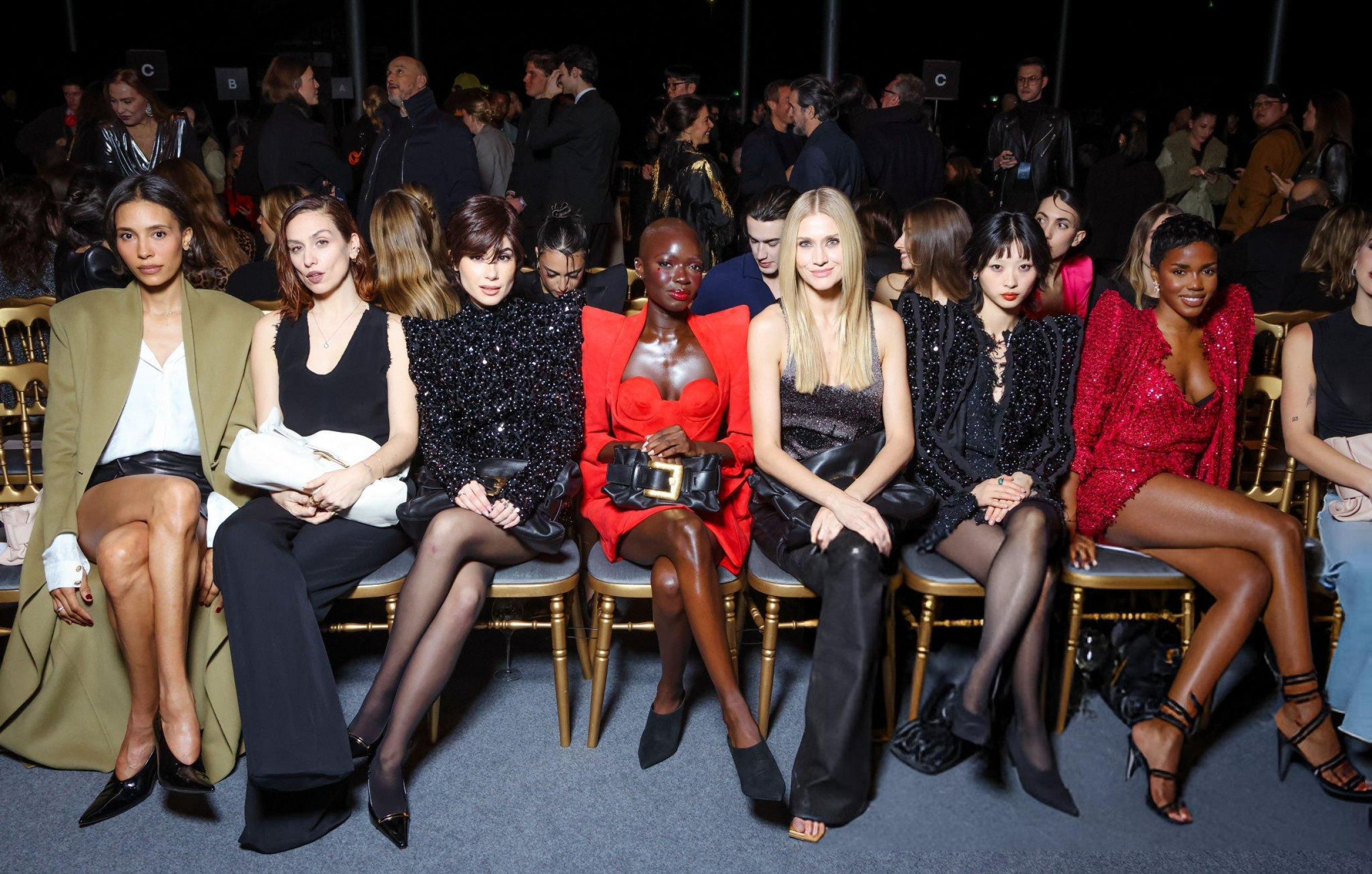
The legacy of haute couture sounds beautiful, but the truth is that no fashion house—even one with a history dating back to 1945—can survive without a solid business foundation. Today, Balmain is not just an atelier and runway shows, but a global business worth around 200 million EUR annually.
From atelier to global network – who is behind Balmain?
Since 2016, Balmain has been owned by Mayhoola for Investments, a Qatari investment group that also manages other luxury brands (Valentino). This capital enabled the brand’s expansion: from just a few boutiques in Paris, the fashion house has grown to around 28 stores worldwide worldwide —London, Dubai, Shanghai, New York. Balmain employs over 1,000 people and is a key player in the French luxury sector, which generates hundreds of billions of euros across Europe.
Geographically, Asia and the Middle East account for about 40% of sales—these markets are the most eager for the brand’s most spectacular creations and accessories.
Revenue, boutiques, markets – the numbers behind the legacy
| Year | Revenue (EUR million) | Number of boutiques | Key markets |
|---|---|---|---|
| 2024 | ~200 | 28 | Asia/Middle East (40%), Europe, USA |
In addition to haute couture and ready-to-wear, Balmain has been systematically expanding its range: in 2023, the Balmain Beauty line was launched (Ébène perfume), with accessories, eyewear, and sneakers also being developed. Online sales—both through its own channels and platforms like Net-a-Porter—make the brand accessible to clients from Poland and around the world, without the need to visit a boutique.
Collaborations as Balmain’s business “new edition”
The collaboration with H&M in 2015 was groundbreaking—it proved that heritage can be “translated” for the mass market without losing prestige. In 2025, Balmain announced a partnership with adidas, venturing into the sports and streetwear segment. Such collaborations are more than just marketing—they’re a way to reach younger audiences and experiment with new categories without risking dilution of the main collection.
Between Icon and Commerce – Debates Surrounding the Balmain Brand
Has Instagram trivialized Balmain, or has it given the brand new life?
Every luxury brand that achieves global success eventually faces criticism. In Balmain’s case, the controversy has been ongoing ever since Olivier Rousteing took over the brand’s Instagram account and began treating it as seriously as haute couture shows. Some say outright: “This is no longer Pierre’s legacy, it’s just an influencer’s stage.” Others counter that without such boldness, the fashion house would have ended up as a museum relic.
The accusations? Above all, “dumbing down for Instagram”—critics claim Rousteing’s aesthetic is all about fireworks, gold, and selfies instead of true tailoring craftsmanship. On the other hand, the Balmain Army—a deliberately built community of ambassadors of different skin tones, body types, and backgrounds—stands as perhaps the first such powerful statement of inclusivity in the world of Parisian luxury. Not everyone likes it, but it’s hard to deny its impact.
H&M, fast fashion and the democratization of luxury
The 2015 collaboration with H&M sparked heated debate. Critics spoke of a “betrayal of heritage”—how could a luxury brand be brought into a shopping mall? For many customers, however, it was a rare chance to experience a piece of Balmain. The collection sold out within hours, websites crashed from the traffic. Was it commercialization? Yes. Did it open haute couture to new generations? Also yes.
Other controversies? In 2017, accusations of plagiarism surfaced—Rousteing was said to have been “overly inspired” by the work of other designers. The issue faded away, but left some scars. Additionally, Qatari ownership (Mayhoola) sparks marginal but present voices about the “Islamization of luxury”—though the industry takes a pragmatic view: Middle Eastern capital is now a normal part of European fashion.
A Polish perspective on Parisian luxury by Balmain
In Poland, Balmain mainly serves as a point of reference, an inspiration—hardly a realistic shopping option. Commentators like Piotr Witt write about Parisian chic with admiration, but also with a certain distance: the fascination is there, but wallets rarely keep up. The local press celebrates the brand’s aesthetic, Polish fashion draws on its motifs—but it’s more of a “look and admire” relationship than a “buy and wear” one. So what’s next for all of this?
The future of Balmain – how vibrant will this legacy remain?
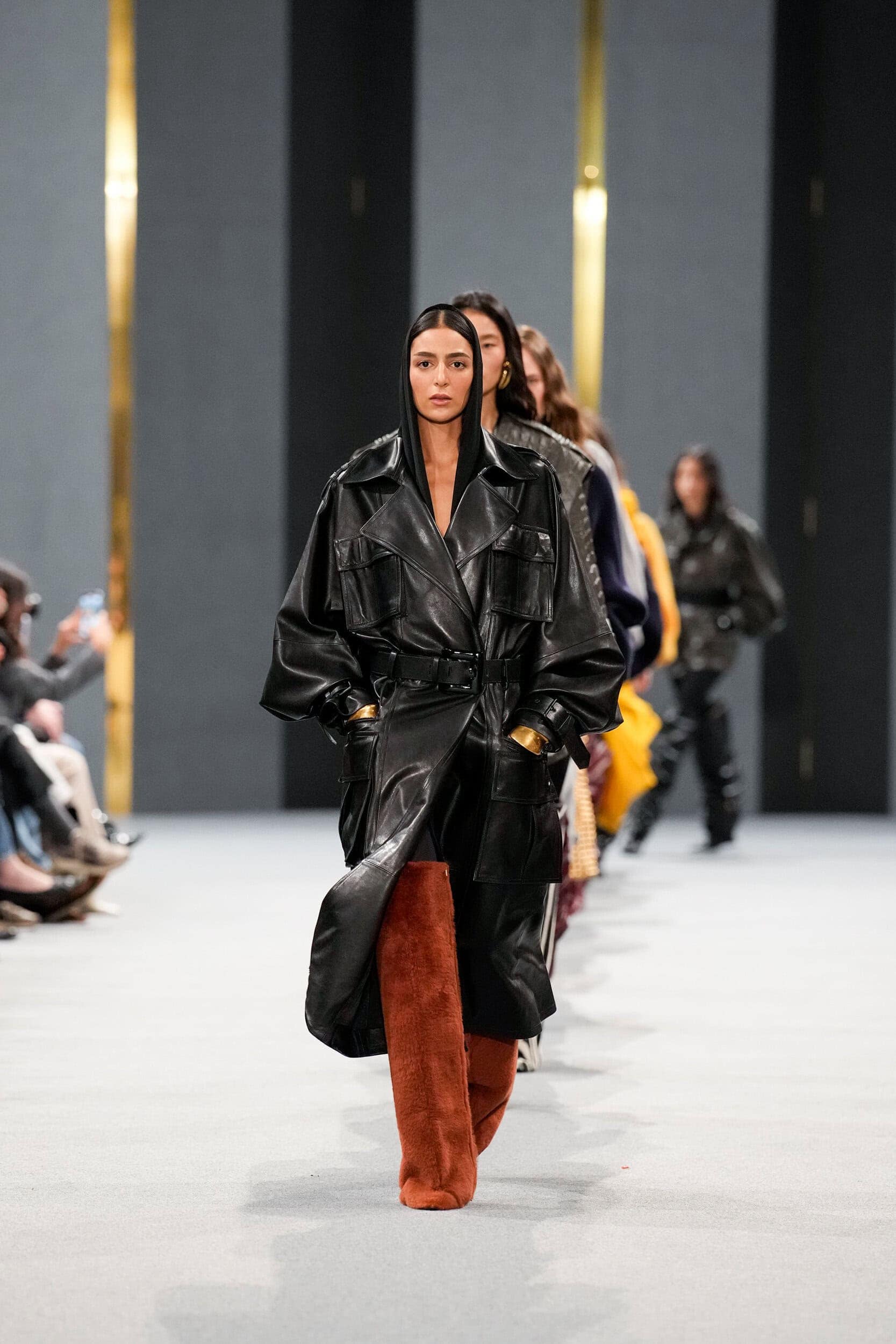
Pierre Balmain’s legacy has a future only if it doesn’t turn into a museum—and that’s exactly the direction the brand is heading. Industry forecasts predict Balmain’s sales will grow by around 15% annually over the next few years, with the geography of luxury shifting dramatically: clients from Asia could generate up to 50% of revenues. This means new boutiques in Shanghai, Seoul, and Tokyo, but also the need to engage in dialogue with highly discerning consumers.
Sustainability, the metaverse, and Asia – three vectors shaping Balmain’s future
Sustainability is no longer just a PR buzzword. Balmain already uses about 30% recycled fabrics and is committed to achieving zero waste in its atelier—which means every scrap of silk or brocade is repurposed, even if only for accessories. At the same time, the brand is experimenting with the metaverse: online shows are evolving into immersive experiences, and the “PB” logo appears on virtual clothing sold as NFTs. This is the next level of the “new edition”—classic cuts now exist in the digital world.
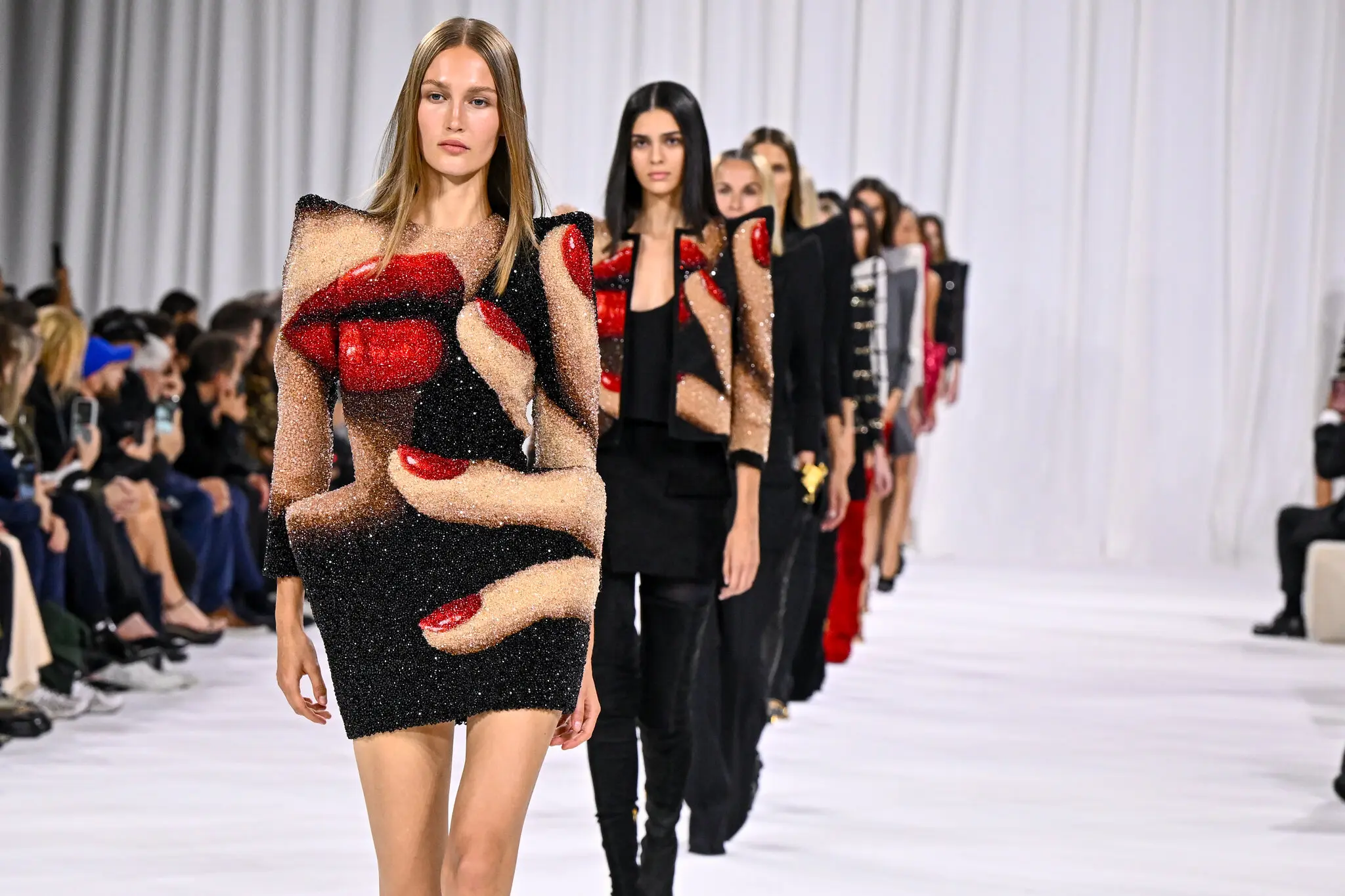
“Heritage is a living code” – what does this mean for future collections?
Tillmann Lauterbach, a strategic consultant for luxury brands, said:
Heritage isn’t a museum; it’s living code—you can rewrite it, as long as you keep the syntax.
For Balmain, this means greater flexibility in working with its archives, expanding its beauty and accessories lines, and cross-industry collaborations. Upcoming collections may more boldly blend vintage elements with modern materials.
Remember: conscious consumer choices start with understanding that a “new edition” is not just marketing, but also a brand’s readiness for change.
Zen
business editorial team
High Class