
Prada will pay around 1.25 billion euros in cash —an amount that could forever change the landscape of Italian fashion. This is no joke.
Can you imagine a world where Prada’s minimalist elegance meets the baroque extravagance of Versace under one roof? It sounds like a movie script, but that’s exactly what’s happening right now in Milan.
Honestly, I’m not sure anyone saw this coming. Prada—a house known for its clean lines, intellectual approach to fashion, and that iconic black nylon bag—is reaching for a brand famous for golden pins, bold patterns, and dresses that make stars shine on the red carpet.
Prada acquires Versace – an Italian luxury alliance
Prada is an empire built on the philosophy of “less is more,” where every detail has its purpose. For decades, Miuccia Prada has proven that luxury doesn’t have to shout.
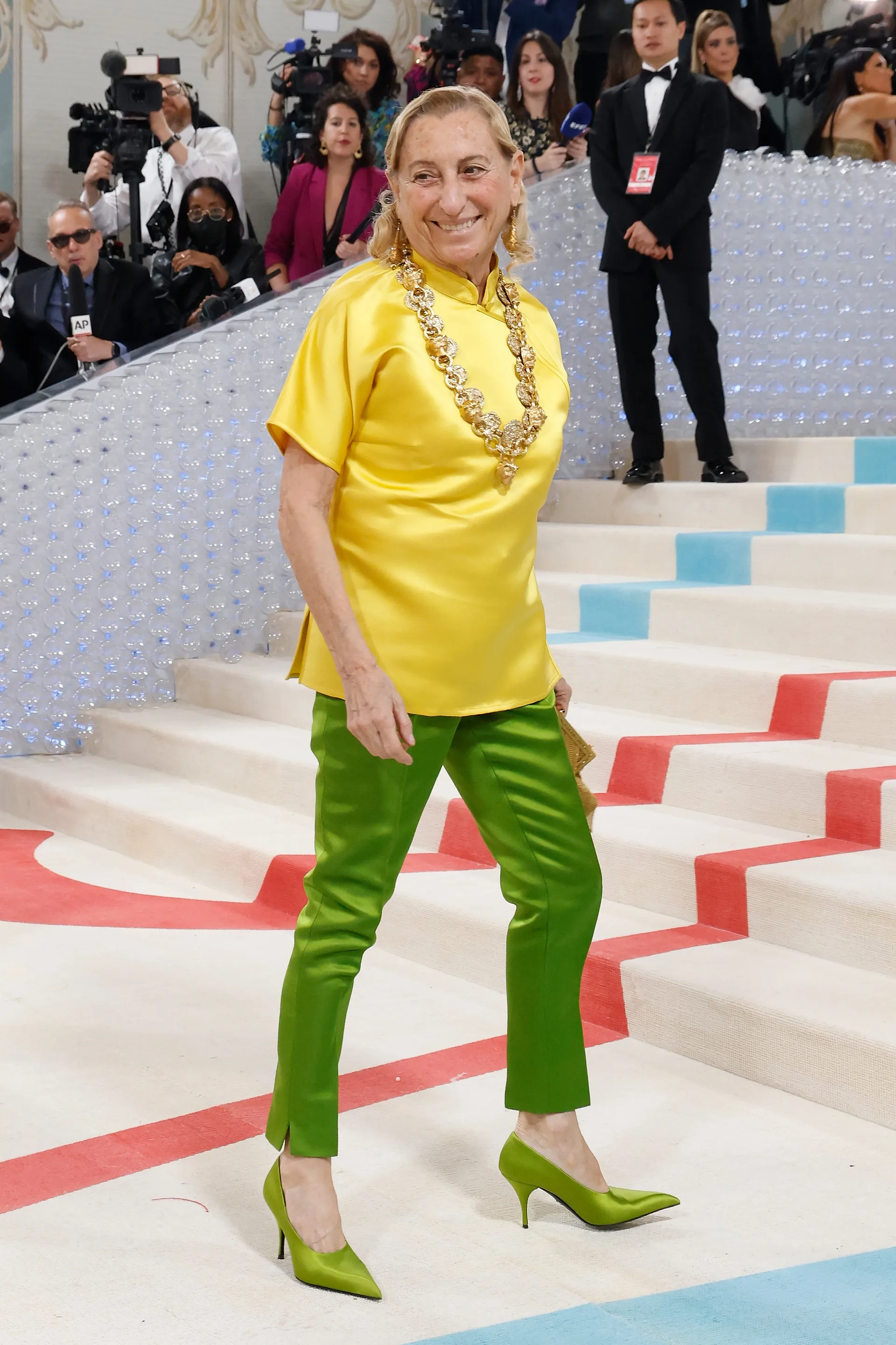
And Versace? This is a house that has never been afraid to make noise—ever since Gianni Versace dressed the biggest stars in breathtaking creations back in the ’90s.
Why is this deal so important right now? Because it shows just how much the world of luxury is changing. Smaller brands, even those with a rich history, have to join forces to survive in an era dominated by huge conglomerates.
This story has three key threads worth exploring:
– First, the strategic motives—why Prada chose to make this move at this moment
– Second, how it will impact the fashion market and the position of Italian brands
– Third, what it means for women buying luxury goods
Now that we understand the scale of this event, let’s take a look at the numbers…
Behind the Deal – Figures and Strategy
You know how it is with those big deals—sometimes the numbers speak louder than all the marketing talk. Capri is selling Versace to the Prada group for 1.25 billion euros. At first glance, that might seem like a hefty sum, but when you compare it to what Capri paid back in 2018…
Exactly, this is where things get interesting. Seven years ago, Capri Holdings put 2.12 billion dollars on the table for Versace. Now they’re selling it for less. Even accounting for exchange rate fluctuations, it looks like a paper loss.
| Aspect | 2018 (Acquisition by Capri) | 2025 (Sale to Prada) |
|---|---|---|
| Value | 2.12 billion USD | 1.25 billion EUR |
| Value in EUR | ~1.8 bn EUR | 1.25 billion EUR |
| Structure | Cash + stocks | 100% cash |
What I find intriguing is why Prada opted for an all-cash deal. That’s no coincidence—it means instant liquidity for Capri, but it also shows that Prada has robust financial reserves. There’s no need to worry about shares, stock prices, or extra complications. They pay cash, end of story.
For Prada’s liquidity, this means the group is in a truly strong financial position. Not every company can afford to put down over a billion euros from its own pocket. It’s a message to the market—we have the money, we’re stable, and we’re ready to expand.
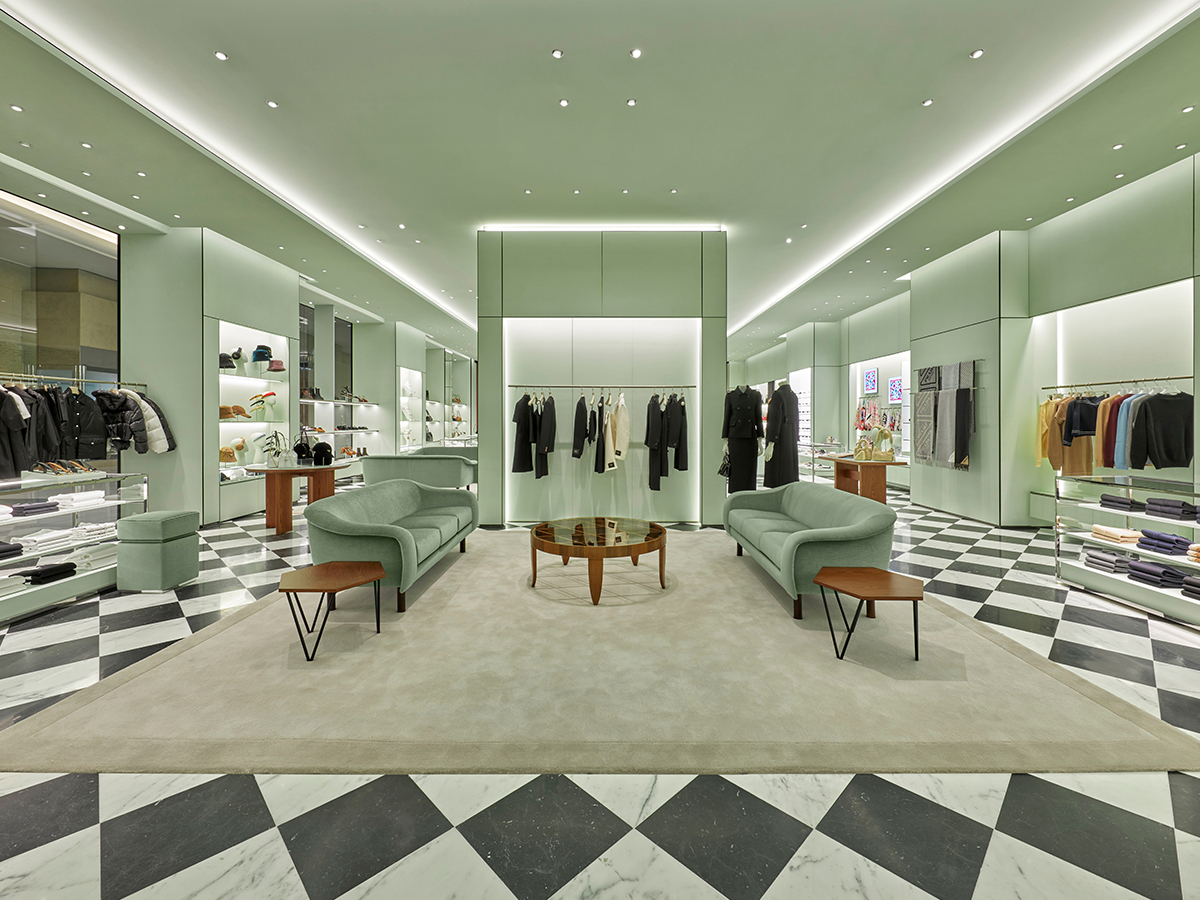
The real money, however, lies in synergies. Experts estimate savings of 100–200 million euros per year. These are not small amounts. Where is this money? Primarily in logistics—shared warehouses, transportation, distribution. Then administration—why have two separate HR, IT, and accounting departments? Marketing can also be optimized, though here you have to be careful not to destroy the uniqueness of the brands.
Production is another area. Prada has its own factories, Versace has theirs. Production capacity can be better utilized, material prices negotiated more effectively, and the supply chain optimized. Suddenly, those 100–200 million euros in annual savings don’t seem unrealistic.
But the real driver behind this deal is strategy against the giants. Prada Group wants to catch up with LVMH and Kering. These conglomerates have dozens of brands in their portfolios; Prada had only a few. Now, with Versace on board, the group becomes a much more serious player.
The four main strategic motives are:
- Scaling up operations and boosting competitiveness against LVMH
- Diversification of the brand portfolio across different price segments
- Leveraging operational synergies and reducing costs
- Strengthening our position in key markets, especially in the USA
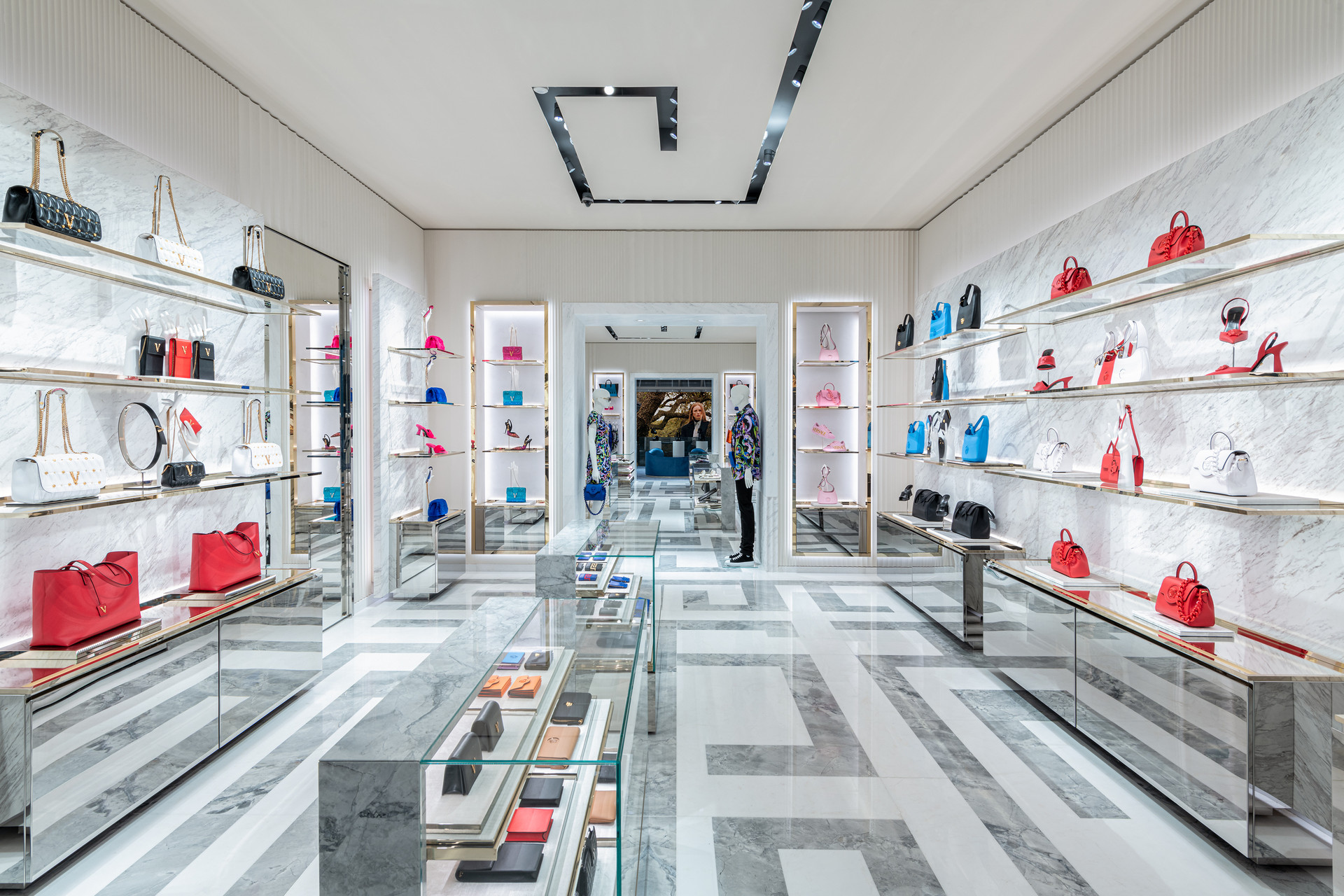
Versace has a strong presence in America, where Prada hasn’t been as dominant. It’s a complementary geography. Plus, they target different audiences—Prada stands for elegance and minimalism, while Versace is all about opulence and extravagance. They won’t compete with each other directly.
How will all these financial and strategic decisions impact the market—and you?
Consequences for the market and the consumer
The luxury handbag market just got a serious shake-up. When you hear about Versace being taken over by Prada, your first thought is probably, “how much more will I have to pay for those bags?”
Italy now holds a truly strong position in global luxury. After this merger, Italian brands control about 18% of the worldwide premium market—this is no joke. Gucci and Bottega Veneta are with Kering, now Prada is joining forces with Versace. The French at LVMH might be starting to sweat a little.
Stores are a whole different story. Versace has its boutiques, Prada has its own. Now you’ll probably start seeing Versace products in some Prada stores—not right away, but it’s coming. Prices? Hard to say for sure, but business logic is simple: less competition between brands in the same group means less pressure to cut prices.
“This deal changes the competitive landscape in the ultra-premium segment. LVMH now has to see Italy as a serious threat to its dominance,” says Maria Kowalska from the Fashion Insights analytics agency.
The competition is already responding:
– LVMH is on the lookout for new acquisitions in Europe
– Kering is ramping up investments in Gucci and Saint Laurent
– Hermès is keeping its distance from the whole commotion
Analysts are blunt—this is the start of a new war for high-net-worth clients. Each of the major groups will want to prove it has the best brands and the most beautiful stores.
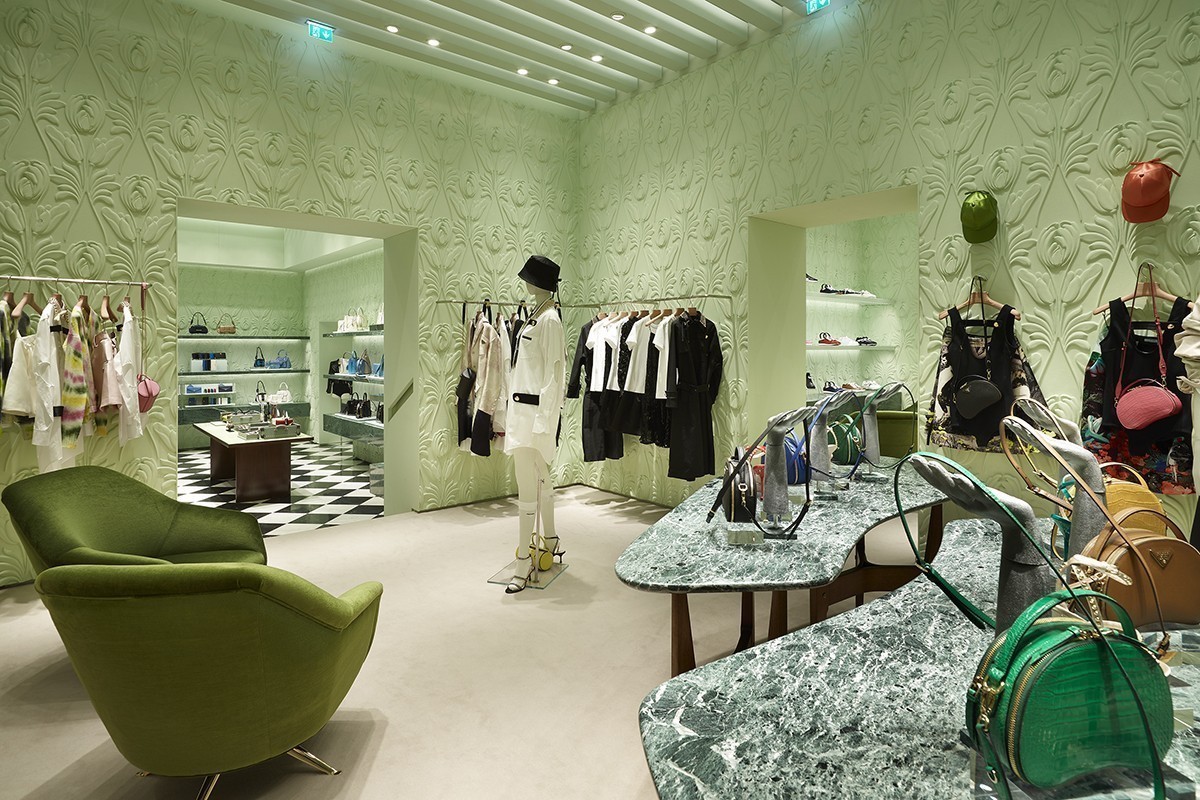
It’s actually fascinating how much these mergers change what you see in a shopping mall. I remember how stores looked completely different just a few years ago. Now every major brand has its own “world,” its own space.
What does this mean for your next shopping trip? You’ll probably see more products under one roof, but you might also end up paying more. Italian brands have gained real bargaining power.
What’s next for the Italian duo? Your move
The merger of Prada and Miu Miu demonstrated that in the world of luxury, speed of response to change is everything.
What can you do right now? First—closely follow the capsule collections of both brands. They always signal what will be trending six months from now. Second, pay attention to accessory prices. Bags and shoes are the barometer of the group’s entire pricing strategy. Third, something few consider—Prada’s sustainability programs. That’s where you can see the brand’s true intentions for the coming years.
Growth forecasts after the merger are fairly optimistic. Analysts predict a 10-15% increase in revenue by 2027. But is that realistic? In my view, yes—if the Italian duo avoids missteps in communicating with their female clientele. Trends show that consumers want authenticity, not just beautiful products.
Another interesting topic is further acquisitions in the sector. Giorgio Armani is increasingly mentioned in speculation as a potential target for bigger players. Imagine a scenario where one of the giants—maybe LVMH, maybe Kering—decides to make a move on this legend. That would completely reshape the balance of power in the market.
Sometimes I wonder if, as observers, we’re not witnessing the end of an era. The era of independent fashion houses, able to experiment without worrying about shareholders.
But back to reality – it’s worth keeping an eye on what this Italian duo is up to. Their decisions will shape the entire luxury market in the coming years.
Watch their moves closely, because that’s where the future of fashion is being shaped.
NITRO 89+
business editorial team
High Class Fashion