
Have you ever seen what your skin looks like through the softening filter on Instagram? Pores are barely visible, fine lines seem blurred, yet the texture still looks natural—not like a porcelain doll. And that exact “wow, I wish I looked like this in real life” feeling has jumped straight from your phone screen right into makeup bags.
Soft-blur skin – the Instagram filter brought to your skin
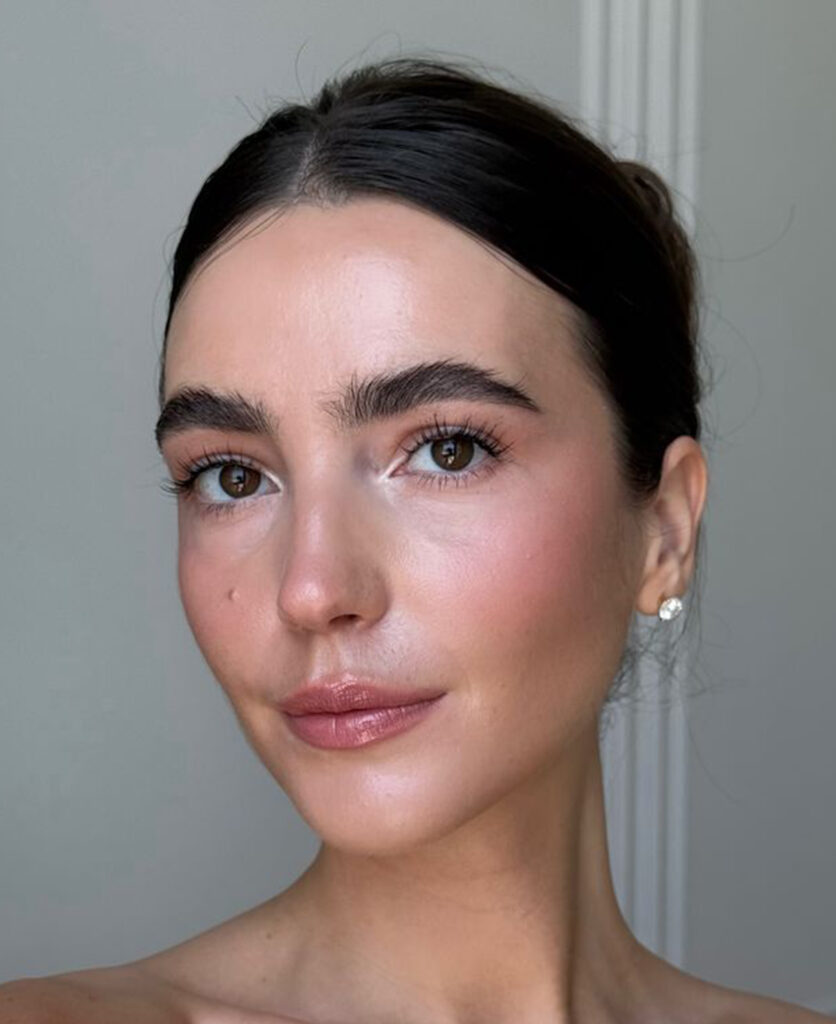
Soft-blur skin is the effect of a velvety, naturally radiant complexion that looks as if it has a built-in gentle filter. But—and here’s the key—it’s not about a masking foundation. This is something entirely different. The skin is visibly smoothed, yet it breathes and you can tell it’s real.
Key features that define it:
- velvety, soft finish (that famous matte-glow effect)
- a subtle glow from hydration, not from glitter
- natural texture preserved – you see the skin, not a layer of product
- the “second skin” and “clean girl” aesthetics combined
Where did it come from? From HD television and social media. Back in the day, TV makeup had to be heavy because cameras sharpened every detail. Then came app filters—Instagram, TikTok, Snapchat—and suddenly everyone could see themselves with “perfect” skin. But people got tired of looking fake in real life. That’s how makeup shifted toward the “no-makeup makeup” look, and skincare started chasing that filter effect, but on real skin.
In Poland in 2025, this is no longer a niche trend. Nearly every brand offers a foundation or serum with “blur effect” in the name. Mature skin loves it for its subtle coverage, oily skin for its matte finish without heaviness, and combination skin for that “second skin” effect without product overload.
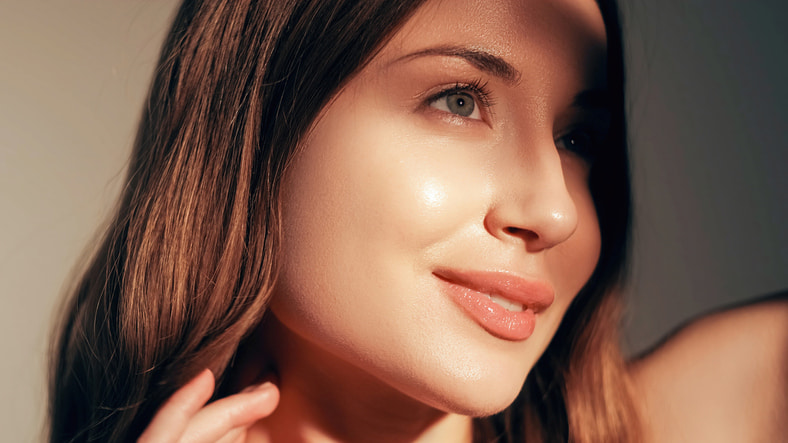
But what exactly makes the skin look so smooth? Which ingredients work this magic? More on that in a moment.
Your 5-minute step-by-step routine for a soft-blur effect
Want that filter effect but not in the mood for a 30-step Korean routine? You really don’t need it. Soft-blur skin can be achieved in five minutes—as long as you know the right order and choose products that suit your skin’s needs.
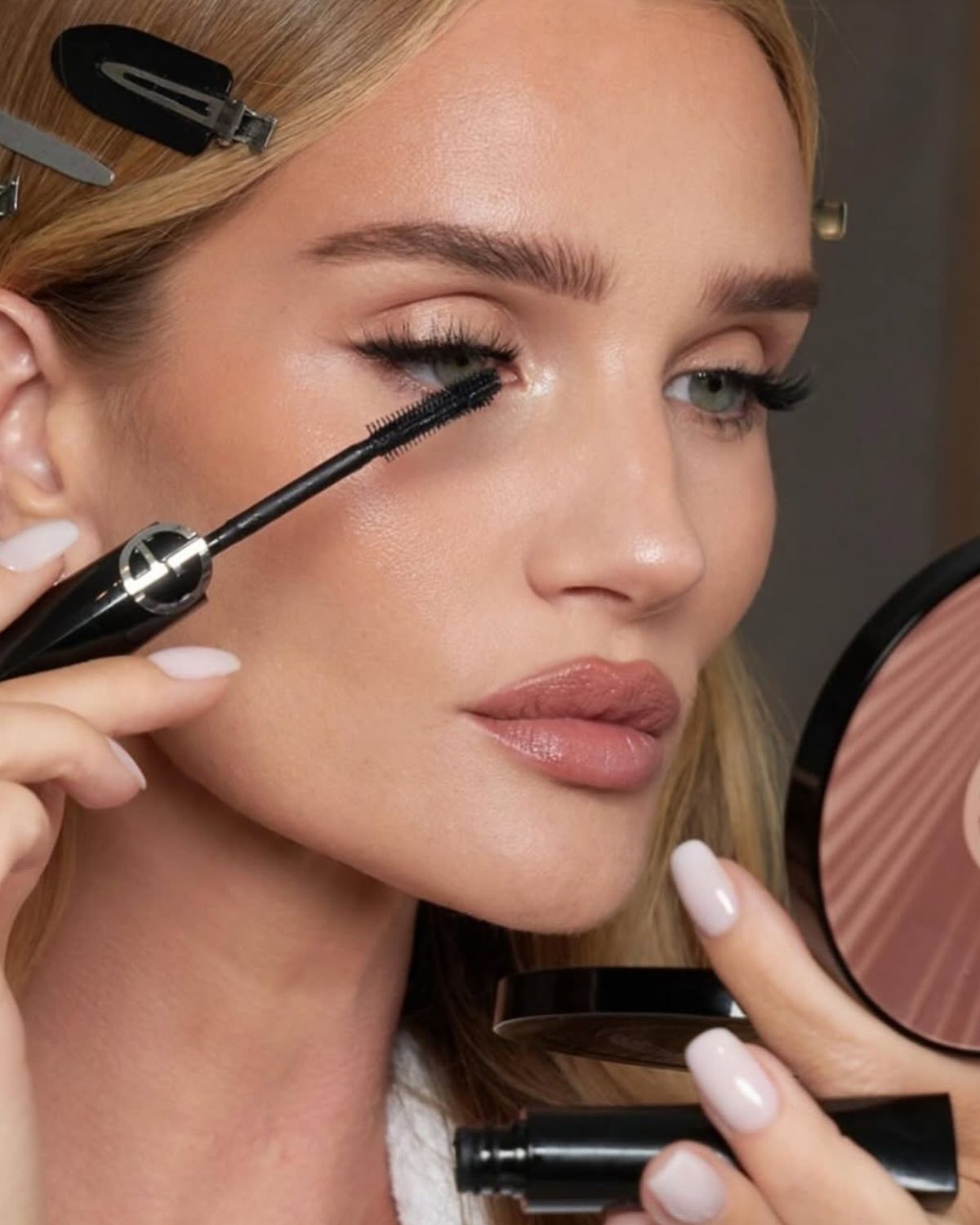
Express 5-minute routine: from cleansing to blur
The basic outline is as follows:
- Cleansing – a gentle gel or foam that doesn’t dry out the skin.
- Lightweight serum – brightening or soothing, depending on your needs. ELLE.pl described the serum with double vitamin C as “bright new skin in 3 drops” – these products are a perfect first step before blur.
- Blur product – a foundation, BB cream, or concealer with a smoothing formula.
- Care cream or SPF – seals everything in and protects your skin.
The most important rule? Thin layers. Really. It’s better to build up gradually than to apply a thick layer all at once, which will create a mask effect.
How can I tailor a soft-blur routine to my skin type?
Not every skin type needs the same thing. Here are three scenarios I see most often:
Oily/combination skin
Cica Pine serum (mattifying and soothing) + a lightweight blur foundation with powdery pigments—this combo controls shine without clogging pores.
Dry skin
A richer moisturizer as a base + an all-in-one serum-foundation with an emulsion formula. The key here is to make sure the blur doesn’t accentuate flakiness.
Mature skin
Vitamin C serum (for radiance) + a blur foundation that optically smooths wrinkles. Light or medium coverage—honestly, that’s all you need.
From my experience, it’s best to introduce new blur formulas gradually, especially if you have sensitive skin. Test one product for a week and watch for any reactions. And remember—blur should feel invisible, not like a heavy layer on your face.
Mindful use of soft-blur skin – how to maintain balance

Blur can be your ally—as long as you don’t treat it like an obligation. In recent years, the soft-focus effect has gained plenty of fans precisely because it delivers instant glow and visually smooths the complexion without completely masking it. Perfect for mature skin that needs a fresh look without emphasizing wrinkles, and for oily skin that wants to tame shine. But let’s remember: no skin is truly “poreless”—and that’s perfectly fine.
Blur as a tool, not an obligation
On X (formerly Twitter), a heated debate has been raging for months. One side criticizes the “unnaturally smooth, Photoshop-like skin,” calling it yet another unattainable ideal. The other side reminds everyone about “normal skin texture” and encourages acceptance. But you know what? The same people often admit that for special occasions, they reach for blur—and there’s nothing wrong with that. It’s a matter of conscious choice, not blindly following a trend.
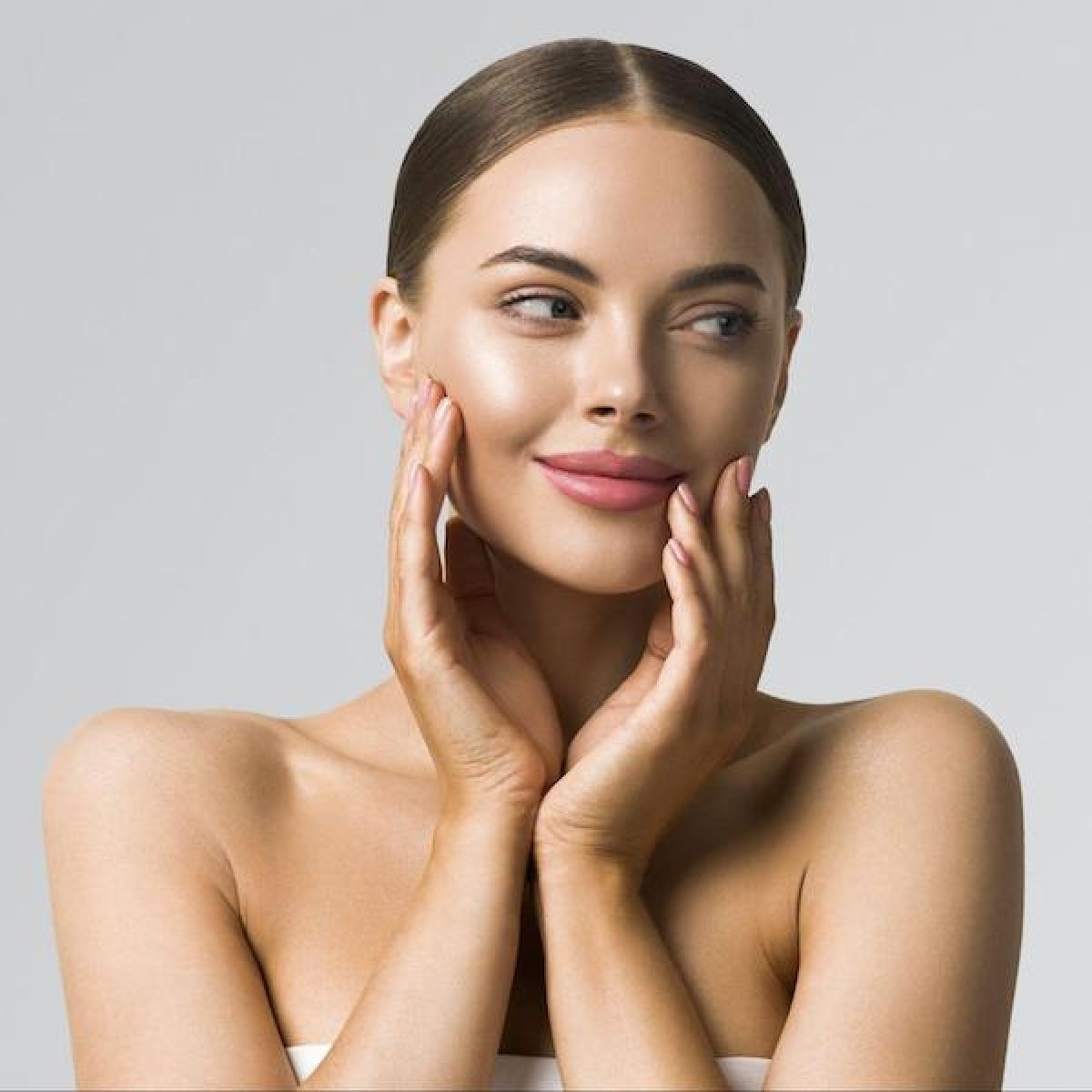
What’s next for the soft-blur skin trend?
The market shows no signs of slowing down. Forecasts for 2026 and beyond predict even more skincare + makeup hybrids, AI-driven personalized formulas (yes, really), and a growing wave of “clean blur”—without heavy silicones. With Europe’s population aging, mature skin will be at the forefront of brands’ attention.

How to set your own boundaries?
- Introduce “no-blur days” — let your skin breathe and remind you what it truly looks like
- Listen to your skin, not influencers – if a product irritates you, let it go without guilt
- Choose formulas based on your needs (hydrating blur, mattifying, anti-wrinkle), not at random
- If you have any concerns (irritation, changes in your skin), consult a dermatologist or pharmacist – it’s really worth it
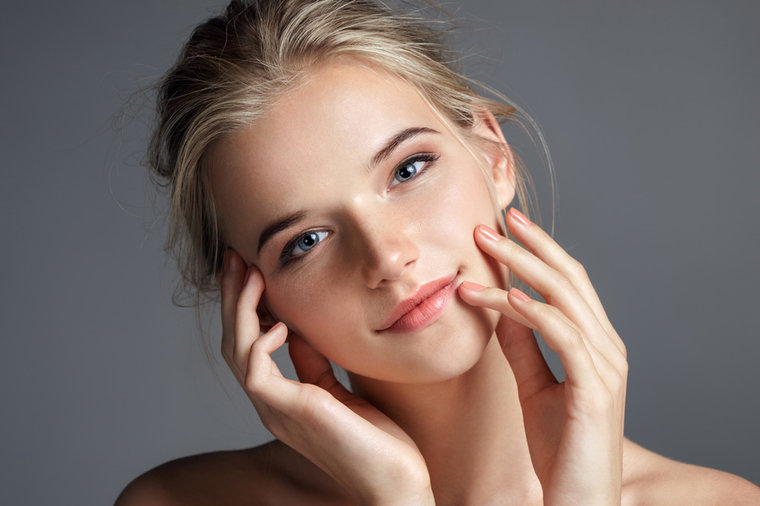
Balance is key. Sometimes you want an effect, sometimes you just want to care for your skin. And both approaches can coexist without any problem.
Majka
beauty & lifestyle editorial team
High Class