Where will fashion head in the coming years? Technology will certainly play a significant role in this industry. But that is not all. A much greater revolution may come from another side – not the technological one, but the ecological one. We could say that it is also social, because many pro-ecological initiatives, in the field of clothing, for example, are grassroots. Young people, and therefore those who will dictate trends in the coming decades, place particular emphasis on so-called sustainable development. We can already see a hint of this today.
For some time now, for example, second-hand shops, commonly known as “thrift stores”, have been fashionable. You can often find clothes from well-known and expensive brands there. The second-hand clothing market is flourishing not only because such clothes are necessarily cheaper than new ones. This is of course an undeniable, big plus, but there is something else. Buying used, undamaged clothes reduces the demand for new ones. This is an obvious loss for the manufacturer, but a small gain for the planet. In Poland alone, we get rid of 2.5 MILLION tons of textile waste per year, including over 200 thousand tons of clothes. On a global scale, this could already be tens or even hundreds of millions of tons of waste each year. This, in turn, creates demand for new clothes, and to produce them, natural resources are needed – primarily water, needed to grow cotton.
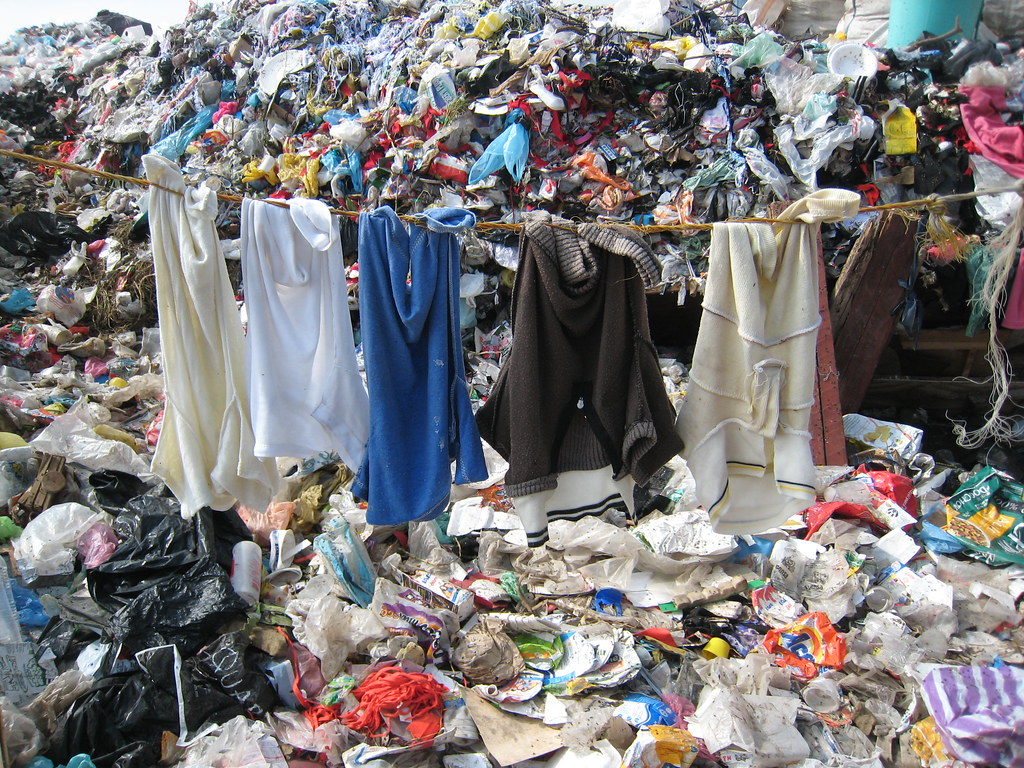
From the second-hand to the trash – not only used clothes, but also thrown away ones
Influencers who promote sustainable clothing consumption are gaining fame on the popularity of online opposition to such behavior. Some of them, like Tiffany Butler, also known as Dumpster Diving Mama, do not frequent second-hand stores, but in the hunt for a bargain, they even rummage through dumpsters! This particular influencer came across several handbags from the luxury American fashion house Coach in a dumpster – they were new. After publicizing the issue, the company promised not to destroy surplus production.
Producers cannot ignore this state of affairs. The problem is that even if they reduce the amount of waste, it will still be a drop in the ocean of ecological needs. Popular cotton requires heat and colossal amounts of water to produce. An example worth learning from is the behavior of the Soviet Union in the last century, when ambitions related to large cotton plantations in the territory of today’s Turkmenistan led to the almost complete disappearance of the Aral Sea. This is one of the greatest ecological disasters in history.

Bacteria Instead of Cotton? Sustainable Materials
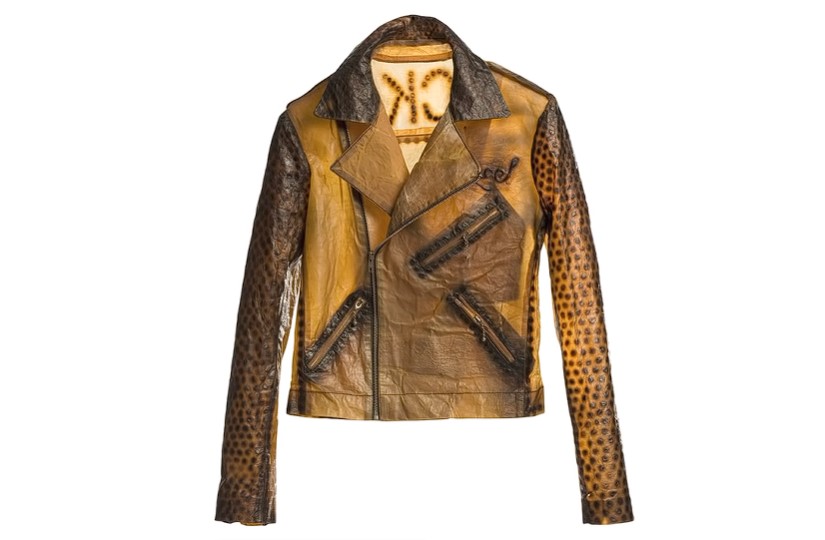
The solution is, for example, compostable materials obtained from alternative sources. The idea for a new material trend is promoted by, for example, designer Suzanne Lee. Her BioCouture jacket was created from a material created by bacteria! In a green tea bath, millions of bacteria spin cellulose fibers, which create a dense piece of fabric within a few weeks.
Will the ecological approach conquer the market? It will certainly take some time, because for now, economics is winning over ecology, and they will have to be combined in a quality way.