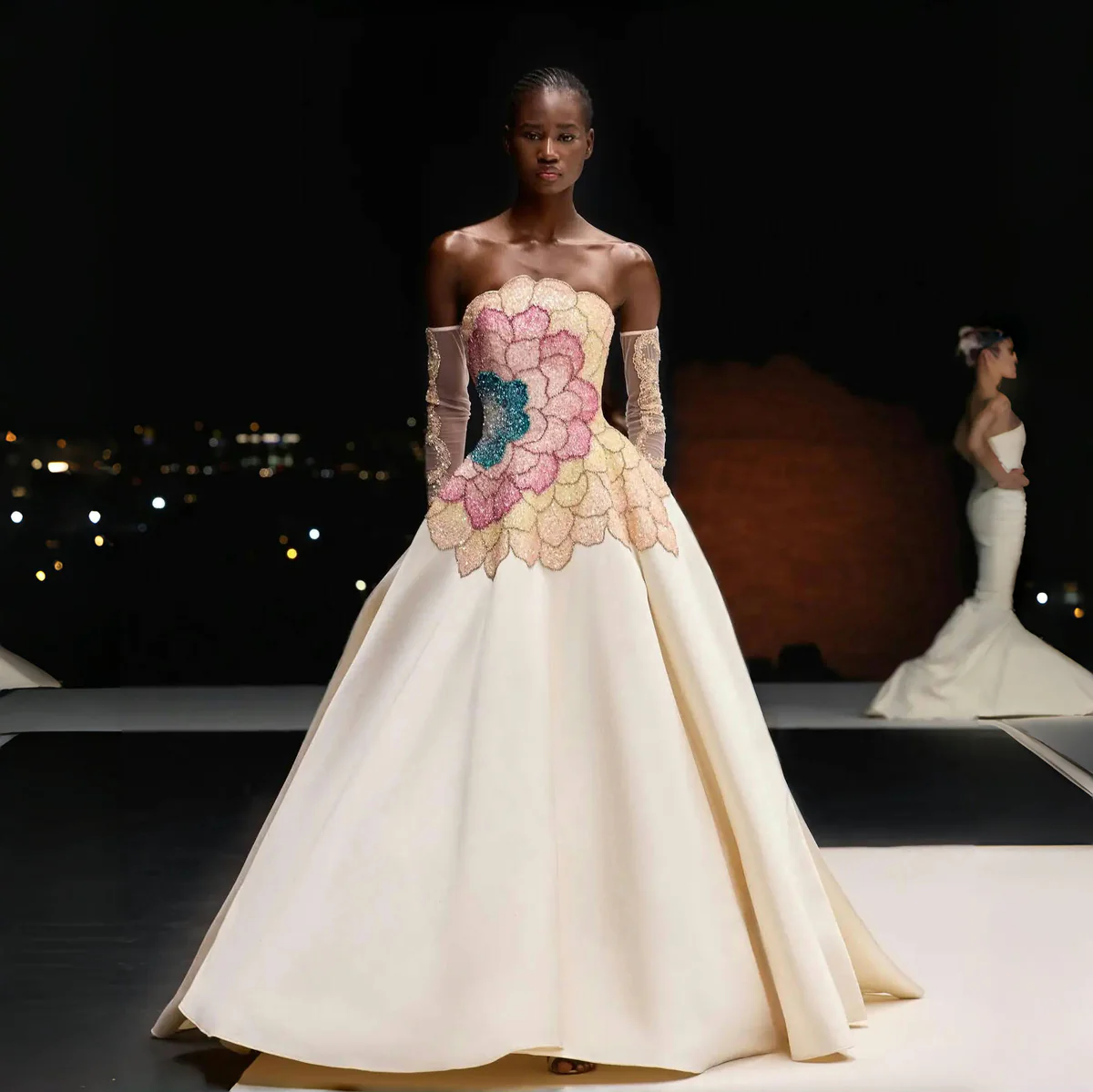
An evening gown has always been more than just a piece of clothing. The most expensive evening gown is a concept that fires the imagination not only of fashion enthusiasts, but also of the worlds of luxury, art, and big money. Its price reflects much more than just fabric and cut. It’s about history, prestige, the craftsmanship of masters, and emotions that can’t be measured in meters of silk. Let’s take a closer look at top-tier fashion, which isn’t created in haste and isn’t designed for the mass market. So what is it really like?
The most expensive evening gown – luxury that begins with a vision
The most expensive evening gowns are born in the minds of designers who treat fashion as a form of applied art. These are visions that often anticipate their time and are not created to please everyone. The designer, reaching for the finest fabrics, precious stones, or golden threads, builds a narrative meant to captivate and awe. In such creations, there is no room for compromise, as every detail must harmonize with the whole.
The design process can therefore take months, or sometimes even years, before the dress reaches its final form. Inspiration may come from works of art, architecture, history, or a specific person for whom the creation is made. This is fashion that does not follow trends, but defines them itself. Here, the designer becomes an artist, and the dress is their manifesto. The price starts to rise already at the concept stage, because a unique vision cannot be valued like a mass-produced product.
Fabrics that drive the price to the limits of imagination
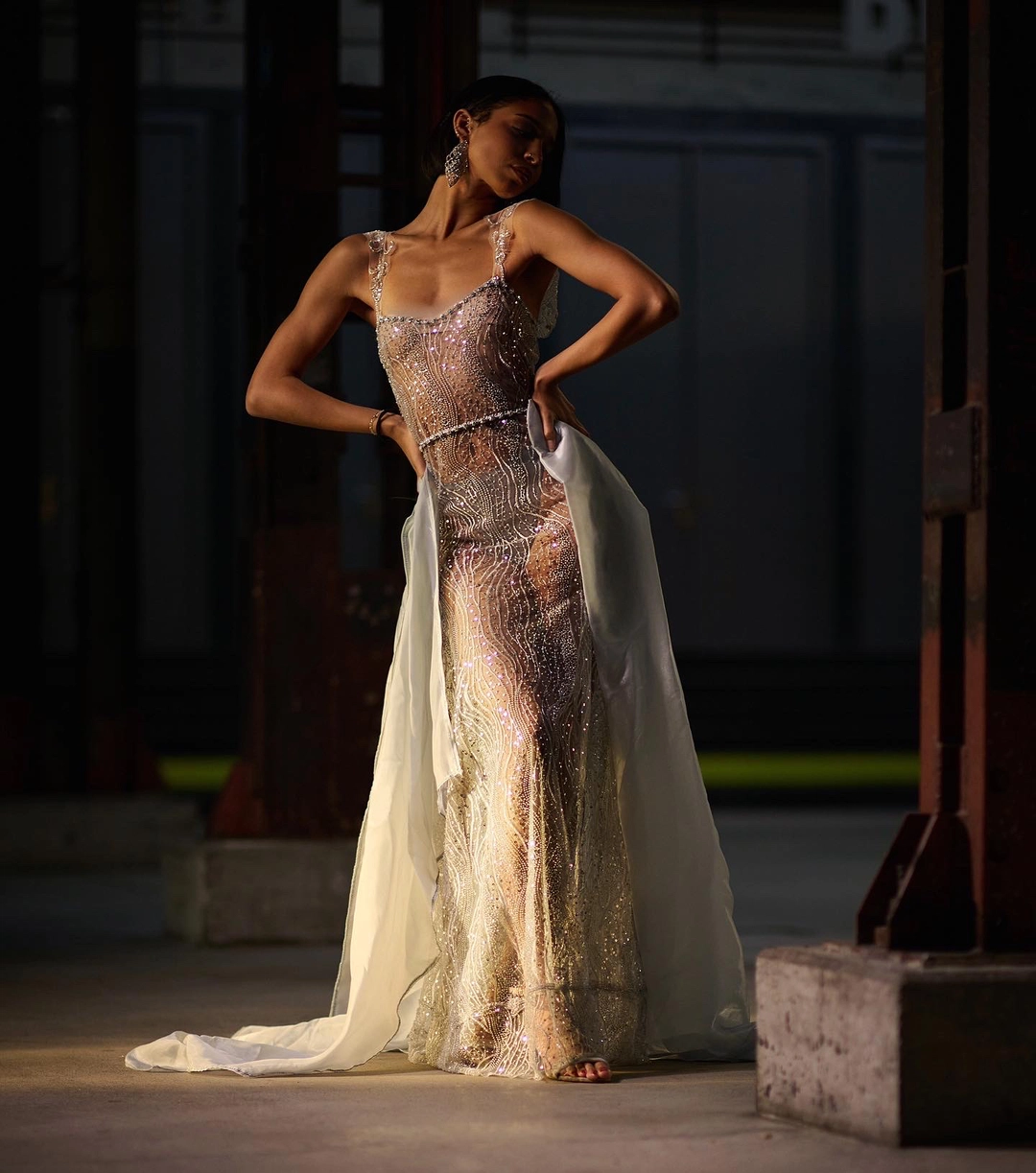
One of the key factors influencing why the most expensive evening gown reaches astronomical prices is the materials used. These, already at the selection stage, eliminate any compromises . The highest quality silk, hand-woven lace from centuries-old workshops, rare embroidery crafted with traditional techniques, or exotic leathers are just the beginning of this impressive list. The most spectacular designs feature diamonds, sapphires, pearls, and gold, all hand-sewn by jewelers collaborating with renowned fashion houses. Each stone is selected for its clarity, color, and cut. And setting it requires precision comparable to the creation of haute joaillerie jewelry.
Fabrics are often created on special order and do not appear in any other collection, which further emphasizes their unique character. Sometimes, the material is dyed by hand in several stages to achieve the perfect shade and depth of color. The cost of raw materials alone can exceed the price of a luxury apartment in a prestigious location. Here, the material serves not only an aesthetic function but also becomes a carrier of prestige, history, and artisanal craftsmanship. It is the fabric that determines how the dress drapes on the figure, how it moves, and how it reacts to light.
Time as currency
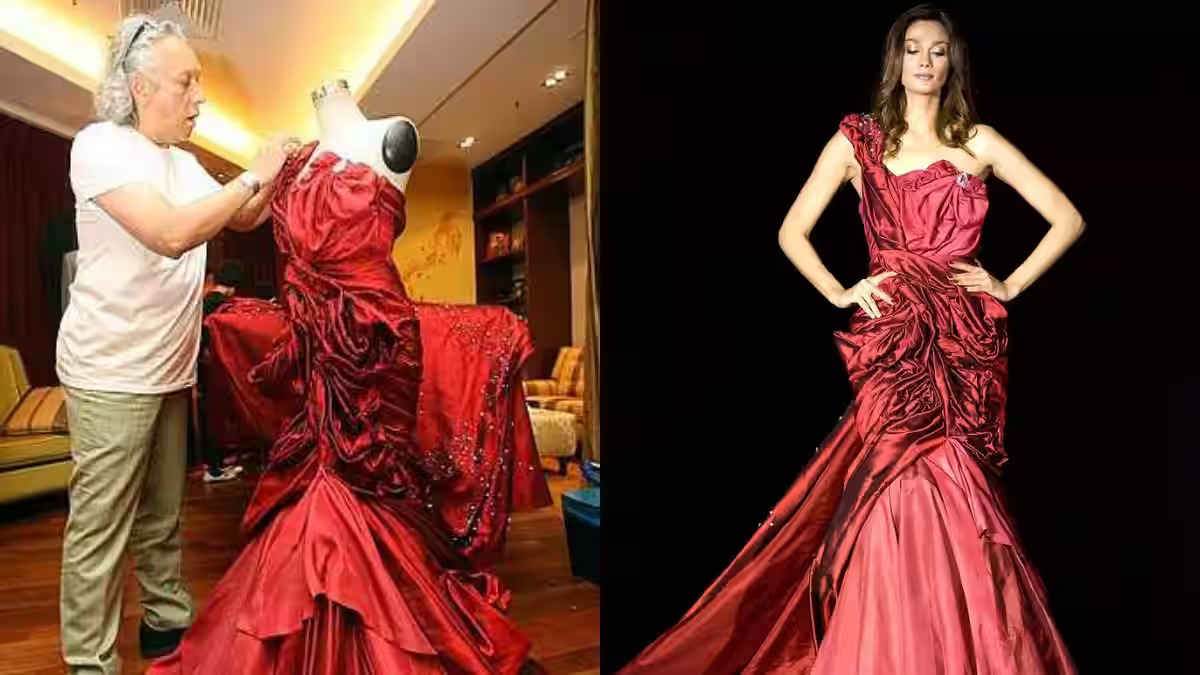
Another important aspect is the fact that the most expensive evening gowns are created by teams of artisans who have often devoted their entire lives to perfecting their craft. Embroidery, appliqués, and the construction of the gown require hundreds, sometimes thousands, of hours of work, spread over many weeks or months. Each element is created unhurriedly, with almost meditative precision, because in the world of
It happens that an entire section of the construction is dismantled and rebuilt from scratch to achieve perfect proportions and lines. Every seam is checked multiple times, and even the smallest mistake means the section must be started over. Handcrafting ensures that each creation is unique, even if made in a similar style or according to the same designer’s vision. This uniqueness, impossible to reproduce on a mass scale, increases its value and prestige. The client is not buying a product, but the result of human hands, talent, and experience often passed down from generation to generation.
Diversity of approaches to luxury
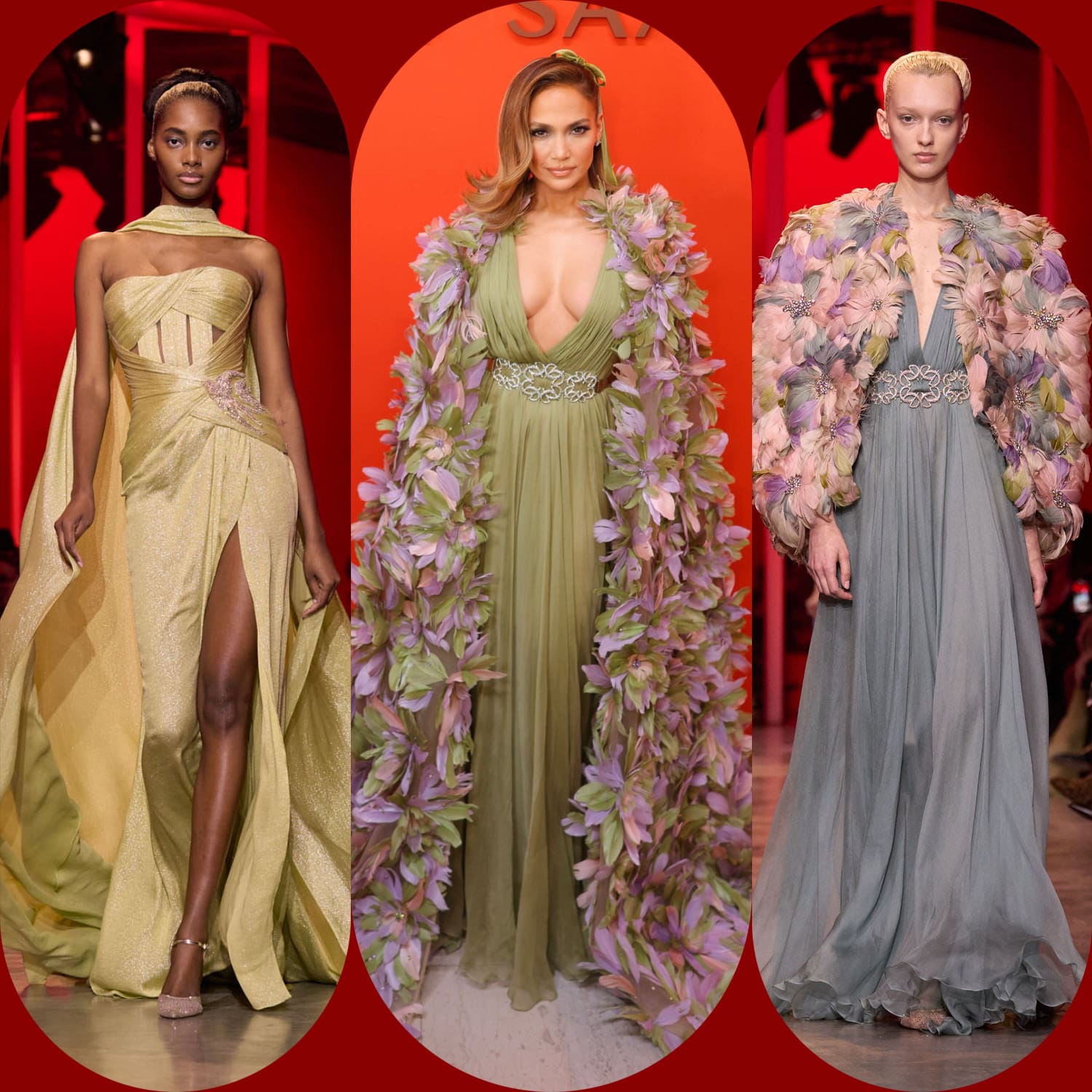
In the contemporary world of fashion, the most expensive evening gown is increasingly created in the ateliers of fashion houses that have been consistently building their status for years through haute couture and limited-edition designs. Brands such as Dior, Chanel, Valentino, Oscar de la Renta, and Elie Saab craft creations that are synonymous with absolute luxury and masterful craftsmanship. Their evening gowns regularly appear on the red carpets of the Cannes festival, the Oscars gala, and the Met Gala, where they become the main topic of conversation and analysis among stylists.
And yet, in the world of premium fashion, price records continue to push the boundaries of imagination. One of the most spectacular creations ever made is the “Nightingale of Kuala Lumpur”. It was designed by Faisal Abudullah from the Jendela Fashion house. This stunning silk gown was valued at around 30 million dollars, making it currently the most expensive dress in the world. Inspired by poetry and oriental luxury, it captivates not only with its color but above all with its spectacular wealth of details. It is adorned with over 750 diamonds, with the centerpiece being a 70-carat pear-shaped diamond, crafted by renowned jewelers.
Such records demonstrate that the most expensive evening gowns are created with a global audience and the power of imagery in the media in mind. Where a single creation can travel the world within a few hours. Despite a modern approach, they are still crafted with artisanal precision, often in limited editions or as entirely unique designs. It is precisely the combination of the growing recognition of the luxury brand, a distinctive artistic vision, and intensive handwork that makes their value reach millions.
The most expensive evening gown as a manifesto
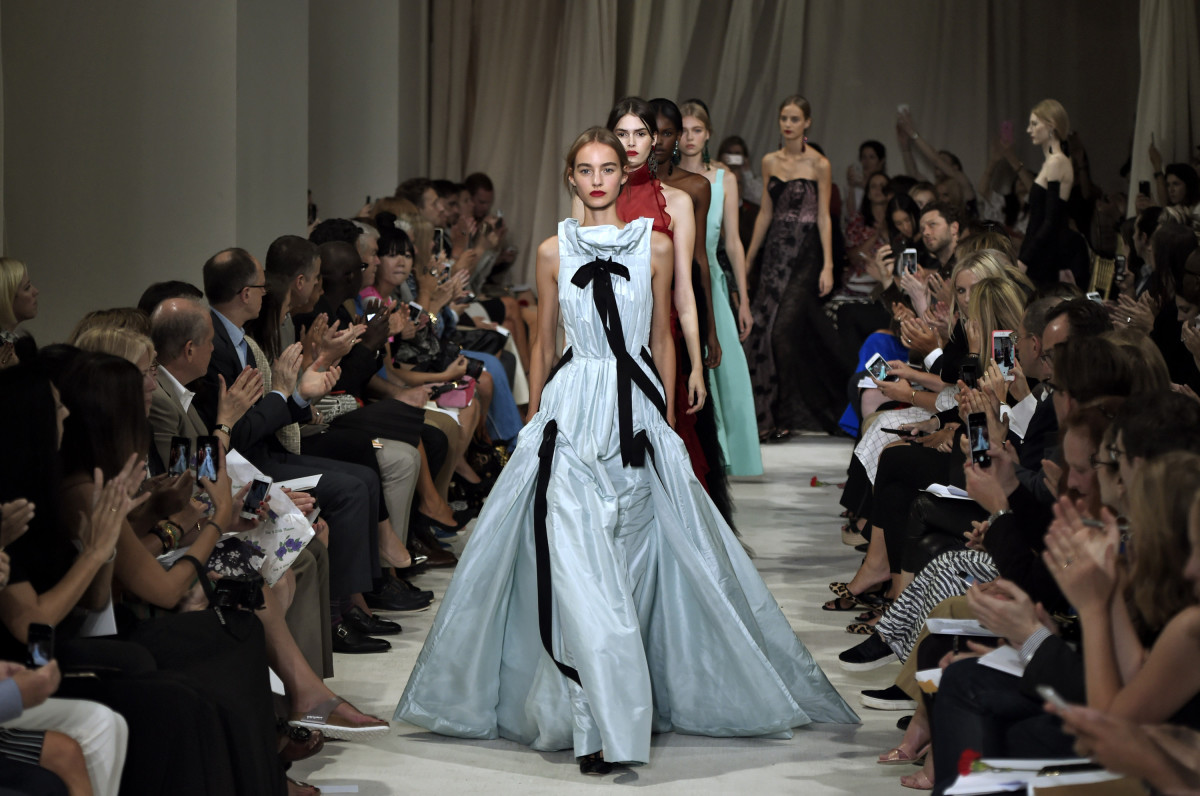
Evening gowns very often cease to be merely clothing and begin to function as a real investment and a symbol of social and financial status. Such creations, fulfilling their purpose, appear on red carpets, prestigious galas, and events broadcast worldwide, which become part of pop culture and fashion history. They are worn by, style icons, members of royal families, and luxury collectors, for whom the price is secondary to the prestige and publicity that a given creation brings.
The dress becomes part of a carefully crafted image and a tool for narrating one’s own status, strength, and individuality. Often, a single spectacular styling can be remembered by the media and the public for years, granting its owner the status of an icon. Some of these creations end up in fashion museums, couture house archives, or private collections after their “career” is over, where they gain historical and collectible value. Over time, their price can increase, much like works of art or unique jewelry. In this context, the initial cost is no longer surprising, as it becomes an investment in immortality within the world of fashion and culture. A creation that once captivated the world remains forever a part of the collective imagination.
Is fashion really worth its price?
The question of whether exclusive evening dresses are worth their price does not have a clear-cut answer. Value in luxury fashion has never been measured solely in money. For some, it will be an extravagant expense, an object of fleeting admiration, or a status symbol. For others, it is the fulfillment of a dream, a form of art, and a testament to individual taste. The value of such creations does not stem solely from the cost of materials or the hundreds of hours of artisans’ work, but from the emotions, history, prestige, and narrative they carry. In this context, a dress becomes more than just clothing. It is an experience that engages the imagination, inspires awe, and creates memories.
This is fashion created not with everyday functionality in mind, but for exceptional moments that remain in memory for a lifetime. Every detail, every embroidery, and every stone matters, and the entire construction tells a story about a new edition of luxury in its purest form. In a world where everything is instantly available, such designs remind us of the power of time, patience, and vision. These are the values behind true craftsmanship. The price ceases to be just a number and becomes a narrative, a symbolic emotional and social value. For fashion lovers, it is proof that clothing can be much more than just a wardrobe item: it can be a manifesto of style, courage, ambition, and personal expression.