
Imagine that every day, around a million people worldwide go skiing. It sounds abstract, but the global ski market generates about 400 million visits annually—for comparison, Paris attracts “only” 30 million tourists a year. We’re talking about an industry worth over $100 billion, with Europe still holding around 40% of the market share.
But what does it actually mean to be the “largest” ski resort? That’s where the discussion gets interesting. Some measure by the length of slopes—certain complexes offer over 600 kilometers of groomed runs. Others look at the number of lifts, total area in hectares, or annual attendance. The problem is, these metrics often don’t align.
Największe ośrodki narciarskie świata – białe imperia rankingu!
A resort with the longest slopes doesn’t necessarily have the most lifts. And the one with the largest area might serve fewer skiers than a compact resort with better infrastructure.
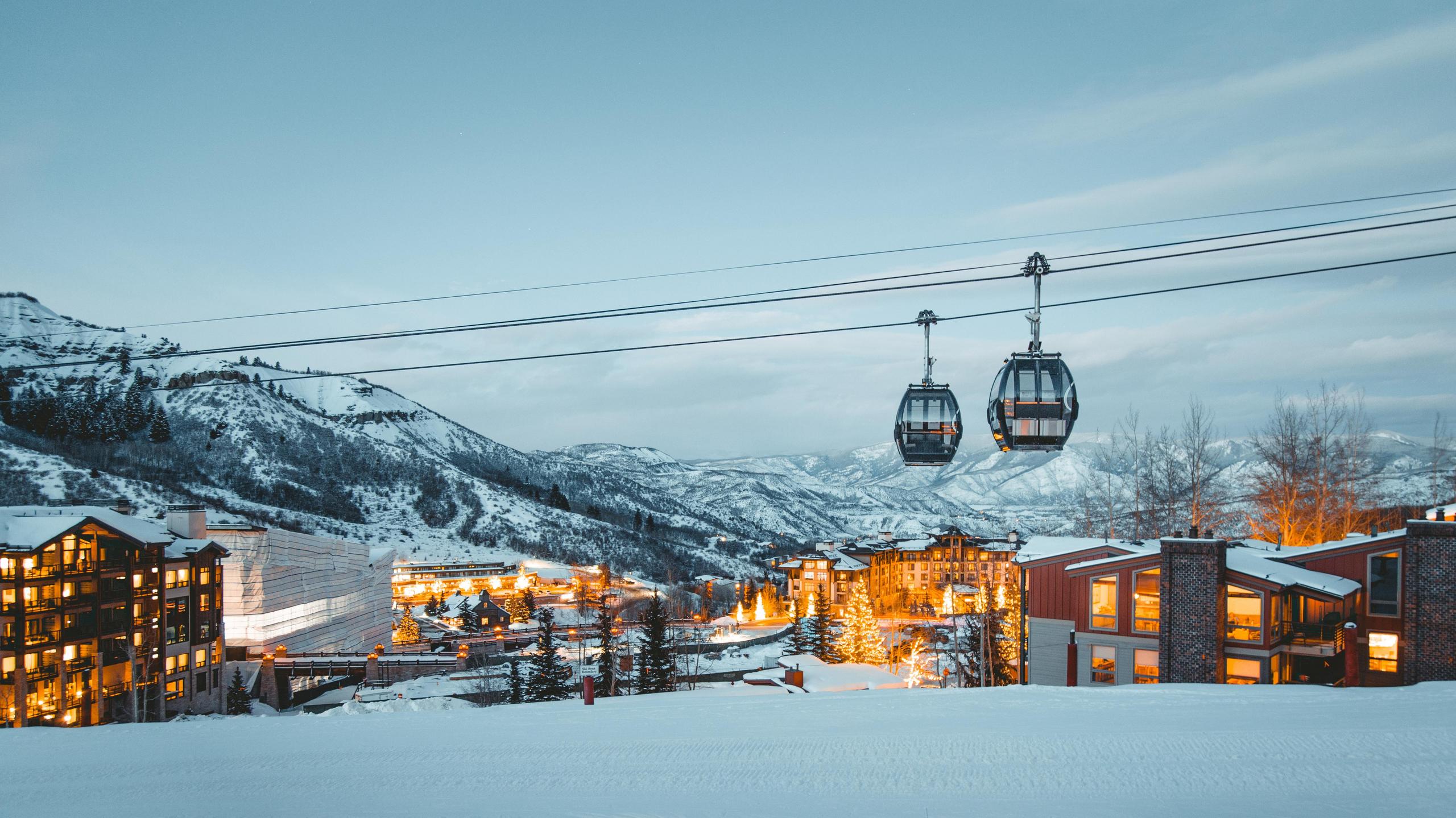
The year 2025 marks a turning point in this regard. First, the ski market is rebounding after the pandemic and reaching record levels. Second, we’re witnessing something fascinating—a geographical shift toward indoor snow halls.
Traditional “white empires” in the Alps or the Rockies still dominate in terms of outdoor scale. But at the same time, massive indoor complexes are emerging in Asia and the Middle East. These two worlds operate by completely different rules—snow halls can run 365 days a year, offer controlled conditions, but have limited space.
The difference is fundamental. Outdoor means tens of thousands of hectares, hundreds of runs, mountain climate. Indoor is about meticulously designed spaces, where every square meter is planned, and the snow is produced by machines.
It’s interesting that some countries without mountains are investing billions in indoor halls, while Alpine resorts are expanding mainly horizontally, connecting neighboring valleys. These are two different approaches to the same business.
In the next sections, we’ll take a closer look at the giants—first outdoor, then indoor. Because the numbers can surprise even seasoned skiers.
Mountain giants: the largest outdoor resorts
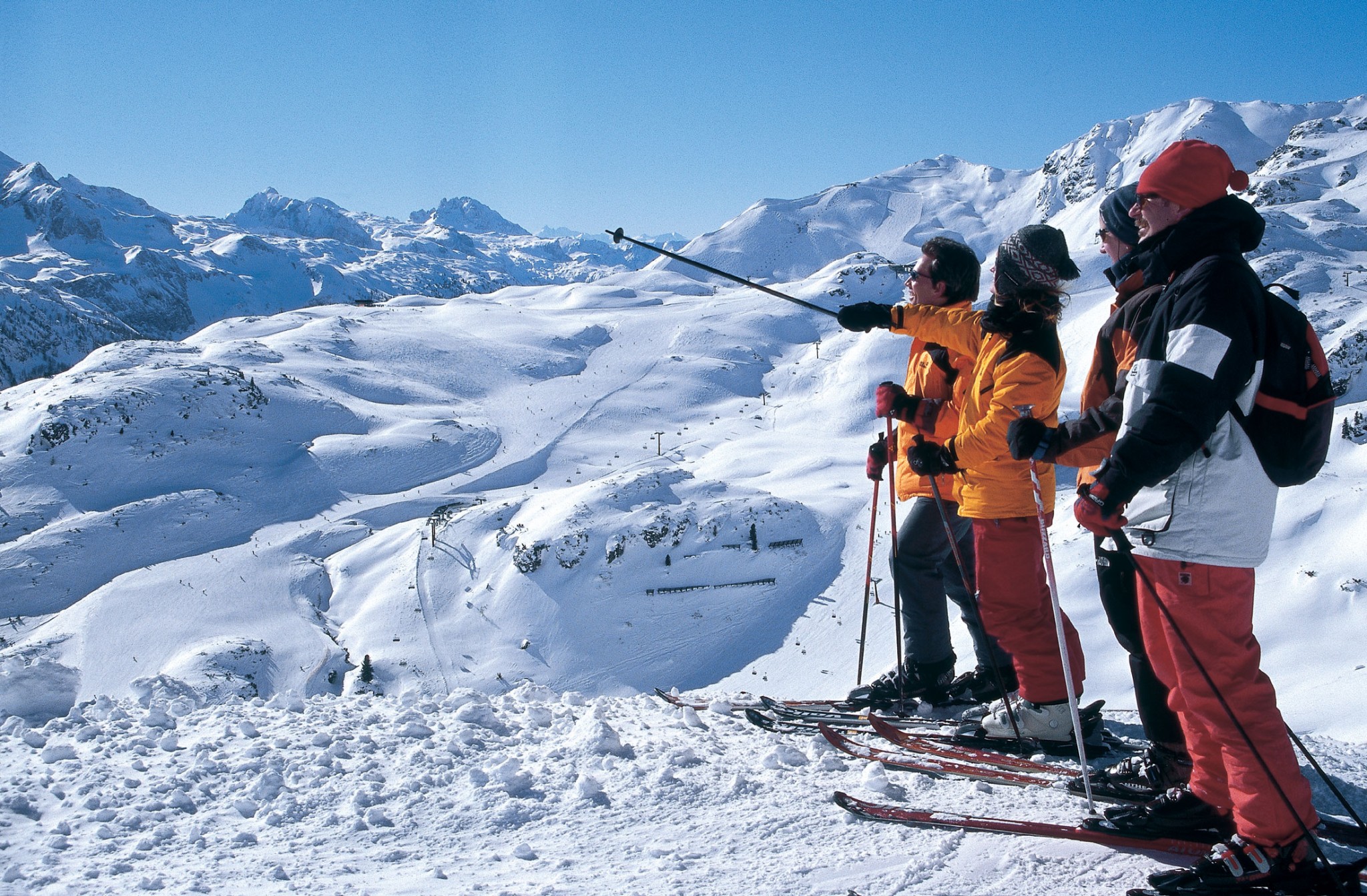
When we talk about the world’s largest ski resorts, it’s all about the numbers: kilometers of slopes, number of lifts, and annual visitor counts. These outdoor giants are true cities on the slopes.
| Place | Name | Country | Km of routes | Extracts | Highest point | Visits/year |
|---|---|---|---|---|---|---|
| 1 | Portes du Soleil | FR/CH | 650 | 194 | 2,466 m | 5.2 million |
| 2 | Les 3 Vallées | France | 600 | 180 | 3,230 m | 4.8 million |
| 3 | Vail Resorts (network) | USA | 1,000+ | 450+ | 3,914 m | 15+ mln |
| 4 | Whistler Blackcomb | Canada | 200 routes | 37 | 2,284 m | 2.5 million |
| 5 | Paradiski | France | 425 | 134 | 3,250 m | 2.1 million |
Portes du Soleil is a true giant – 650 kilometers of slopes stretch between France and Switzerland. In 2025, the modernization of the gondola network was completed, making it even easier to move between the 12 resorts. You can literally ski down to France for breakfast and return to Switzerland for lunch.
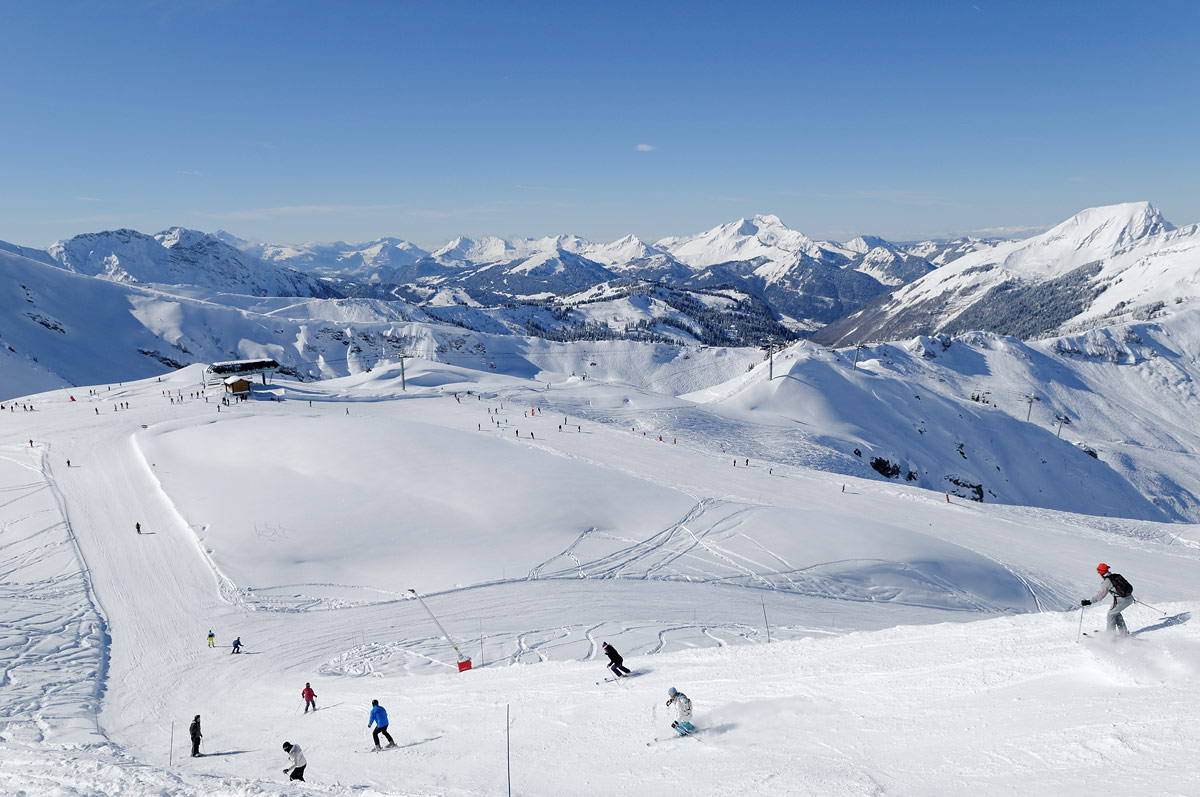
Les 3 Vallées held the crown as the largest resort for a long time. 600 kilometers of slopes across 8 valleys means several villages integrated into one ski area. Morzine, Courchevel, Val Thorens—each has its own character, but all are connected by a single ski pass.
Fun fact: The Epic Pass from Vail Resorts is a game-changer—one pass gives you access to 37 resorts in North America and Europe.
Whistler Blackcomb may have “only” 200 runs, but 2.5 million visits a year is impressive. It proves that it’s not always about the length of the slopes, but also the quality of the snow and off-slope infrastructure.
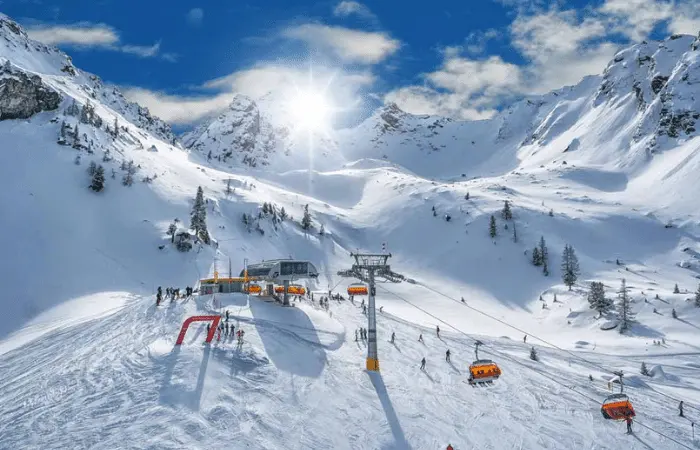
Fun fact about Paradiski – this resort was created by merging La Plagne and Les Arcs. The Vanoise Express, the longest cable car in the world, connects these two areas in just 4 minutes.
Outdoor resorts do have their limitations – weather, season, altitude. That’s why more and more people are turning their attention to alternatives.
Under the Snow Roof: Record-Breaking Indoor Resorts
Minus forty degrees inside, thirty above zero outside. Sounds like science fiction? In Shenzhen, it’s already a reality.
Qianhai Snow World, opened in September 2025, is a true giant among indoor ski halls. One hundred thousand square meters of space, five slopes, the longest stretching 463 meters. An elevation difference of eighty-three meters—definitely not for beginners. But that’s the point: to create something more than just a playground.
Ski Dubai is still impressive, even though it’s been operating since 2005. Twenty-two and a half thousand square meters may be less than Qianhai, but pioneers have their privileges. A constant temperature of minus four degrees, penguins strolling on the snow, families with children shouting with joy. For many, it was the first place they ever put on skis.
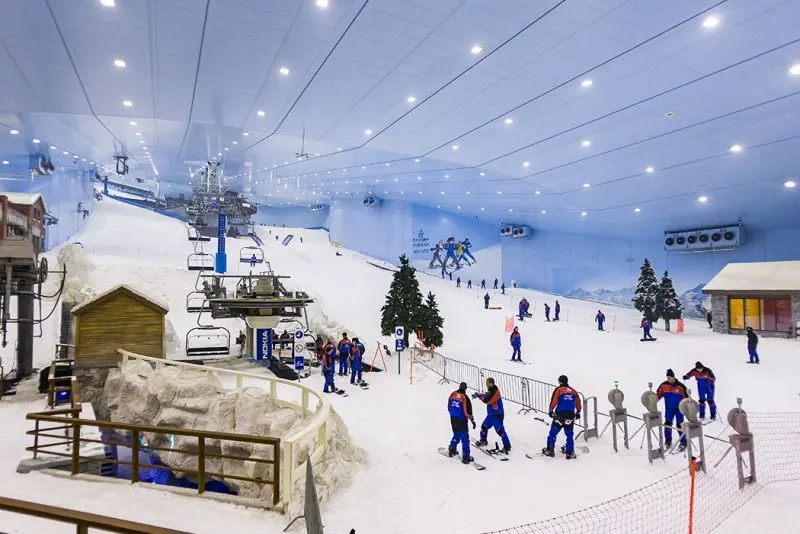
Snow World in Harbin shows just how seriously China takes winter sports. It’s not just a hall—it’s an entire complex with a park of ice sculptures. The north of the country has a natural advantage, but they still invest heavily in technology. There, snow isn’t just fun—it’s big business.
The cooling technology in Qianhai deserves special mention—the system uses artificial intelligence to monitor temperatures in different zones of the hall.
These numbers are impressive, but the real revolution is accessibility. Someone living in the tropics can learn to ski without ever leaving the city. It sounds strange, but that’s exactly what the future of winter sports looks like.
Energy costs? Astronomical. But in countries where the temperature doesn’t drop below twenty degrees for half the year, it’s the only option. And people pay, because the alternative is a flight to the Alps or giving up on their skiing dreams.
Ski halls are no longer a curiosity. They’re becoming part of urban infrastructure, like swimming pools or tennis courts. Only instead of water, there’s snow, and instead of sunlight, there are floodlights. This changes everything about the way the world approaches winter sports.
The slope of the future – where are ski mega-resorts headed?
Ski mega-resorts are facing the biggest transformation in their history. Climate change, growing competition from indoor halls, and increasing pressure for sustainability are forcing the industry to radically rethink its strategies.
The numbers speak for themselves—experts predict that by 2030, more than 50 new indoor ski halls will open in Asia alone. The total value of the indoor market is expected to reach $20 billion. This is no coincidence. In China and South Korea, indoor ski centers are becoming the main way to attract new skiers, who may later venture into the mountains.
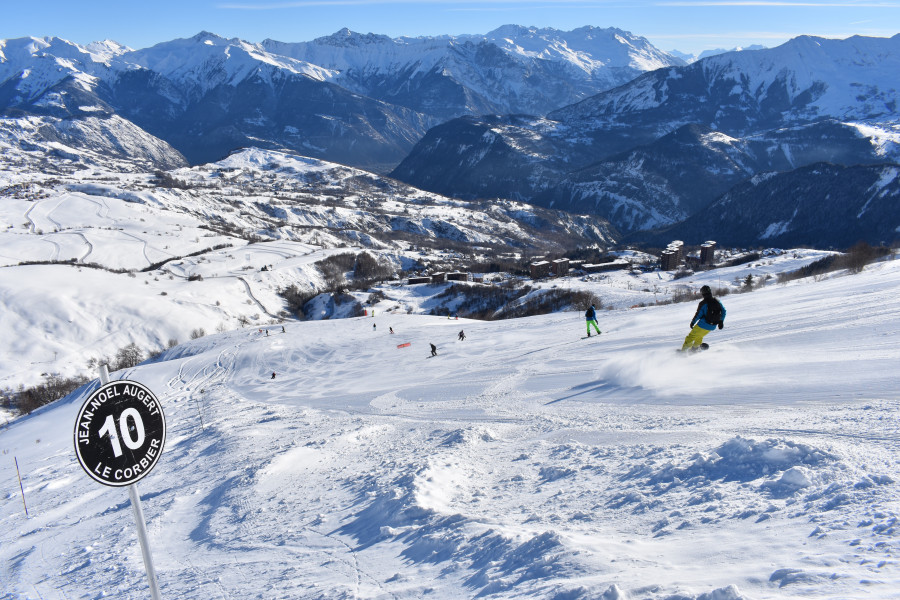
At the same time, the IPCC warns of dramatic changes in the Alps. The ski season is expected to shorten by 30 percent by 2050. This means less snow, higher temperatures, and the need for massive investments in artificial snowmaking. Some resorts are already considering a complete shift in their business model.
Technology is trying to save the day, but is it enough? In 2025, several resorts are testing drones for avalanche monitoring, VR systems for ski training, and electric lifts. It sounds futuristic, but the costs are enormous. Not every resort can afford such experiments.
The truth is, the ski industry is at a turning point. Traditional resorts must compete with air-conditioned indoor centers that operate 365 days a year. Young skiers are increasingly choosing the convenience of indoor skiing over the unpredictability of mountain weather.
To remember:
| Trend | Why it matters | What does this mean for skiers |
|---|---|---|
| Indoor hall boom in Asia | 50+ new properties by 2030 | More options, lower prices thanks to competition |
| Shorter season in the Alps | 30% fewer days with good snow | Travel planning will become more challenging |
| Rescue technologies | VR, drones, electric instead of diesel | Safer, but more expensive |
Maybe it’s worth considering now what our ski holidays will look like in 10 years. Some of us will probably spend them in indoor ski halls, while others will look for resorts higher up in the mountains. One thing is certain—nothing will remain the same as before.
Jean
lifestyle editor
High Class Fashion