
Why does a brand selling T-shirts for 120 zł sometimes evoke associations with exclusive fashion? This question arises when someone first hears about Tom Tailor in the context of luxury brands. Indeed, the line between “accessible” and “premium” is often quite blurred these days.
The story began rather modestly—in 1962, a company was founded in a Hamburg warehouse with the aim of revolutionizing casual wear. The founders probably didn’t expect their idea to grow into an international brand. At that time, Hamburg was associated more with its port than with fashion.
Is Tom Tailor a luxury brand?
Today, Tom Tailor operates in 21 countries, and you can find its stores almost everywhere. That doesn’t exactly sound like the typical strategy of a luxury brand, which usually focuses on exclusivity and limited availability. But maybe there’s a method to this approach?
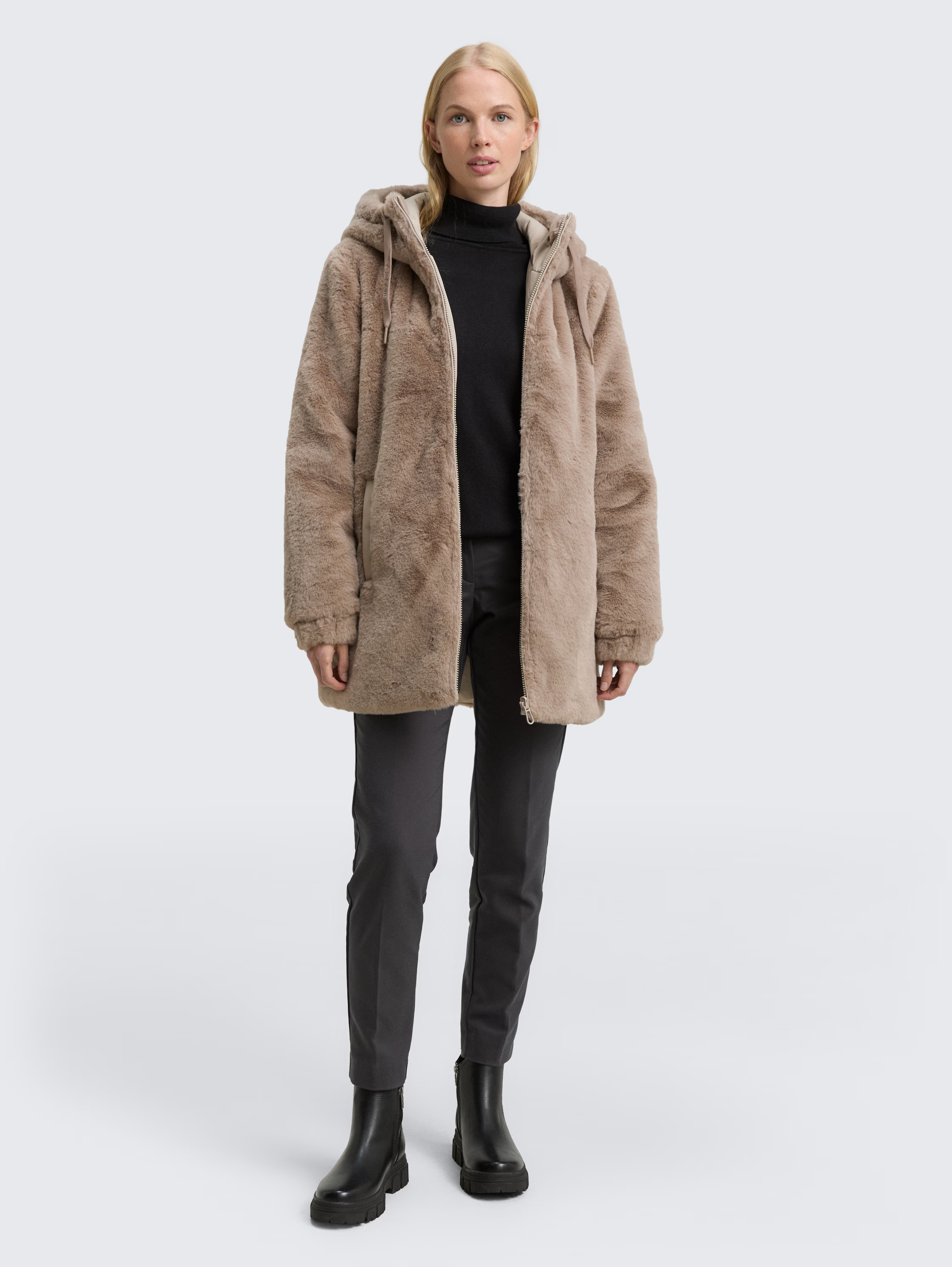
To answer the main question, it’s worth taking a closer look at a few key aspects:
- How does Tom Tailor compare to the classic criteria of luxury brands
- Do the prices and product quality justify the ” premium ” positioning
- How does the brand build its image, and does it actually work
It turns out that the answer is not as obvious as it might seem at first glance.
To break it all down, we first need to define what “luxury” actually means in today’s fashion world.
Luxury criteria vs. Tom Tailor profile
Luxury in the fashion industry is not just about a high price tag, although that’s what most people think. The real criteria are much more complex.
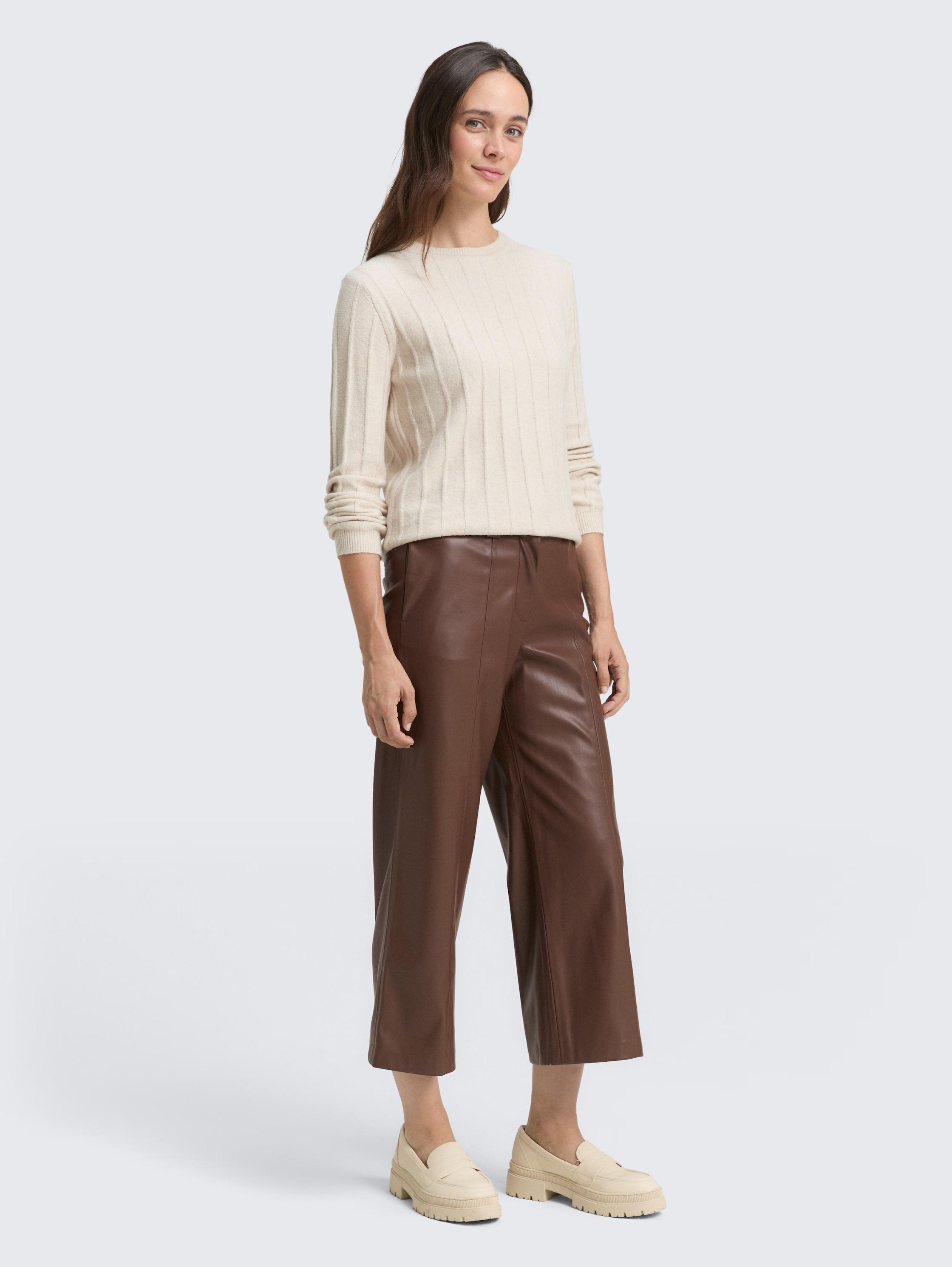
Experts identify four main pillars of luxury. The first is price—but not every expensive item is truly luxurious. The second pillar concerns distribution—luxury brands strictly limit availability. The third element is craftsmanship and quality. The fourth pillar is brand prestige and heritage.
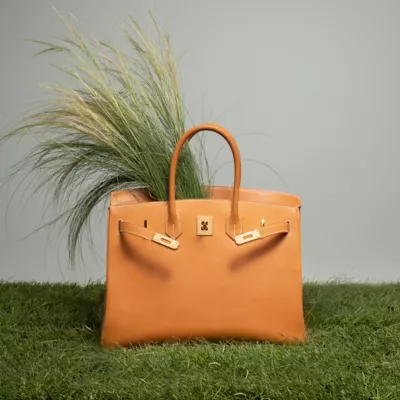
Tom Tailor fares rather poorly against these criteria. Their T-shirts cost around 30-50 EUR, and trousers 60-90 EUR. Luxury handbags start at 1,000 EUR, while dresses from renowned fashion houses are an expense of 2,000-5,000 EUR.
| Criterion | Tom Tailor | Luxury fashion house |
|---|---|---|
| Price | 20-200 EUR | 1,000–10,000 EUR |
| Distribution | 400 stores, thousands of partners | Limited edition boutiques |
| Production | Mass, mainly Asia | Hand-sewn, Europe |
| Heritage | Since 1993 | Often over 100 years |
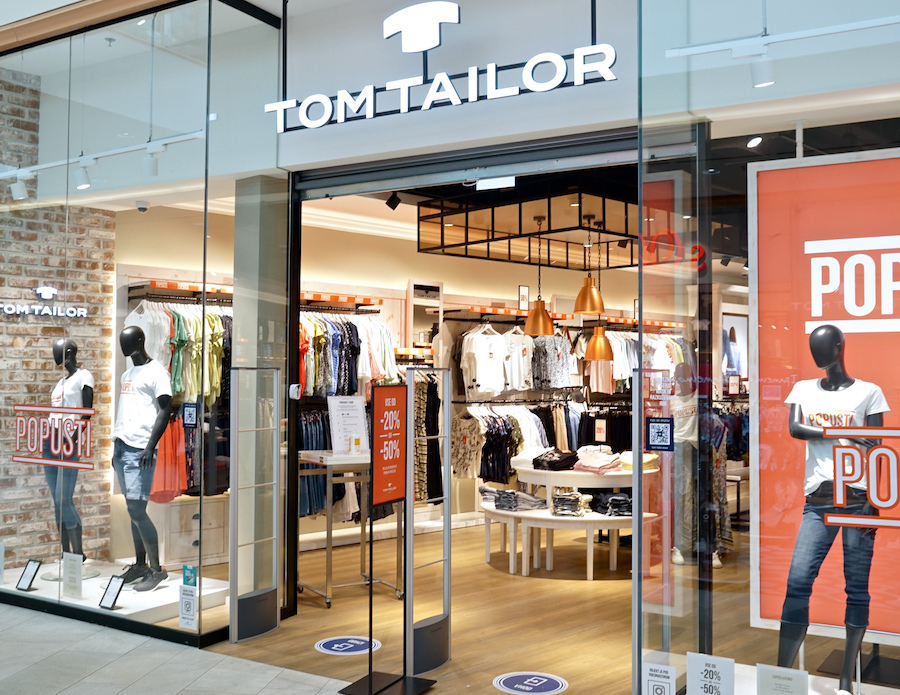
The difference in distribution is huge—Tom Tailor has stores almost everywhere, while Gucci and Hermès deliberately limit the number of sales points.
Craftsmanship is another major gap. Tom Tailor mass-produces in Asian factories. Luxury brands often handcraft their products in European ateliers. A single Chanel bag can take several days to make, while a Tom Tailor T-shirt is produced in just a few minutes by machine.
Heritage prestige also doesn’t work in favor of the German brand. Tom Tailor was founded in 1993, so it has only 30 years of history. For comparison, Louis Vuitton has been around since 1854, and Hermès since 1837.
These numbers clearly show that Tom Tailor does not meet the basic criteria of luxury. The brand falls into the mainstream fashion segment, or at most premium casual. This is not a criticism—it’s simply a different market positioning.
It’s interesting, however, how this difference translates into actual consumer perception and sales performance in both segments.
Hard data and opinions – market and consumer analysis
Numbers don’t lie, so it’s worth taking a look at the actual figures for Tom Tailor. You can spin all sorts of stories about a brand, but statistics reveal the real picture.
The finances speak for themselves
Tom Tailor’s revenues in 2023-2024 hover around EUR 900-950 million. That sounds impressive, but net profit? Around EUR 20 million. For comparison — true luxury brands often have margins of 15-20%, while here we’re talking just over 2%.
A bar chart of revenues would show Tom Tailor positioned somewhere between mass market and premium, but far from luxury giants like Louis Vuitton or Hermès, which generate much higher revenues at a smaller production scale.
The scale of distribution says it all
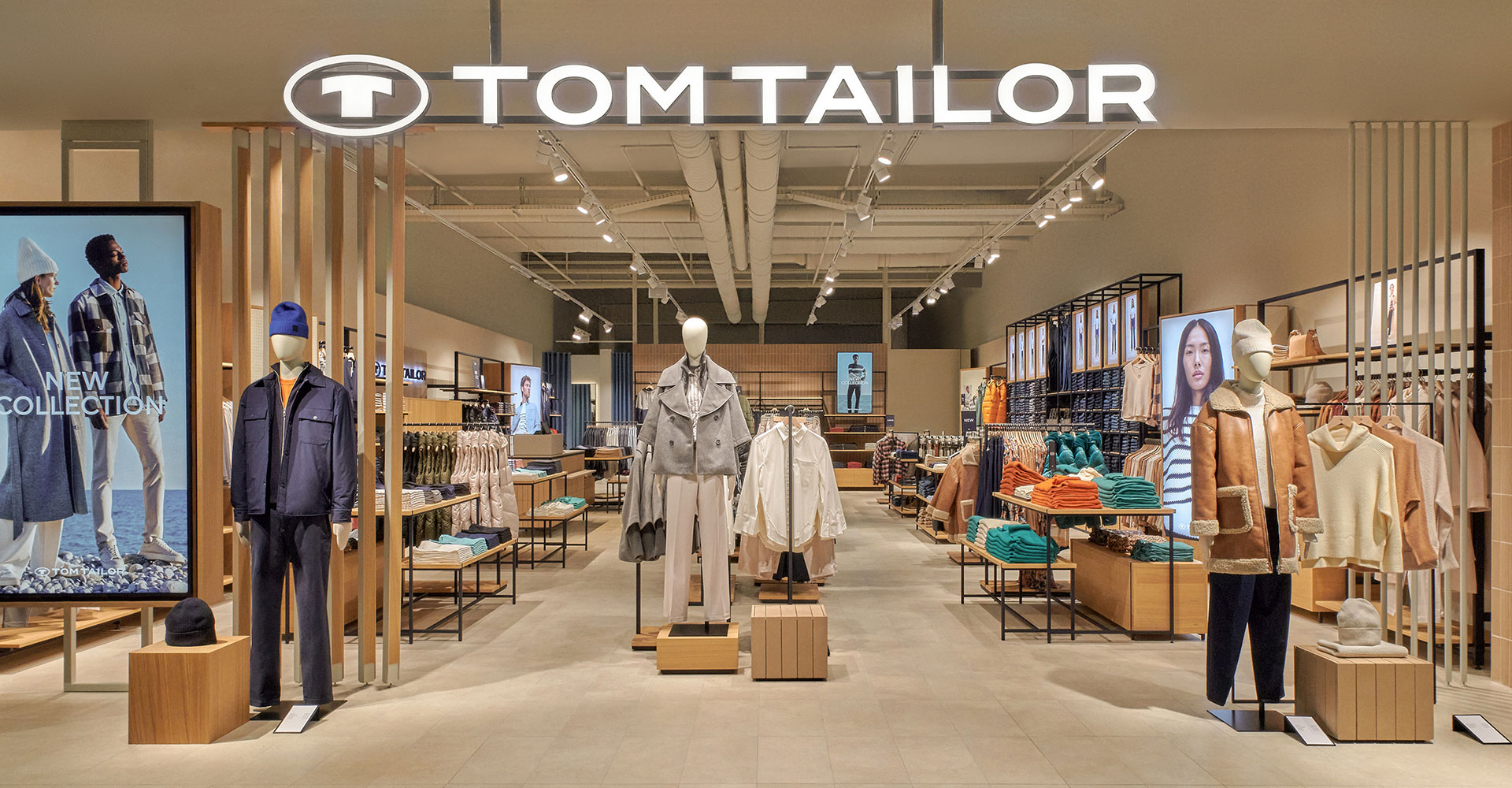
Over 4,600 points of sale in 21 countries. Number of employees? 3,000. These figures are the textbook definition of a mass-market brand with aspirations. Luxury is about exclusivity, not being available on every corner.
After all, how can you talk about luxury when a brand is practically everywhere? It’s a bit like McDonald’s—it might be good, but luxury it is not.
The voice of consumers on social media
An analysis of X (formerly Twitter) shows around 100 mentions per month about German fashion, with Tom Tailor appearing only occasionally. An average of 20,000 post views is a decent result, but hardly impressive.
“Tom Tailor offers solid quality at a reasonable price, but luxury? You must be joking.”
“I’ve been wearing TT for years and I’m happy with it, but it’s not a brand I show off on Instagram.”
These comments accurately reflect reality – consumers see the brand as practical, but not prestigious.
However, the most telling is the 2024 KPMG statistic: Tom Tailor’s share of the Polish luxury market is less than 1%. That essentially ends the discussion about the brand’s luxury status.
A mini-infographic would look like this: 950 million EUR in revenue vs 20 million EUR in profit vs <1% share in the luxury market. The proportions speak for themselves.
The numbers leave no illusions – Tom Tailor is a mass-market brand with some premium elements, but far from true luxury. What does this mean for someone considering a purchase?
How to Make Informed Choices: Practical Takeaways for Shoppers
The most important thing to remember is that a brand in the mid-range segment can do great things, but that doesn’t make it a luxury brand. Tom Tailor is a good example of a company that knows its place.
To avoid falling for marketing tricks, it’s worth having a simple checklist:
- Price – if a T-shirt costs 150 PLN instead of 1500 PLN, that already says something
- Point of sale – shopping malls vs. city center boutiques
- Materials – cotton vs. cashmere or silk
- Limited editions – are they really that rare
- Brand history – how old is it and where does it come from
Someone might say that this approach is too simple. Maybe so, but it works.
ECOLOGY IN PRACTICE
40% of the Tom Tailor 2025 collection is made from eco-friendly materials
Here you can see how to evaluate brands by more than just their price. Instead of looking for the “eco-friendly” label, it’s better to check the actual numbers. Tom Tailor provides percentages, which actually means something. Other companies sometimes just say “we care about the environment” and leave it at that.
The luxury market in Poland is expected to grow to 60 billion PLN by 2025. That’s a lot of money, but Tom Tailor will grow at its own pace of 10-15% within its segment. There’s nothing wrong with that—everyone has their own place.
What can you do today?
First, buy Tom Tailor at outlets or during sales. That’s when you get the best value for money. There’s no point in paying full price for clothes in this price range.
Second, if you want to invest in something more expensive, do it consciously. One good jacket for 2000 PLN can last you 10 years. Five jackets for 400 PLN each often won’t.
Third, stop worrying about what others think of your clothes. The most important thing is that you feel good and that your clothes fit your lifestyle.
Sometimes I wonder if people aren’t making life more complicated with all these divisions between luxury and non-luxury. In the end, the best purchases are the ones you’re happy with for years, no matter how much they cost.
Marini
editor
High Class Fashion