
Table of contents
- Is Urban Decay owned by L’Oréal? A quick answer and broader context
- How it happened: from niche to L’Oréal Luxe
- What matters today: figures, new releases, and the ambassador controversy (2024-2025)
- What it means for me in Poland: shopping, ethics, and practice
- What to look at next: how I make conscious decisions
Have you ever wondered why Urban Decay suddenly appears in every Sephora and has such efficient logistics? It’s no coincidence – there’s a cosmetics giant behind this cult brand.
Is Urban Decay owned by L’Oréal? A quick answer and broader context
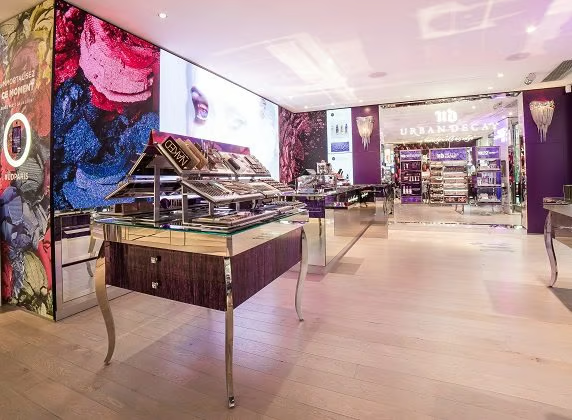
Urban Decay has been part of L’Oréal since December 12, 2012, operating within the L’Oréal Luxe division while maintaining its rebellious identity. In practice, this means access to a global distribution network, advanced laboratories, and a production scale that an independent brand could never achieve.
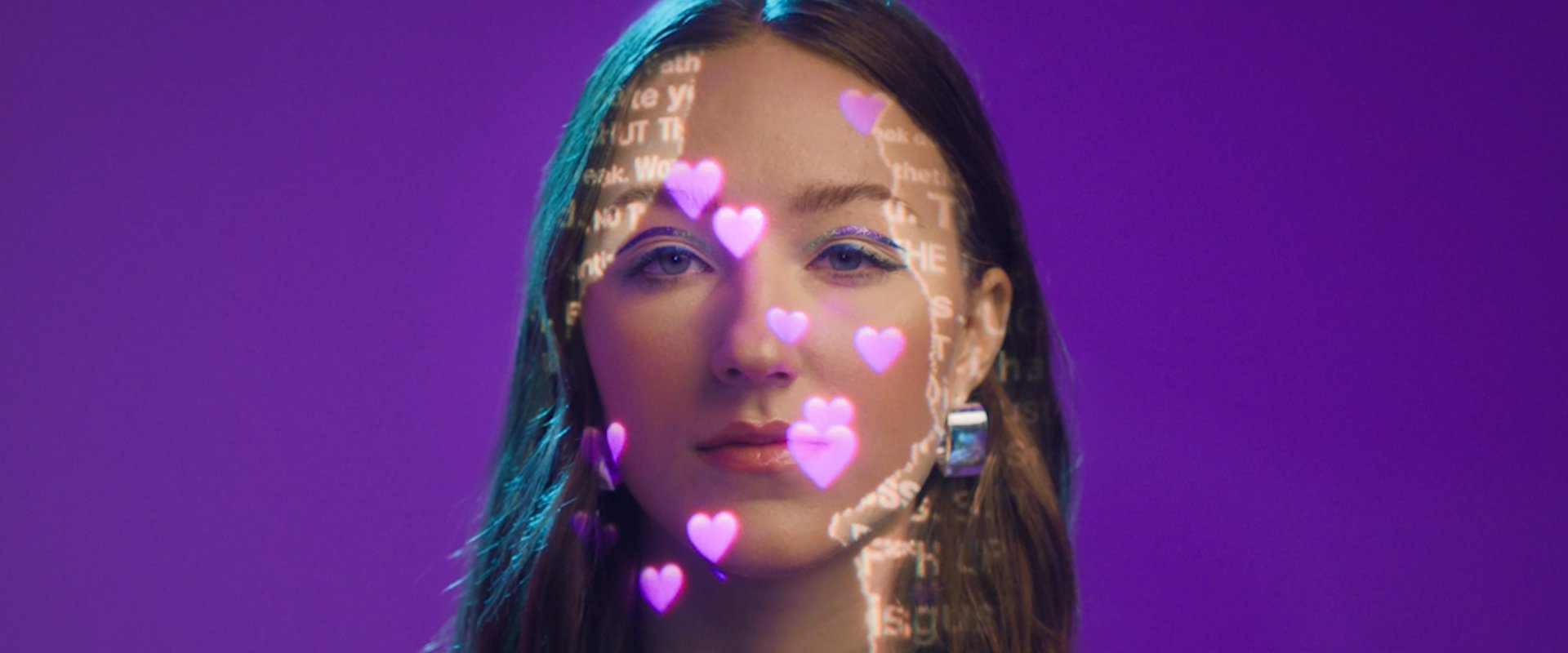
The topic resurfaced on social media at the beginning of 2025. The new brand ambassador sparked quite a stir among fans, who began recalling Urban Decay’s corporate affiliations. Some are now questioning whether the brand has maintained its authenticity.
Urban Decay has always positioned itself as “Pretty Different”—edgy, cruelty-free, for women who aren’t afraid to experiment. The paradox is that this rebellion operates under the wing of a French corporation. But is that a bad thing?
In this article, you will learn:
- What exactly was the story behind the acquisition and what has changed
- What are the benefits and challenges of the “independence within a corporation” model
- Why do some fans feel betrayed while others defend the brand
Sometimes I think it’s a typical story of our times. A small brand with character grows up, gets noticed by a giant and… well, what happens next?
To understand Urban Decay’s current situation, it’s worth going back to where it all began. The story of this acquisition illustrates what the modern beauty business looks like.
How it happened: from niche to L’Oréal Luxe
I remember when I used to think Urban Decay was just a small garage company. Turns out, the journey from niche brand to L’Oréal giant is actually quite an interesting story of transformation.
It all began in 1996, when Wende Zomnir and Sandy Lerner decided to create something completely different. They said “no” to pastels and sweetness—their palette featured shades like “Roach” and “Smog.” It might sound strange, but that was exactly the anti-mainstream ethos they embodied.
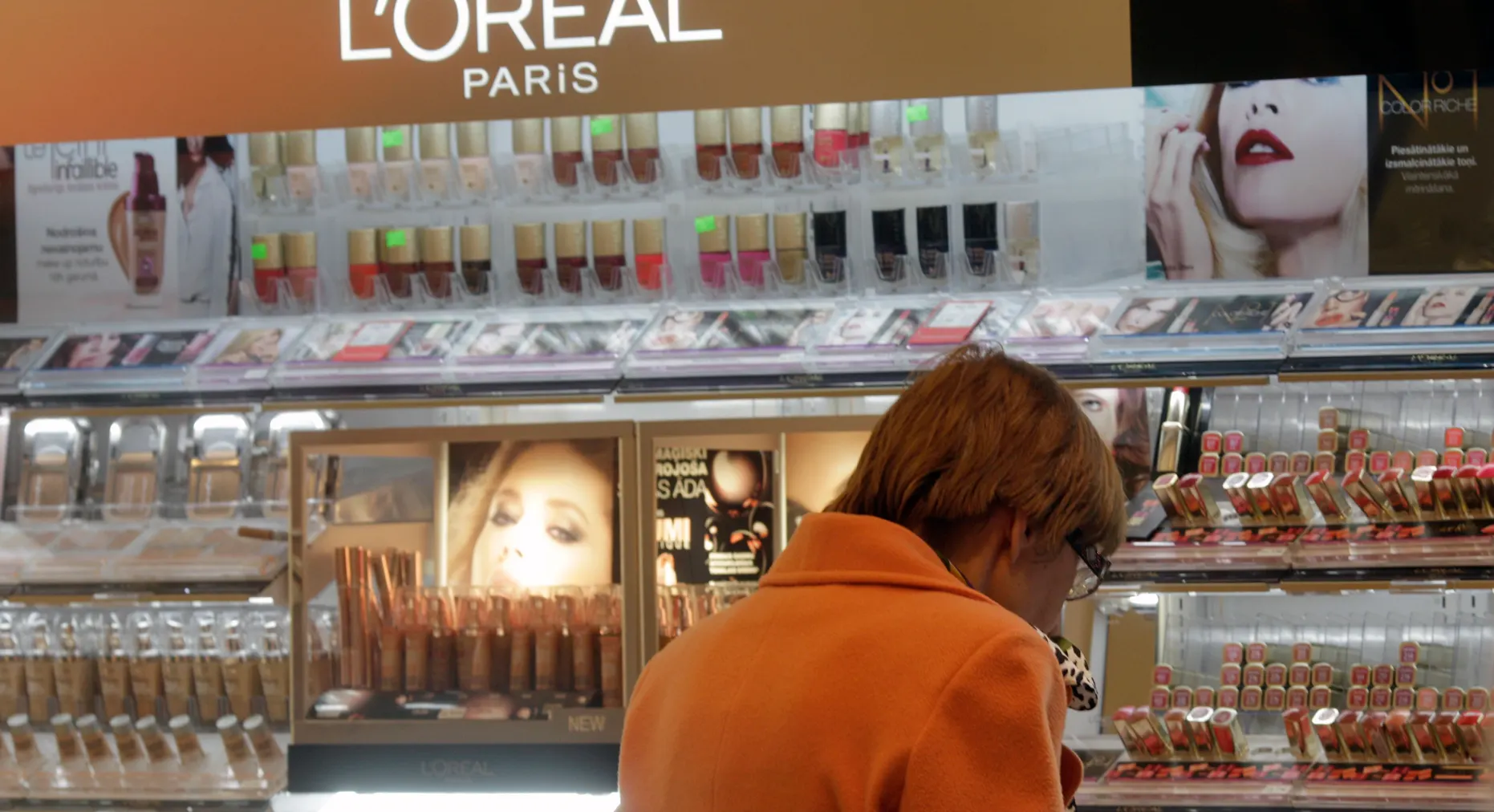
Here are the key moments of this transformation:
- 1996 – Launch in Newport Beach with the first products in metallic packaging
- 2000 – Acquisition by Falic Fashion Group, initial expansion attempts
- 2008 – Sale to private equity, then transition to Castanea Partners
- 2012 – Major acquisition by L’Oréal for 350 million USD
In fact, it was only after 2012 that Urban Decay truly took off. L’Oréal Luxe gave them access to Sephora stores around the entire world, and to Ulta in the US. Sales doubled in just two years—that speaks for itself.
What changed after the acquisition? Virtually everything when it comes to logistics. Suddenly, the brand gained access to L’Oréal’s laboratories, their distribution network, and marketing budgets it could only have dreamed of before. Corporate-level R&D is a whole different league compared to small teams.
But you know what? What surprised me was how much they preserved their identity. Headquarters still in California, that same rebellious spirit. Cruelty-free remained part of the brand’s DNA, even though L’Oréal had a different approach in different countries at the time.
It seems to me that L’Oréal understood one thing – you can’t kill what makes a brand authentic. Urban Decay was given creative autonomy, but in return, it could take advantage of the giant’s resources. Quite a clever solution.
Now, looking at it from the perspective of 2024, it’s clear that this strategy worked. But whether everything still works the same way—that’s a different story.
What matters today: figures, new releases, and the ambassador controversy (2024-2025)
I’ll be honest, when I saw L’Oréal’s €38 billion in revenue for 2024, my first thought was—well, Urban Decay is definitely no longer that small, rebellious brand from years ago. Today, it’s a serious player with around 5-7% market share in the prestige segment. And those numbers say it all.
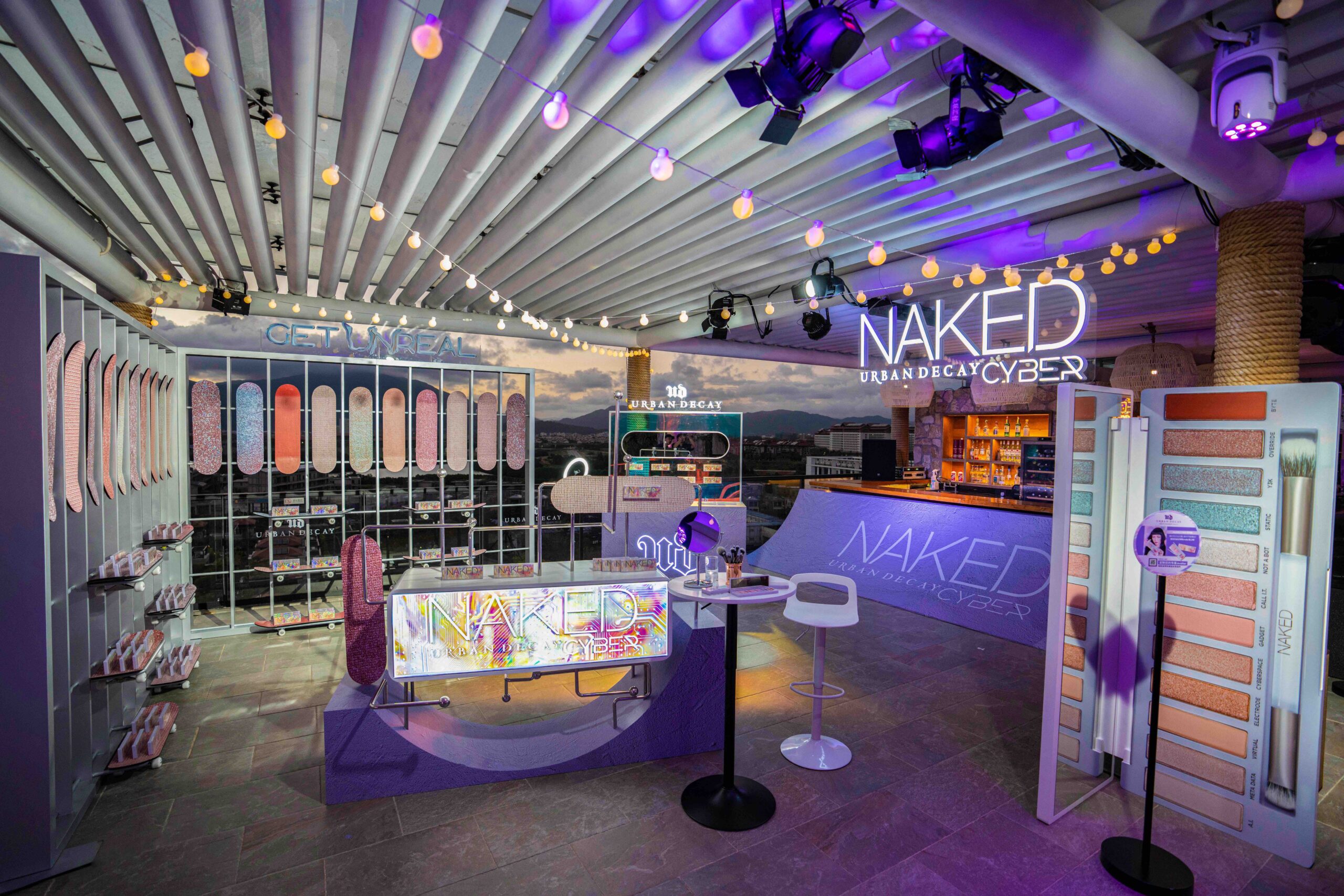
Key figures:
- Over 30 million “Naked” palettes have been sold since 2010
- L’Oréal’s revenue exceeded €38 billion in 2024
- Over 80% of Urban Decay products feature vegan formulas (as of 2023)
- “All Nighter” promises up to 16 hours of wear
- Brand share in the prestige segment: approximately 5-7%
Actually, my entire makeup collection is based on a few products from this brand. “All Nighter Setting Spray” really does last its promised 16 hours, though I rarely test it for that long. “Vice Lipsticks” have that texture that doesn’t dry out your lips. And the “Naked” palettes are classics—expanded with the “Heat,” “Cherry,” and “Reloaded” versions. The fact that over 80% of the range is vegan is a bonus I hadn’t appreciated before.
12.08.2025 Urban Decay announced Ari Kytsya as its new global ambassador. Reactions were clearly divided—some praised the freshness and authenticity, while others questioned the fit with the brand’s DNA. Social media exploded with comments on both sides. The brand is clearly aiming to refresh its “edgy” image, but whether it will succeed remains to be seen in the coming months.
The ethical aspect is a separate issue. Urban Decay has not tested on animals for years, but it is owned by L’Oréal, which has a more complicated history in this regard. Some consumers ignore this aspect, while others consider it crucial when choosing cosmetics.
All this data shows that the brand is evolving and trying to balance between corporate strategy and its rebellious identity. The question is—how does this affect everyday shopping and product availability here in Poland?
What it means for me in Poland: shopping, ethics, and practice
I was planning to buy a new eyeshadow palette, but as it turns out, buying Urban Decay in Poland isn’t that simple. It’s not just about the price, although that can be quite surprising.
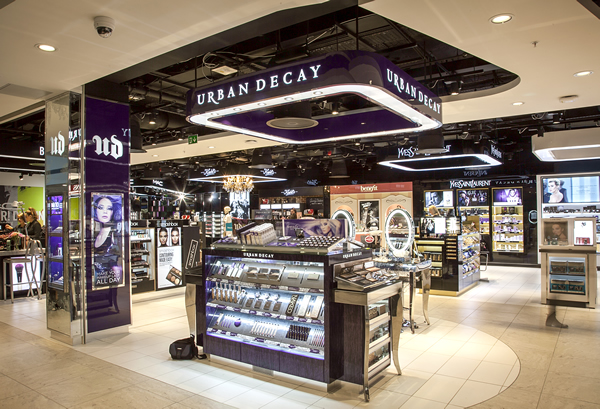
You can find Urban Decay mainly at Sephora and Douglas stores—there you can test the shades in person, which I honestly recommend. Palettes range from around 129 PLN for the smaller ones up to 289 PLN for the larger sets. Sometimes you’ll spot them at Empik too, but the selection is more limited. Online, I usually shop at Notino or eKobieca—the prices are often 20–30 PLN lower, but you lose the chance to try before you buy.
Checking freshness is essential, but I ignored it for a long time. You’ll find the batch code on the packaging—usually on the bottom or the side. Enter this code on the Dolce.pl website and you’ll instantly see the production date. Urban Decay cosmetics have a PAO (period after opening) of usually 24 months, sometimes 36 for powder products.
As for ethics – the brand is certified cruelty-free, but it is owned by L’Oréal. This means that the brand itself does not test on animals, but the parent company has different policies in some countries. Vegan products are clearly labeled – look for the bunny symbol or the word “vegan” on the packaging.
Note: When shopping on marketplaces like Allegro, always check the seller. Urban Decay counterfeits are common, and the difference in pigmentation quality is immediately noticeable.
Price-wise, it’s more expensive than drugstore brands, but cheaper than luxury labels. You’ll pay around 200 PLN for a Naked palette, which isn’t bad considering you get 12 shades. Limited editions usually launch in the fall and before the holidays—so it’s worth keeping an eye on store newsletters then.
In practice, I find it works best to shop in-store when I want to test something, and then order online later at a better price. Next time, I’ll share my thoughts on the future of this brand in Poland.
What to look at next: how I make conscious decisions
Actually, this whole discussion about who owns the brand boils down to one thing—the brand has its own identity, regardless of who owns it. L’Oréal may be the owner, but it’s up to us to decide whether the products suit us.
Takeaways for today:
L’Oréal ownership means consistent quality—they have laboratories and research budgets. But it also means higher prices compared to local brands. Availability is good, although you won’t always find the full range of shades everywhere.
Their cruelty-free policy is… complicated. They don’t test in Europe, but regulations are different in China. It’s something to keep in mind if this is important to you.
Brand communication sometimes falters. After various disputes on social media, it’s clear they need to be more careful about what they say.
What to monitor next:
Vegan lines are expanding—a trend that’s here to stay. By 2030, they promise recycled packaging, so it will be interesting to see if they keep their word.
AR and AI technology in apps like Modiface is evolving rapidly. Soon, we might be able to try out colors without ever leaving home.
Product personalization – this is the direction the entire industry is heading. In a few years, everyone might have their own perfectly matched shade.
Here’s my suggestion on how to make conscious decisions:
✓ Assess your needs – how many hours does your makeup need to last, what colors do you wear
✓ Define your values – is cruelty-free, vegan, or eco-friendly important to you
✓ Set a budget and stick to it
✓ Choose a trusted place to buy
✓ Check the ingredients if you have allergies
✓ Look for reviews, but verify their credibility
When reading online reviews, I always check the publication date and whether the person has actually tested the product. Influencers sometimes say what sponsors pay them to say. It’s better to look for opinions from several sources, especially those that mention both pros and cons.
There’s no point in buying blindly just because “everyone has it.” It’s better to invest in one quality product than in three mediocre ones.
Majka Style
lifestyle editor at HighClassFashion.pl