
January in New York, six in the morning, wet snow—and that moment when you set foot on the sidewalk and instantly know that beneath the thin layer of slush, ice is lurking. Or a parking lot in the Alps, minus ten degrees, everything looks innocent until the first step. Slipping on a winter pavement isn’t just about a cracked phone—it’s a real injury, sometimes a serious one.
Vibram Arctic Grip – what brand is it? and what is it
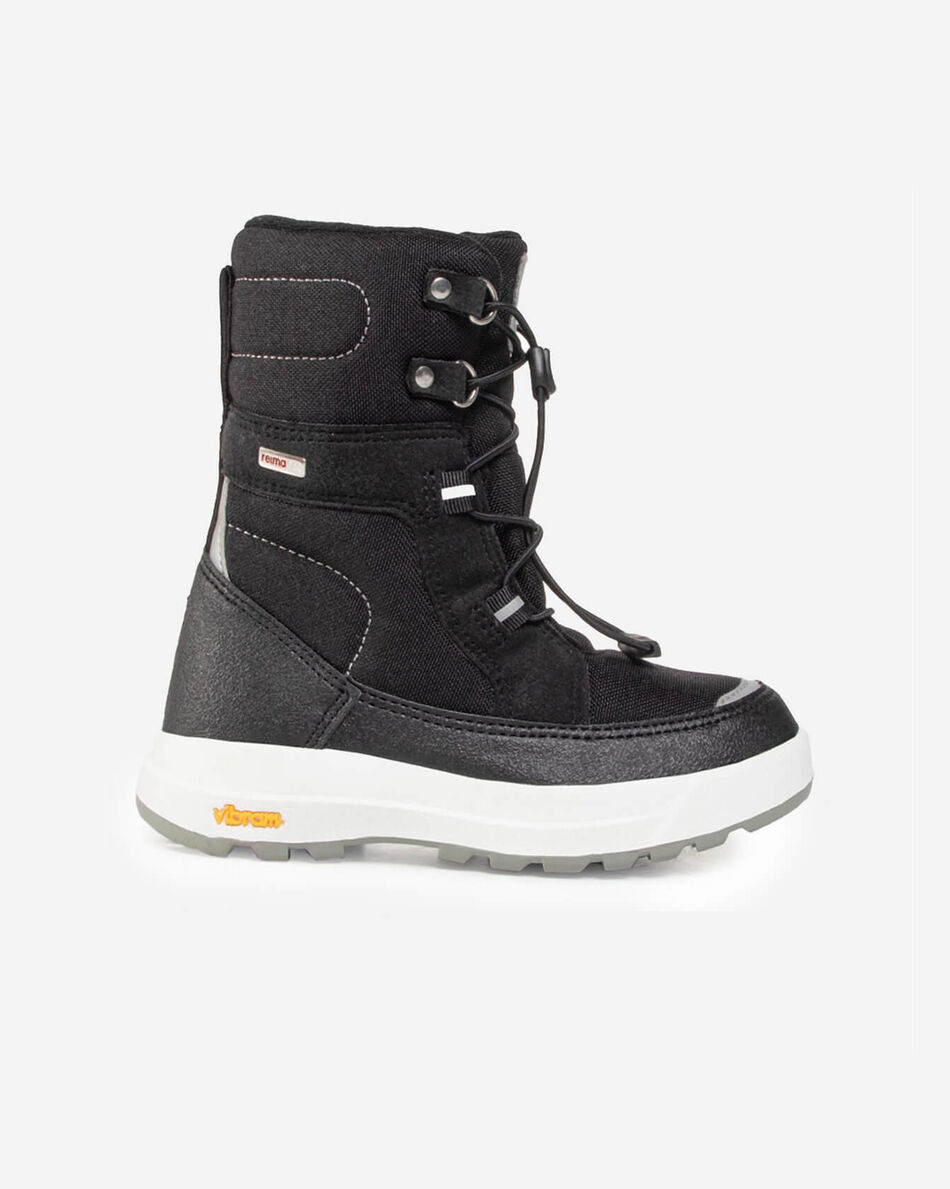
And this is where Vibram Arctic Grip comes in. But it’s not a footwear brand —and that’s exactly why most people get confused. Vibram is an Italian company that has been designing and manufacturing soles for outdoor, trekking, and winter shoes for decades. The yellow, octagonal Vibram logo on a shoe simply means: “our rubber, our tread was used here.” Arctic Grip is a special technology of this rubber—a variant created specifically for icy terrain.
So you’re not looking for “ Vibram Arctic Grip brand shoes,” but rather, for example, Salomon, Merrell, or Dolomite shoes with a Vibram Arctic Grip sole. It’s like Intel Inside in laptops—a premium component inside another company’s product. Today, when winters are wet, slippery, and the risk of falling increases, this sole has stopped being a gadget and has become a real selling point. Both on mountain trails and at city bus stops.
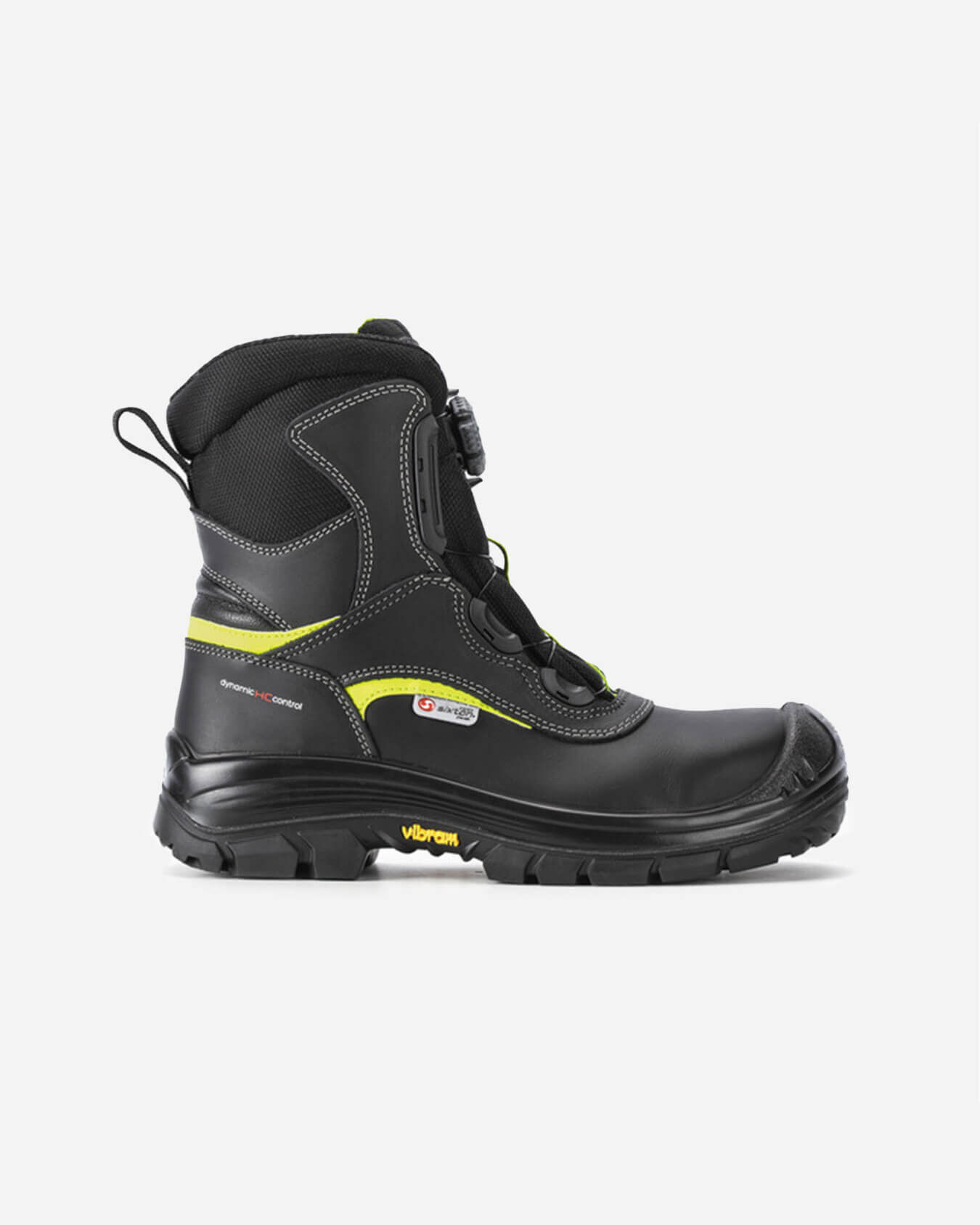
From mountain tragedy to ice on the sidewalk – the story of Vibram and Arctic Grip
From the tragedy in the Alps to the first soles
In 1935, Italian mountaineer Vitale Bramani experienced something that changed the history of mountain boots. Six of his companions died during a descent from Monte Rasica—not because of an avalanche or storm, but due to poor soles that failed on the icy rocks. Bramani decided to invent something better. This is how Carrarmato was created—a sole made of rubber blocks inspired by car tires. The name “Vibram”? Simply a combination of Vita + Bramani.
Key dates – from the mountains to everyday sidewalks
- 1937 – first Carrarmato production in Italy
- 1954 – Vibram on Mount Everest (Hillary and Norgay expedition)
- 1960s – entry into the US market, rapid rise in popularity
- 2006 – FiveFingers, the controversial “toe” shoes
- approx. 2012-2014 – Arctic Grip tests in Scandinavia and Canada, ice rinks in Finland
- 2017 – launch of Arctic Grip AT (outdoor variant)
- 2025 – introduction of recycled Eco-Arctic Grip
The birth of Arctic Grip in a changing climate
In recent years, winters have become… stranger. Not so much snowier as wetter. More rain, more icy patches on the asphalt. Traditional grip treads worked well on snow, but on smooth, wet ice, they performed about as well as rubber boots on glass. Vibram responded with Arctic Grip—a blend of rubber and additives designed to hold even at -20°C.
Today, Vibram is still a family-owned company based in Albizzate (Italy), but with factories on three continents—they produce several dozen million pairs of soles annually for hundreds of footwear brands.
How Arctic Grip works – technology, strengths, and limitations on ice
Ordinary rubber turns into an ice rink the moment the temperature drops below zero – it hardens, loses its flexibility, and simply slides on wet ice. Arctic Grip turns this upside down thanks to a soft compound (about 55-60 Shore A instead of the standard ~70A) enriched with silica and polar polymers, which remain flexible even at -30 °C.
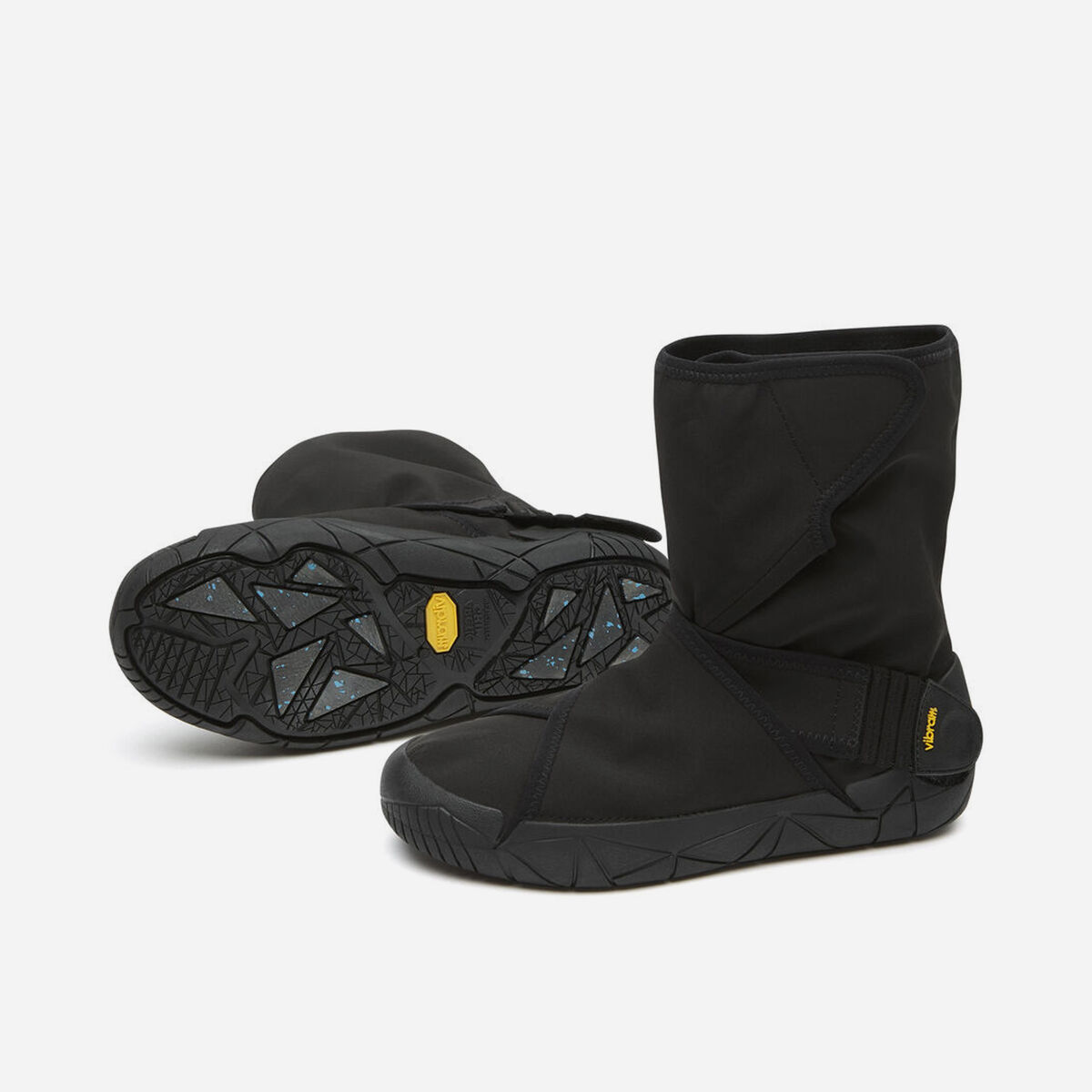
The secret of the wet ice rubber compound
The mechanism is simple yet effective: micro-channels in the tread drain water from underfoot, while polar molecules in the rubber literally “stick” to the ice at a molecular level. The multidirectional pattern with a depth of 4-5 mm ensures grip in every direction—even when turning on a slippery surface. Test results? Up to approximately 360% better traction on wet ice compared to regular rubber, with a friction coefficient >1.0 in the laboratory. Optimal performance in the range of -30°C to +10°C.
Advantages of Arctic Grip and when crampons are needed
Pros:
- Safety in parking lots, sidewalks, bus stops
- There is no need to install spikes or crampons
- Everyday comfort in the city
Drawbacks and limitations:
- Higher price than the standard sole
- Faster wear on dry asphalt
- It will not replace crampons on steep alpine terrain
- Less effective on dry, hard ice
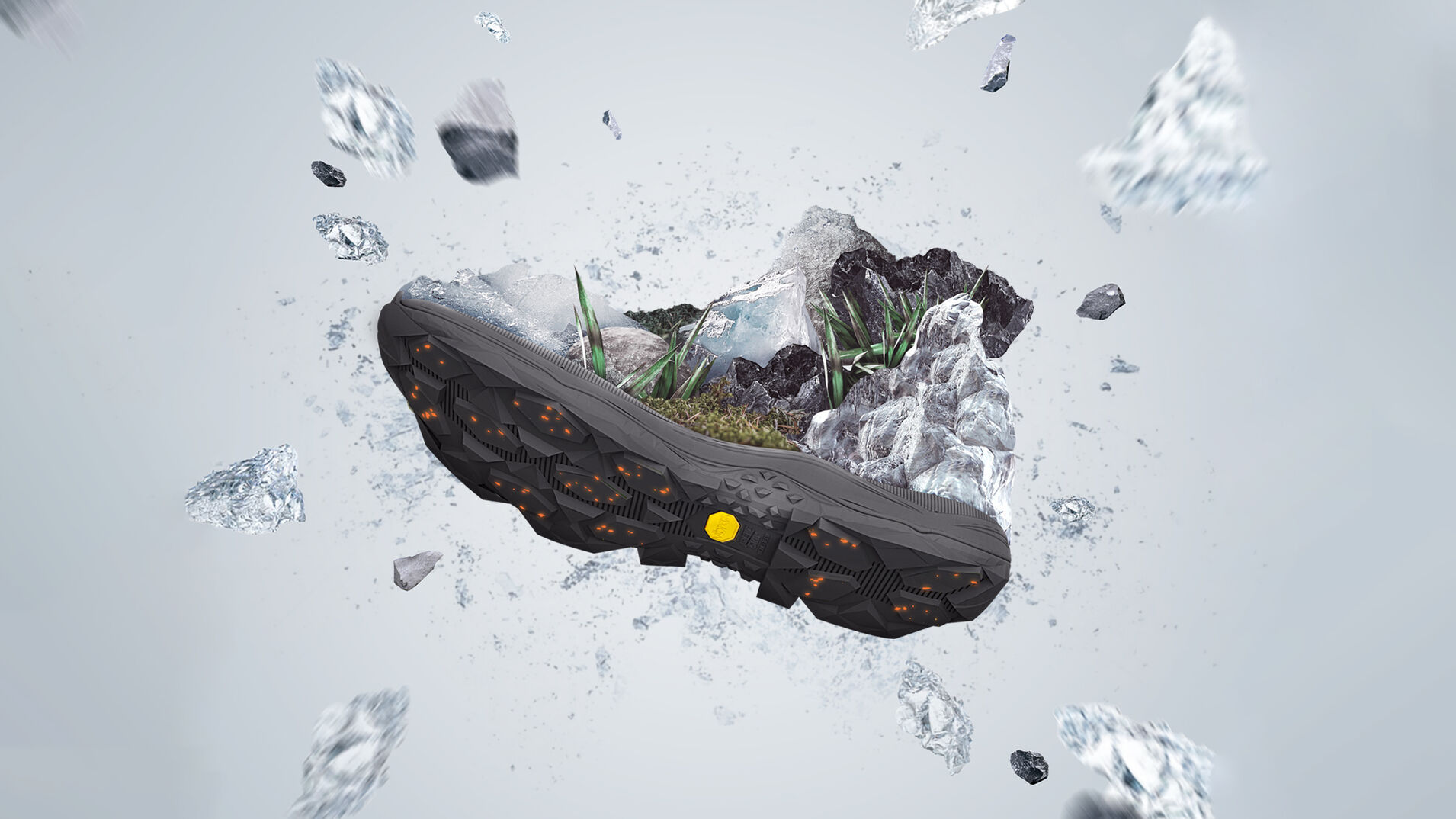
For everyday use in the Polish winter? Great choice. For a glacier? Take crampons.
How to choose shoes with Arctic Grip and what this technology means for future winters
Before you pick the first shoes you see with a yellow Vibram sticker, it’s worth considering — is Arctic Grip really for you? This technology works exceptionally well in a few specific situations.
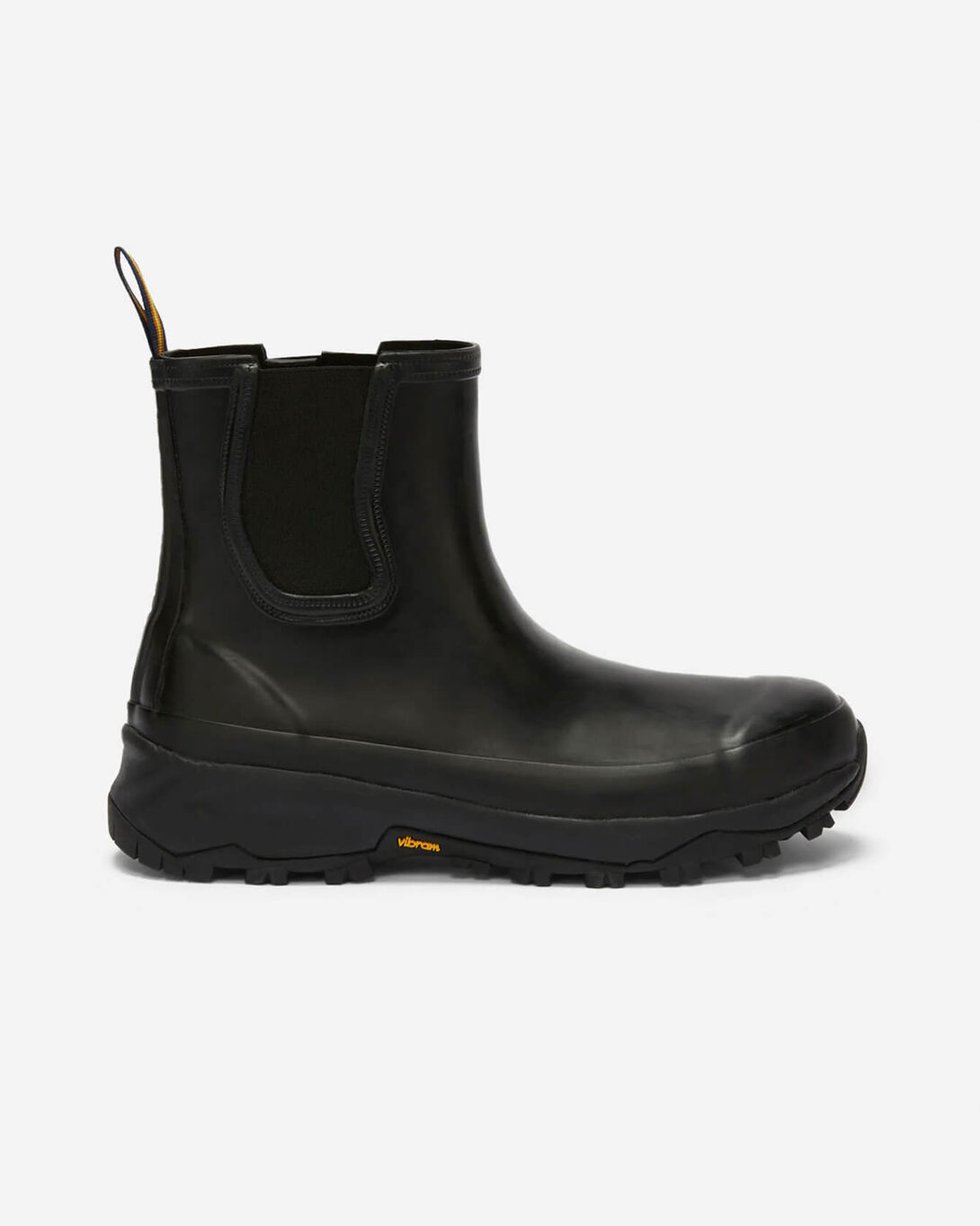
Who really benefits from Arctic Grip shoes
If your daily commute to work means marching on an icy sidewalk – it makes sense. Winter trekking in the Tatra Mountains? That too. Trips to Scandinavia or Canada, where ice is the rule, not the exception? Absolutely. Hunters and uniformed services – people who cannot afford to slip – will also appreciate it.
In Poland, you’ll find Arctic Grip mainly in three categories: urban winter boots, trekking (mountain) boots, and so-called “after ski” footwear. Brands? Oboz, Timberland (look for models with Arctic Grip AT), Scarpa, La Sportiva, Hanwag. Stores? Decathlon, Skalnik.pl, 8a.pl, Sportano – or platforms like Allegro or MODIVO.
Future: Eco-Arctic Grip and smart soles
Vibram is already working on Eco-Arctic Grip – biomaterials instead of traditional rubber, with a lower CO₂ footprint. There are also rumors about “smart” soles with sensors. With the warming climate (paradoxically: icier winters), such solutions will become increasingly important.
Yuki Tom
lifestyle & brands editorial team
High Class Fashion