
The vintage luxury goods market is now worth €40 billion. That’s roughly equivalent to the entire GDP of Slovakia. Sounds abstract? Maybe not so much, if you consider that most of us probably have at least one item in our wardrobe that someone else wore before.
It’s actually fascinating how quickly our perception of luxury has changed. Just a decade ago, buying second-hand was mostly associated with saving money. Now? It’s about style, prestige and… exactly, awareness.
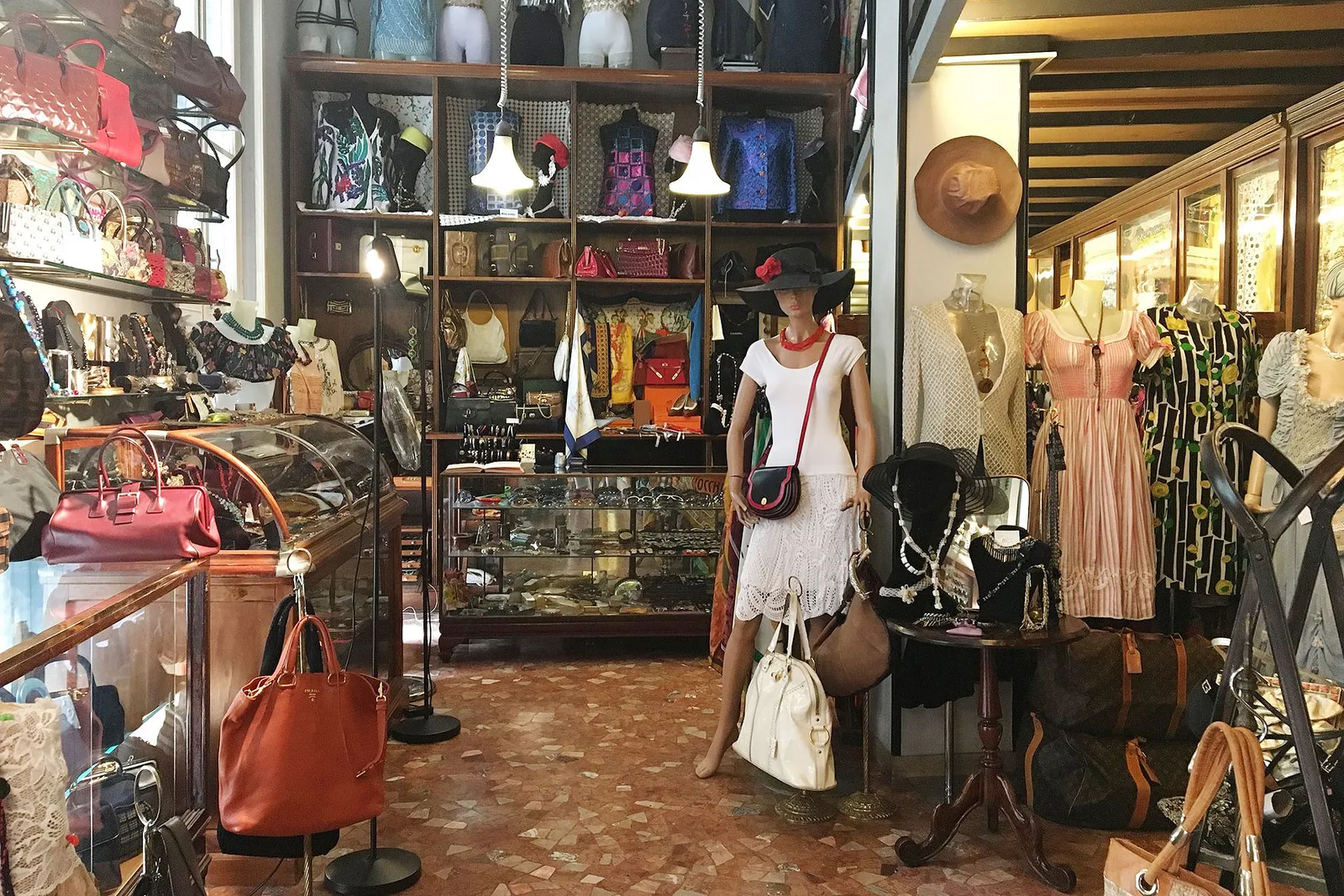
Vintage luxury worldwide – from archive to avant-garde
Have you ever wondered how much carbon dioxide the fashion industry produces?
The answer is: about 10 percent of all global emissions. That’s more than all international shipping and aviation combined. And this is where vintage becomes not just a trend, but a kind of answer to a problem that few people talk about openly.
The luxury vintage segment today is more than just resale. It’s an ecosystem where technology, shifting consumer preferences, and a completely new approach to value all come together. Chanel from the ’90s, Hermès from twenty years ago, limited editions someone bought and… tucked away in a closet.
To understand why this market has exploded right now, it’s worth looking at three key elements. First—market data, which shows the scale of the phenomenon and the pace of growth. Second—authenticity technologies, because in a world of counterfeits, trust is everything. Third—consumer behavior, which has changed more in the last five years than in the previous two decades.
It’s no coincidence that vintage is now discussed in the context of the future of luxury, not its past. But for all of this to make sense, we first need to answer a fundamental question.
How did it all begin?
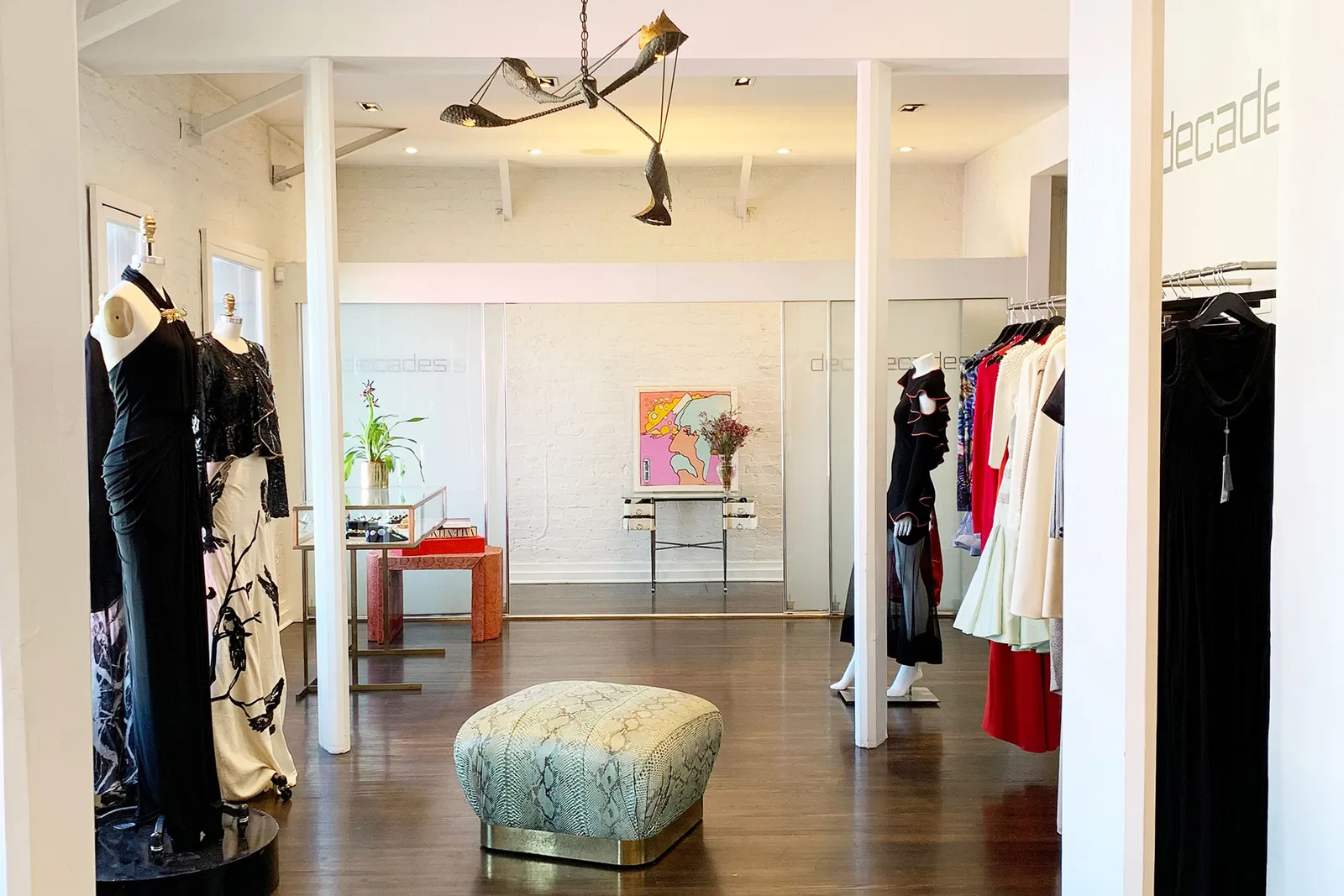
From flea market to blockchain: vintage milestones
Imagine a flea market in Paris in the 1920s. Women in long coats rummage through piles of clothes, searching for something special. Back then, no one thought about “vintage” or luxury. People simply couldn’t afford new things.
That’s how the story began for a market now worth billions of euros. But the journey from those humble beginnings to today’s blockchain platforms was long and winding.
1920-1950 – These decades marked the true birth of the secondhand clothing trade. The Marché aux Puces in Paris became a symbol of this phenomenon. The war only strengthened the trend—fabric rationing forced people to get creative. Interestingly, even then, women could spot real gems among those piles.
1970s – This was the real breakthrough in perception. Hippies discovered “self-expression through secondhand clothes.” At the same time, synthetic fabrics appeared, especially polyester. It sounds paradoxical, but these artificial materials actually helped people appreciate the value of older, natural fabrics.
2007 – Kate Fletcher publishes her article on “slow fashion.” This piece changed everything from an ethical perspective. Suddenly, buying vintage wasn’t just about saving money—it became a conscious choice. Fletcher proved you could be fashionable and responsible at the same time.
2018 – The UBS report revealed numbers that shocked everyone. The luxury resale market was valued at 20 billion euros. That was the moment when major brands realized—vintage wasn’t just a hobby for a few collectors, but a serious business.
Each of these stages added something essential to today’s image of luxury vintage. Flea markets brought democratization, the ’70s brought self-expression, Fletcher brought ethics, and the UBS report brought financial respect.
Looking at this evolution, I see one thing—it was always women who drove these changes. They were the first to see the potential in old clothes. They created trends instead of blindly following them.
What do the numbers look like today?
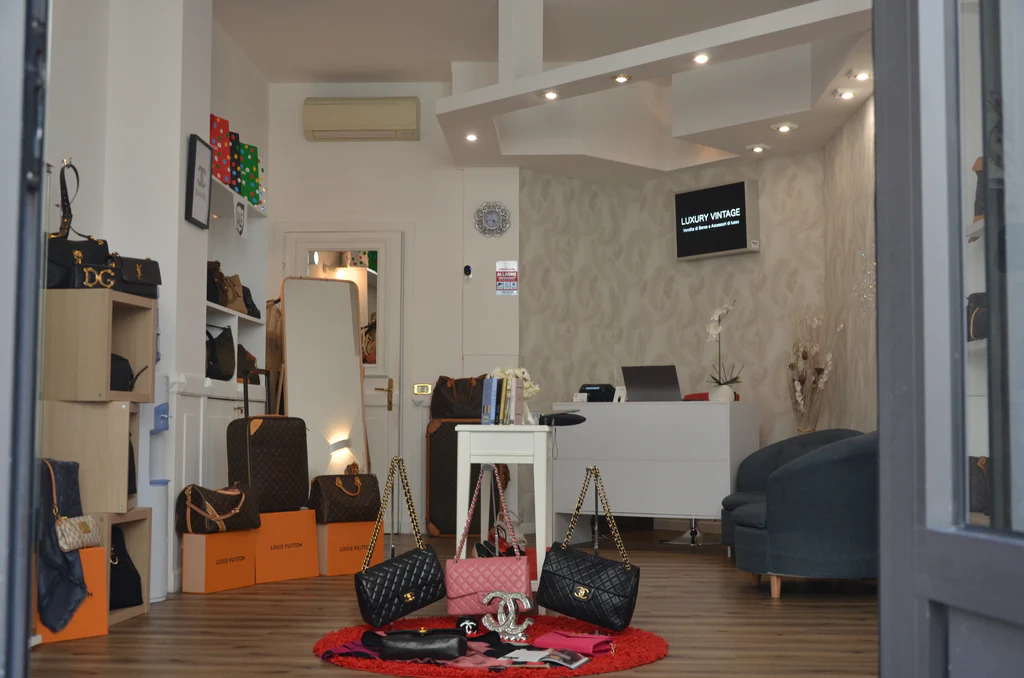
State of the Game 2025: figures, leaders, and demand geography
The luxury vintage market in 2025 is no longer a niche playground for collectors—it’s a business worth €40-50 billion globally. The second-hand luxury sector is growing at a rate of 8-10% per year, with vintage making up a solid 5-7% of that pie. The numbers are impressive, especially when you compare them to what’s happening in the “fresh” luxury segment.
Bain’s 2024 report highlighted an interesting contrast—the entire luxury goods market grew by a modest 4%, but personal goods dropped by -2%. LVMH reported revenues of €84.7 billion, marking a -2% year-on-year decline. Yet, demand for vintage Louis Vuitton remains steady. That really speaks for itself.
| Region | Dynamics 2024-2025 |
|---|---|
| China | -20% |
| Europe | +5-7% |
| USA | +6% |
The geography of demand is fascinating. China, which not long ago was driving growth, is now slamming on the brakes -20%. Europe and the USA are moving in the opposite direction, mainly thanks to platforms like Vestiaire Collective and The RealReal.
Vestiaire Collective has taken over the European market—with over 23 million female users and operations in 75 countries. The RealReal focuses on the American premium segment with in-house authentication. Rebag, on the other hand, prioritizes fast transactions and instant valuations. Each of these platforms has carved out its own niche.
Interestingly, the vintage segment is proving more resilient to turbulence than new collections. Maybe it’s because customers see vintage as an investment? Or perhaps they’ve simply stopped caring about what the latest trend dictates.
This growing trust in resale platforms highlights just how crucial authenticity has become. Without it, the entire market would collapse.
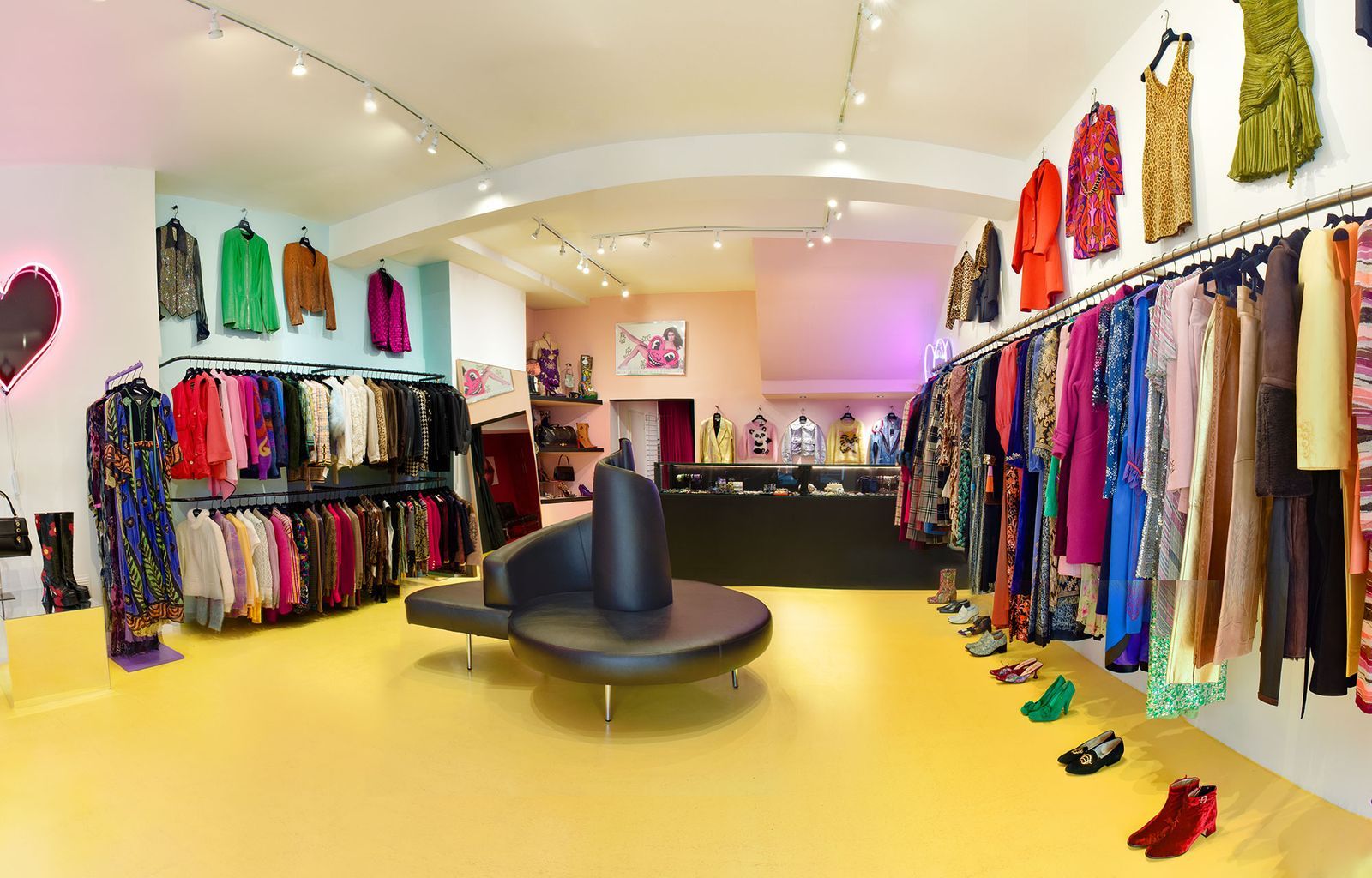
Technological shield of authenticity: AI, blockchain, and VR
It’s no longer enough to just buy a pre-owned Chanel bag and hope it’s authentic. Today, technology does all the verification for us—and does it far better than we ever could.
Aura Blockchain Consortium – digital passport for luxury brands
LVMH has created something truly impressive. Aura is a blockchain that connects all the brands within the group—from Louis Vuitton to Hennessy. Each product receives its own unique identifier, like this:
AUR-LV-2024-BAG-7F8A9B2C1D3E4F5G
This code tracks the entire history of the product. Who bought it, where it was serviced, when it changed owners. This is called provenance —tracking origin without the possibility of forgery. The system is trustless, so you don’t have to take the seller’s word for it.
AI detects counterfeits with 99% accuracy
The RealReal has achieved something remarkable. Their algorithms analyze every detail—from stitching to the patina on buckles. A 99% accuracy rate is no accident. The system learns from millions of photos of authentic products.
Sometimes I wonder if these AIs see more than seasoned experts. Probably so. They can spot a 0.2% difference in leather shade that the human eye would never catch. It’s a little unsettling, but also absolutely fascinating.
Virtual fitting rooms speed up decision-making
35% of resale platforms already offer VR try-on. You put on the headset and see how that vintage Hermès looks on you. Decision time has dropped by 22%—these are real numbers, not just marketing.
I remember my first experience with a VR fitting room. It felt a bit strange, but it worked. I could check if the bag matched my style without leaving home. Especially useful when shopping internationally.
Technology is building bridges of trust where there used to be only fear of counterfeits.
These tools are changing the game. Blockchain guarantees authenticity, AI catches every irregularity, and VR lets you “touch” the product from afar. But who uses these solutions most eagerly—young collectors or seasoned vintage lovers?
Who buys and why: motivations, culture, and demographics
I recently met Zuzanna at a gallery opening in Warsaw. Twenty-eight years old, runs a tech startup, and carries a Chanel 2.55 from the eighties on her shoulder. “It was an investment, not just a purchase,” she says without hesitation. And she’s absolutely right.
📱 PERSONA: The Green Investor Age: 25-35 | Higher education | Income: 8-15k monthly Values: sustainability + social prestige
Young women have transformed the luxury vintage market. Millennials and Gen Z will account for 60% of all purchases by 2025. They don’t buy out of nostalgia like older generations—they approach it strategically.
Seventy percent of them cite reducing their carbon footprint as their main motivation. But let’s be clear—eco-consciousness isn’t the only reason. It’s more of a… justification? A way to reconcile the desire to own something beautiful with their personal values.

Three main groups of buyers:
The first are the “Green Investors”—educated, aware, and well-paid. The second group is the “Heritage Collectors”—women over forty who buy items reminiscent of their mothers’ or grandmothers’ youth. The third are the “Bargain Hunters”—all age groups, united by an appreciation for the value of money.
Hermès Birkin bags yield a 10-15% annual return. That’s better than most investment funds. Zuzanna bought her bag for eight thousand; today, it’s worth twelve. “I wear my investment every day,” she laughs.
The psychology of buying is a fascinating mix. Sustainability brings a sense of moral superiority. Investment offers financial security. Uniqueness means standing out from the crowd. All of this is wrapped up in one beautiful bag or dress.
“I’d rather have three vintage pieces at a thousand each than ten from chain stores at three hundred,” another client tells me. This mindset defines an entire generation.
These motivations will shape the market in the coming years. Demand is growing faster than the supply of authentic items.
Growth scenarios 2025-2030: from boom to correction
Have you ever wondered what the luxury vintage market will look like in five years? I think about it often, especially when I see how quickly everything is changing. Technology, politics, the economy—all of these factors influence what we’ll be buying and how much we’ll pay for it.
I have prepared three development scenarios for 2025–2030. Each is based on different macroeconomic assumptions, but all of them seem realistic to me.
| Scenario | CAGR | Value in 2030 |
|---|---|---|
| Optimistic | 10% | 80 bn € |
| Basic | 8% | 70 bn € |
| Pessimistic | 4% | 56 bn € |
The optimistic scenario assumes rapid adoption of AI technology throughout the entire value chain. Imagine platforms that automatically price vintage Chanel or identify authentic Hermès pieces. China fully opens up to the import of pre-owned luxury goods, and the younger generation embraces sustainable fashion en masse.
The base case is more… well, realistic. Moderate recovery in China, stable margins, gradual technological development. That’s the scenario I’d bet on—8% annual growth is a solid result, but nothing over the top.
The pessimistic scenario? That’s where things get uncomfortable. Recession in the US, trade protectionism, maybe even tariffs on the import of luxury goods. 4% growth is almost stagnation for this sector.
The key variables are, above all, the adoption of artificial intelligence—it could completely change the way we authenticate and price items. EU climate policies will also matter—they could help (since vintage is eco-friendly), but could also hurt due to additional regulations.
Exchange rates are a separate issue—a weaker euro against the dollar means more expensive shopping for European women.
In my opinion, the truth will land somewhere between the base and optimistic scenarios. The market is simply too dynamic to come to a halt, but I’m not expecting miracles either. Seventy billion euros in 2030 sounds reasonable.
Shadows of the segment: risks, controversies, and barriers
Let’s be honest—the luxury vintage market has its dark sides. Those shiny forecasts? It’s worth comparing them with reality, which can painfully shatter even the most beautiful plans.
⚠ Counterfeiting is a real plague in this segment. Already 15% of online listings are flagged as potential fakes. Small boutiques? They have an even bigger problem—they lack the technology to verify authenticity. That local shop assistant might genuinely believe she’s selling an original Chanel from the ’80s, but can she really confirm it?
⚠ Economic slowdowns hit luxury first. China is the perfect example—a 20% drop in 2024. When people start saving, vintage Hermès takes a back seat. It’s obvious, but it still stings.
⚠ Social controversies are gaining momentum on social media. “Quiet luxury” has become synonymous with elitism for the younger generation. Do we really need another bag worth thousands when the world has so many problems? This debate isn’t going away.
⚠ Regulations could change everything overnight. The EU is considering tariffs on imported second-hand clothing. Sounds abstract? For someone importing vintage from Japan or the States, it could mean the end of their business.
⚠ The volatility of social media trends is another challenge. Today, everyone’s obsessed with the ’90s; tomorrow, it might be the ’70s. What about those who invested in a specific decade?
Not to mention, authenticity isn’t just about technology. It’s also knowledge, experience, intuition. The younger generation of buyers often lacks this.
Nadia X
editor inspirations
High CLa