
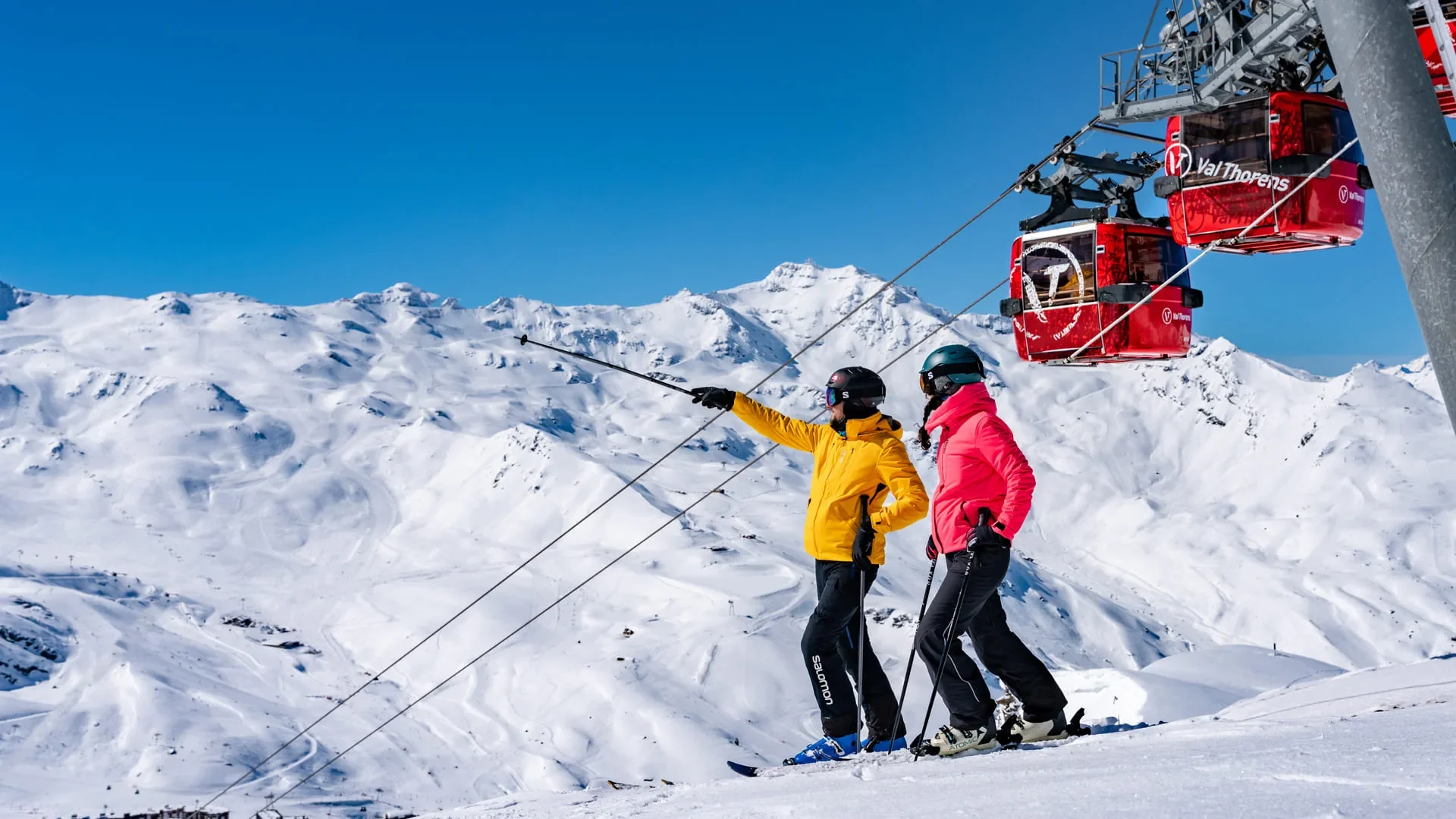
I sit in the gondola, the wind cuts across my face, two layers of thermal fabric and a down jacket—at moments like this, it seems that perfume would be the last thing anyone would notice. But that’s exactly the point: a warm, enveloping scent under your vest can change the feeling of cold and add that touch of confidence you feel as you slide off the lift. It’s not a whim, but a subtle ritual that sets the mood for the entire trip. Personally, I love perfume, especially the premium ones, so when I do sports, fragrance is always with me!
What perfume to wear on the ski slope and why does scent matter in winter?

The data doesn’t lie: over the past two winter seasons, searches for ” perfume for skiing ” have increased by more than 40%. Winter fragrances are now part of the ” ski luxe ” style—a trend that includes not only a designer jacket and Instagram photos, but also après-ski, gatherings with friends over mulled wine, and the overall vibe of a mountain getaway. People want to smell good even when they take off their helmet and step into the ski lodge. And in every good resort, you’ll notice the finest global perfume brands in the air.
The psychology of scent is simple yet powerful—see why wearing a good fragrance in winter is so important!
- Warm notes of vanilla or amber make the frost outside the window feel less biting
- A familiar, favorite scent has a calming effect after an intense day on the slopes
- A delicate trail of perfume makes it easier to start a conversation—no one likes a bore with no personality.
Further in the article, I will show which formulas and notes truly withstand frosty conditions, which concentrations make sense, and which fragrances actually work in practice—without revealing the entire shopping list just yet. Personally, I have two favorite brands and have been loyal to them for many years:)
How to choose long-lasting and “winter” perfumes for the slopes?
In the mountains, the same perfume smells completely different than it does in the office or around town. Frost, wind, and dry mountain air transform what we know into something new—sometimes barely perceptible, sometimes surprisingly intense. That’s why choosing a scent for the slopes isn’t a matter of taste, but a compass: which notes, what concentration, and which formula will actually withstand winter conditions. Brands can write anything in their ads, but unless we verify it ourselves, we have to test it in practice. And how? Just buy it and spray it on…
What concentration really works?
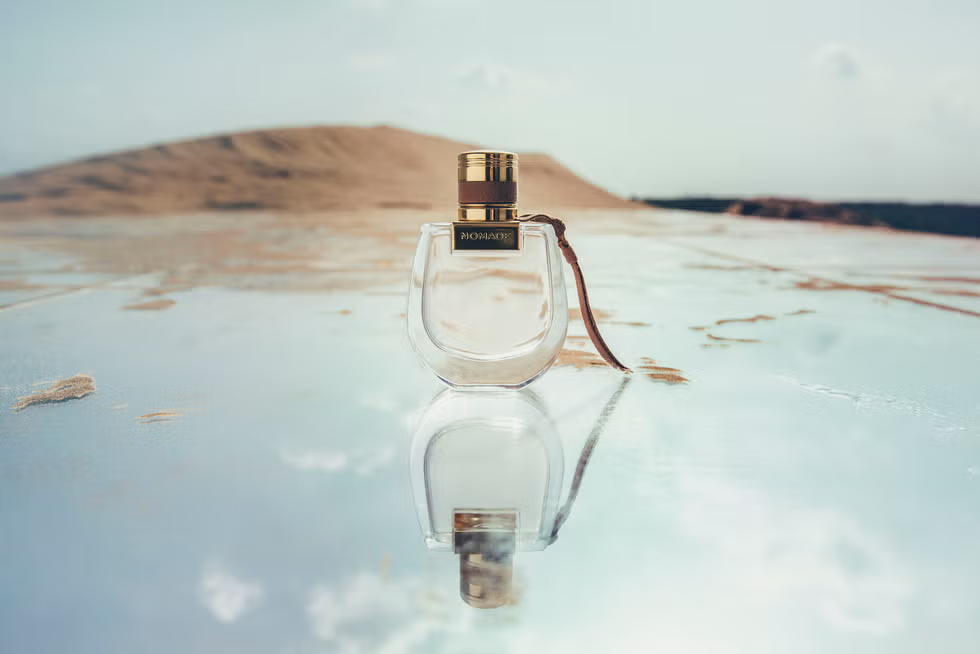
In winter, top notes (those fresh, citrusy ones) disappear more quickly, as frost and wind “blow them away.” Base notes, the heavier ones, develop more slowly, but in the cold they can be perceived even 20-30% more intensely. And here’s the key point: on the slopes, it’s worth reaching for eau de parfum (EDP) or parfum with an oil concentration of around 20-30%. Data from Fragrantica shows that about 70% of users report that in winter, fragrances last on them even twice as long as in summer. So paradoxically, in the cold, when a fragrance stays with you longer, it’s only if it’s sufficiently concentrated from the start. And it should be emphasized here that only original perfumes guarantee such longevity of scent. That’s where we should begin, my dears!
Notes that envelop you, and notes that disappear on the slope
The ideal scent profile for the slopes is something that embraces you. Think: warm oriental, woody, spicy, gourmand notes, such as vanilla, amber, oud, tobacco, sandalwood. These notes create a “cocooning” effect, as if a fragrant blanket is keeping you warm. On the other hand, very fresh, aquatic, or purely citrus compositions often weaken in the cold or, worse, take on a strangely metallic scent. I’m not saying you have to avoid them completely, but in practice, they just don’t work.
| Good directions | Better to avoid |
|---|---|
| Vanilla, amber, musk | Fresh aquatic, clean citrus |
| Oud wood, cedar, tobacco | Very light floral soliflores |
| Spicy notes (clove, cinnamon) | Green notes, “clean” notes of white musk |
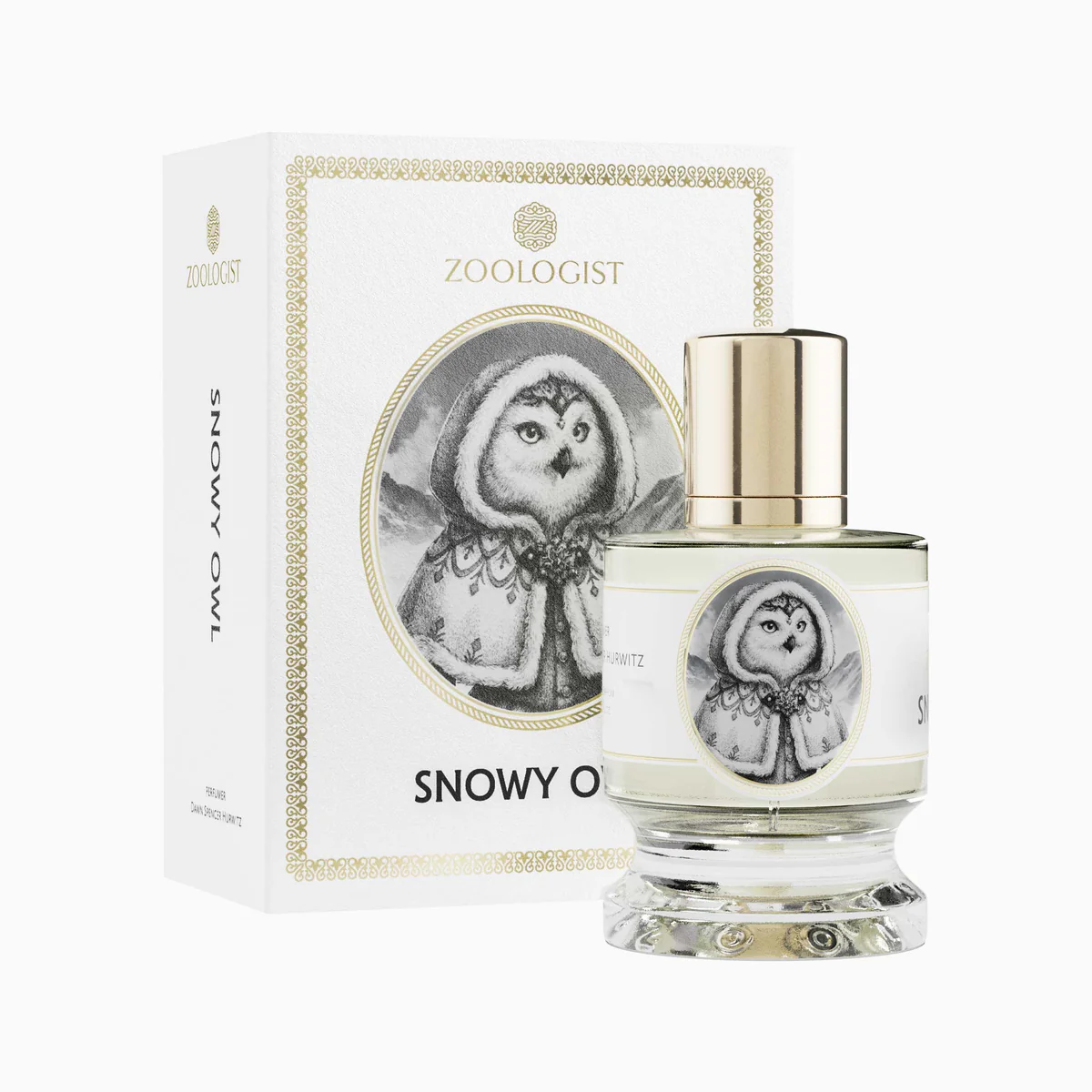
Women especially often reach for sweet, enveloping compositions; vanilla and “gingerbread” mists from drugstores break popularity records in winter. If you enjoy niche fragrances, it’s worth trying Zoologist Snowy Owl, that is, the snowy-earthy accord fits perfectly with a mountain landscape.
How to spray?
- Spray on a scarf or snood – fabric retains the scent longer than skin cooled by frost.
- The inside of the jacket – two gentle applications are enough for the whole day.
- Hair and clothing – from above, at a distance of 20-30 cm, to avoid oversaturating one spot.
- Fragrance-free lotion – massage into your wrists before spraying; it creates a barrier and extends longevity.
- Add 1-2 sprays in the shelter, not in the gondola — enclosed cabins quickly become stuffy.
Remember the stock savoir‑vivre: it’s better to apply perfume 2-3 times moderately than to surround yourself with a cloud of fragrance. In places like gondolas, buses, or cable cars, strong scents can irritate others, especially those who are sensitive. Estimates say that even about 40% of perfumes on the market are counterfeits, and such fragrances evaporate within an hour or two, so on the slope, the truth will come out quickly.

What will the next season of winter perfumes bring?
Personalization with AI, eco-friendly oud, and refillable packaging (the segment is growing by about 25%) are already being tested by the industry. Microencapsulation now provides up to 24-hour note release, and the niche “ski perfumes” segment is expected to reach a huge value in 2026!

Create your own little winter fragrance capsule for the Tatras, the Alps, or wherever you’re heading. Perfume should be a pleasure and your personal signature, and on the slopes, it can give you an extra dose of comfort and confidence. Experiment, test, and have fun with it. My favorite brands are YSL and Gucci. They have been my fragrance compass for many years!
MAYA
Ski & slow life enthusiast
beauty editor
High