
One glance at search engine statistics is enough to see—something is happening.
Labubu was the most searched term in the first half of 2025, with a 500 percent increase in queries in Poland. These are not numbers you can ignore. This isn’t just another kawaii trend or some Asian novelty for teenagers. It’s a phenomenon that swept through social media like a tsunami and reached virtually everywhere.
What’s the deal with the Labubu trend?
I remember how back in December, no one around me even knew what it was. And now? It’s hard to walk through a shopping mall without seeing a line at the toy store. Or scroll through TikTok without coming across yet another unboxing.
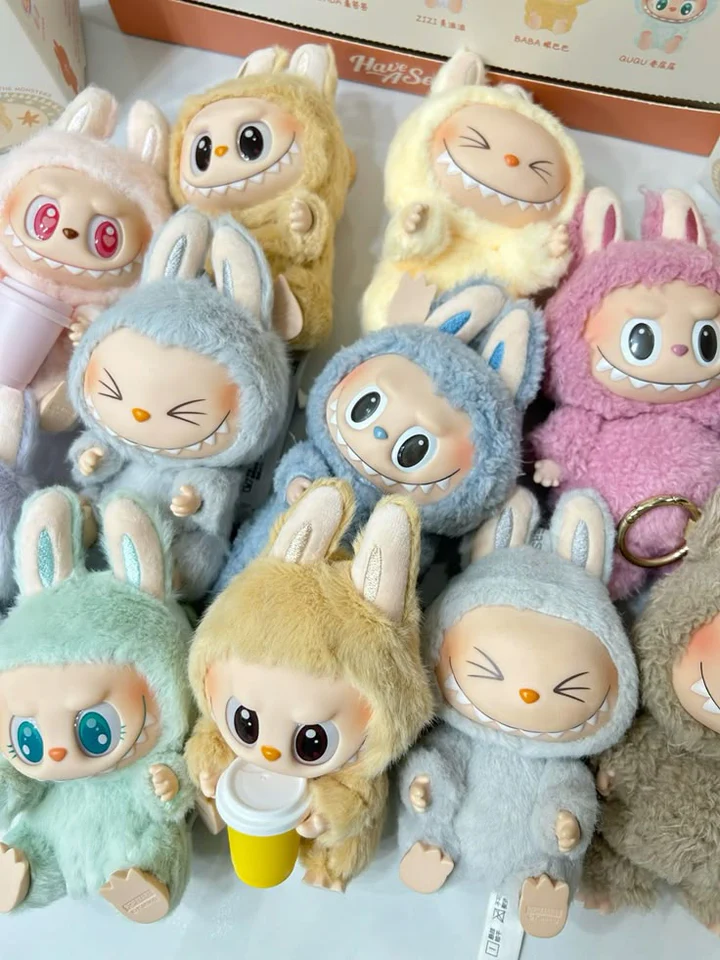
Labubu is not just a local phenomenon. Asia went crazy for it first, Europe picked up the trend in no time, and Americans joined the craze with their characteristic intensity. But why now? And why has everyone suddenly fallen in love with something that, at first glance, looks… well, how do you even describe it?
Here we get to the heart of the matter. Have you ever wondered why some things are so ugly that they become adorable? This question takes us straight to the core of the entire Labubu phenomenon.
In this article, we’ll explore several key aspects of this craze. First, I’ll trace where this little creature actually came from and how it made its way to us from the far end of the world. Then, I’ll delve into the psychology behind it all—why our brains respond so positively to an aesthetic that seems unusual at first glance. Of course, I’ll also cover the practical side: what it looks like from a business perspective, who’s profiting from it, and whether this frenzy has a chance to last.
Finally, I’ll try to answer a question that probably bothers not only me: is Labubu just a passing craze, or the beginning of something bigger?
Before we delve into the roots of this phenomenon, it’s important to understand that we’re dealing with something more than just an ordinary toy.
From niche oddity to global icon: the Labubu timeline
Do you still remember those first Labubu from 2015? Back then, no one expected that this quirky elf with protruding teeth would take the world by storm. Kasing Lung created it almost by accident—the collaboration with Pop Mart was still in its infancy, and the first series reached only a few stores in Hong Kong.
| Date | Event |
|---|---|
| 2015 | Labubu’s debut in collaboration between Kasing Lung and Pop Mart – the first limited edition series in Hong Kong |
| 2019-2022 | Expansion into Asian markets – Japan, South Korea, Singapore |
| March 2024 | “The Lisa Effect” – a series of photos by a Thai influencer sparks a global surge of interest |
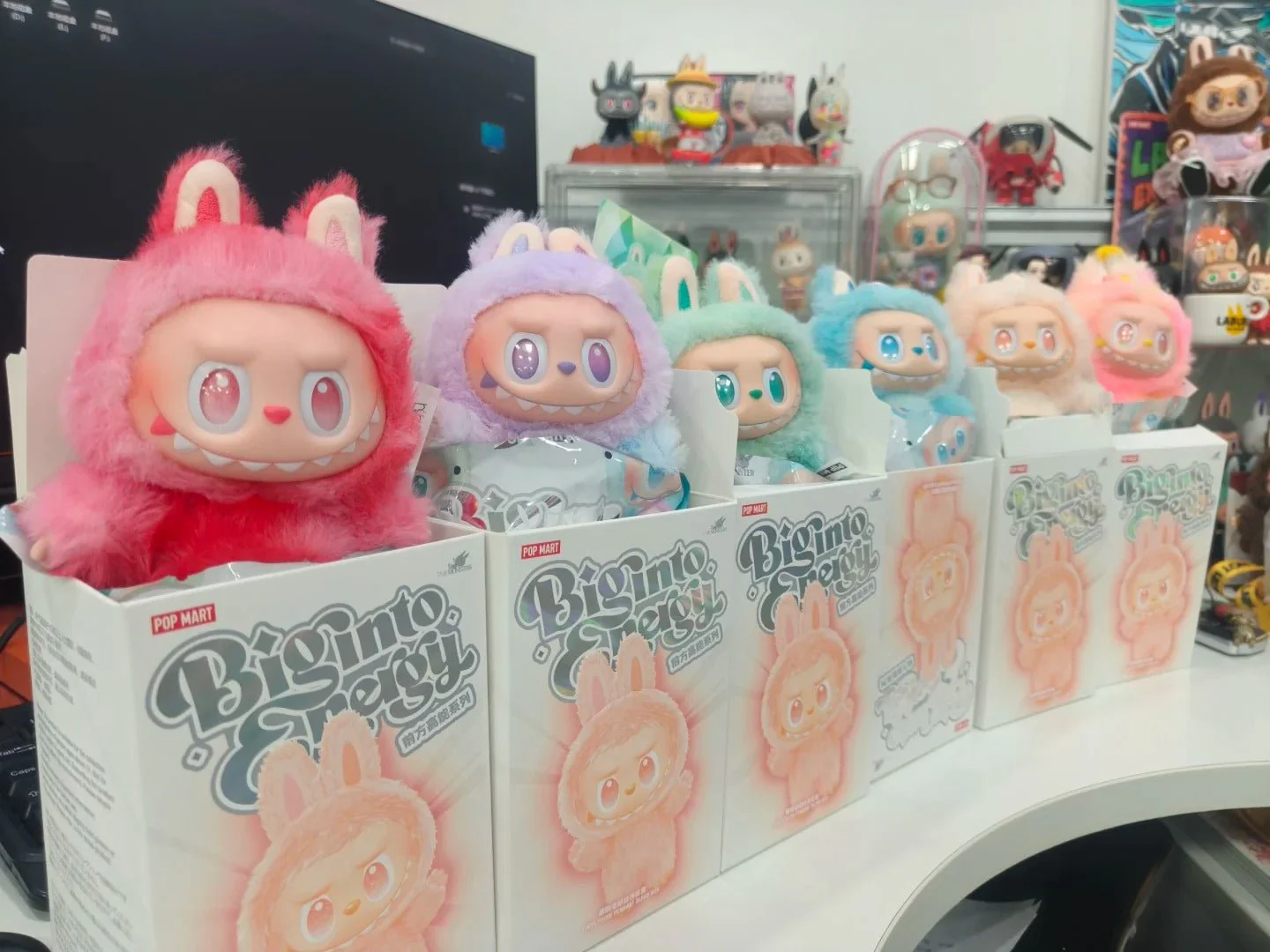
| 24/04/2025 | Premiere of the “High Energy Ahead” series – record-breaking sales on the first day |
| May 2025 | Performance at Milan Fashion Week – Labubu enters the world of haute couture |
Actually, the jump in 2024 was the most unexpected. Lisa from BLACKPINK just posted a few photos with her Labubu collection, and suddenly everyone wanted to have them. Within a week, auction prices skyrocketed, and Pop Mart couldn’t keep up with production.
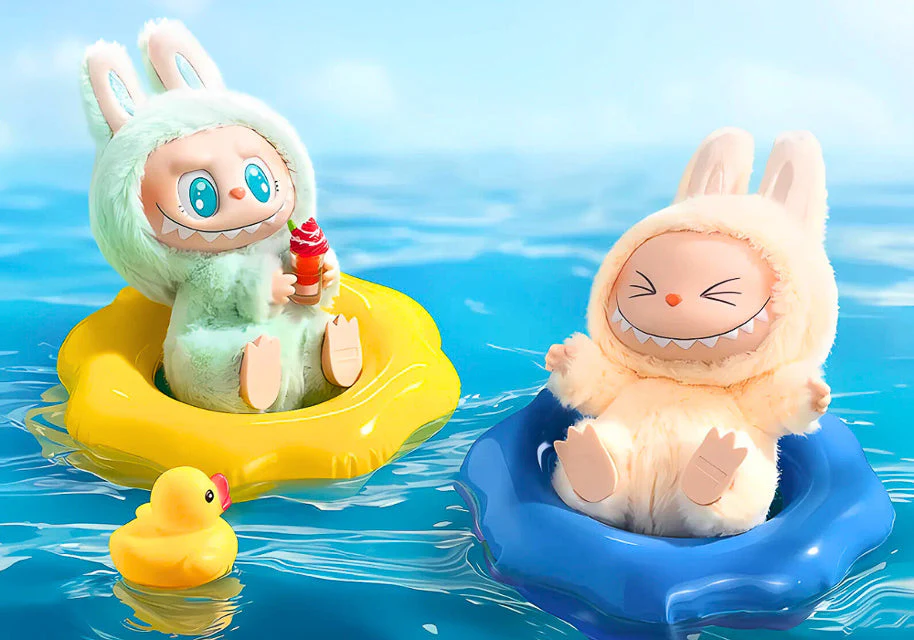
But the real breakthrough came a year later. The “High Energy Ahead” series sold more on its first day than all previous editions combined. It was incredible—Pop Mart’s servers crashed at 10:00, and people had been lining up outside stores since dawn.
And then that May show in Milan… Who would have thought that a plastic figurine would appear on the runway alongside creations worth thousands of euros? Suddenly, Labubu was no longer just a collector’s toy. It became something more.
Each of these stages changed something in the perception of the brand. The first debut showcased its potential, the Asian expansion proved its universality, and the Lisa effect opened the doors to the global mainstream. The April collection set new sales standards, while Milan Fashion Week gave it legitimacy in the world of luxury.
This story was driven not only by time, but also by the psychology of the collector…
The psychology of mystery boxes and FOMO: what drives shopping
Imagine standing in front of a vending machine, not knowing what you’ll get after inserting a coin. Maybe it will be your favorite cola, or maybe something completely new. That feeling of uncertainty and excitement is at the very heart of the Labubu phenomenon and surprise boxes.
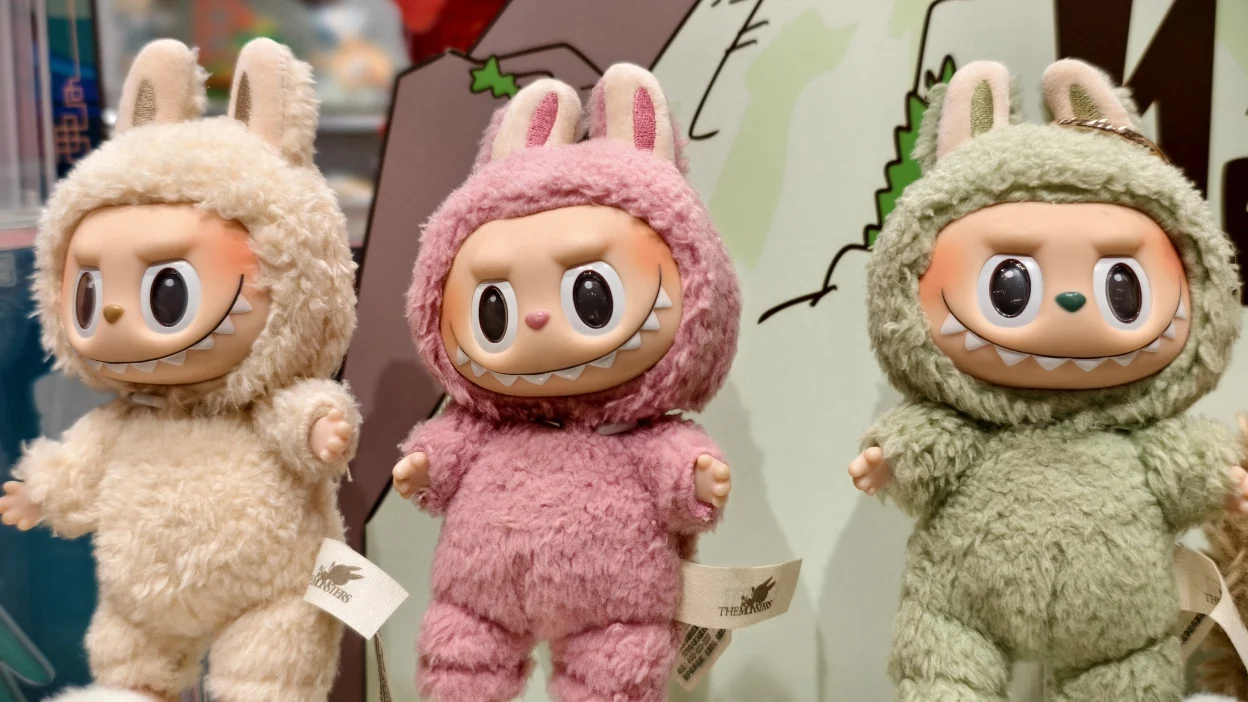
The mechanism is as simple as poker. Your brain releases dopamine not when you get a reward, but when you anticipate it. This is called the variable reinforcement theory—the same principle that keeps people playing at the casino. Every time you open a blind box, it’s like pulling the lever on a slot machine. You never know if this time you’ll score an ultra-rare figurine.
The statistics speak for themselves. By 2025, around 10 million Labubu units had been sold worldwide. Interestingly, as many as 70% of buyers are Gen Z women. This shows just how much this model appeals to young female consumers.
The rarity system is devilishly clever. You have common figures – those are easy to get. Then rare ones – a bit harder. And finally, ultra-rare, which might show up once in a hundred boxes. It’s like a treasure hunt. When you finally find that one special figure, the satisfaction is immense.
The very act of buying has its own magic. First, you pick out a box – and that’s when your imagination starts to run wild. Then comes the snap as you open it, the rustle of the foil packaging. And that moment of revelation – what surprise does fate have in store for you this time?
It’s all driven by FOMO—the fear of missing out. Limited editions, exclusive collections, special colors available for just a week. Social media is flooded with unboxing videos, where girls scream with excitement or groan in disappointment. This only fuels the spiral of desire even more.
Consumer psychology expert Dr. Anna Kowalska claims: “Blind boxes tap into our primal hunting instincts. Instead of hunting mammoths, we hunt for rare figurines.”
The funniest part is that being aware of this mechanism doesn’t protect you from it at all. I myself once bought five boxes in a row because “the pink version had to come up eventually.” It never did.
Now that you understand the mechanics of emotions, let’s see how they translate into prices and social status…
Labubu in Fashion and Investments: Status, Prices, Secondary Market
Remember how last year we thought of Labubu as a funny little figurine for a few bucks? Well, those days are over. In February 2025, someone at an auction in Beijing paid $170,000.00 for a limited edition Labubu adorned with Swarovski crystals. This is no joke—that’s the actual price.
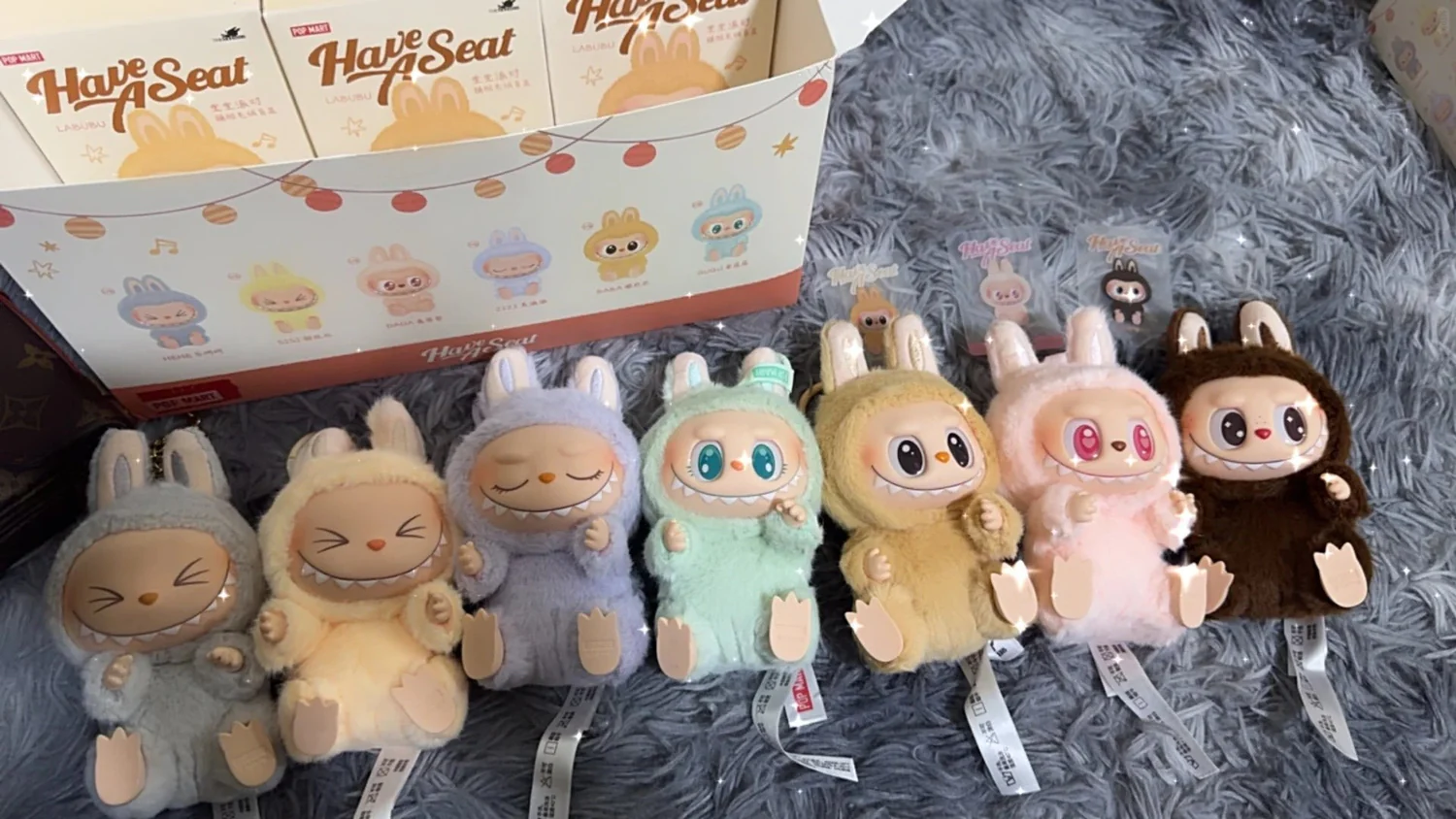
Standard figures still cost between $10 and $20 in stores. But the rarer versions? That’s a whole different league. On the secondary market, it’s easy to find listings for $500 and up. Pop Mart shares, the maker of Labubu, have surged by 600% over the past year. Collectors have sensed this perfectly.
| Version | Retail price | Average resale price |
|---|---|---|
| Standard | 12.00–18.00 USD | 25.00–40.00 USD |
| Limited edition | 35.00-50.00 USD | 200.00–500.00 USD |
| Collector’s edition | 80.00–120.00 USD | 800.00–2,000.00 USD |
Lisa, an influencer from South Korea, sparked a real revolution when she showcased Labubu as a keychain on her Hermès Birkin bag. Suddenly, everyone started seeing these figurines in a new light. Not just a toy, but a status symbol. Versace, Prada – these little creatures are now popping up everywhere as a trendy accessory.
Investor-collectors have their own strategies. They buy entire series, keep them in original packaging, follow trends on TikTok. One of them told me recently, “It’s like the stock market, only prettier.” I laughed at the time, but now her collection is worth more than my car.
The most expensive ones are those with production errors—wrong color, a missing element. It’s a paradox, but these “defective” pieces fetch the highest prices. Collectors know that Pop Mart makes very few of them, so every “mistake” is a future treasure.
The market is becoming professional at lightning speed. There are now apps for valuing collections, investor groups, and even insurance companies offering policies for figurines. This is no longer a random purchase at a toy store.
However, where there’s big money, problems soon follow…
Shadows of the Phenomenon: Counterfeits, Ecology, and Critique of Consumption
Did you know that when you buy Labubu online, you might end up with a fake? It sounds like a joke, but it’s a serious issue.
Attention! Up to 40% of online figurine listings are counterfeits. They’re often sold under names like “Lafufu” or “Labubu-style.” The difference in quality can be drastic—crooked eyes, wrong proportions, plastic that smells bad. And yet, the original doesn’t come cheap.
Do you remember the Wersow scandal? The Polish influencer showed Labubu on Instagram, and internet users immediately pointed out that it was a fake. Was it really a knockoff? Hard to say, but the uproar was massive. Comments like “the influencer can’t tell the original from a fake” or “she’s promoting counterfeits to her fans” were coming in nonstop.
This shows just how complex this market has become. Even industry insiders are getting lost in this chaos.
But counterfeits aren’t the only issue. Environmental critics are sounding the alarm—each figurine is a piece of plastic that will eventually end up in the trash. “More waste disguised as collectible toys,” wrote one eco-blogger.
In Asia, people wait in line for hours to buy the new edition. In Singapore, there were even scuffles in front of the store. Is it really worth all that stress for a plastic figurine?
The social backlash is also becoming apparent. “Yet another silly TikTok trend making people spend money on nonsense”—comments like these are appearing more and more often. The older generation often doesn’t understand the phenomenon, while the younger sometimes falls into a spiral of excessive consumption.
Some people buy a dozen figurines every month. That’s no longer collecting—it’s an obsession. And then they complain about not having money for basic necessities.
With a clear view of both the pros and cons, it’s worth considering how to approach the trend wisely. After all, there’s a space for reason between blind enthusiasm and outright criticism.
How to keep your sanity and what’s next for Labubu?
It may sound strange, but after everything we’ve been through with this Labubu-mania, it’s worth taking a pause. And thinking—what are we actually doing?
The main takeaway from this whole story? Collecting is a fun hobby, but it shouldn’t control our lives. All those lines, overpriced figurines on Allegro, the stress of whether we’ll manage to buy something—that’s not healthy. And it definitely doesn’t bring any real joy.
If you still want to buy Labubu, do it wisely.
First, check your budget. Don’t spend money you don’t have. Second—buy only the ones you truly like. Not the whole series. Third—verify the seller, especially with expensive editions. And finally—wait a day before making a purchase. If you still want it, it might be worth it.
What’s next for this trend? Experts say that by 2026, interest will decline. That’s natural—every trend comes to an end. But interestingly, they predict a wave of nostalgia in about 20 years. By then, our current Labubu could be considered vintage.
Apparently, manufacturers are already considering eco-friendly versions made from recycled materials. And combining them with technology—NFTs, augmented reality. Imagine a Labubu you can see on your phone, dancing on your desk.
In the short term—over the next year or two—things will calm down. Less frenzy, more reasonable prices. In the medium term, imitators will appear, and other brands will try to replicate the success. And in the long run? Who knows, maybe Labubu will become a classic like Hello Kitty.
The most important thing to remember is—they’re just toys. Fun, colorful, but still toys. They don’t define you as a person. They’re not an investment for the future.
Collect wisely!
Marika
lifestyle editor
High Class Home