
One company controls over 75 prestigious luxury brands worldwide—from champagne to watches, from perfumes to yachts.
I sometimes wonder how many people realize that their favorite Louis Vuitton bag and the Moët & Chandon champagne they used to celebrate their latest success come from the same corporate family. That’s the phenomenon of LVMH—a giant that has quietly found its way into our closets, home bars, and dreams of luxury.
The question ” Which brands belong to LVMH?” has become essential for anyone looking to understand today’s luxury market. It’s no longer just about buying beautiful things. It’s about how a single French conglomerate has transformed into an empire that shapes our tastes and defines what we consider prestigious.
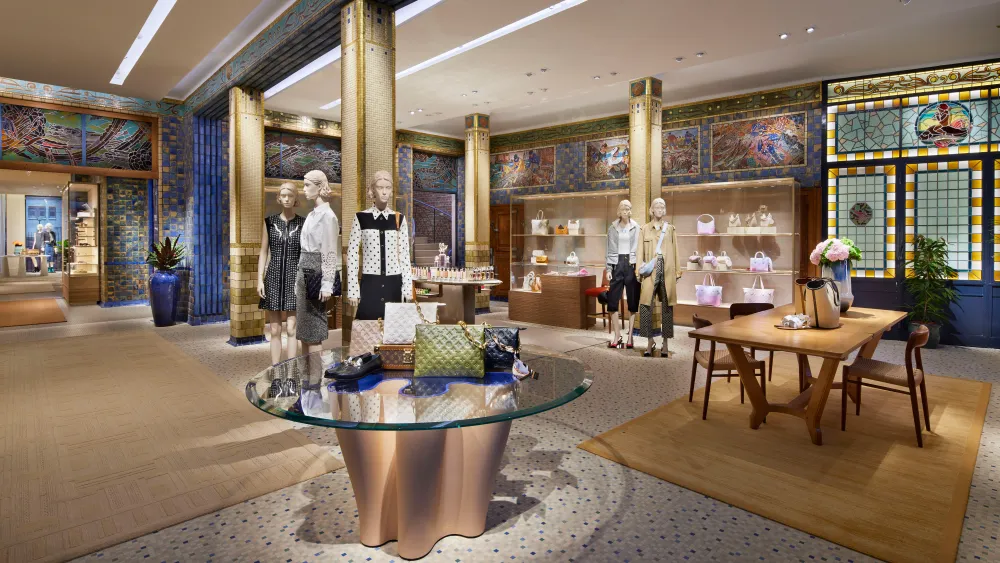
Which brands are owned by LVMH? – from bubbles to bags
This article will show you exactly how extensive this network of influence is—and why it’s worth knowing about:
– A complete brand map by segment – discover how many of your favorite luxury products actually belong to a single company
– The fascinating journey of acquisitions and mergers that led to the creation of this empire
– The significance of this concentration for the future of the luxury market and our consumer choices
The truth is, when we think of luxury, we often don’t realize just how concentrated this industry really is. And LVMH is only the beginning of that story.
It’s time to take a closer look at what exactly lies behind this mysterious acronym and which brands actually make up this luxury giant.
LVMH brand map by segment
Actually, when it comes to looking at LVMH, the easiest way is to start with which brands they own—because the list is truly impressive.
| Segment | Selected brands |
|---|---|
| Fashion and leather goods | Louis Vuitton, Dior, Celine, Loewe, Fendi, Marc Jacobs, Kenzo, Givenchy, Berluti, Moynat |
| Perfumes | Parfums Christian Dior, Guerlain, Acqua di Parma, Benefit Cosmetics, Fresh, Fenty Beauty (50%) |
| Watches and jewelry | TAG Heuer, Hublot, Zenith, Bulgari, Chaumet, Tiffany & Co., Fred |
| Wines and spirits | Moët & Chandon, Dom Pérignon, Veuve Clicquot, Hennessy, Ardbeg, Belvedere |
| Selective distribution | Sephora, DFS, Le Bon Marché, La Samaritaine |
| Other activities | Les Echos, Royal Van Lent, Cheval Blanc |
In the fashion segment, it’s worth noting less obvious names like Moynat or Berluti—this shows just how broadly the group invests in niche luxury. It’s also interesting that Fenty Beauty operates on a fifty-fifty partnership with Rihanna, which is quite rare in this business.
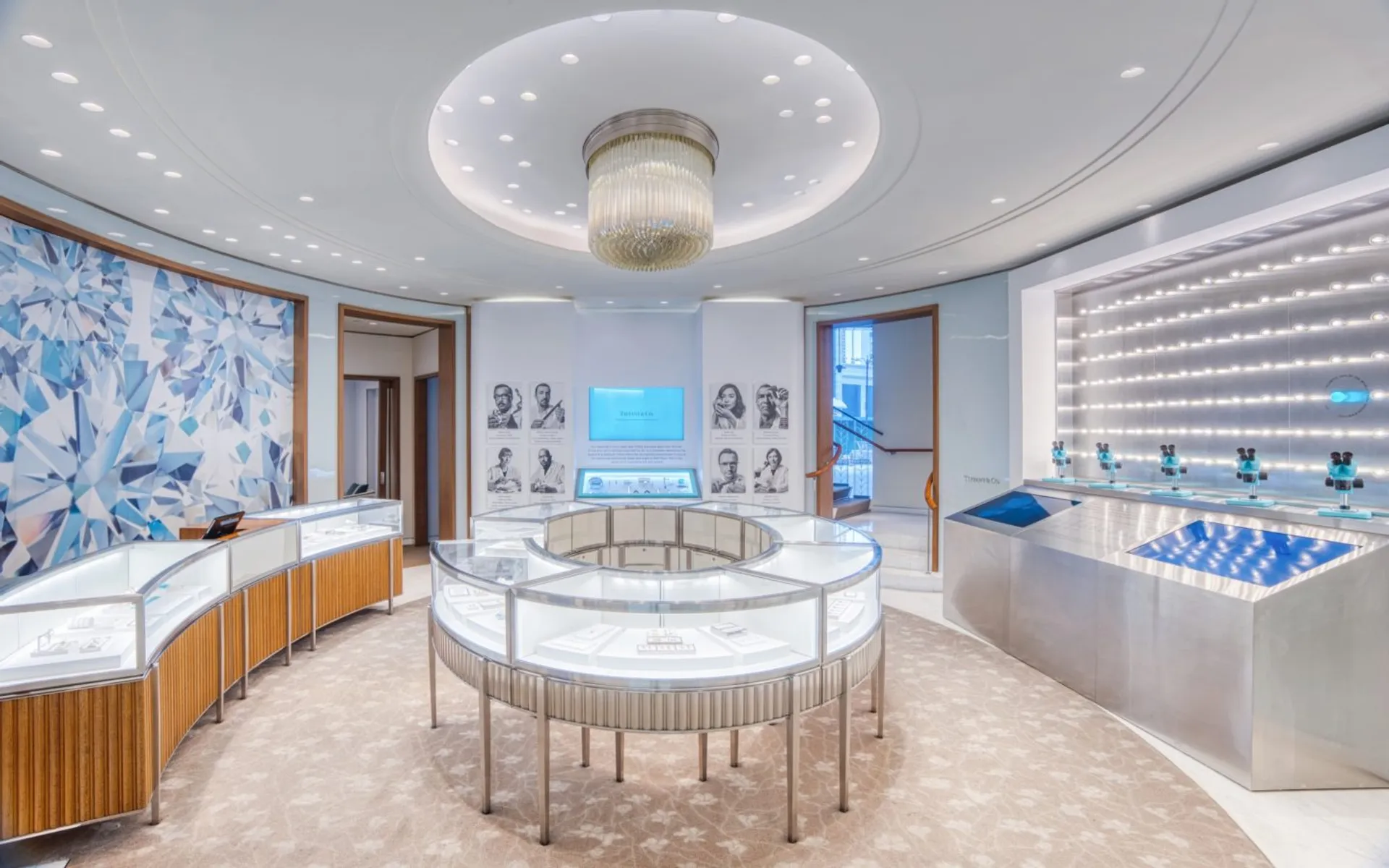
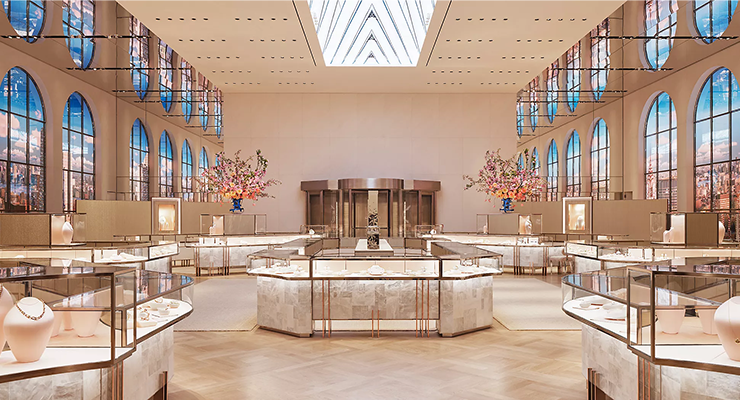
The acquisition of Tiffany & Co. in 2021 for $15.8 billion was truly a major move—suddenly, the watches and jewelry segment gained an American icon.
Segment revenue shares in 2024:
- Fashion and leather goods: 48%
- Selective distribution: 19 %
- Wines and spirits: 13%
- Perfumes and cosmetics: 11%
- Watches and jewelry: 9%
Fashion is definitely the driving force behind the entire company—almost half of all its revenue comes from there. But in fact, each of these brands has its own story of how it came under the LVMH umbrella.
The road to a portfolio of 75 maisons – the story of LVMH acquisitions
The LVMH portfolio wasn’t built overnight. It was a long journey, marked by carefully considered moves and sometimes surprising decisions.
1987 – The creation of LVMH through the merger of Louis Vuitton and Moët Hennessy. Initially, it was more of an equal merger than an acquisition.
1989 – Bernard Arnault takes control of the group. This is when everything changed. Arnault had a vision of a luxury empire, not limited to traditional French brands.
1993 – Acquisition of Berluti and Kenzo. The first signs that the group wants to be present wherever there’s a scent of luxury.
1997 – Acquisition of Sephora for “1.7 billion francs.” It was a brilliant move. Suddenly, LVMH had its own distribution channel for cosmetics. They no longer had to ask others for shelf space.
1999 – Acquisition of TAG Heuer. Swiss watches in French hands? Some were skeptical, but it turned out to be a brilliant move.
2001 – Acquisition of Fendi. The Italian fashion house for “850 million euros.” LVMH proved it could think beyond borders.
2011 – Bulgari joins the portfolio for “3.7 billion euros.” High-end jewelry was the final piece in the luxury segments puzzle.
2019 – The acquisition of Tiffany & Co. begins. Negotiations lasted nearly two years due to the pandemic.
2021 – Completion of the Tiffany deal for “$15.8 billion.” The largest transaction in the history of the luxury industry. Arnault got what he wanted – an icon of American luxury.
2025 – Rumors are circulating about a possible sale of Marc Jacobs. This could be an example of a “pruning strategy”—shedding brands that no longer fit the core strategy.
LVMH’s “buy and build” strategy is based on a simple principle. Find a brand with potential, acquire it, provide resources, and let it grow. Not every acquisition has been a success—after all, we remember Donna Karan and Pucci, which failed to meet expectations.
History shows that building an empire is a marathon, not a sprint. Every acquisition had its purpose in the bigger picture. Today, LVMH boasts a portfolio that competitors can only dream of.
What’s next for the empire? Conclusions and forecasts for the LVMH portfolio
The LVMH portfolio is a topic that has recently fascinated me. After analyzing the entire history of this empire, it’s worth considering what lies ahead in the coming years.
The truth is, the situation is far from clear-cut. On one hand, we’re dealing with a giant machine that has delivered impressive results for decades. On the other, the luxury market now faces challenges it has never encountered before.
The biggest threats? First of all –
But there are also opportunities that could be game-changing. E-commerce in luxury is just getting started. The metaverse might sound strange, but we’re already seeing the first experiments with virtual products. And Loro Piana fits perfectly into the “quiet luxury” trend—people want quality without flashy logos.
Insight: Achieving carbon neutrality by 2030 isn’t just PR—it’s a necessity that will transform how every brand in the portfolio operates.
Analysts predict an average annual revenue growth of 5-10% through 2030. That sounds reasonable, though not spectacular. For investors, this means a stable but unspectacular return. For consumers, it likely signals further price increases, but also a stronger focus on sustainability. For the luxury job market, it’s a sign that investing in digital and ESG skills is worthwhile.
In my opinion, the key factor will be how quickly LVMH adapts to the changing expectations of consumers.
To be honest, sometimes I wonder if all these forecasts make sense in a world that changes so rapidly. But one thing is certain—the evolution of the world’s largest luxury empire will always be fascinating to watch. Whether we’re investors or simply curious market observers.
Madamme
business & style
High Class Fashion