
You’re choosing your first truly expensive sweater or a duvet meant to last for years—you check the labels and see “100% cashmere” next to “100% alpaca.” Both sound luxurious, both are natural, both promise warmth and softness. And suddenly the question arises: which of these fabrics is actually better?
Which is better: cashmere or alpaca, and why isn’t this choice so obvious?
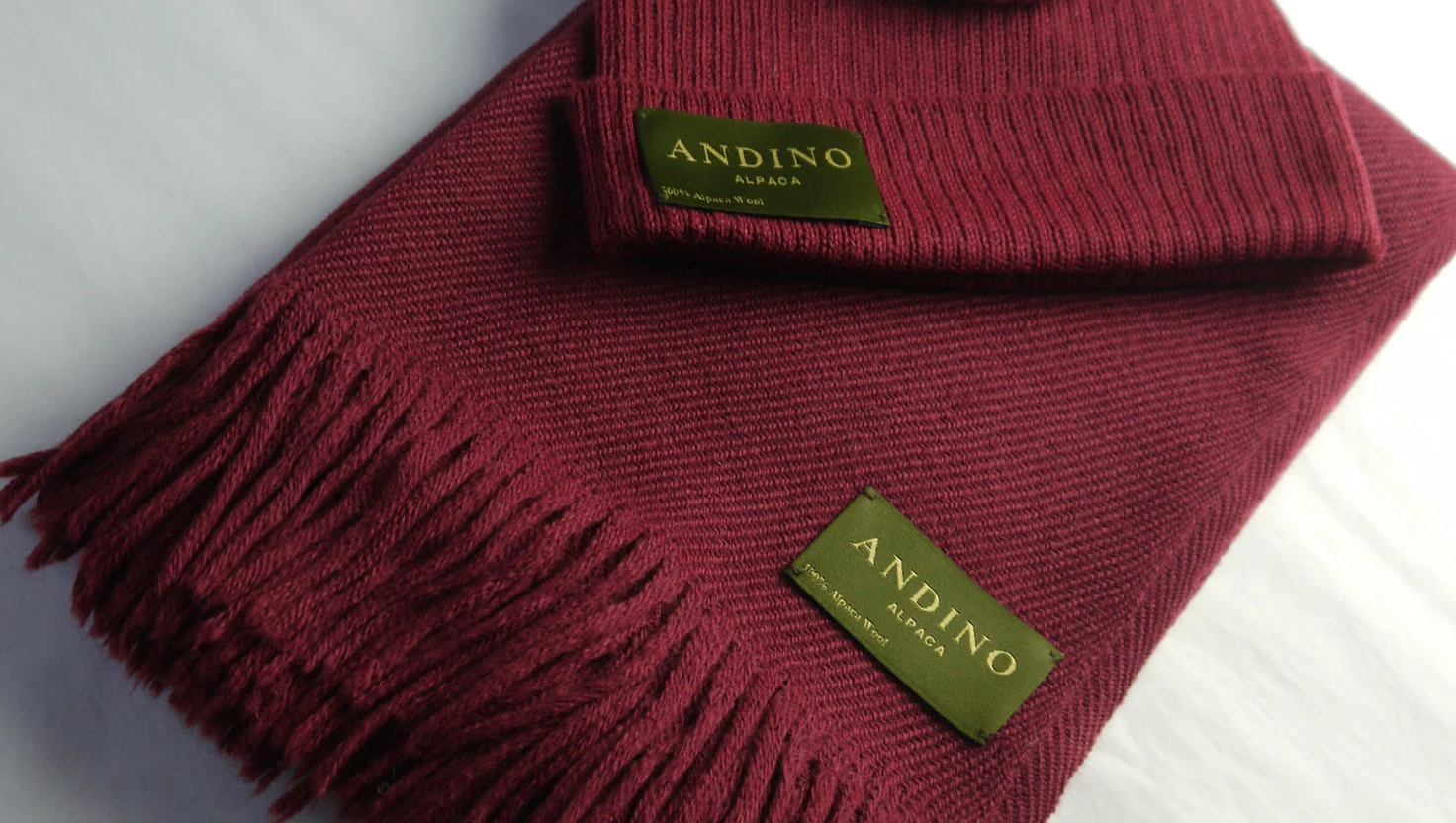
The answer is: it depends. Cashmere and alpaca are two different worlds—each fiber has its own character and strengths. The key is to determine what matters most to you:
- Softness and prestige – cashmere has that silky, delicate texture
- Durability and warmth – alpaca is more durable, often warmer
- Ecology and ethics – here, the differences in production are significant
The article will compare both fibers in terms of origin, physical properties, durability, hypoallergenic qualities, price, and production ethics. This topic is especially relevant today—after 2020, the boom in sustainable fashion has made alpaca (and cashmere+alpaca blends) extremely popular. People are looking for more than just a “nice sweater”—they want to consciously choose a material that matches their values and lifestyle. But before you decide, it’s worth understanding where these fibers actually come from.
Cashmere and alpaca under the microscope – origin, types, and history
Two top-tier materials, two completely different worlds. Cashmere evokes the misty plateaus of Central Asia, while alpaca leads straight to the peaks of the Andes. Although today you’ll find them in the same boutiques, their journeys to modern fashion were entirely different.
Where does cashmere come from?
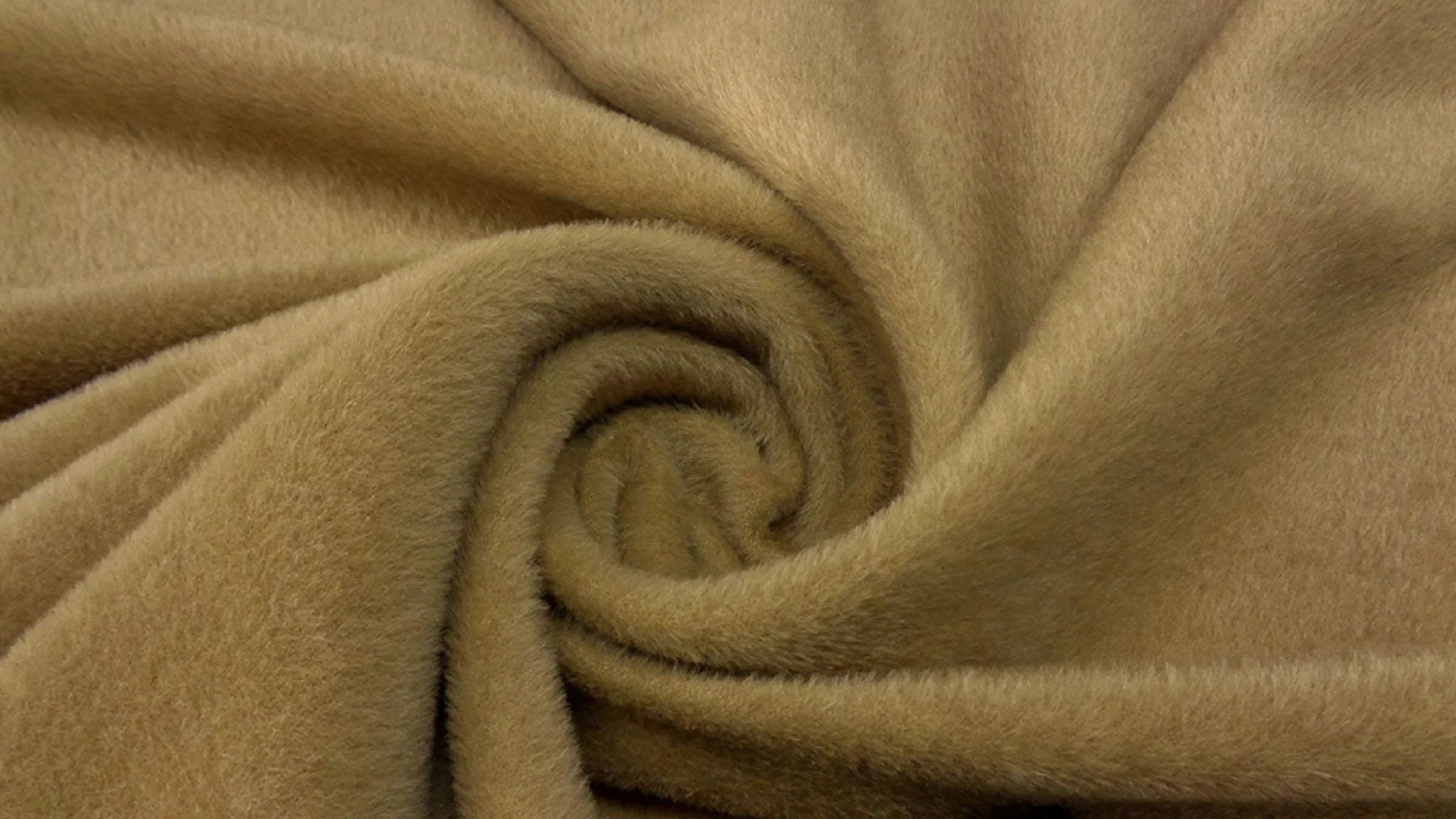
Cashmere is down—a delicate undercoat layer—from cashmere goats ( Capra hircus). These animals live mainly in China (especially Xinjiang), Mongolia, Iran, and northern India. The fiber diameter ranges from 14 to 19 micrometers, with the highest quality (A-grade) being less than 16.5 μm. Fiber length? Just 3–9 cm, which makes the spinning process particularly demanding. Naturally, cashmere comes in white, gray, brown, or black.
The history of cashmere began over three thousand years ago in China and Tibet (around the 13th century BCE). It reached Europe in the 16th century via oriental shawls from India, which became coveted by the aristocracy. The first spinning mill in Scotland was opened only in 1830. Today, China produces 70–80% of the world’s cashmere, although ethical certifications are becoming increasingly important.
What sets alpaca apart from other types of wool?
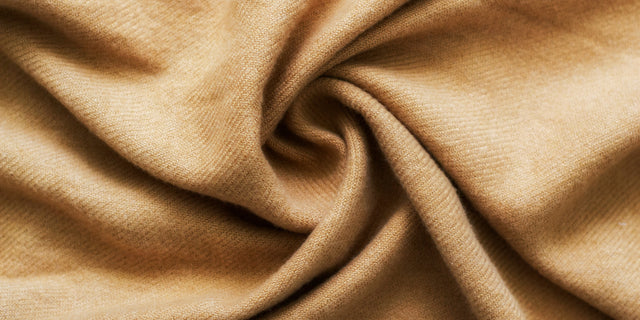
Alpaca ( Vicugna pacos) is the fleece of llamas from the Andes—Peru, Bolivia, Chile, and Argentina. There are two main types: Huacaya (90% of production, fluffy texture) and Suri (more silky). The fiber diameter ranges from 18–34 μm, with baby alpaca going below 23 μm. The length? An impressive 10–40 cm—much longer than cashmere. There are as many as 22 natural colors, from snowy white to deep chocolate.
The Incas have been breeding alpacas for around five thousand years, calling them the “gold of the Andes.” They held a tight monopoly on exports. The renaissance of alpaca farming came only in the 1970s and 1980s in Peru, with an export boom in the 1990s and again after 2020, as sustainable fashion gained momentum.
| Feature | Cashmere | Alpaca |
|---|---|---|
| Source | Cashmere goats | Alpaca llamas |
| Fiber diameter | 14-19 μm | 18-34 μm |
| Length | 3-9 cm | 10-40 cm |
| Natural colors | 4 basic | 22 odcienie |
What are their properties? Technical comparison of cashmere and alpaca
It’s not enough to know that cashmere comes from goats and alpaca from South American animals. What really matters is how these fibers perform day to day—whether they’ll stay soft for years, if they’re prone to pilling, and if they’re suitable for someone with sensitive skin. Here you’ll find hard facts and comparisons that truly help you decide.
Softness and wearing comfort
Cashmere is renowned as “the softest wool in the world”—its fibers measure just 14-16 μm in diameter, gently caressing the skin without any itchiness. Alpaca can only compete in the baby alpaca class (< 23 μm), while standard alpaca fibers (over 25 μm) tend to feel noticeably coarser. When it comes to luxurious softness, cashmere comes out on top, though the difference is most apparent when worn directly against the skin.
Warmth, lightness, and breathability
This is where alpaca starts to catch up. Its thermal insulation rating is about 9/10 (vs 8/10 for cashmere) — the fiber is hollow inside, creating an air layer that retains heat more effectively. Alpaca absorbs about 35% of its own weight in moisture (cashmere about 30%), breathes exceptionally well, and has natural antibacterial properties. The result? You feel warm, but your skin doesn’t “overheat” like it does with synthetics.
Durability, pilling resistance, and hypoallergenic properties
Cashmere is a delicate fiber—pilling typically appears after 2–5 years of use, especially in areas subject to friction. Alpaca? It rarely pills, withstands about 20% more wash cycles in laboratory tests, and can last over 10 years. What’s more, cashmere contains lanolin (a potential allergen), while alpaca has virtually none—making it an excellent choice for those with allergies. Alpaca naturally repels water and dirt, whereas cashmere absorbs them more easily.
| Property | Cashmere | Alpaca | Winner |
|---|---|---|---|
| Softness | 14-16 μm | 19-25 μm | Cashmere |
| Warmth | 8/10 | 9/10 | Alpaca |
| Durability | Pilling after 2-5 years | 10+ years | Alpaca |
| Hypoallergenicity | Contains lanolin | No lanolin | Alpaca |
In short: cashmere offers instant luxurious softness, while alpaca provides long-term comfort and practicality.
When to choose cashmere and when to opt for alpaca? Everyday uses
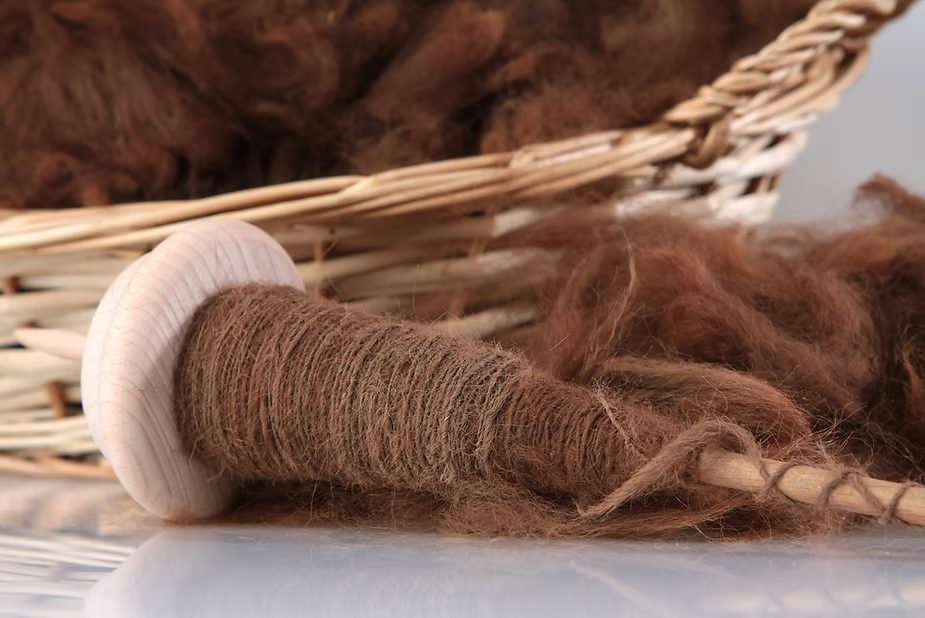
The properties of the fibers are one thing, but how does it play out in real life? When is it truly worth investing in cashmere, and when is it better to choose alpaca?
Sweaters, cardigans, and everyday knitwear
Here, it really depends on what you need. Cashmere is a classic—the thin, elegant sweater for work or a business meeting. It has that prestige, that hint of “soft gold.” But honestly? For everyday wear, especially if you’re active or love the outdoors, alpaca wins. It’s simply more durable, doesn’t pill as quickly, and keeps you warm even when cashmere can’t. Brands like Patagonia choose alpaca for mountain wear for a reason.
Shawls, hats, blankets, and duvets
Cashmere shawls (Hermès and the like) are premium luxury accessories —soft, lightweight, but better suited for going out than for a frosty walk. Alpaca? Warmer, more practical, perfect for everyday use. And when it comes to blankets and duvets—2025 tests (SalonSnu.pl, 24materace.pl) clearly show: an alpaca duvet is about 30% more durable, lighter, and offers better ventilation than cashmere. For allergy sufferers, it’s a perfect choice.
Lingerie, socks, and fiber blends
Alpaca worn close to the skin works brilliantly—it’s breathable and has antibacterial properties. Cashmere? Too delicate for socks or thermal layers. You’ll increasingly find blends (70% alpaca + 30% cashmere)—a compromise between softness and durability. Perfect for those who don’t want to choose.
Price, ethics, and ecology – the true cost of cashmere and alpaca
The price tag is one thing, but the true cost of cashmere or alpaca is much greater. It’s about the impact on the planet, local communities, and animal welfare—things that aren’t immediately visible.
Scale of production and price differences
Cashmere dominates the luxury fiber market—about 70% of the entire segment’s value. Around 20,000 tons are produced annually, with China accounting for roughly 70% of that. Alpaca? It’s a niche player—about 6,000 tons, mainly from Peru (around 85% of global production). Raw cashmere costs from $100 up to even $500 per kilogram, while sweaters range from $200 to $1,000. Alpaca is noticeably cheaper: fiber costs $20–100/kg, sweaters $100–400. The difference? Luxury brand marketing, prestige, and the limited supply of truly high-quality cashmere.
The ethics of cashmere farming and responsible certifications
PETA reports from 2019‑2025 revealed serious issues: aggressive goat shearing in China, high animal mortality rates, and deplorable farming conditions.
The industry is responding—certifications like the Responsible Wool Standard (RWS) are emerging, and brands are introducing better standards. However, much of the cashmere still comes from farms where animal welfare is the last priority.
Alpaca, local communities, and environmental footprint
Alpaca farming is the livelihood for around 600,000 breeders in the Andean regions of Peru—accounting for about 5% of the local GDP. Traditional grazing methods are less intensive, with fewer instances of abuse. Environmentally? Alpaca comes out on top—it uses about one-third of the water and feed compared to sheep, is gentle on the soil, and emits significantly less CO₂. Some data suggests a carbon footprint reduction of up to 70% compared to sheep’s wool.
In terms of ethics and ecology, alpaca is clearly the better choice.
How to make a good decision and what next? A practical action plan
There’s no single “winner” here—and that’s actually good news. Cashmere and alpaca belong to two different worlds: cashmere is all about ultimate softness, prestige, and a touch of snobbery, while alpaca wins with durability, warmth, hypoallergenic properties, and a smaller ecological footprint. The “better” material only exists once you clearly define your priorities —is it about looks and status, or practicality and values?
What does the future hold for these fibers?
Forecasts for 2030 indicate that alpaca will grow in popularity by as much as 50%—the sustainability trend is making its mark. Cashmere will remain a symbol of luxury, but blends and hybrid solutions combining both worlds are gaining ground. Treat your purchase as an investment in comfort and values, not just fashion. Start with one carefully chosen piece—a sweater, a blanket, anything—and see which fiber truly fits your lifestyle.
Sonny
trends editorial team
High Class Fashion