
Table of Contents
- Who is Philipp Plein, really? An unfiltered look at the man behind the name
- From Furniture to Fashion – The History and Evolution of the Brand
- The DNA of style, the spectacle of marketing, and controversies
- What’s next for Philipp Plein? Conclusions and future scenarios
Born on February 16, 1978 in Munich, Philipp Plein is a German fashion designer and entrepreneur whose brand has achieved hundreds of millions of euros in turnover. His aesthetic, far from minimalism, is defined by bold, extravagant designs that attract attention worldwide.
In August 2025, the closure of the flagship Philipp Plein store in Vienna was announced, causing a stir in the fashion industry. This decision resulted from the end of the partnership with the previous franchisees, Ernst and Manuela Fischer, who decided to pursue new retail concepts. However, Plein has announced a return to Vienna in 2027 with his own new store.
At the same time, the brand is rapidly expanding its presence in e-commerce and exploring new areas such as cryptocurrencies, adapting to evolving market trends. Expectations for the upcoming fashion shows are high, especially after the presentation of the new Swiss Made watch collection at Watches and Wonders 2025.
Who is Philipp Plein? An unfiltered introduction to the topic
Philipp Plein is not only a designer, but also an entrepreneur and showman who constantly pushes boundaries in the fashion world. In the following sections, we’ll explore his journey from furniture design to building a global fashion brand, delve into the DNA of his label, and discuss the controversies that have accompanied his career. To grasp the scale of this phenomenon, let’s go back to the beginnings of his work.

From Furniture to Fashion – The History and Evolution of the Brand
Philipp Plein, a German fashion designer, began his career designing furniture before building a global fashion empire. His journey from education to worldwide success includes key milestones and business decisions that have shaped the brand.
Key milestones in Philipp Plein’s career
- 1998: Founding of Philipp Plein International Group in Munich, initially focused on luxury steel and leather furniture.
- 2003: Designing accessories and leather jackets, which marked the first step towards fashion.
- 2004: Official debut in the fashion market with the first complete clothing collection.
- 2006: Opening of the first showroom in Milan, strengthening the brand’s presence in the fashion world.
- 2008: Opening of the first flagship store in Monte Carlo and launch of the “Couture” collection.
- 2016: Acquisition of the Billionaire brand and launch of the Plein Sport line, further expanding the company’s portfolio.
- 2021: Introduction of cryptocurrency payments, making Philipp Plein the first major fashion brand to accept this form of payment.
- 2023: Introduction of the No Limits Gold line, continuing innovation in the product range.

Brand development and expansion
Initially focusing on furniture, Philipp Plein quickly expanded into fashion, introducing clothing, accessories, and later fragrances and watches. In 2016, he acquired the Billionaire brand and launched the Plein Sport line, further strengthening the company’s position in the luxury market. Geographic expansion included opening stores in key cities such as New York, Los Angeles, Moscow, Hong Kong, and Dubai. In 2017, the company relocated its headquarters to Lugano, Switzerland, which was a strategic business decision.
Digitization and innovation
In 2021, Philipp Plein introduced cryptocurrency payments, becoming a pioneer in the fashion industry. In 2022, the company invested in real estate in the Decentraland metaverse, showcasing an NFT collection in collaboration with artist Antoni Tudisco.
Proceeding to the next stages
Now that we know Philipp Plein’s journey from furniture to fashion, it’s worth taking a closer look at what sets his style and image apart from other brands.
The DNA of style, the spectacle of marketing, and controversies
Philipp Plein is a designer known for his extravagant style, blending luxury with bold, often controversial elements. His brand stands out for its unique aesthetic, spectacular marketing campaigns, and numerous controversies that evoke strong emotions among audiences.
Style
Philipp Plein’s aesthetic is a blend of luxury with bold, often controversial elements. His designs are characterized by:
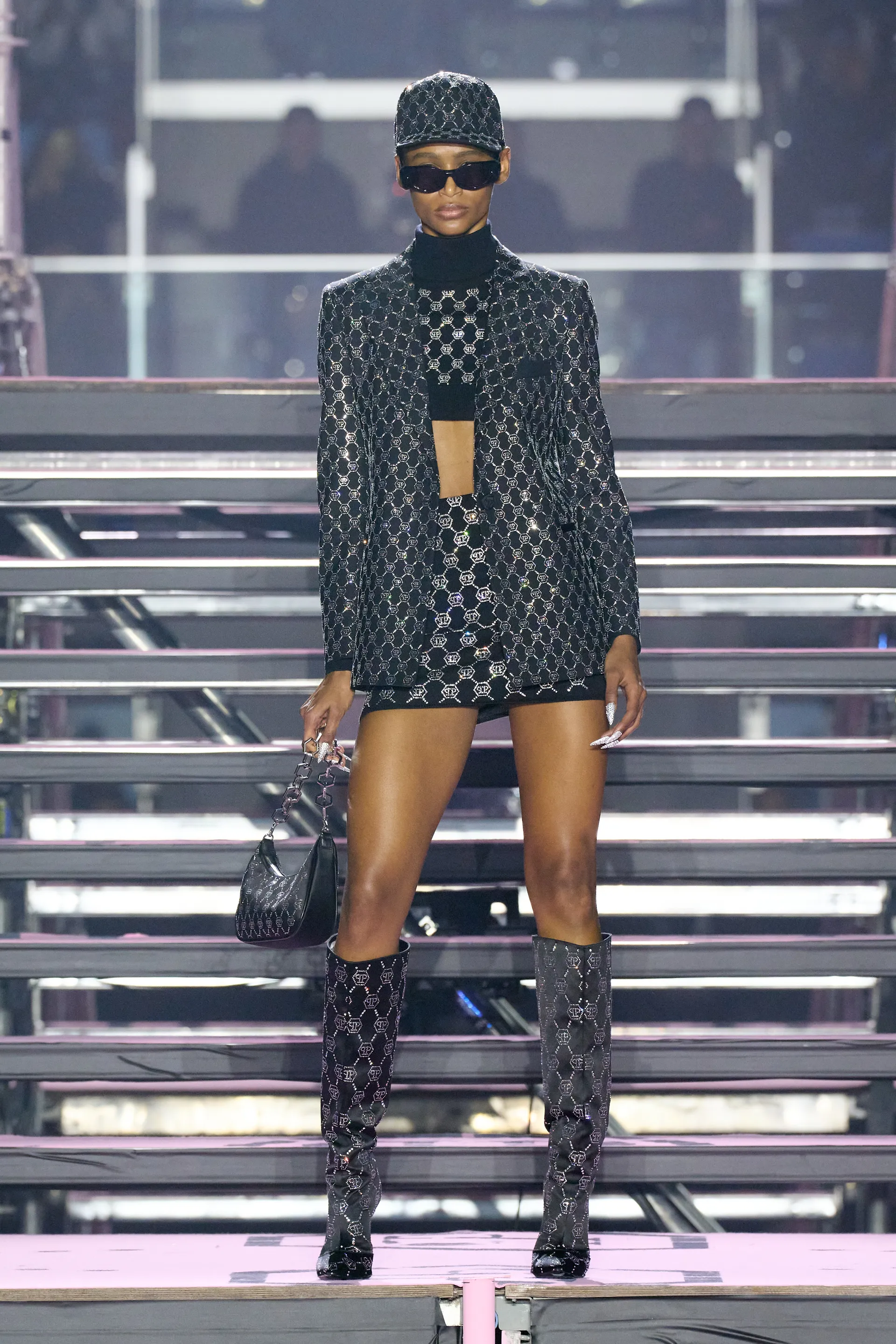
- With sparkle and crystals: The use of Swarovski crystals and other shimmering elements gives clothing a striking look.
- Skull motifs: Skulls have become one of the brand’s most recognizable symbols, emphasizing its rebellious spirit.
- Metallic finishes: Metallics give designs a futuristic and modern look.
- Embellished denim: Jeans adorned with patches, embroidery, or crystals are a staple in collections.
- Antiminimalism and a “rock’n’roll” vibe: Plein’s designs are far from minimalism, often drawing inspiration from rock aesthetics.
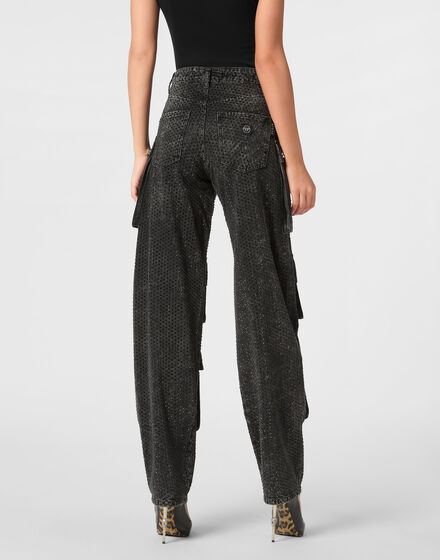
An example of the brand’s extravagance is jackets priced as high as $80,000.
Marketing
Philipp Plein is known for his unconventional marketing strategies that attract the attention of both the media and customers:
- Celebrity collaborations: The brand has partnered with stars such as Snoop Dogg, Naomi Campbell, Rita Ora, and Iggy Azalea, which boosts its visibility.
- Spectacular fashion shows: Plein’s shows often resemble grand performances featuring famous artists like Tyga or Missy Elliott, which draws significant media attention.
- Social media-focused communication: The brand actively uses platforms like Instagram to build relationships with customers and promote its products.
Controversies
Philipp Plein’s actions often spark controversy:
- Lakers-themed show with helicopter (2020): In 2020, during Milan Fashion Week, Plein staged a show featuring Los Angeles Lakers motifs and a golden helicopter on the runway, which was considered insensitive in light of Kobe Bryant’s recent death in a helicopter crash.
- Allegations of model mistreatment (2023): In 2023, accusations surfaced regarding the improper treatment of models during shows, sparking a debate about workplace ethics in the fashion industry.
- Past symbolic missteps: In the past, the brand faced criticism for using controversial symbols and motifs in its collections.
Opinions about the brand are divided:
- Admiration for entrepreneurship: Some people admire Plein for his ability to build a global brand and his innovative approach to fashion.
- Criticism for ostentation: Others accuse him of excess and lack of sensitivity, which leads to controversy and negative reception.
The polarization of opinions about Philipp Plein undoubtedly increases the brand’s visibility, making it one of the most talked-about in the fashion world.
What’s next for Philipp Plein? Conclusions and future scenarios
Philipp Plein, known for his extravagant style and unconventional marketing strategies, continues to capture attention in the fashion world. His ability to adapt and explore new territories makes it worthwhile to examine the brand’s future directions and the potential challenges that may arise.
Trends and growth opportunities
Metaverse and Further Digitalization
Philipp Plein already invested $1.4 million in 2022 to purchase virtual real estate in Decentraland, demonstrating his commitment to growth in the digital space. Participation in Metaverse Fashion Week and the creation of NFT collections in collaboration with artist Antoni Tudisco show that the brand is striving to strengthen its position in the metaverse. With the European luxury fashion market projected to grow to $85.34 billion by 2030, further digitalization could help increase the brand’s market share.
Sustainability and eco-friendly lines
In response to growing consumer expectations for sustainable fashion, Philipp Plein may consider introducing collections that use recycled materials and eco-friendly production processes. In 2023, 35% of luxury apparel consumers declared a preference for brands employing sustainable practices. Implementing such measures could not only enhance the brand’s appeal but also contribute to a potential sales increase of 10-15% by 2030.
Risks and ways to minimize them
Polarization of opinions and sensitivity to image crises
Philipp Plein’s extravagant style and controversial campaigns can polarize consumer opinions. In the age of social media, negative reactions can escalate rapidly, impacting the brand’s image. To minimize this risk, it is worth investing in transparent communication and building authentic relationships with customers.
Price pressure and supply chain compliance of “Made in Italy”
Maintaining production in Italy involves high costs and the need to meet strict quality and labor ethics standards. Faced with growing competition and price pressure, Philipp Plein must balance preserving its prestigious image with cost efficiency. It is worth considering diversifying suppliers and investing in technologies that enhance production efficiency.
Practical tips for recipients
- Collection assessment: Pay attention to the quality of materials and the precision of craftsmanship, as these indicate the durability and value of the product.
- Release tracking: Stay up to date with new collections and limited editions that may increase in collectible value.
- Media report verification: Analyze information about the brand from various sources to gain a comprehensive view of its activities and strategy.
- Monitoring activities in the metaverse: Track how the brand expands its presence in the digital space, which can impact its future value and innovation.
- Sustainable development strategy analysis: Check what steps the brand is taking towards eco-friendly practices, as this may indicate its social responsibility.
- Pricing policy assessment: Compare product prices with competitors to determine whether the value offered is adequate for the cost.
- Participation in industry events: Attend fashion shows and events organized by the brand to gain a deeper understanding of its vision and development direction.
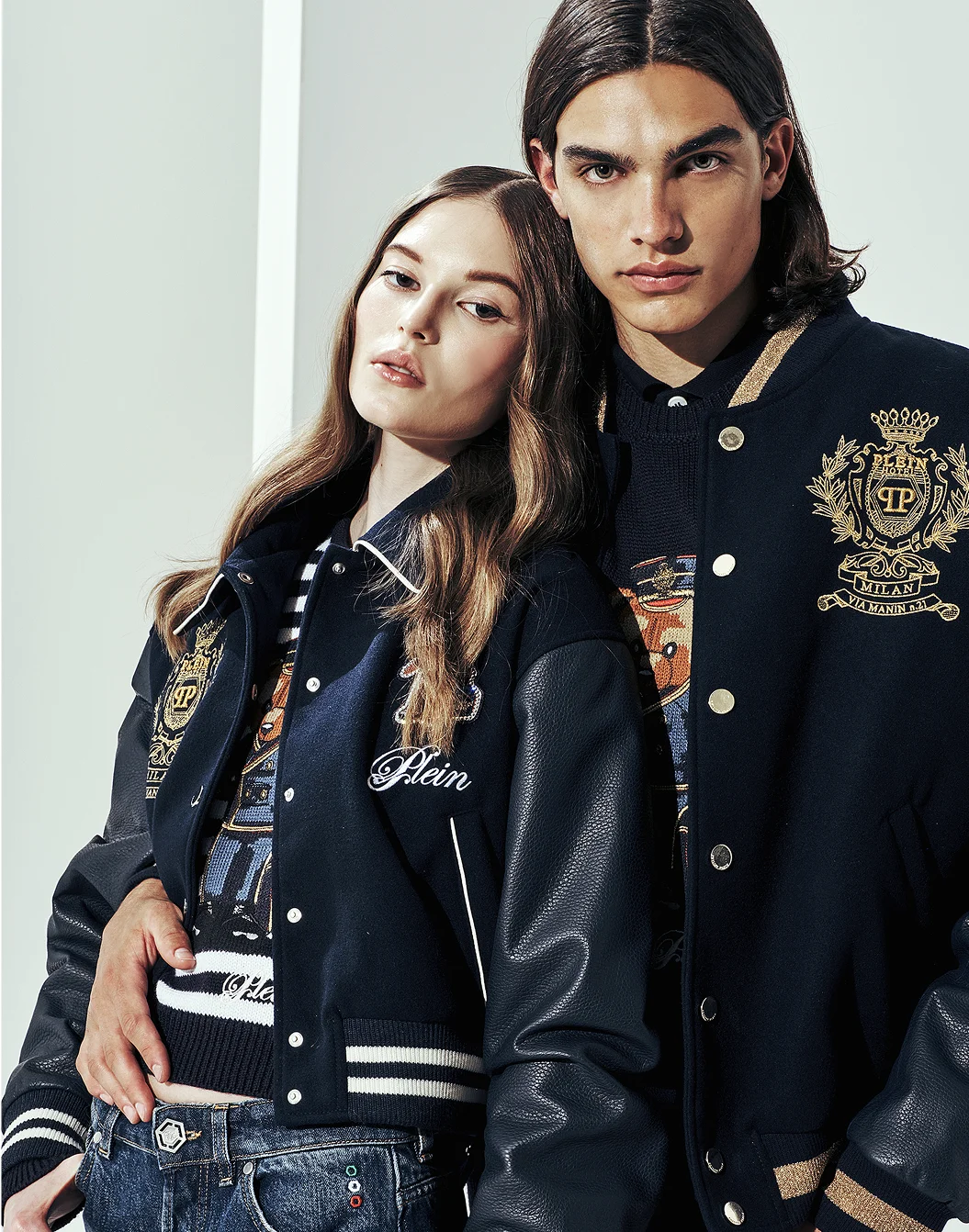
The polarization of opinions surrounding Philipp Plein can be seen as a strategic element that attracts attention and sets the brand apart from its competitors. However, for discerning consumers, it is crucial to critically assess the brand’s actions and monitor how it adapts to evolving trends and market expectations.